 Free shipping on orders over £29,85
  Shipping Tracking!


 Google
 Facebook
How do you clean resin objects?
Practical care steps to keep your resin items brilliant and clear


Keeping resin objects clean not only maintains their sparkling clarity and gloss, but also prolongs the life of your crafted treasures. Whether you create resin jewellery, artwork, or functional pieces, regular care is key to preventing dullness, stains, and surface damage. This guide will walk you through cleaning techniques that preserve both appearance and structure, so your resin pieces continue to impress.
What You’ll Need
- Pure Isopropyl Alcohol 99.9% – 1000ml Bottle for Epoxy Resin Projects & DIY – for bubble removal, light surface degreasing, and prepping resin surfaces
- Strong Technical Degreaser for Resin Projects – 100% Natural Formula – ideal for shifting grease, silicone or tough residues from resin items
- “Epoxy Polish” – Epoxy Resin Polishing System – to restore surface gloss on clouded or lightly scratched resin
- Reusable Silicone Resin Brush for Epoxy Art and Wood Applications or a soft lint-free cloth – for careful manual cleaning
- Mild washing-up liquid and lukewarm water
- Soft microfibre towel
- Disposable gloves (recommended for sensitive skin and when using alcohol or degreaser)

Essential Tools for Resin Care
Choose gentle cleaners, soft tools, and products designed specifically for resin to preserve the clarity and finish of your resin objects. Your method matters as much as your materials—always prioritise non-abrasive and residue-free techniques for the best results.

Step 1: Dust and Surface Prep
Begin by gently removing dust from the resin object using a dry, clean microfibre cloth. This helps avoid dragging abrasives across the glossy surface, which can create fine scratches. Avoid paper towels as they may be too coarse.
If your resin piece was on display, check for surface particles or sticky spots. For delicate engraving or intricate shapes, use a slightly dampened Reusable Silicone Resin Brush for Epoxy Art and Wood Applications to get into crevices without risk of scratching.
Step 2: Cleaning and Degreasing
For general dirt, fingerprints, or residue, prepare a solution of lukewarm water and a mild washing-up liquid. Dip a soft cloth or silicone brush in the solution and gently work across the resin surface. Avoid harsh abrasives or scratching pads, as these can permanently mar the resin’s clarity.
If you encounter greasy or persistent marks, apply a small amount of Strong Technical Degreaser for Resin Projects – 100% Natural Formula to the cloth and gently clean the affected area. Do not soak the item—spot clean as needed, and always follow up by wiping with a clean damp cloth to remove any cleaning agent residue.
Step 3: Stain Removal and Surface Polishing
For stains or light scratches, extend the cleaning process by using Pure Isopropyl Alcohol 99.9% – 1000ml Bottle for Epoxy Resin Projects & DIY. Moisten a corner of your cloth and use gentle, circular motions to lift stubborn marks. Test on a small patch first to confirm compatibility with decorative finishes.
If your resin object appears cloudy or dull after cleaning, lightly buff the surface with “Epoxy Polish” – Epoxy Resin Polishing System following the product instructions. This two-step polish is intended for resin surfaces and helps banish fine swirl marks, restoring a glossy, mirror-like finish.

Step 4: Rinsing and Drying
Once you’re satisfied with the cleanliness, it’s important to fully rinse the resin item under lukewarm running water to remove any trace of soap, degreaser, or alcohol. Rinse away all product residue thoroughly to prevent streaks or potential surface reactions.
Dry the object immediately with a clean, lint-free microfibre cloth, taking care not to leave fibres behind. Ensure the surface is completely dry after cleaning, particularly if your piece will be stored or displayed in a closed case—this reduces the risk of condensation and water marks.

Tips and Common Mistakes to Avoid
- Never use acetone, strong solvents, or bleach on resin objects—they may cause hazing or structural damage.
- Do not subject resin items to very hot water, as this can warp or weaken the material.
- Always spot-test polishes or cleaners on a discreet area, especially for coloured or embedded pieces.
- If you notice streaks after polishing, buff lightly with a clean microfibre cloth for a clear finish.
- Store cleaned resin in a dust-free location to maintain clarity and reduce cleaning frequency.
Keep Your Resin Pieces Looking Their Best
Regular, gentle cleaning preserves resin’s beauty and prolongs its life. Avoid shortcuts or harsh products, and your creations will continue to shine for many years.

- Pure Isopropyl Alcohol 99.9% – 1000ml Bottle for Epoxy Resin Projects & DIYPrice range: £10.45 through £20.95Pure Isopropyl Alcohol 99.9% is suitable for epoxy resin projects and helps remove bubbles and create effects in resin using a high-purity cleaning…
- Strong Technical Degreaser for Resin Projects – 100% Natural FormulaOriginal price was: £10.95.£9.45Current price is: £9.45.The Strong Technical Degreaser is a natural and gentle cleaner designed for use in epoxy resin projects and various surfaces.
- "Epoxy Polish" – Epoxy Resin Polishing SystemPrice range: £18.95 through £47.45"Epoxy Polish" offers an advanced polishing system designed for epoxy resin surfaces to restore a clear, glossy finish.
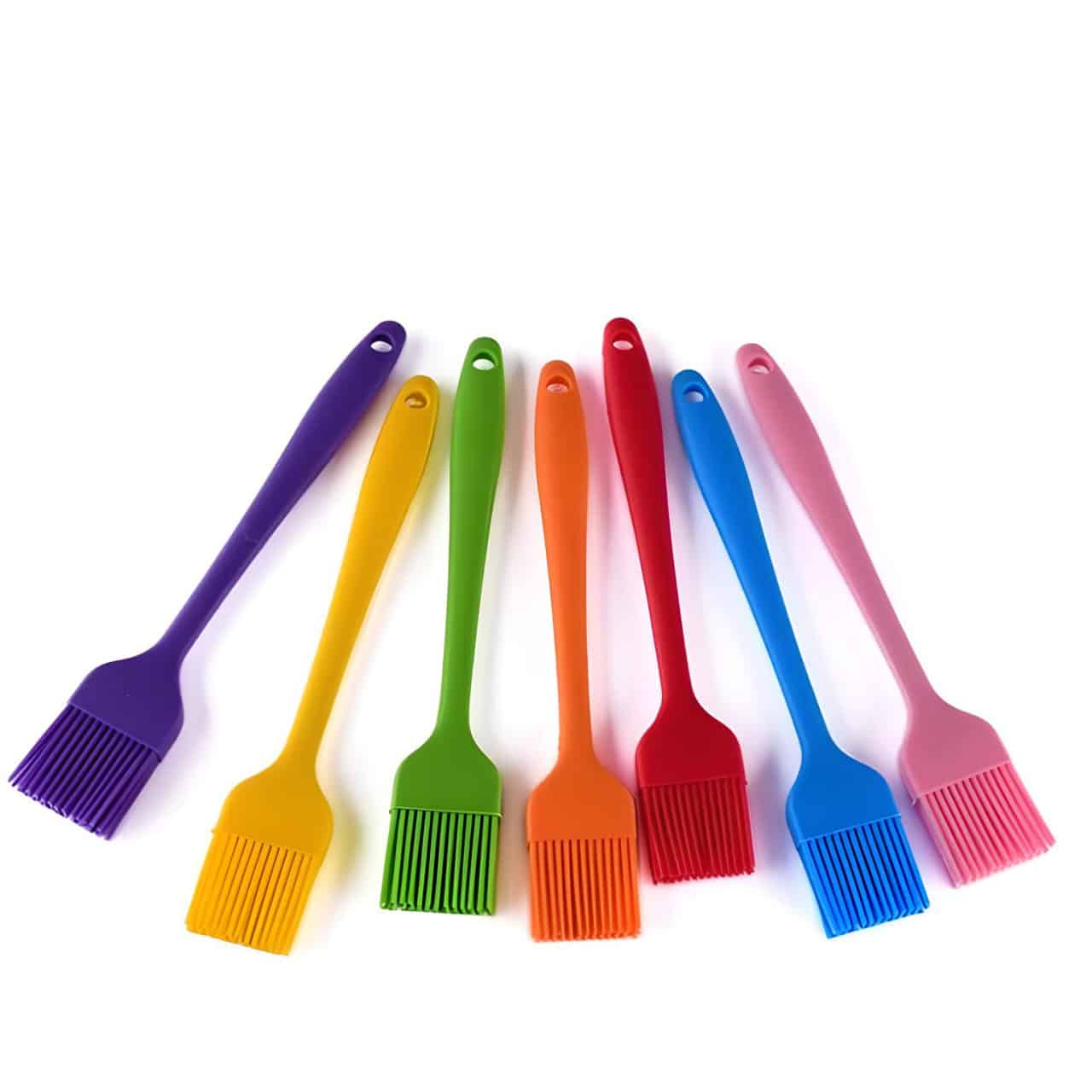 Reusable Silicone Resin Brush for Epoxy Art and Wood Applications£3.62The Reusable Silicone Resin Brush is designed for epoxy art and wood applications with easy cleaning for repeated use.
Frequently Asked Questions
Can you use isopropyl alcohol to clean resin surfaces?
Pure isopropyl alcohol is safe for most cured resin and removes grease or ink, but always test a small spot first.
How do you polish cloudy resin clear again?
Use a dedicated epoxy polish and soft cloth, working in circular motions to restore gloss without causing scratches.
Is a natural degreaser safe for resin items?
A plant-based, solvent-free degreaser is suitable for most epoxy resin objects. Avoid strong solvents to prevent damage.
Which tools are best for cleaning detailed resin objects?
Use a reusable silicone brush or a soft microfibre cloth to carefully reach into crevices without scratching the surface.
How do you prevent scratches on resin when cleaning?
Avoid abrasive pads and only use soft, clean cloths or brushes in gentle motions to maintain the surface integrity.
Can bleach be used on resin objects?
No, bleach and harsh chemicals may cloud, weaken, or discolour resin and are not recommended.