 Free shipping on orders over £29,85
  Shipping Tracking!


 Google
 Facebook
← Back to How do you bleach resin?
Maintaining the clarity and finish of your resin projects is important for both visual appeal and longevity. When it comes to cleaning, some methods do more harm than good – especially the idea of using chlorine bleach.
Why Avoid Chlorine Bleach on Resin?
Applying chlorine bleach to cured resin may seem like a quick way to disinfect or remove stains, but it comes with serious drawbacks. Chlorine bleach is a harsh chemical that can cloud, discolour, or degrade resin surfaces. Rather than restoring clarity, bleach often leaves behind a milky haze or even surface pitting, reducing the overall quality of your work. If you want your resin projects to remain glossy and pristine, it’s best to keep bleach away entirely.
Safe Alternatives for Cleaning and Polishing Resin
To keep resin creations looking their best, opt for mild, non-abrasive cleaning methods. Use a soft cloth dampened with gentle soap and lukewarm water to wipe away dust or light stains. For stuck-on residue, try a mixture of water and white vinegar, always testing on a small area first. If your resin surface is scratched or slightly dulled, fine automotive polish or specialised resin polish applied with a microfibre cloth can often restore shine without risk of damage.
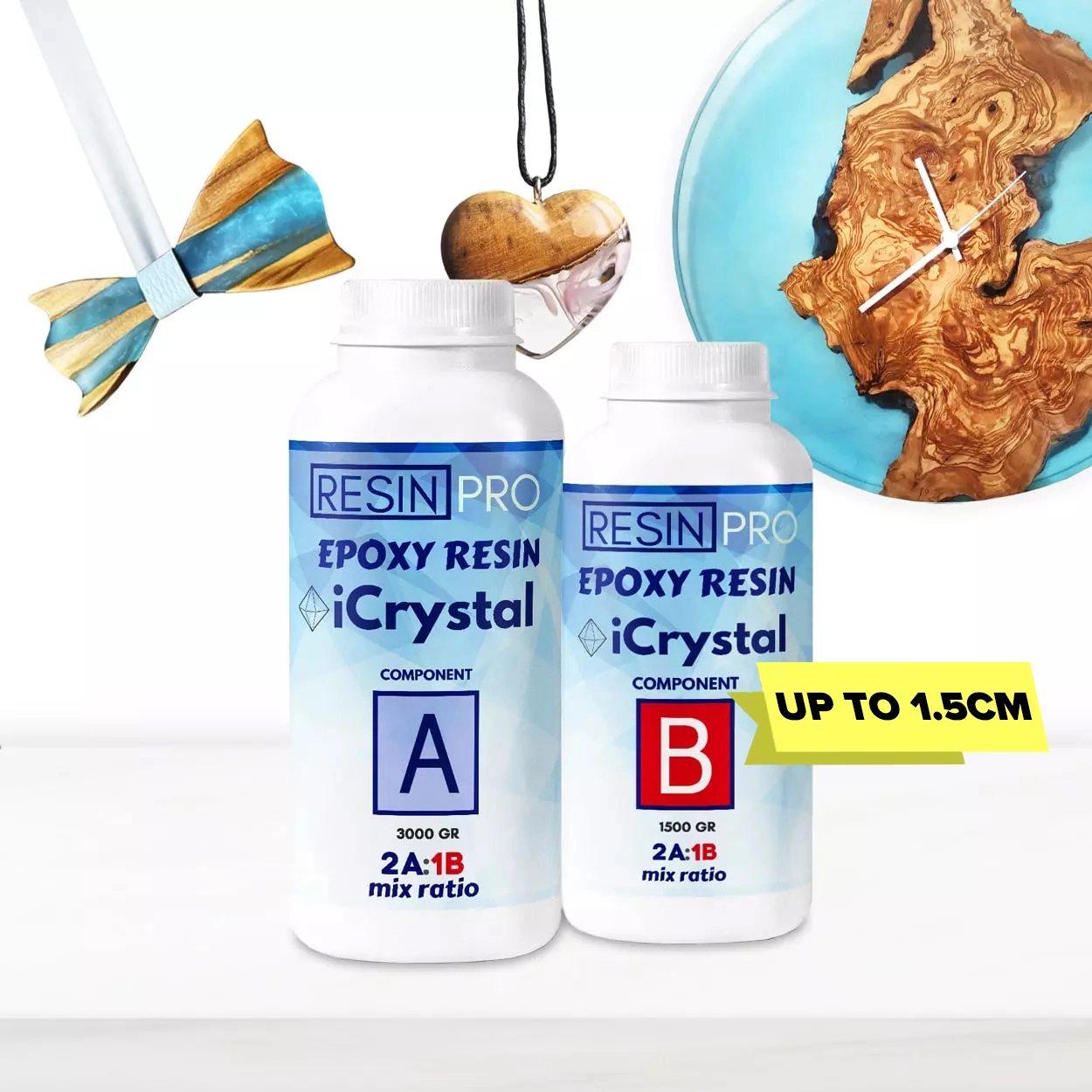
If you’re working with transparent projects, such as those made from iCrystal Epoxy Resin, preserving clarity is crucial – meaning harsh chemicals like bleach are a definite no.
When This Matters Most
It’s especially important to avoid bleach when cleaning tabletops, art pieces, or jewellery where clarity, smoothness and colour are priorities. Soft cleaning methods not only maintain the look but also extend the life of your resin items, keeping them bright and attractive for years to come.
Related products
Related guides
For more tips on caring for your resin projects and protecting their clarity, visit our main advice hub: How do you bleach resin?