 Free shipping on orders over £29,85
  Shipping Tracking!


 Google
 Facebook
← Back to How do you use epoxy fiberglass resin?
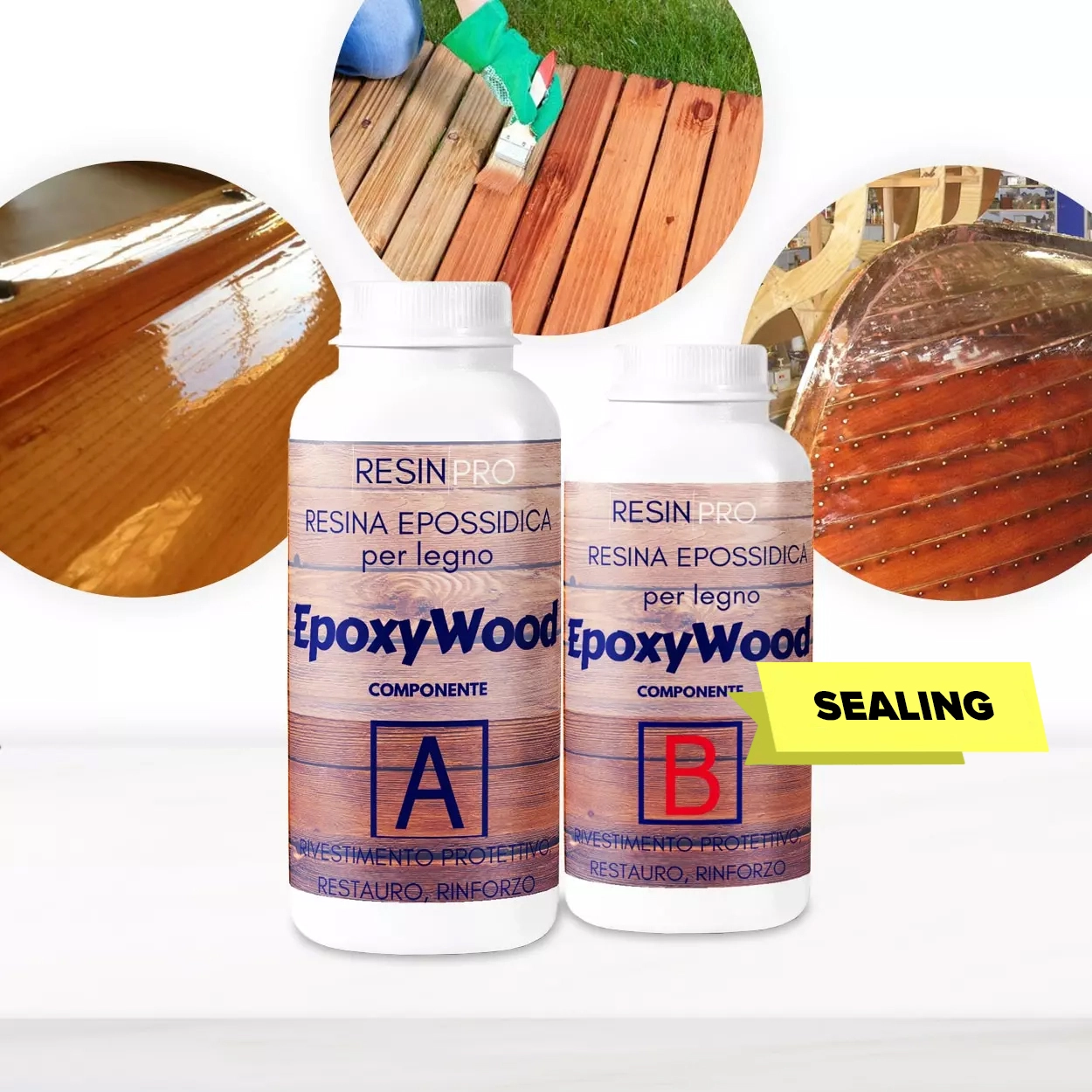
Ensuring that epoxy resin deeply penetrates wood pores is vital for restoration, structural reinforcement, and waterproofing projects. The right approach and materials make a substantial difference to the long-term integrity and finish of wood surfaces.
Why Deep Penetration Matters
Deep penetration allows epoxy resin to reinforce weakened or aged wood from within, binding fibres and preventing future damage from moisture or deterioration. This is particularly important when restoring furniture, boat hulls, or outdoor wooden structures that require both strength and resistance to the elements.
Choosing the Right Epoxy Resin
For maximum absorption, select an epoxy resin specifically designed for wood restoration with ultra-low viscosity. Products like “EpoxyWood” are expertly formulated to flow into the smallest pores, yielding a thorough seal and notable structural update. Look for solvent-free formulations and those enhanced with waterproofing characteristics, as these help to protect wood for years to come. Avoid resins with high build thickness if your primary goal is penetration rather than surface coating.
Practical Guidance for Best Results
- Surface Preparation: Sand wood thoroughly and ensure it is completely dry before application to maximise resin uptake.
- Application Tips: Use a brush or roller to apply the resin, allowing it to soak in and replenish as necessary. Multiple coats may be required for porous or damaged areas.
- Curing: Allow the resin to cure fully according to the manufacturer’s guidance before any further finishing or use.
When Deep Penetration is Essential
Opt for deep-penetrating epoxy when repairing rotten wood, sealing outdoor structures, or any time you need to strengthen wood fibres rather than add only a surface finish. This approach is also ideal before fibreglass overlays or additional coatings.
Related products
Related guides
Mastering deep epoxy penetration into wood ensures your projects are both beautiful and built to last. For further methods and resin application tips, visit our hub on how to use epoxy fibreglass resin.