 Free shipping on orders over £29,85
  Shipping Tracking!


 Google
 Facebook
← Back to How is polyolefin resin obtained?
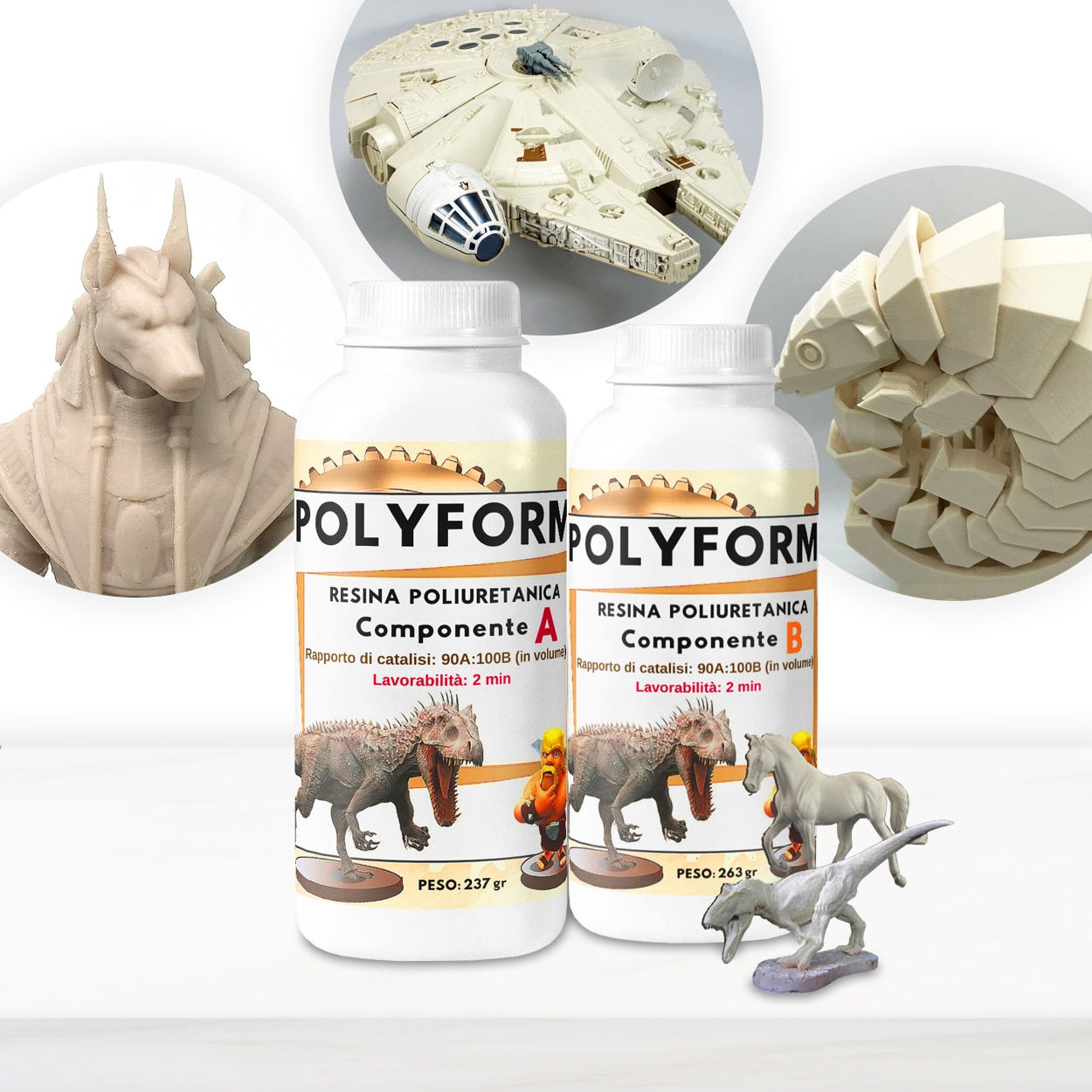
Casting resins are valued in prototyping, crafts, and model making for their remarkable ability to reproduce fine textures and details from moulds. The choice of resin and its properties directly affect how well intricate features are captured.
What Enables High Detail Capture?
The primary reason certain casting resins capture fine details so effectively is their high fluidity before curing. Products like Polyform polyurethane casting resin are engineered to flow into even the smallest recesses of silicone moulds. This minimises air pockets and ensures the resulting cast retains crisp lines and surface textures present in the original master model. In addition, fast curing times help preserve detail before the resin has a chance to settle or spread unevenly.
Practical Tips for Detailed Castings
- Choose the right resin: Highly fluid polyurethane systems such as Polyform or IWhite are ideal for precision work, whether you are replicating figurines, miniatures, or intricate prototypes.
- Prepare your mould: Start with a clean, well-made silicone mould to ensure no imperfections are transferred to your casting. Products like isopropyl alcohol can help clean the surfaces before use.
- Mix carefully: Adhere to recommended mixing ratios and blend parts thoroughly to avoid unmixed spots that could disrupt the finish.
When This Matters
High-fidelity detail capture is essential for miniatures, product prototypes, and any application where the finished piece’s surface quality is a top priority. In these contexts, opting for a well-formulated, fast-curing casting resin makes all the difference in the outcome.
Related products
Related guides
Paying attention to your resin choice and mould preparation yields sharply detailed results, which is crucial in prototyping workflows and creative projects. Learn more about material selection and processes by exploring other FAQs on polyolefin resins and casting solutions.