 Free shipping on orders over £29,85
  Shipping Tracking!


 Google
 Facebook
How is polyolefin resin obtained?
Understanding processes, resin types, and ideal applications
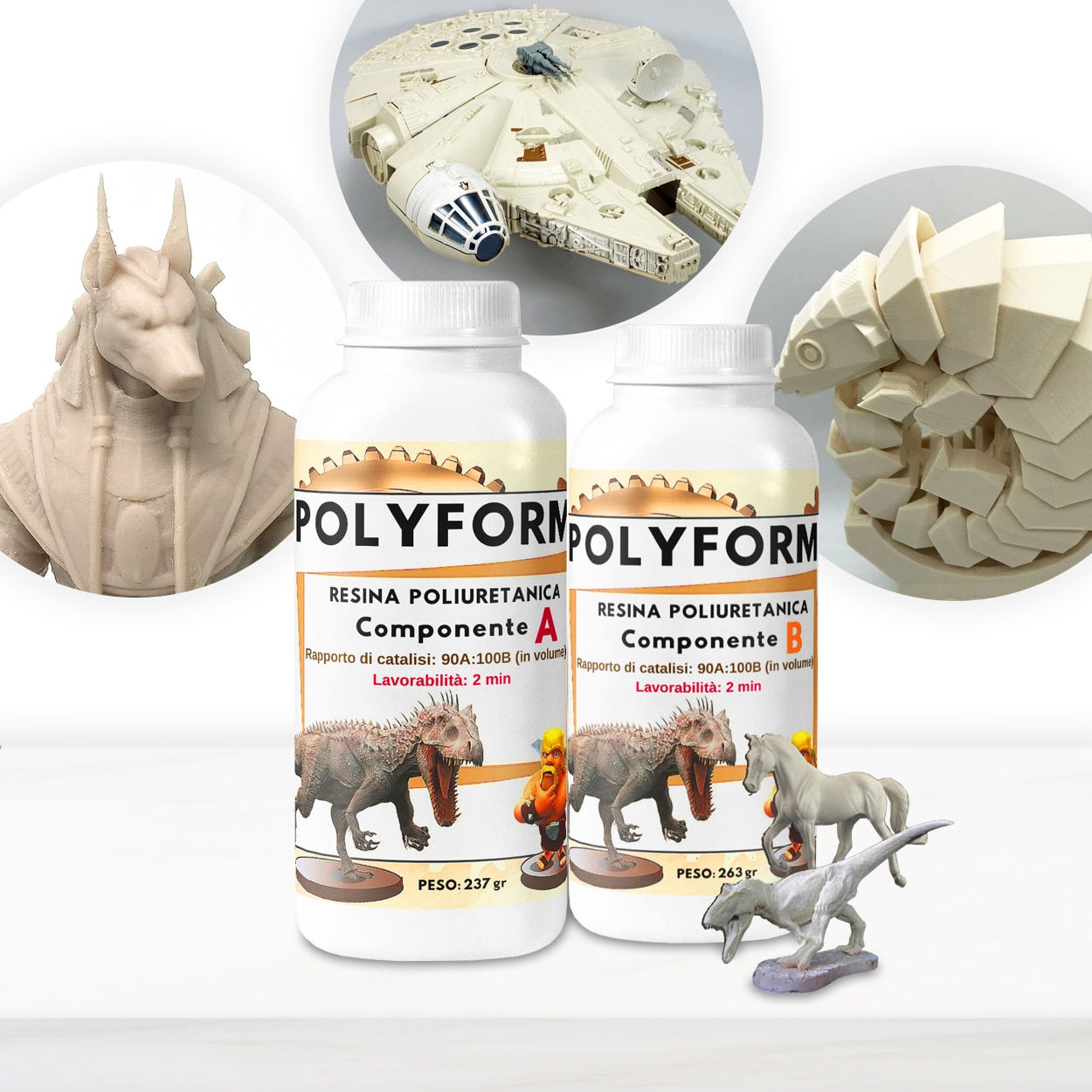
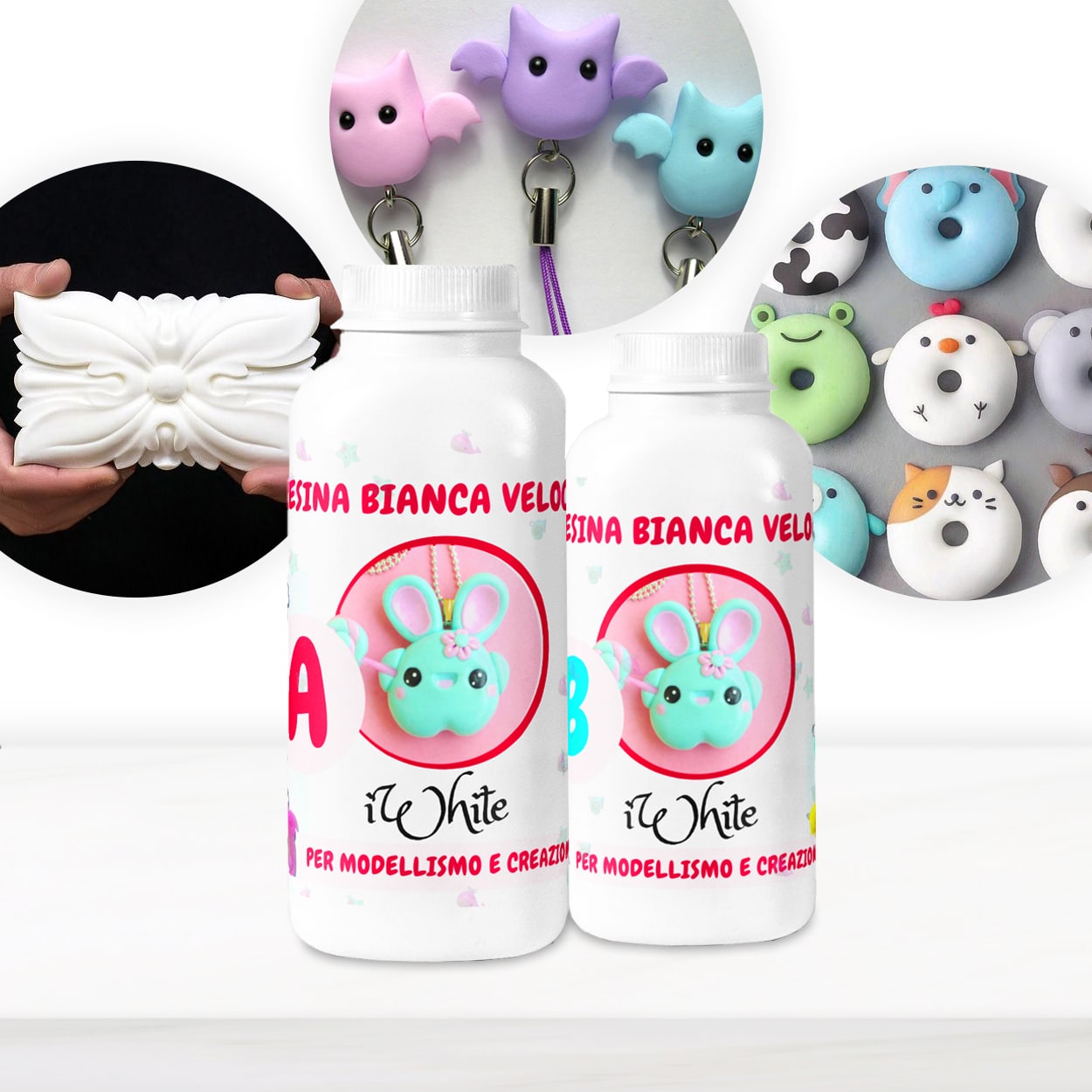
Polyolefin resins play a crucial role in many industries, serving as the backbone for products that require durability, flexibility, and chemical resistance. This page breaks down how polyolefin resins are obtained, how they differ from other types like polyurethane and epoxy, and what that means for creators, model makers, and professionals choosing the right material for their specific project.
Overview: Polyolefin Resin Production and Comparisons
Polyolefin resins are a class of thermoplastics derived by the polymerisation of olefins such as ethylene and propylene. The process involves converting small monomer molecules into long-chain polymers, resulting in versatile materials. This differs fundamentally from polyurethane and epoxy systems, which cure through chemical reactions involving two or more reactive components. Polyolefins like polyethylene and polypropylene are produced on an industrial scale, valued for their flexibility and chemical resistance, but are rarely used as casting resins. In contrast, polyurethane casting resins—such as Polyform – Polyurethane Casting Resin – Beige and IWhite – Polyurethane Casting Resin – White—are engineered for fast, precision casting in prototyping. Epoxy systems, exemplified by Carbon Resin – Epoxy Resin for Carbon Fiber & Fiberglass Coating, excel in technical applications requiring high strength and adhesion.
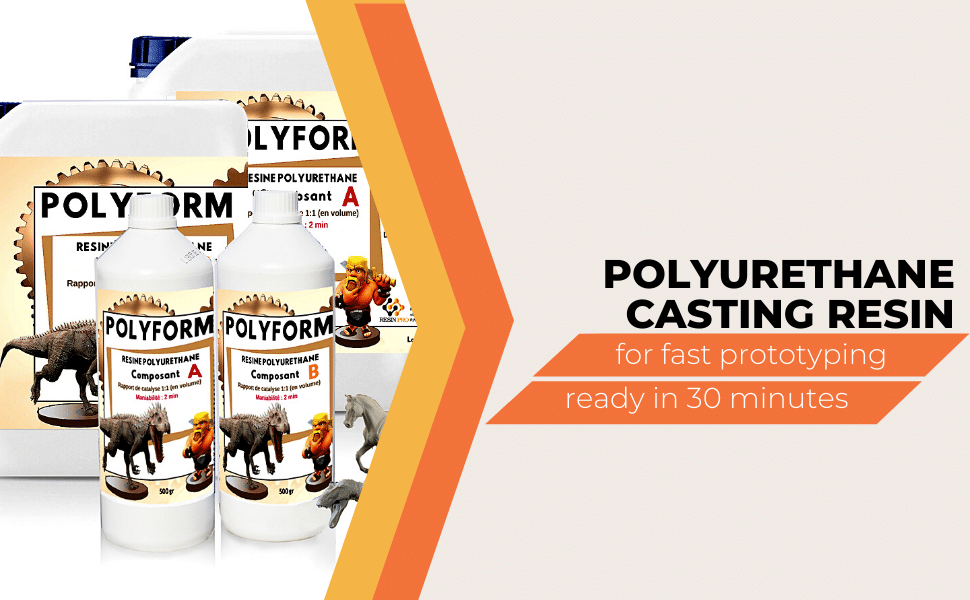
Visualising Polyolefin and Resin Production
Visualising resin production helps in understanding why each type is suited to specific tasks. Industrial-scale reactors create polyolefins, while polyurethane and epoxy resins are blended or mixed just before casting. The visual differences in resins can often be seen in their colour, clarity, and setting behaviour, which influence the choice for each application.
Polyform – Polyurethane Casting Resin – Beige for Rapid Prototyping
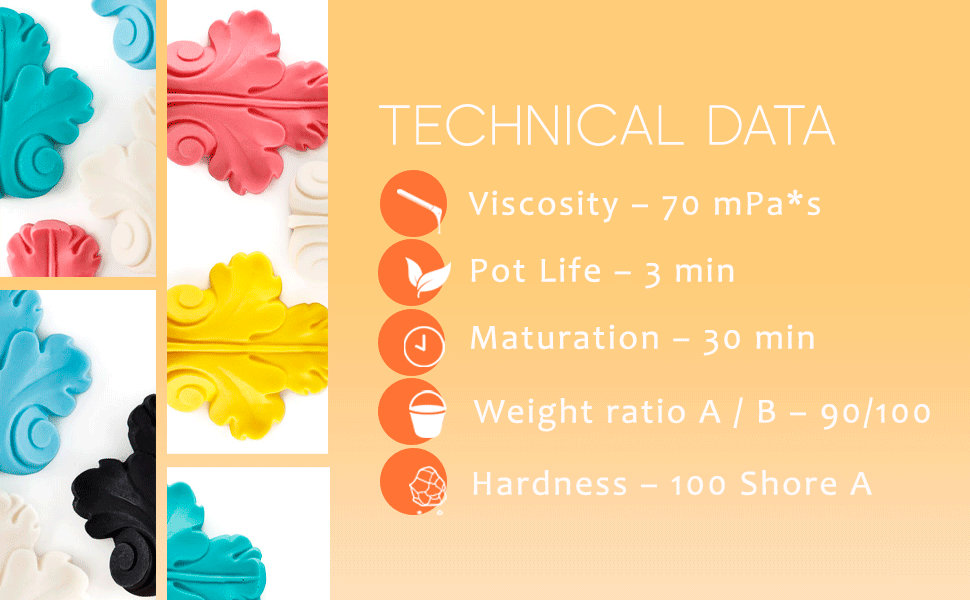
The Polyform – Polyurethane Casting Resin – Beige is tailored for rapid prototyping, model making, and small series production. Its Fast setting: properties (curing in about 5 minutes and demould ready in 30) make it extremely efficient for professionals needing quick turnarounds. With excellent High fluidity:, it captures intricate details in silicone moulds, and once set, it becomes Non-toxic: and robust, making it a safe and reliable choice. This resin is well-suited to industrial designers and model makers focused on creating precise prototypes where time and detail matter.
IWhite – Polyurethane Casting Resin – White for Detailed Casting
IWhite – Polyurethane Casting Resin – White is a fast-curing, highly fluid polyurethane resin system, perfect for capturing fine details in handcrafted models and rapid prototyping. Unlike basic polyolefin resins, this two-part polyurethane can be Colourable and paintable both when liquid and after curing, allowing further customisation for modellers and artists. Its versatility and Captures fine details ability make it an excellent choice for professionals and hobbyists seeking flexibility and rapid results.
Carbon Resin – Epoxy Resin for Technical Applications
Epoxy resins, such as Carbon Resin – Epoxy Resin for Carbon Fiber & Fiberglass Coating, are not polyolefins—they cure through a different chemical process. However, they stand out for composite manufacturing and coatings thanks to their High impact resistance and ability to provide a flawless, glossy finish on technical fabrics like carbon fibre and fibreglass. The Easy application with smooth impregnation supports complex engineering and modelling demands where polyolefin would not suffice.
Pure Isopropyl Alcohol 99.9% for Resin Project Preparation
Isopropyl alcohol, while not a casting resin, is invaluable in preparing moulds, removing air bubbles from resin mixes, and cleaning electronics. The Pure Isopropyl Alcohol 99.9% – 1000ml Bottle for Epoxy Resin Projects & DIY supports the resin casting process by ensuring clean, residue-free surfaces, allowing your chosen casting or coating resin to perform at its best.
Choosing the Right Resin: Project, Properties, and Safety
When selecting a resin, consider the core properties your project demands—such as flexibility, cure time, strength, surface finish, and ease of handling. Polyolefins are preferred for mass-produced plastic components, while polyurethane casting resins like Polyform and IWhite provide speed and detail for prototyping. Epoxy resins excel in applications requiring strength and chemical adhesion, including composites and coatings. Remember to always follow recommended safety precautions, especially with reactive polyurethane or epoxy systems, and prepare all surfaces with care for professional results.
Applications and Surfaces for Technical Resins
Project type and surface material are crucial in selecting a resin. Polyurethane resins handle complex moulds and fast cycles for model making, whilst epoxy resins bond strongly to technical fabrics and composite assemblies. Always match your resin choice to your intended use-case and material compatibility for the best outcome.
- “Polyform” – Polyurethane Casting Resin, Beige, Fast-Setting for PrototypingPrice range: £15.95 through £141.95“Polyform” polyurethane casting resin offers fast curing and high detail for prototyping in beige finish.
- “IWhite” – Polyurethane Casting Resin – White, Fast-Curing Two-Part SystemPrice range: £24.00 through £36.95IWHITE White Polyurethane Casting Resin is a fast-curing, fluid two-part system suitable for rapid prototyping and detailed casting.
 "Carbon Resin" – Epoxy Resin for Carbon Fiber & Fiberglass CoatingPrice range: £19.95 through £37.95Epoxy resin designed for composites offering reliable impregnation and durability with a glossy finish, suitable for technical fabric work.
 Pure Isopropyl Alcohol 99.9% – 1000ml Bottle for Epoxy Resin Projects & DIYPrice range: £10.45 through £20.95Isopropyl alcohol 99.9% pure assists with epoxy resin projects by removing bubbles and supporting creative resin effects.
Frequently Asked Questions
What is polyolefin resin made from?
Polyolefin resin is made from the polymerisation of olefins like ethylene or propylene, creating long-chain thermoplastic polymers.
How does polyolefin resin differ from polyurethane or epoxy?
Polyolefin resins are thermoplastics, while polyurethane and epoxy resins cure by chemical reaction and offer different application benefits.
Can I use polyolefin resin for casting models?
Polyolefin resin is not typically used for casting models; polyurethane and epoxy are preferred for fast, detailed results.
Is polyolefin resin safe to handle?
Polyolefin is generally safe once processed, but always handle raw chemicals according to manufacturer guidance.
What types of projects use polyurethane casting resin?
Rapid prototyping, precision model making, and small batch production often use polyurethane casting resins.
What are the main benefits of epoxy compared to polyurethane?
Epoxy resin offers higher strength and adhesion; polyurethane sets faster and is ideal for capturing fine details.