 Free shipping on orders over £29,85
  Shipping Tracking!


 Google
 Facebook
← Back to How is the resin applied to the pantograph engraving?
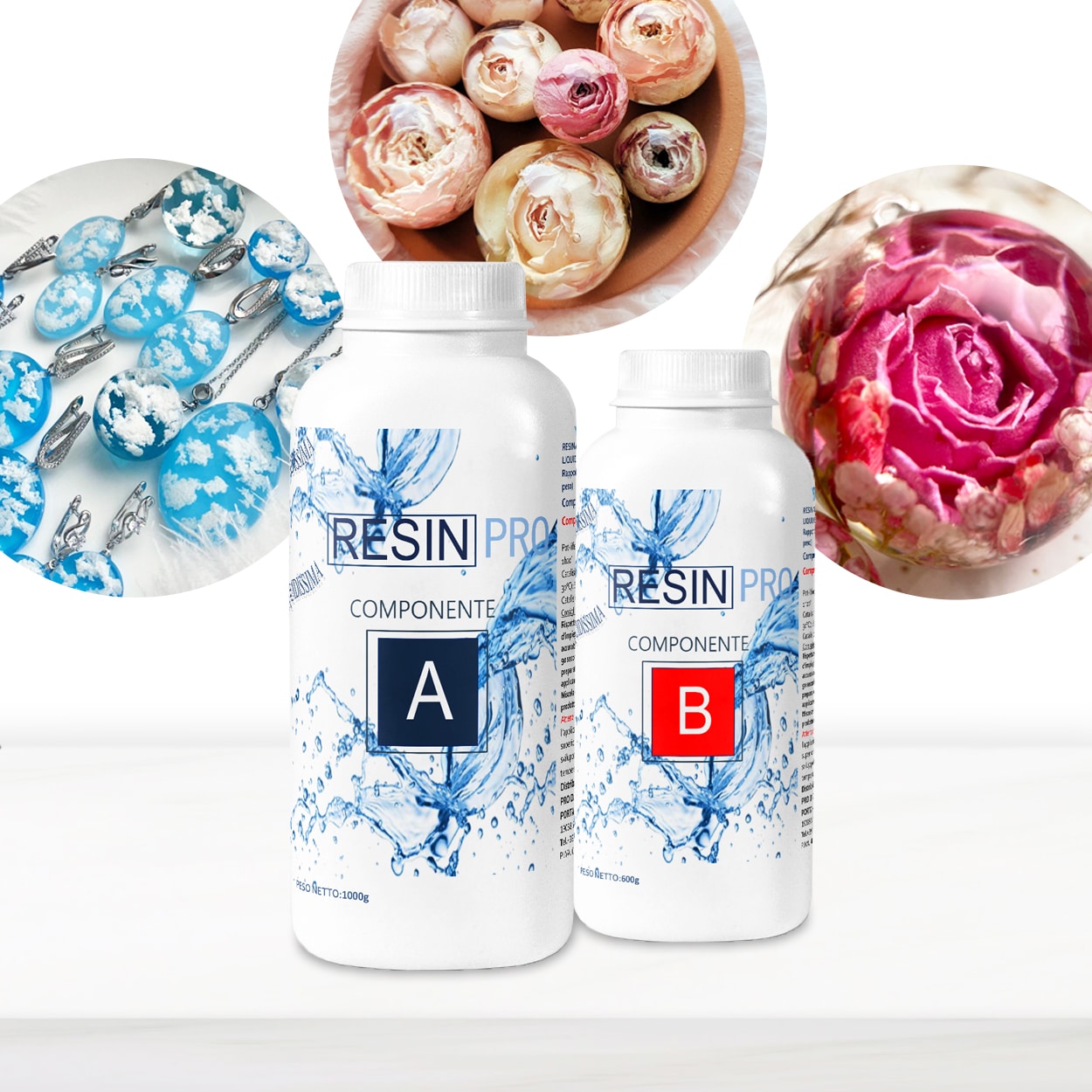
Choosing and mixing the right resin is essential for successfully filling pantograph engravings. The right product and preparation method can determine the level of detail and clarity of your finished piece.
Selecting the Ideal Resin
For pantograph engravings, opt for a resin that offers high transparency, low viscosity and minimal air bubbles. This ensures that the resin flows easily into intricate designs without traps or imperfections. For example, “Liquidissima” Epoxy Resin provides excellent flow, clarity, and a longer working time — ideal for detailed applications.
Preparing and Mixing Resin Correctly
Always measure the resin and hardener accurately, following the manufacturer’s recommended ratio. Mix thoroughly but gently to avoid introducing air bubbles. For UV resins like “Fairy Wings”, direct mixing isn’t required and you can start application immediately. When using two-component resins, pour slowly and mix until the blend is clear and streak-free for the best results.
Application Tips for Engraving Fills
Apply the resin in thin layers—especially when intricate details are involved. Use a tool like a notched spatula to spread resin evenly and avoid pooling. For UV-curable products, cure each thin layer under a UV lamp before adding the next to build depth without distortion. Ensuring even coverage helps achieve a flawless finish that highlights the engraved details.
When This Matters
Careful resin choice and mixing are critical when your design features fine reliefs or needs exceptional clarity—such as personalised jewellery or custom art. The right product and technique preserve each detail and enhance visual impact.
Related products
Related guides
Selecting and mixing the right resin sets the foundation for top-quality pantograph engraving fills. For more on resin application and engraving techniques, explore our dedicated guide on how resin is applied to pantograph engraving.