 Free shipping on orders over £29,85
  Shipping Tracking!


 Google
 Facebook
How is epoxy resin applied to wood?
Step-by-step guide for a durable, smooth wooden finish

Applying epoxy resin to wood transforms dull or weathered timber into a resilient, glossy, and waterproof surface. Whether you are restoring furniture, sealing wooden countertops, or creating a river table, effective application is key for a professional-looking result. This comprehensive guide walks you through preparation, mixing, application, and finishing techniques so your wooden project lasts for years.
What You’ll Need
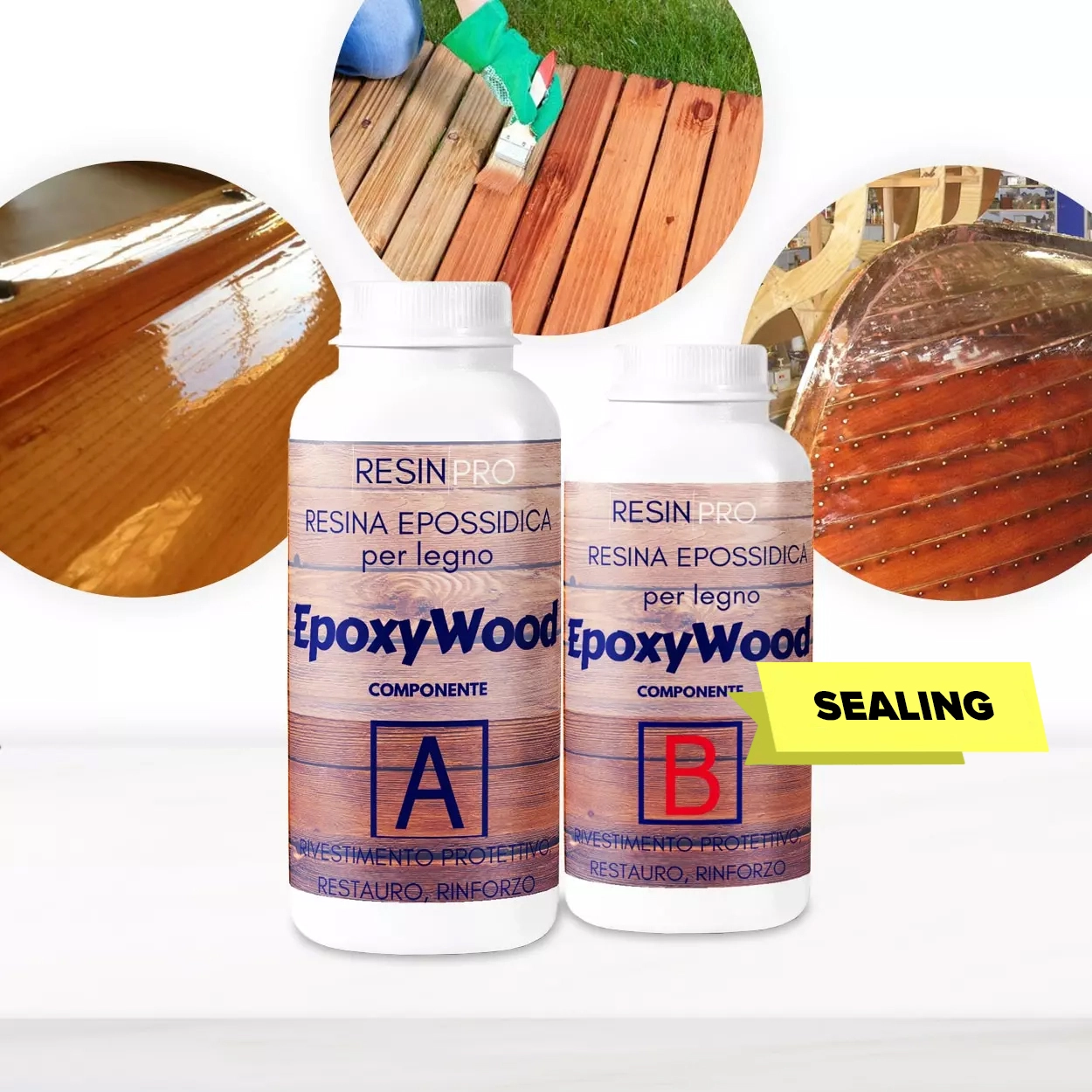
- “EpoxyWood” – Wood Restoration Epoxy Resin for Deep Penetration and Waterproofing: A solvent-free, deeply penetrating resin for reinforcing and waterproofing.
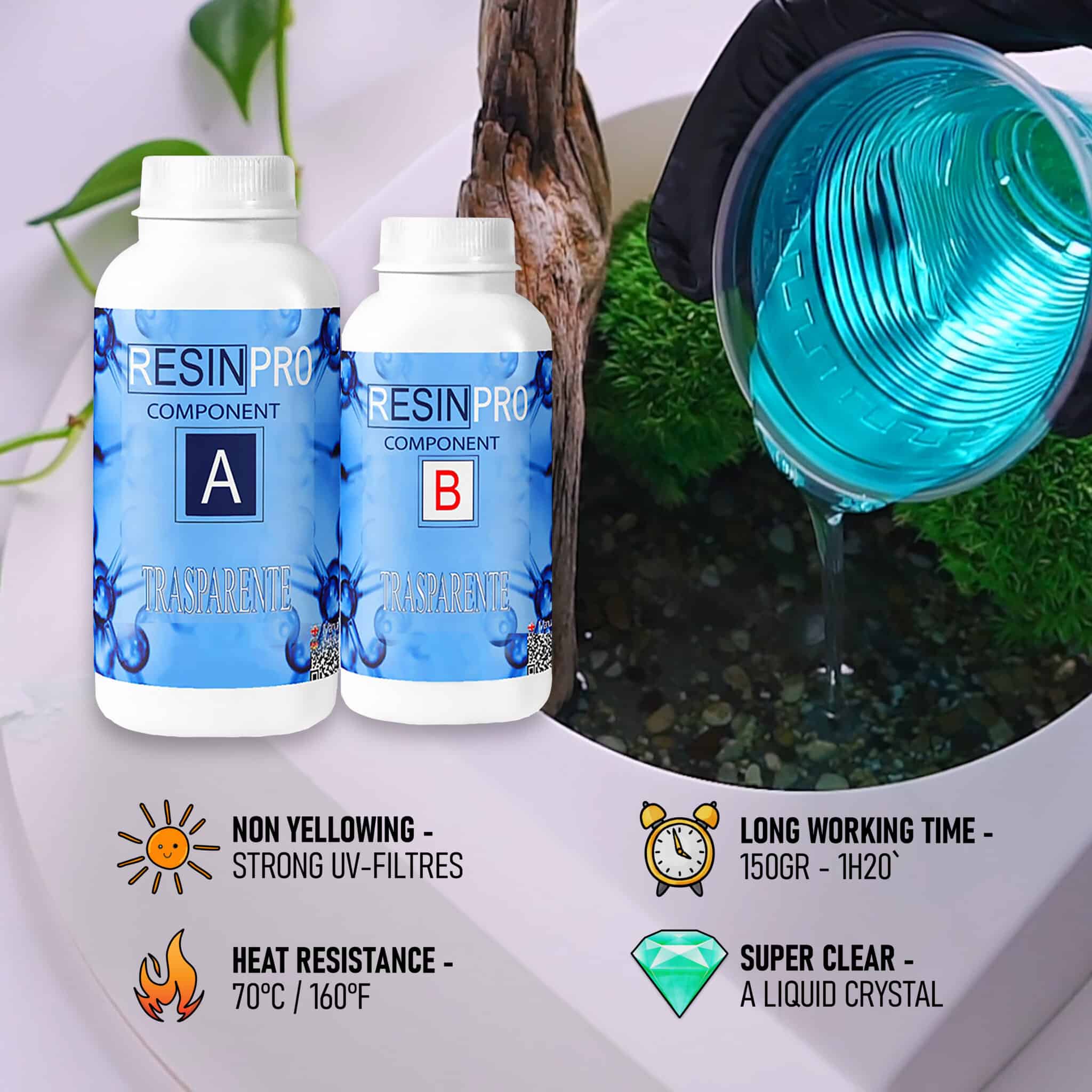
- “Trasparente” – Multipurpose Clear Epoxy Resin for Casting – Up to 2cm: For clear, glossy pours up to 2cm thick.
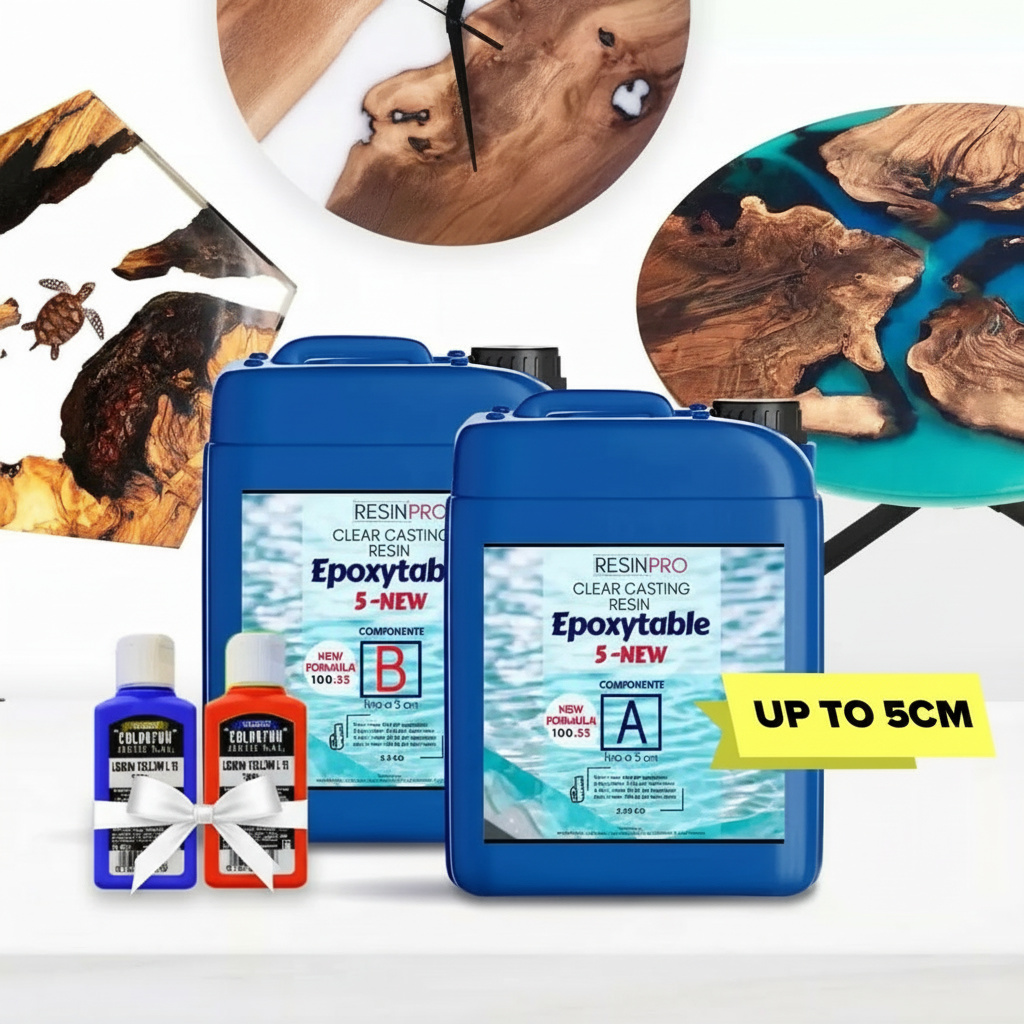
- “EpoxyTable 5-Five” – Deep Pour Epoxy Resin for Tables and Large Projects – Up to 5cm: Best for thick pours and table projects up to 5cm.
- “Epoxytable 10-Ten” – Deep Pour Epoxy Resin for Tables, Up to 10cm Casting: Ideal choice for super-deep castings up to 10cm.
- Sanding paper (various grits)
- Mixing containers and sticks
- Gloves and safety goggles
- Plastic drop sheet or protection for workspace
- Masking tape (for edges)
Workspace Preparation and Project Examples
A well-prepared workspace dramatically improves your results. Lay down protective sheets and organise your tools before starting. Many successful projects—such as river tables, garden benches, or weatherproof timber counters—start with thorough preparation. Take inspiration from completed works to visualise your own finish.

Step 1: Prepare the Wooden Surface
Ensure your workspace is clean, well-ventilated, and dust-free to maintain the quality of your finish. Remove all hardware and clean the wood thoroughly to remove oil, dirt, or previous finishes. Sand the wood gradually with fine sandpaper, working with the grain for a smooth, even surface. Wipe away dust with a tack cloth.
Do not rush surface prep; trapped moisture or dust cause adhesion problems. Allow sufficient drying time if the wood has been cleaned with water. Mask off any areas you do not want covered in resin with tape to create sharp edges.
Step 2: Mix the Epoxy Resin Properly
Choose your epoxy resin based on the project depth and requirements. For repair and deep fibre reinforcement, “EpoxyWood” – Wood Restoration Epoxy Resin for Deep Penetration and Waterproofing is ideal due to its low viscosity and excellent penetration into wood pores. For clear finishes or thicker applications, select “Trasparente,” “EpoxyTable 5-Five,” or “Epoxytable 10-Ten” according to the intended pour depth.
Follow the manufacturer’s mix ratio precisely. In a clean container, pour in the resin and hardener. Always mix resin and hardener thoroughly, scraping the sides and base to ensure a homogenous mixture. Mixing for the recommended time is essential to avoid tackiness or incomplete curing.
Step 3: Apply the Epoxy to the Wood
Pour the prepared epoxy mixture over the wood. Pour slowly to reduce bubbles and achieve even coverage. For flat surfaces, a notched spreader or brush will help distribute the resin. Carefully work the resin into corners and edges. If the piece is vertical, use a brush to prevent drips. For best penetration of fibres, especially when sealing or repairing, use EpoxyWood and allow time for it to seep into the grain before applying subsequent coats.
Work in thin layers for optimum bubble release and curing, especially for deep pour projects such as tables using EpoxyTable 5-Five or Epoxytable 10-Ten. Wait for previous layers to gel before adding the next if needed.

Step 4: Finishing, Sanding, and Polishing
Once the resin has cured fully (refer to product timings), assess the surface. Remove masking tape while the resin is still slightly tacky for clean lines. If a second coat is needed, lightly sand the cured surface for adhesion, wipe off dust, and apply again as before.
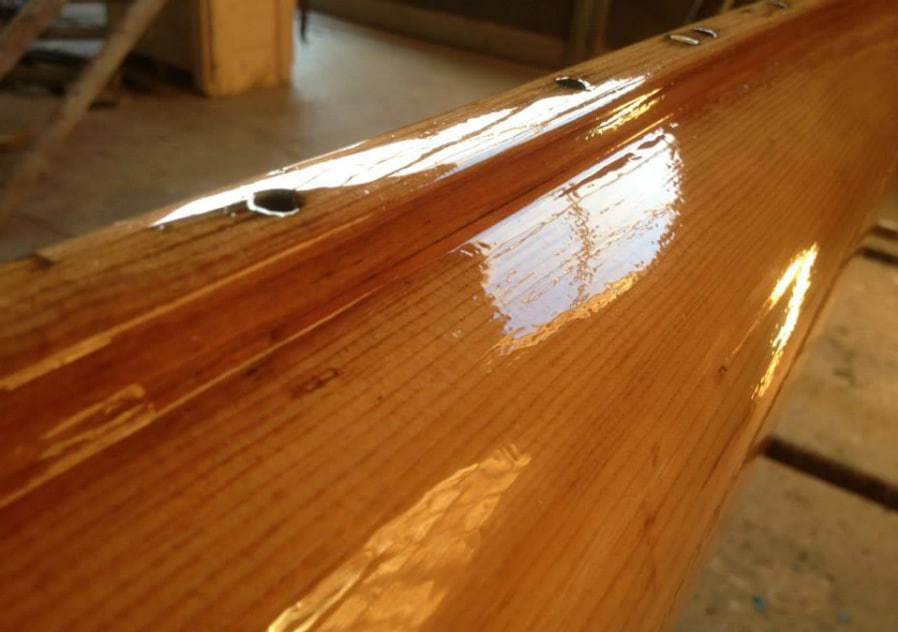
For a flawless finish, progressively sand through finer grits and polish the surface, if clarity is desired. A quality polishing compound will restore gloss if needed, particularly for clear resins such as “Trasparente”.
Tips, Common Mistakes and Troubleshooting
Wear gloves and protective gear throughout—epoxy can irritate skin and eyes. Avoid working in humid or cold environments as this can affect curing and final finish. Always check for potential leaks under your project, especially for thick pours, and seal the wood well if it is very porous.
If bubbles appear, gently pass a heat gun over the surface after pouring. Do not overheat. Uneven curing often signals incorrect mixing or environmental issues. If sticky spots or amine blush develop, sand back and recoat as advised by the product instructions.
Avoiding Pitfalls: From Pour to Perfection
Attention to detail at each step is key for a beautiful resin finish. Small lapses—such as under-mixing or rushing cure times—can impact your result. Study the product labels and follow advice for layer thickness, working time, and polishing to avoid common issues and enjoy a long-lasting, professional look on your wooden surfaces.
- "EpoxyWood" – Wood Restoration Epoxy Resin for Deep Penetration and WaterproofingPrice range: £27.95 through £41.95EpoxyWood is designed for wood restoration with deep penetration and waterproofing, suited for careful repair and protection of wooden surfaces.
- "Trasparente" – Multipurpose Clear Epoxy Resin for Casting – Up to 2cmPrice range: £8.95 through £397.95"Trasparente" offers an ultra-clear, scratch-resistant epoxy resin with a self-levelling finish for woodworking and related projects.
- "EpoxyTable 5-Five" – Deep Pour Epoxy Resin for Tables and Large Projects – Up to 5cmPrice range: £17.95 through £1,154.95EpoxyTable 5-Five epoxy resin is designed for deep pouring on tables and large projects with low viscosity and strong UV resistance.
 “Epoxytable 10-Ten” – Deep Pour Epoxy Resin for Tables, Up to 10cm CastingPrice range: £35.95 through £351.95“Epoxytable 10-Ten” is designed for deep pour applications, suitable for wood tables and large artistic castings up to 10cm thick.
Frequently Asked Questions
Can I seal outdoor wood with epoxy resin?
Yes, epoxy resin is excellent for sealing and protecting outdoor wood from moisture and UV, provided the wood is dry and application guidelines are followed.
Which epoxy resin should I use for table thickness?
Use EpoxyTable 5-Five for pours up to 5cm; for super-thick applications up to 10cm, choose Epoxytable 10-Ten.
How do I fix mistakes in my epoxy resin finish?
Lightly sand any uneven or sticky areas, remove dust, and recoat using the correct resin mixture and technique.
Why has my resin not cured properly?
Improper mixing ratios, low temperatures, or high humidity can cause incomplete curing. Always measure accurately and work in a suitable environment.
How can I remove bubbles from epoxy?
After pouring, use a heat gun or blowtorch swept lightly over the surface to release trapped air.
Can I paint over epoxy resin on wood?
Yes, once fully cured, epoxy can be painted with most paints. Lightly sand for good paint adhesion.
What safety precautions should I take when working with epoxy resin?
Always wear gloves, goggles, and work in a ventilated area to avoid skin and respiratory irritation.