 Free shipping on orders over £29,85
  Shipping Tracking!


 Google
 Facebook
← Back to How to Use Resin on Wood?
Proper preparation of wood surfaces is key to ensuring a smooth, professional result when working with resin. Sanding and cleaning are the foundation steps for any successful project.
Why Preparation Matters
Wood is naturally porous, which means dust, oils, and rough fibres can interfere with how well resin sticks. By thoroughly sanding and cleaning the surface, you enhance adhesion, reduce the risk of bubbles, and promote an even, clear finish. Skipping this stage can result in dull patches or poor bonding between the resin and wood.
Step-by-Step Guide: Sanding and Cleaning
- Sanding: Start with medium-grit sandpaper (around 120–150 grit) to smooth rough areas. Work your way up to a finer grit (220 or above) for a buttery finish. Always sand in the direction of the wood grain for best results.
- Cleaning: After sanding, remove all dust with a vacuum or soft brush. Wipe the surface using a damp, lint-free cloth or tack cloth to eliminate tiny debris. Allow the wood to dry completely.
- Check for Contaminants: Make sure there are no oils, glue spots, or fingerprints left behind, as these could affect the resin’s clarity and bonding.
Practical Tips for Resin Application
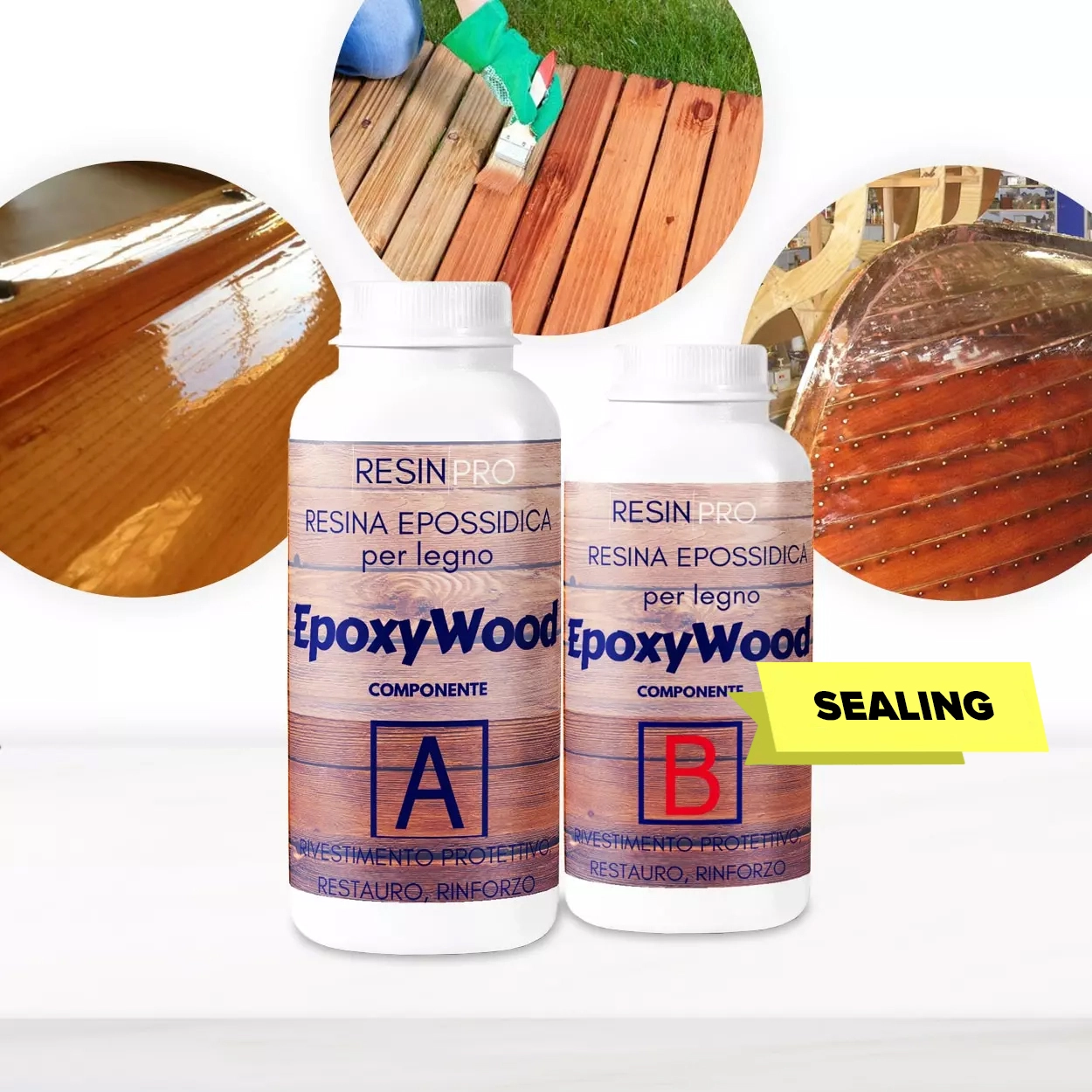
Once the wood is clean and dry, a sealing coat of resin, such as EpoxyWood, can help to reinforce the surface and lock out moisture. Apply this thin layer before your main pour for the best finish. Take care to work in a dust-free environment and allow the sealer to cure as recommended before moving to thicker layers.
When This Matters Most
Thorough sanding and cleaning are particularly important for pieces that will be used outdoors or are expected to last for years, such as restored furniture or tables. Meticulous preparation prevents later problems like cloudiness, peeling, or water damage.
Related products
Related guides
By investing a little extra time in surface prep, you’ll ensure your resin projects not only look exceptional but also perform as they should. For more in-depth guidance, visit our main guide on how to use resin on wood.