 Free shipping on orders over £29,85
  Shipping Tracking!


 Google
 Facebook
How to Use Resin on Wood?
A practical step-by-step guide for stunning, lasting results
Transforming wood with resin can revitalise surfaces, enhance durability, and create remarkable statement pieces. Whether you’re restoring a beloved item or making a unique table, correct application of resin ensures a long-lasting and beautiful finish. This guide covers every step needed to achieve professional results on wood.
What You’ll Need
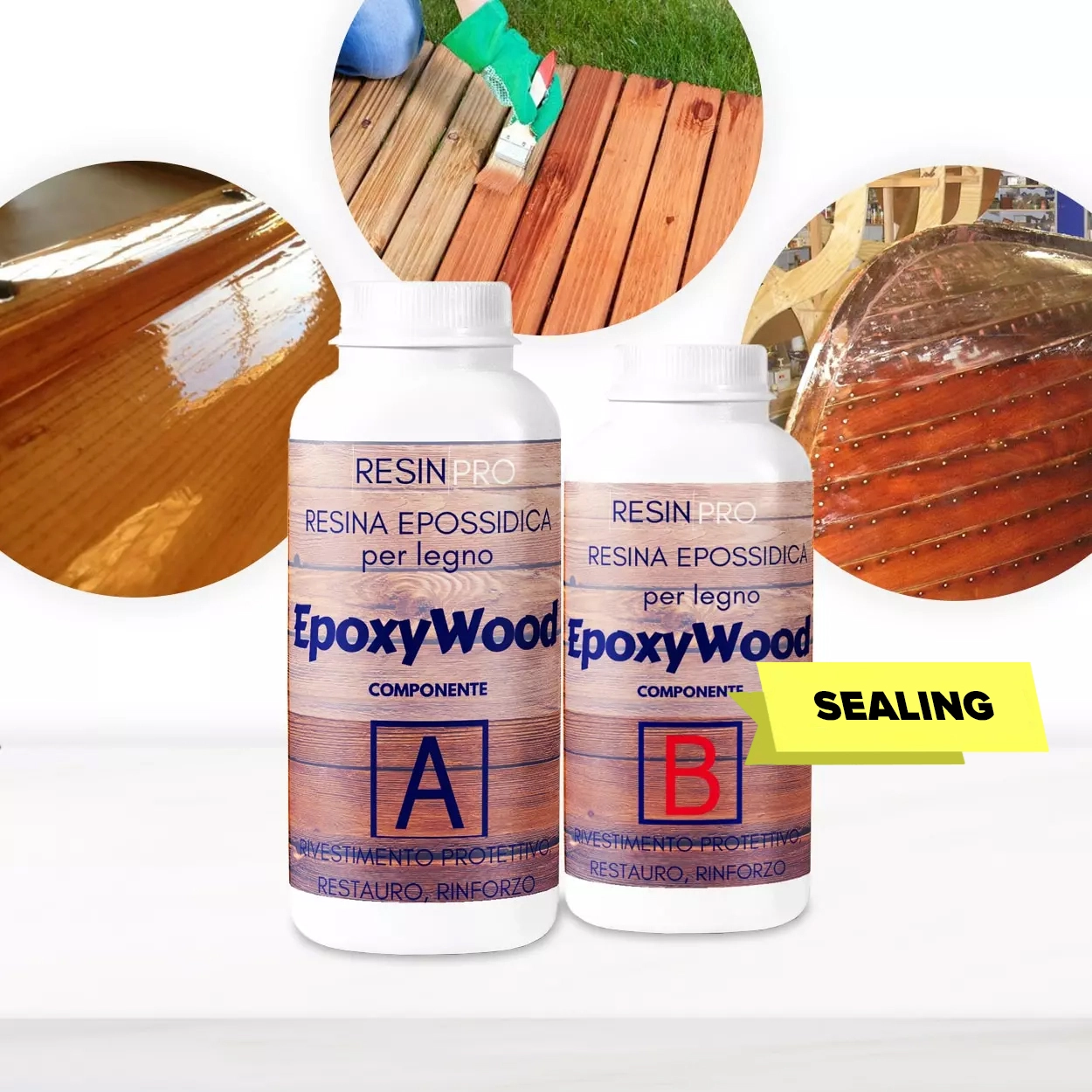
- “EpoxyWood” – Wood Restoration Epoxy Resin for Deep Penetration and Waterproofing: Ideal for repairing and sealing wood for waterproof durability.
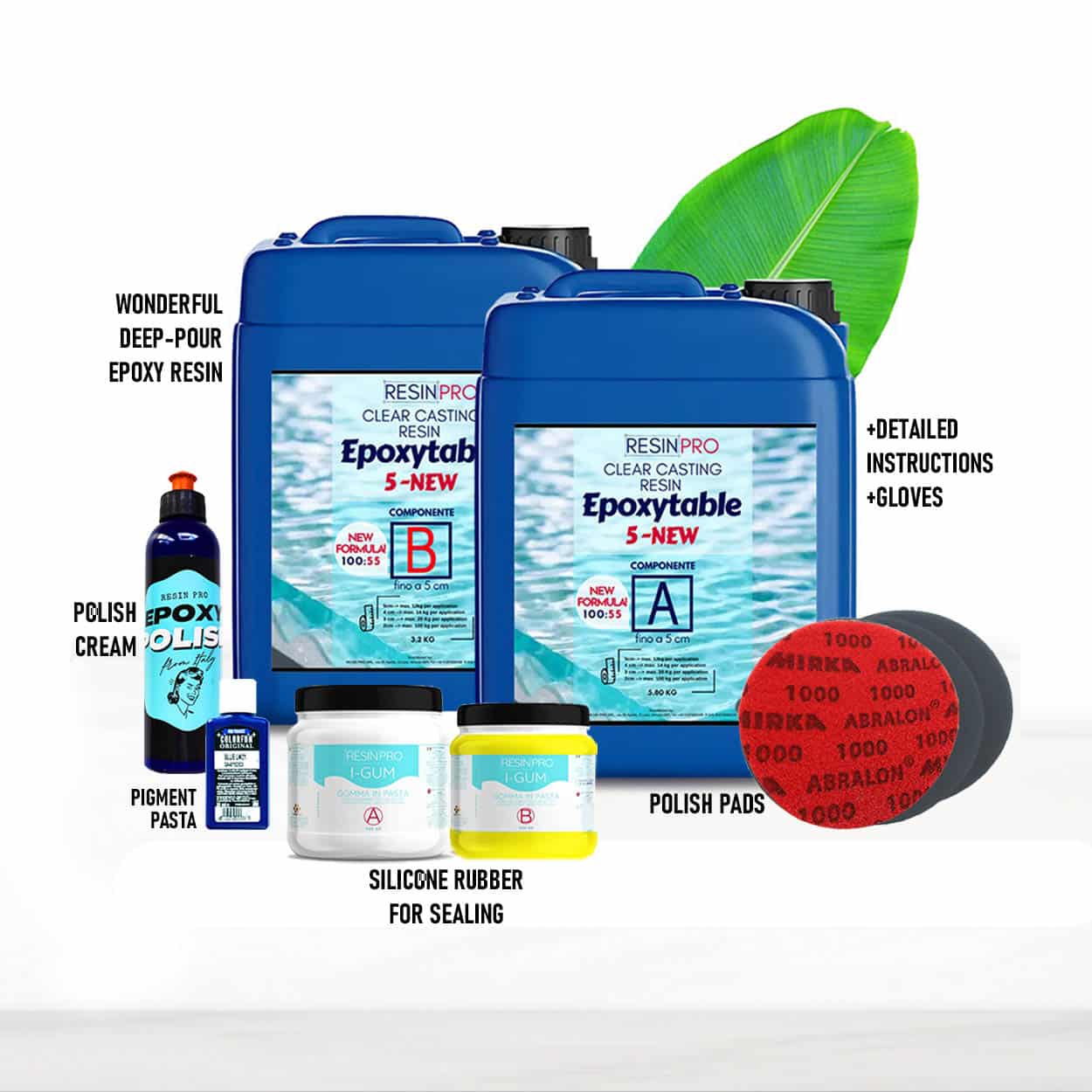
- “River-Table” – Complete Kit for Creating Your First Epoxy Resin Table: A comprehensive kit for beginners making resin wood tables.
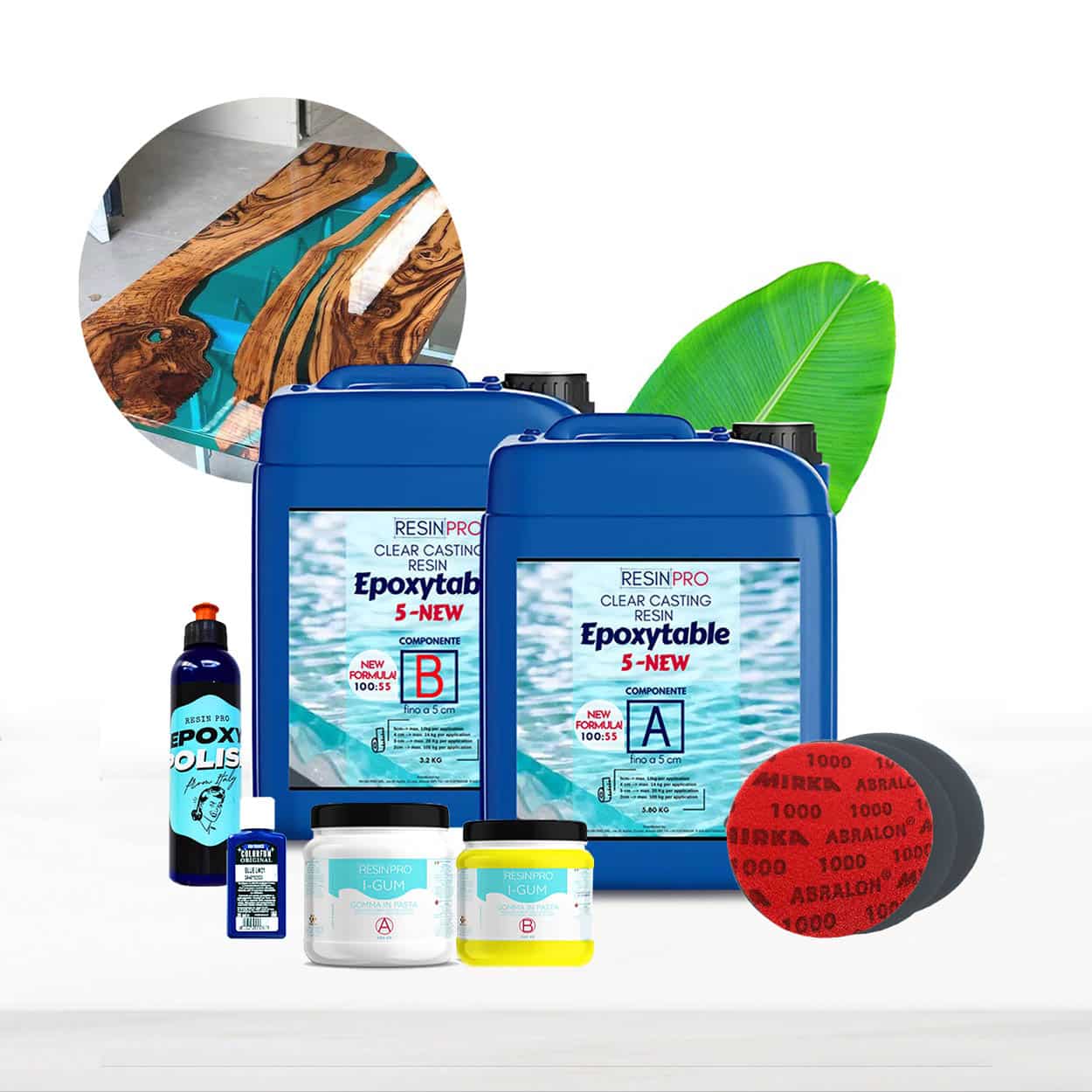
- “EpoxyTable 5-Five” – Deep Pour Epoxy Resin for Tables and Large Projects – Up to 5cm: Suitable for thick pours up to 5cm.
- “Epoxytable 10-Ten” – Deep Pour Epoxy Resin for Tables, Up to 10cm Casting: For very deep resin projects.
- Sandpaper (various grits)
- Protective gloves and clothing
- Mixing containers and stirring sticks
- Brushes or trowels
- Masking tape and plastic sheeting
Workspace Preparation and Safety
Work in a ventilated and clean space to minimise dust and fumes. Always wear gloves and protective gear, and make sure your workspace is free from humidity and contaminants that could spoil your resin finish.

Step 1: Prepare Your Workspace and Wood Surface
Prepare your workspace and protect the area. Choose a well-ventilated, dust-free area and lay down plastic sheeting. Always wear gloves and protective clothing to avoid skin contact with resin. Next, place your wood on a stable surface and cover any areas you do not wish to coat with masking tape.
Sand and clean the wood surface thoroughly. Start with medium grit sandpaper and finish with a finer grit to ensure the wood is smooth and free from imperfections. Remove all dust using a vacuum or tack cloth — a spotless surface ensures optimal resin adhesion and clarity after curing.
Step 2: Mix the Resin and Hardener Properly
Accurate mixing is crucial for a flawless finish. Carefully check the resin and hardener ratios recommended by your chosen resin product. If repairing and sealing wood, a product like “EpoxyWood” – Wood Restoration Epoxy Resin for Deep Penetration and Waterproofing is effective for deep penetration and structural strength. Measure both components by volume or weight as advised, and stir slowly to minimise air bubbles. Mix thoroughly by scraping the sides and base of your mixing container.
Step 3: Apply the Resin Evenly
Apply the resin evenly using a brush or pour technique. For restoration, brush a thin coat of epoxy onto the cleaned wood, allowing it to soak in and reinforce the fibres. For creative projects like tables, pour the mixed resin over the surface or into moulds, tilting the wood gently to level the flow. If you are making a river table or deep pour project, “EpoxyTable 5-Five” – Deep Pour Epoxy Resin for Tables and Large Projects – Up to 5cm and “Epoxytable 10-Ten” – Deep Pour Epoxy Resin for Tables, Up to 10cm Casting are specialised for thicker applications.
Remove air bubbles by briefly using a heat gun or torch at a safe distance. Avoid overworking the surface, as this can introduce more bubbles or disrupt the finish.

Step 4: Allow for Curing and Finishing
Let the resin cure in a dust-free environment according to product guidelines. This may take from several hours to several days depending on the resin and depth of application. Protect the surface from dust and moisture during this period by covering with a tented plastic sheet, ensuring no contact with the resin.
Once fully hardened, sand the surface lightly with fine-grit sandpaper to remove any imperfections, then polish if a gloss finish is desired. Thorough curing is essential for structural strength and lasting beauty.
Tips and Common Mistakes to Avoid
Allow for full curing before sanding or use. Rushing this stage can cause clouding or permanent fingerprints. Always strictly follow mixing ratios and application temperatures for the chosen product. Common mistakes include poor surface prep, improper mixing, and working in uncontrolled environments, which can result in bubbles or adhesion loss. For multi-layer projects, allow partial curing (as advised) between layers to avoid trapping air or inhibiting chemical bonding.
Troubleshooting Resin Application on Wood
If bubbles or tackiness occur, pop with a heat gun while wet, or sand and recoat once cured. Do not rush the curing process; patience ensures the best clarity and finish on your wood project.
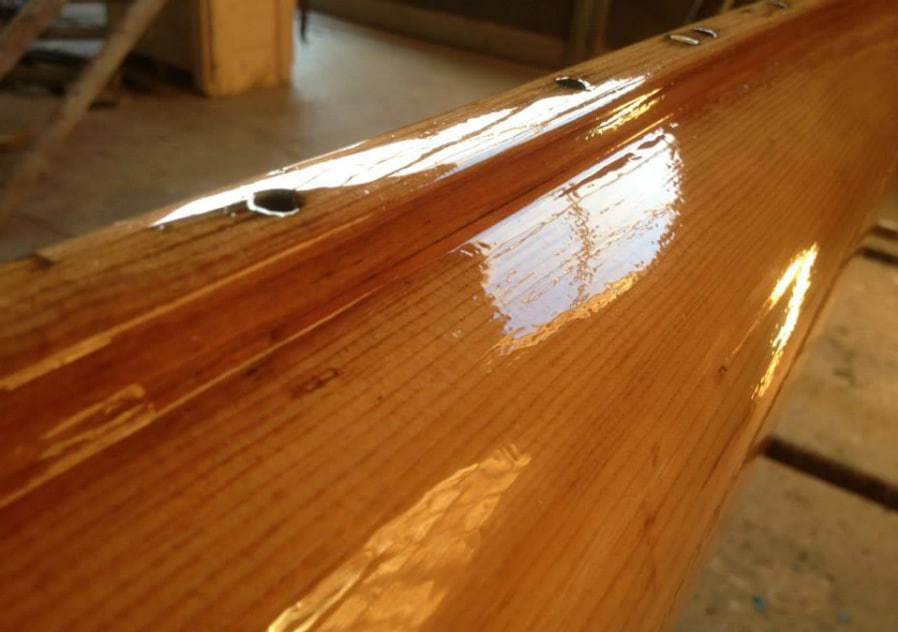
- "EpoxyWood" – Wood Restoration Epoxy Resin for Deep Penetration and WaterproofingPrice range: £27.95 through £41.95EpoxyWood is a wood restoration resin designed for deep penetration and waterproofing, offering a warm finish that suits wood surfaces.
- "River-Table" – Complete Kit for Creating Your First Epoxy Resin TablePrice range: £198.45 through £467.45"River-Table" kit provides materials and guidance for creating a wood and resin table, suitable for beginners and those new to resin work.
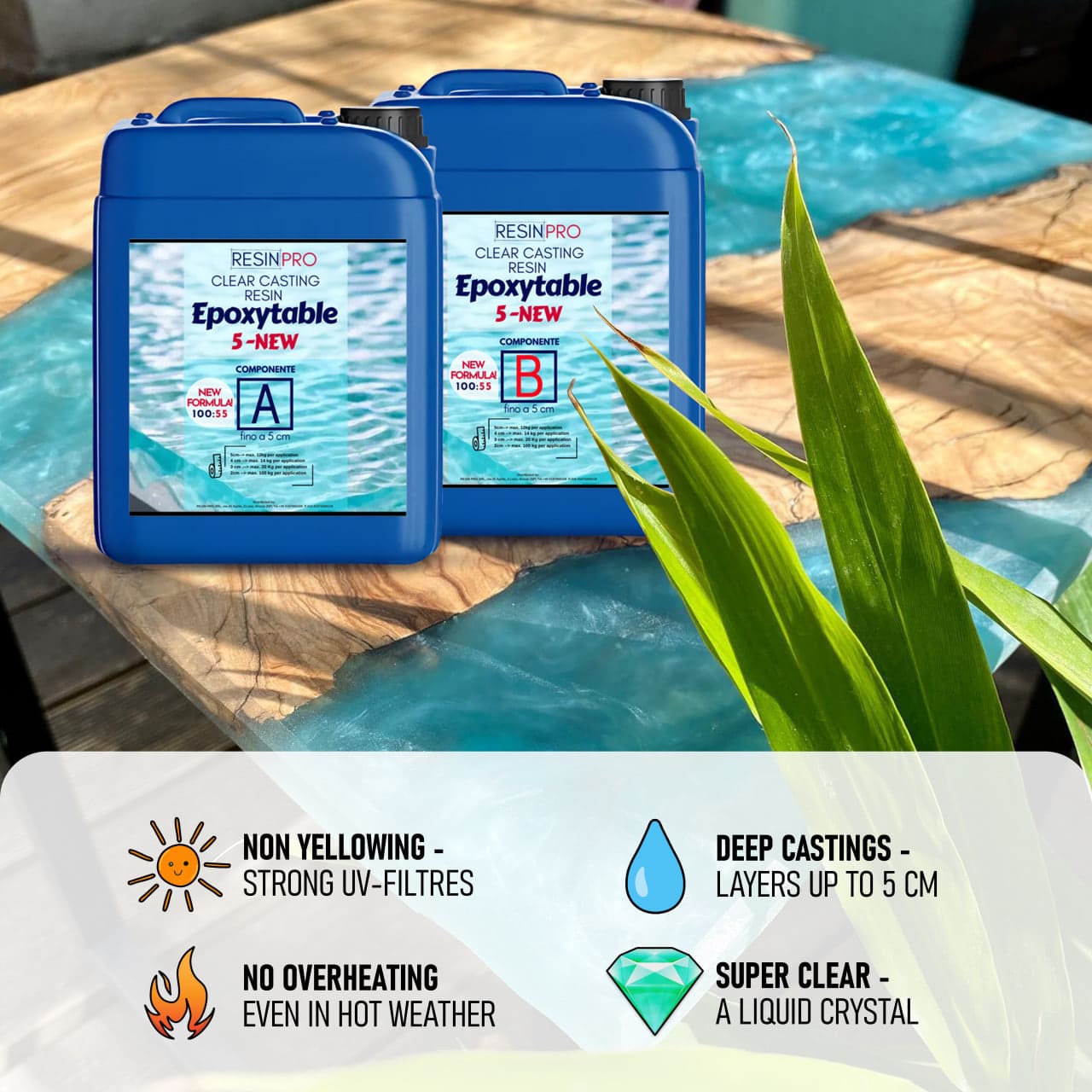
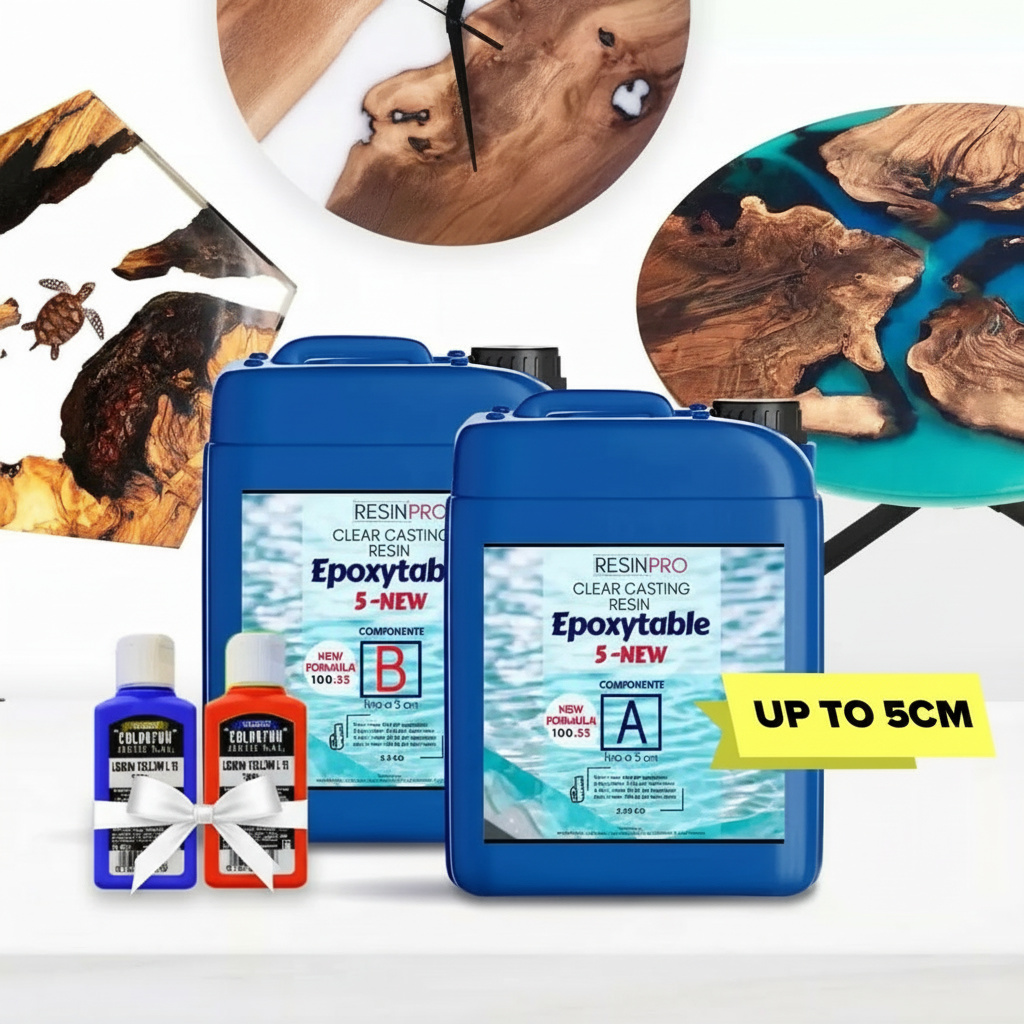 "EpoxyTable 5-Five" – Deep Pour Epoxy Resin for Tables and Large Projects – Up to 5cmPrice range: £17.95 through £1,154.95"EpoxyTable 5-Five" is designed for deep pouring up to 5cm, suitable for tables and large projects with strong UV resistance and scratchproof surface.
 “Epoxytable 10-Ten” – Deep Pour Epoxy Resin for Tables, Up to 10cm CastingPrice range: £35.95 through £351.95“Epoxytable 10-Ten” is a deep pour epoxy resin suitable for wood projects with casting layers up to 10cm.
Frequently Asked Questions
What type of resin is suitable for restoring exterior wood?
EpoxyWood is formulated to seal and reinforce dry wood, making it suitable for external wood restoration.
Which resin is suitable for projects thicker than 2cm?
EpoxyTable 5-Five is recommended for projects up to 5cm thick, ideal for tables and medium castings.
What epoxy resin is suitable for deep pours over 5cm?
“Epoxytable 10-Ten” is recommended for casting thicknesses over 5cm and up to 10cm.
Is EpoxyTable 5-Five suitable for heat resistant casting?
Yes, it provides heat resistance up to 70°C, suitable for moderate heat exposure.
How should wood be prepared before applying resin?
Wood should be dry, thoroughly sanded, and free from dust or oil to ensure maximum adhesion.
How long does resin take to cure on wood?
Curing times vary but typically range from several hours to a few days, depending on the resin type and thickness.
How do you remove bubbles from resin on wood?
Briefly use a heat gun or torch at a safe distance to remove bubbles immediately after pouring.