 Free shipping on orders over £29,85
  Shipping Tracking!


 Google
 Facebook
← Back to How to make epoxy resin more liquid?
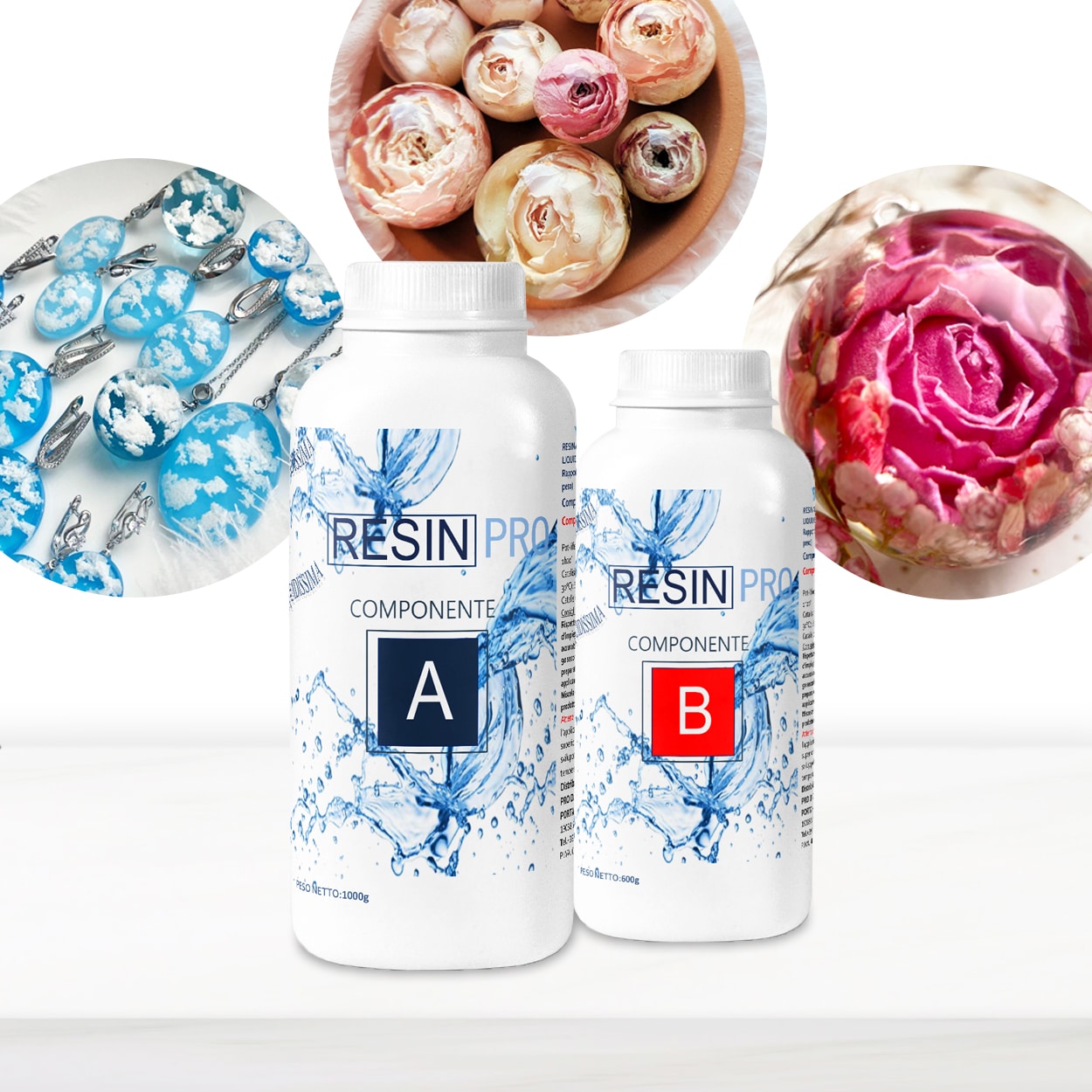
Choosing between standard and low viscosity epoxy resin is important for achieving your desired results in craft, art, or functional projects. Each type has unique flow characteristics suited to different applications.
Understanding Viscosity in Epoxy Resin
Viscosity refers to the thickness or flow of a liquid. Standard epoxies have a higher viscosity, meaning they are thicker and flow more slowly. In contrast, low viscosity epoxies are much more liquid and easily self-level, making them better at filling fine details and complex moulds. This difference affects how the resin handles bubbles, gaps, and the overall finish, particularly for detailed or deep-pour projects.
Best Uses and Practical Tips
- Standard viscosity resins are great for simple coatings, bonding, or surface-level pours where thickness and bubble entrapment are less critical.
- Low viscosity resins, such as “Liquidissima” – Epoxy Resin For Creations & Jewellery, excel in situations that require the resin to flow into tight spaces or around intricate designs. This makes them ideal for jewellery, detailed art pieces, and deep pours, where minimising air bubbles and achieving crystal-clear results are vital.
When working with moulds, choosing a low viscosity resin improves your chances of a smooth, bubble-free finish, especially in thin or delicate shapes. For larger projects that demand clarity and reliable curing at greater depths, select a resin designed for deep pouring and low exotherm.
When Does Viscosity Matter Most?
Your choice is crucial when working with projects involving fine detail, intricate cavities, or significant depth. Low viscosity resins reduce the risk of trapped bubbles and help achieve a flawless appearance in these cases. If you’re aiming for strong bond lines or thick coatings, standard viscosity may suffice.
Related products
Related guides
Selecting the right viscosity ensures better results whether you are crafting detailed jewellery or pouring large resin pieces. For more guidance on making your epoxy resin more liquid and suitable for your needs, visit our main advice hub.