 Free shipping on orders over £29,85
  Shipping Tracking!


 Google
 Facebook
← Back to How to prepare the sheet metal for applying epoxy primer?
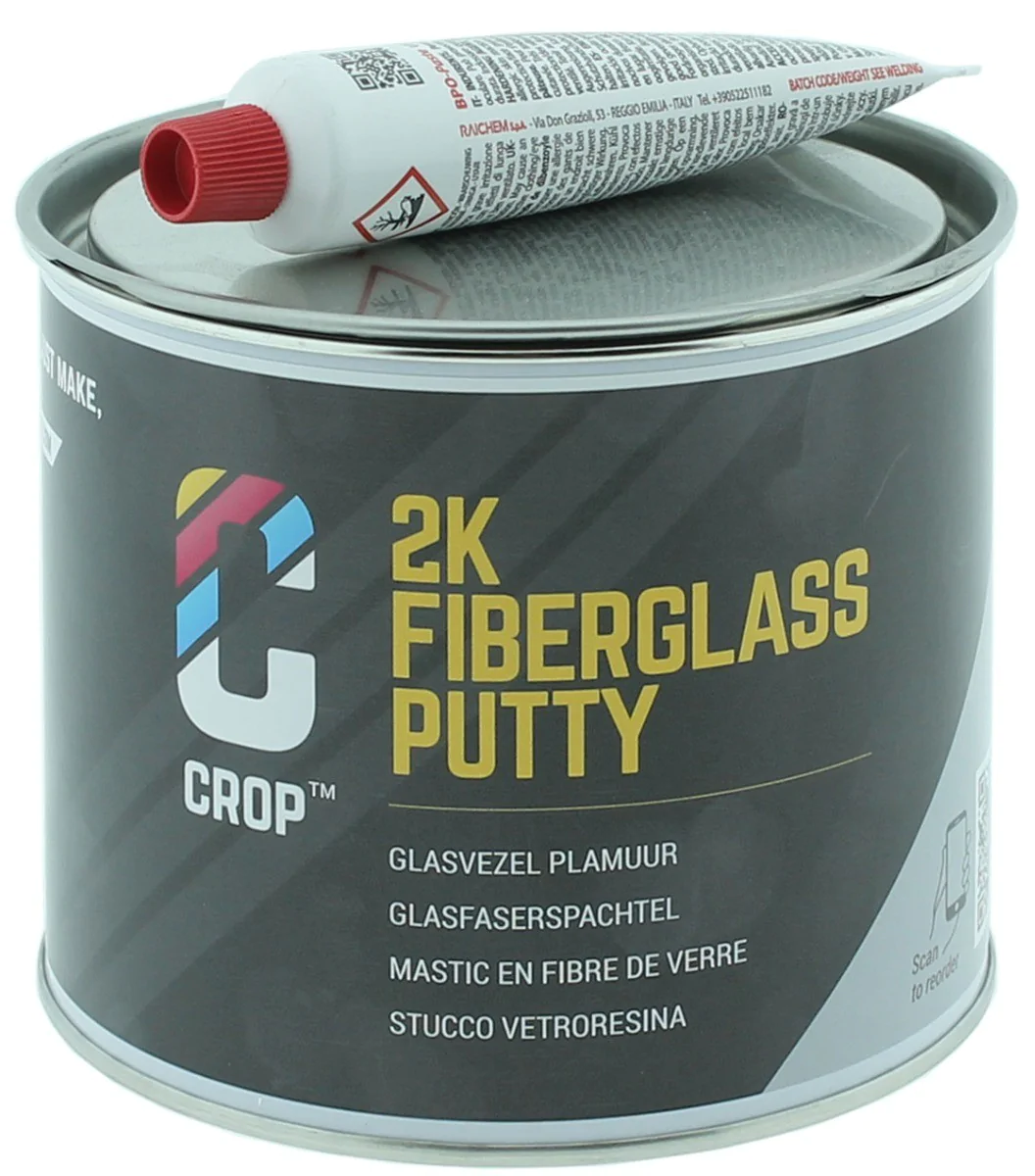
Preparing sheet metal for priming starts with addressing dents and imperfections. Filling these correctly ensures a smooth, lasting finish that’s ready for epoxy primer and subsequent coatings.
Choosing the Right Filler
For best results when repairing dents in sheet metal, opt for a fibreglass-reinforced polyester putty. This type of filler, such as CROP 2K Fiberglass Putty, offers extra strength and strong adhesion to metal surfaces. Its reinforced composition provides durability and minimises the chance of cracking over time, especially important for deeper dents and bodywork repairs.
Application and Sanding Tips
Begin by thoroughly cleaning and degreasing the area to remove any contaminants. Mix the polyester putty according to the manufacturer’s instructions, then apply it in thin layers over the dent, pressing firmly for good contact. Once cured, sand the area using progressively finer abrasive paper to achieve a seamless, flat finish. The fibreglass putty sands readily, so it’s straightforward to blend the repair with the surrounding metal.
When This Matters Most
Filling dents effectively is crucial in automotive bodywork, restoration projects, and any high-wear environment where a smooth, resilient surface is key before applying epoxy primer and paint. Getting this step right protects against future corrosion and improves both the look and longevity of the final coating.
Related products
Related guides
Completing dent repairs with a robust fibreglass putty forms a solid foundation for your primer. Continue to the main guide for further details on preparing sheet metal prior to epoxy primer application.