 Free shipping on orders over £29,85
  Shipping Tracking!


 Google
 Facebook
How do you make epoxy resin glossy?
Achieve a smooth, clear shine on your resin projects with ease.


A glossy finish is what gives epoxy resin creations their striking, glass-like appearance. Whether you’re working on artwork, jewellery, river tables or decorative pieces, achieving this high-gloss surface requires the right technique and a little patience. This guide covers tried-and-tested methods for giving epoxy resin projects a mirror-bright shine, avoiding common pitfalls, and ensuring the finish is both beautiful and durable.
What You’ll Need
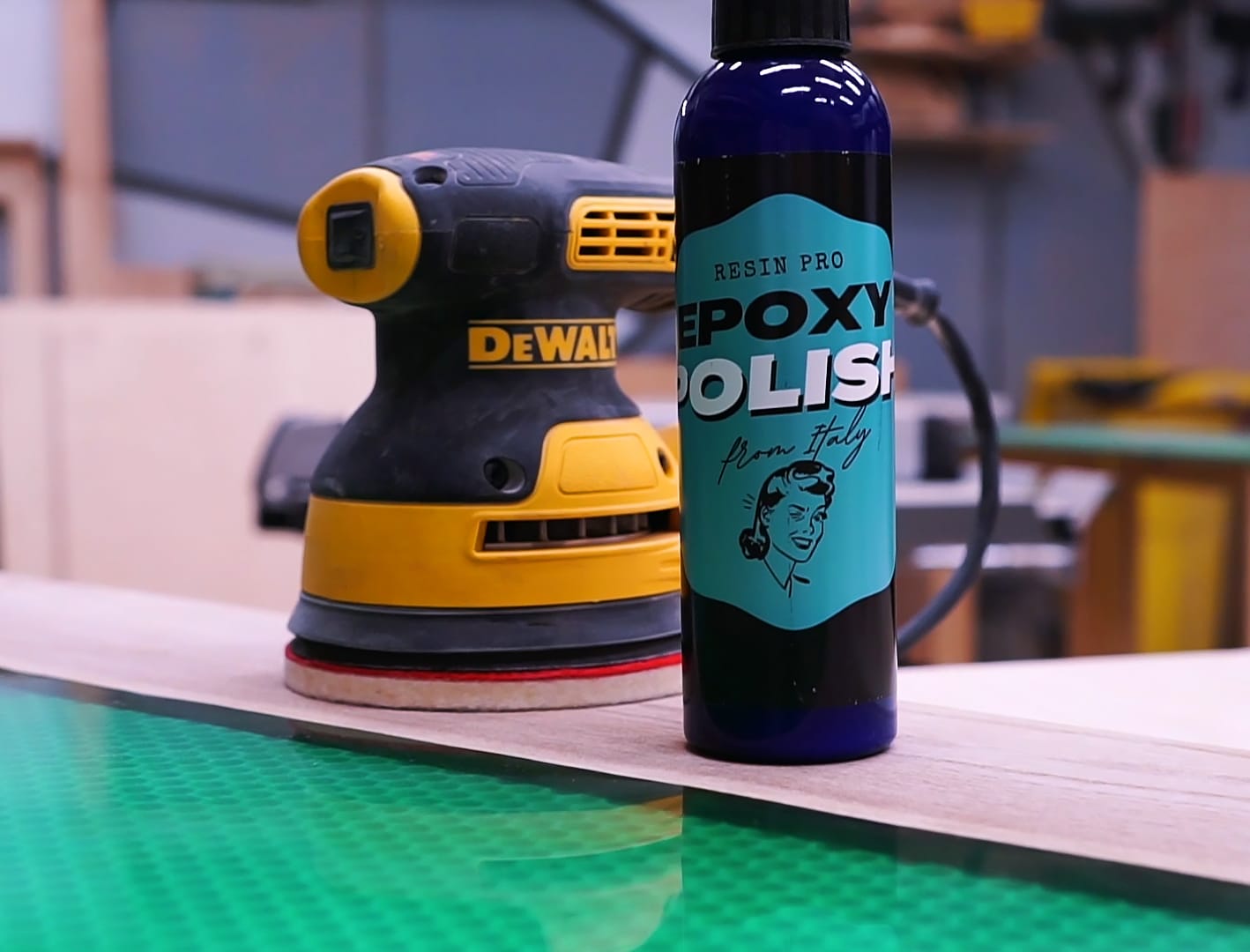
- “Epoxy Polish” – Epoxy Resin Polishing System – Restores gloss and removes fine scratches from resin surfaces.
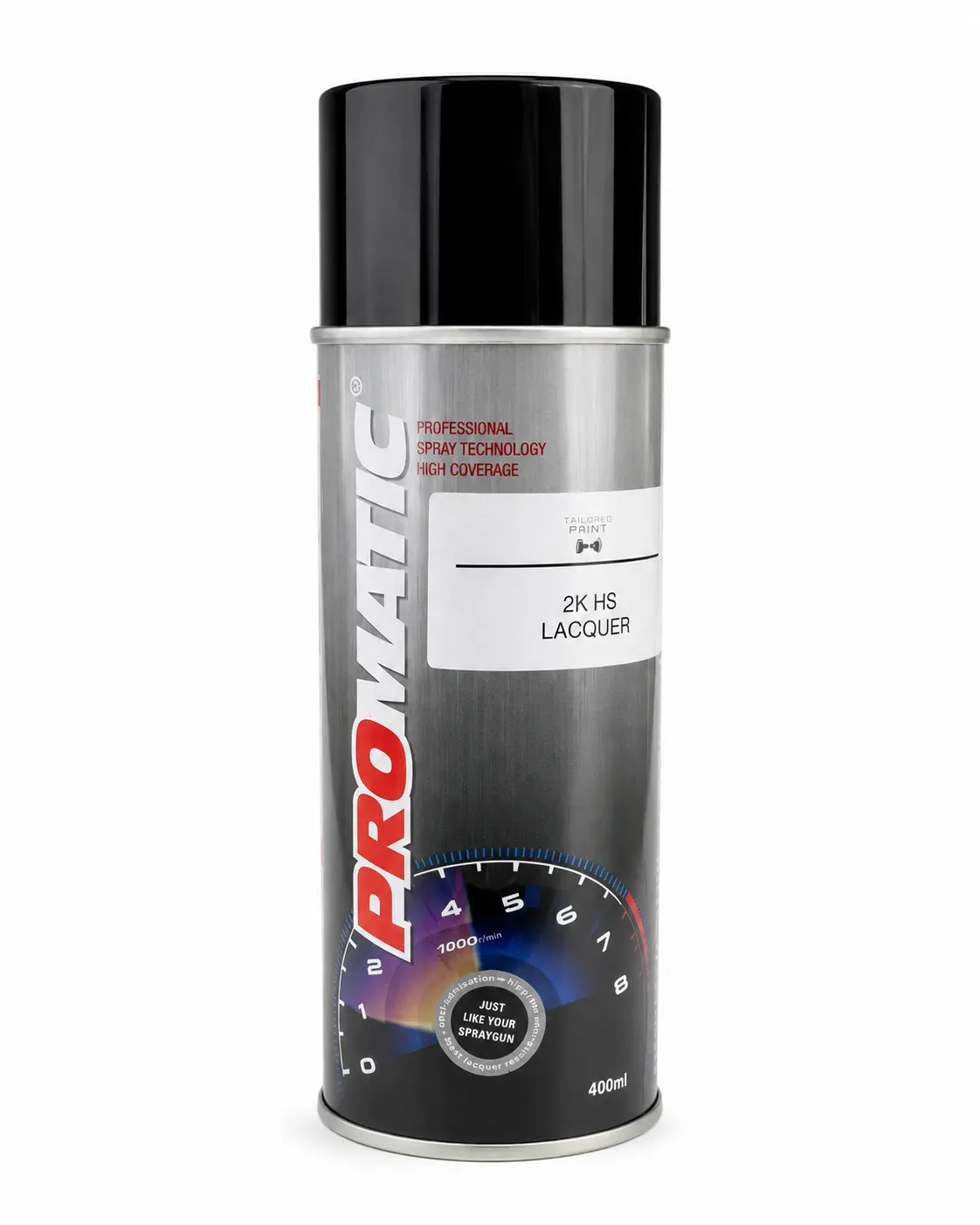
- 2K Clear Coat Lacquer Aerosol Spray – 400ml High Gloss Finish – Provides a protective high-gloss coating.
- “Shiny Shield” – Glossy Release Film for Resin Projects – Ensures a glossy surface during mould casting without sanding or polishing.
- “Heat Pro” – Flexible Heat-Resistant Glossy Coating – Adds a tough, heat-resistant, glossy finish especially for coasters and small surfaces.
- Microfibre cloths, polishing pads, or a rotary polisher
- Protective gloves and dust mask for sanding
- Fine grit sandpaper (e.g., 1000–3000 grit) if sanding is required

Glossy Epoxy Resin in Action
See the transformation from dull to dazzling as epoxy resin projects receive that perfect glass-like finish. Polishing, top coats, and release films each create unique reflective effects—explore which technique best suits your creative vision.

Step 1: Prepare the Surface
The glossiness of your epoxy resin depends greatly on the initial smoothness of the surface. Start by making sure your resin is fully cured as per the manufacturer’s instructions—usually at least 24 hours, but possibly longer for thicker pours. If there are uneven spots, drips, or imperfections, gently sand them away using fine grit sandpaper (work up to 2000–3000 grit for the smoothest results). Always sand wet and in a circular motion to minimise scratches.
After sanding, clean the surface with a damp microfibre cloth to remove all dust and residue. This step is crucial—any leftover dust will interfere with achieving that mirror-like final shine.
Remove dust and debris before finishing; particles left on the surface can dull even the best gloss attempts.
Step 2: Polish the Resin for Maximum Gloss
With the surface sanded and perfectly clean, you can now bring out the gloss. Apply a small amount of polishing compound specifically designed for resin. Using a suitable polishing pad or a clean microfibre cloth, work the product onto the resin using circular motions. For the highest shine and quickest results, a rotary polisher is recommended for large surfaces.
Continue to buff until all fine scratches have been removed and the surface appears clear and reflective. Wipe off any excess polish with a clean cloth and check the shine under direct light. If necessary, repeat the polishing process for stubborn dull areas.
“Epoxy Polish” – Epoxy Resin Polishing System is formulated exactly for this purpose, helping you achieve a professional, swirl-free high-gloss finish.
Use fine grit sandpaper for a smooth surface and work polish thoroughly for maximum gloss.
Step 3: Apply a Glossy Protective Top Coat (Optional)
For projects subject to frequent use, moisture, or heat (like coasters and tabletops), consider sealing the polished resin with a durable, glossy top coat. This adds an extra layer of shine and protection. Spray-on lacquers and resin-based coatings are both popular options.
A simple option is the 2K Clear Coat Lacquer Aerosol Spray – 400ml High Gloss Finish, which is easy to apply and dries quickly to a hard, glossy finish. Alternatively, “Heat Pro” – Flexible Heat-Resistant Glossy Coating provides heat and scratch resistance for smaller surfaces and high-use items. Always follow the product instructions for the best results and allow top coats to cure thoroughly before handling.
Let coatings cure completely to prevent dullness—handling or cleaning too soon can mark the surface.
Step 4: Achieve a Glossy Finish Directly From the Mould
If your project allows, you can skip the sanding and polishing altogether by using a high-gloss mould lining. Applying a self-adhesive film like “Shiny Shield” – Glossy Release Film for Resin Projects to your mould results in a glassy, flat finish as soon as the resin cures and is released. This is ideal for resin tabletops, artwork panels, and jewellery, quickly delivering a smooth surface straight out of the mould.
Take care to remove all air bubbles during application for the smoothest results.
Tips, Common Mistakes, and Troubleshooting
- Never rush the curing process. Handling resin before it’s fully set will ruin the gloss.
- Avoid over-polishing in one area—it may create hazy or uneven spots.
- Trapped dust or particles under top coats can permanently dull the shine. Always clean thoroughly between steps.
- For high-use surfaces (e.g., coasters, kitchen counters), consider reapplying a protective top coat every few years to maintain gloss.
- If the finish looks cloudy after polishing, check that all polishing residue is properly buffed off and try a second pass with a microfibre cloth.
Expert Tips for a Perfect Gloss
Consistency is key: follow each step carefully and let each layer cure properly for the highest gloss. For stubborn marks, a second round of sanding and polishing often makes all the difference.

- "Epoxy Polish" – Epoxy Resin Polishing SystemPrice range: £18.95 through £47.45Epoxy Polish is an epoxy resin polishing system designed to rejuvenate surfaces and achieve a mirror-like finish.
- 2K Clear Coat Lacquer Aerosol Spray – 400ml High Gloss Finish£20.952K Clear Coat Lacquer offers a fast-drying, durable high-gloss finish suitable for enhancing your epoxy resin projects.
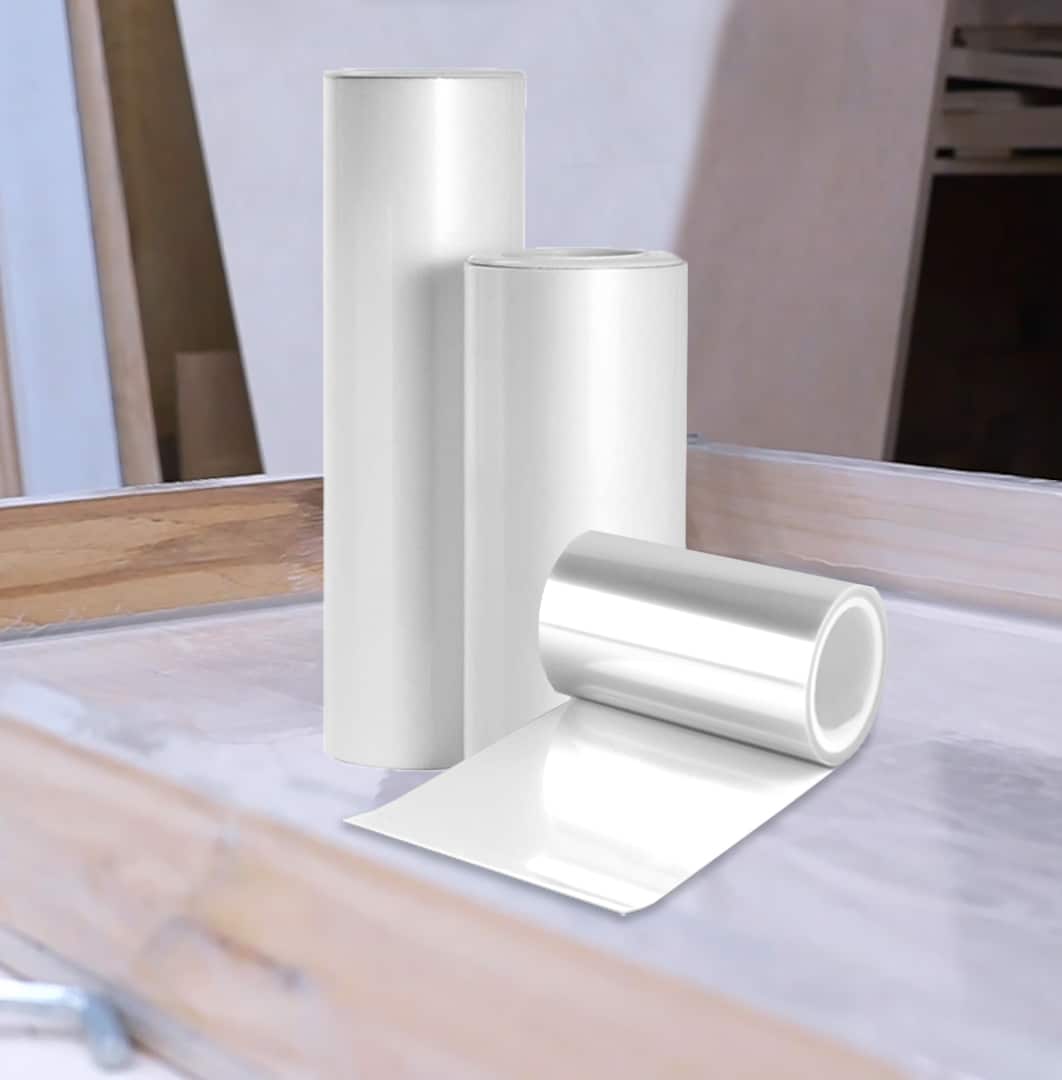 "Shiny Shield" – Glossy Release Film for Resin ProjectsPrice range: £3.45 through £12.95Shiny Shield offers a self-adhesive glossy film producing a flat, high-gloss surface ideal for epoxy resin mould and frame lining.
 "Heat Pro" – Flexible Heat-Resistant Glossy CoatingPrice range: £26.45 through £185.45"Heat Pro" coating is a flexible polyurethane resin designed for epoxy resin projects needing heat resistance and a glossy finish.
Frequently Asked Questions
Why does my epoxy resin turn cloudy after polishing?
Cloudiness can occur if residue is not fully removed or if the resin is not completely cured before polishing. Always buff thoroughly and ensure full cure.
How long should I wait before polishing epoxy resin?
Wait until the resin is fully cured, typically 24–72 hours, to prevent scratching or dulling the surface during polishing.
Can you use car polish on epoxy resin?
Specialised resin polishes are preferred for best results, as some car polishes may not yield a high-gloss, swirl-free finish.
Is a top coat necessary to achieve epoxy resin gloss?
A top coat is optional but beneficial for protecting high-use surfaces and enhancing durability alongside shine.
How do I keep my epoxy resin glossy over time?
Regular gentle cleaning, occasional re-polishing, and reapplying protective coatings help preserve gloss and prevent yellowing.
Can release film replace sanding and polishing in resin casting?
Glossy release films like Shiny Shield create a glass-smooth surface straight out of the mould, eliminating manual polishing.