 Free shipping on orders over £29,85
  Shipping Tracking!


 Google
 Facebook
← Back to How do you use resin on tiles?
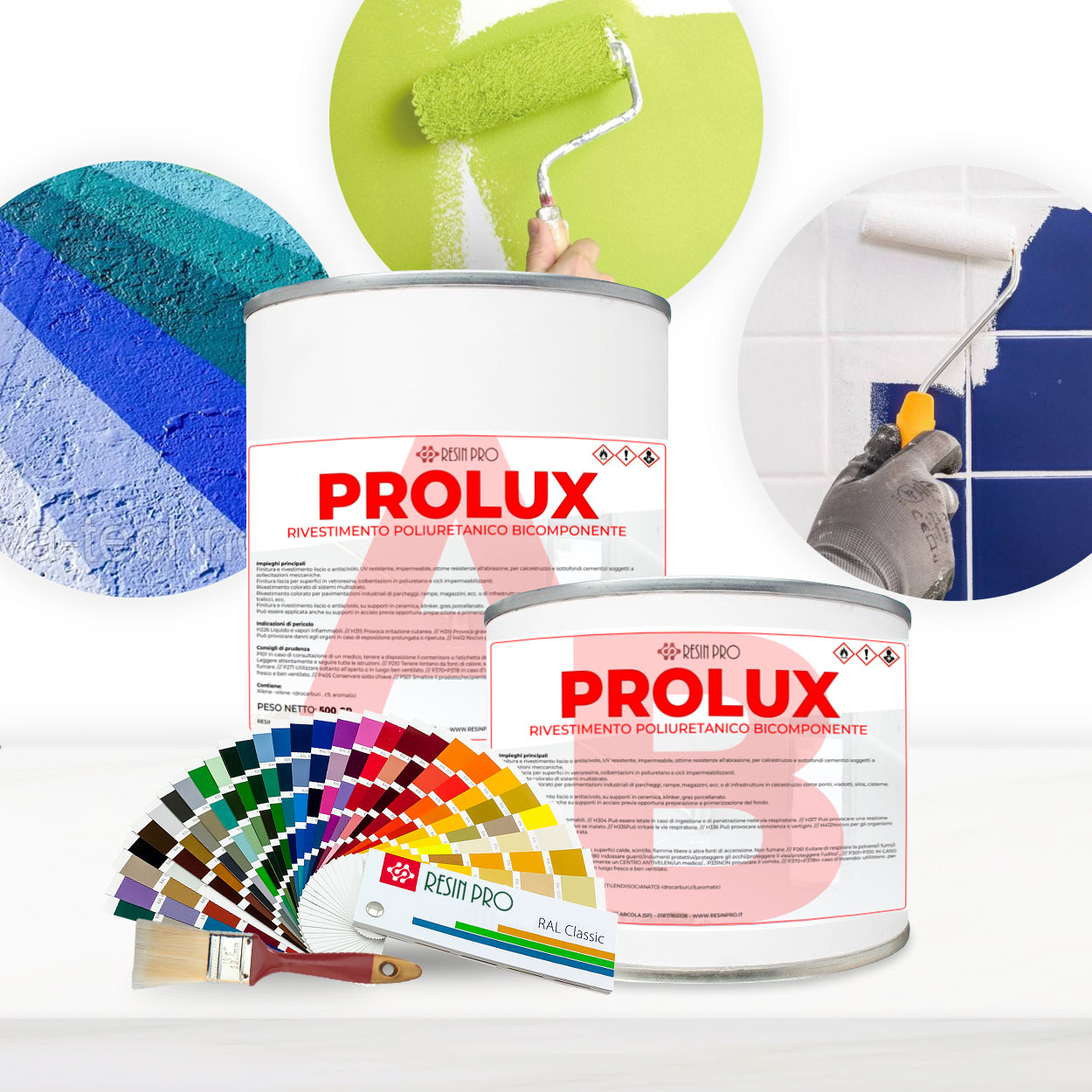
The most common cause of resin not sticking to tiles is poor surface preparation. Cleanliness is absolutely crucial for achieving reliable adhesion, as even invisible residues can compromise your finished results.
Why Tile Surface Cleanliness Matters
Tiles may look pristine but often hide residues of dust, oils and cleaning products, all of which repel resin and weaken its grip. For resin coatings to fully bond, every trace of grease or soap must be eradicated from the tiles, otherwise delamination or patchy results can occur over time.
Practical Steps for Thorough Preparation
- Degrease: Wipe tiles with a suitable degreaser or mild washing solution, then rinse thoroughly.
- Dry completely: Allow the surface to air-dry or dry with a lint-free cloth. Moisture trapped under resin can cause defects.
- Sand lightly: For even better results, lightly abrade glossy tiles to provide a slightly rough key for the primer or resin coating.
- Prime where needed: Use a tile-compatible primer, such as Epoxyprimer, to promote maximum adhesion before applying specialist resins or polyurethane coatings.
When Cleanliness Especially Matters
Pay extra attention to cleanliness when working in kitchens, bathrooms or any high-moisture setting, as residues from soaps and detergents are especially common. Consistent preparation is just as important on old tiles as on new ones.
Related products
Related guides
Proper cleaning and surface prep set the foundation for any successful resin project on tiles. For more guidance on every step of resin use, see the full resource at using resin on tiles.