 Free shipping on orders over £29,85
  Shipping Tracking!


 Google
 Facebook
← Back to How do you use resin on tiles?
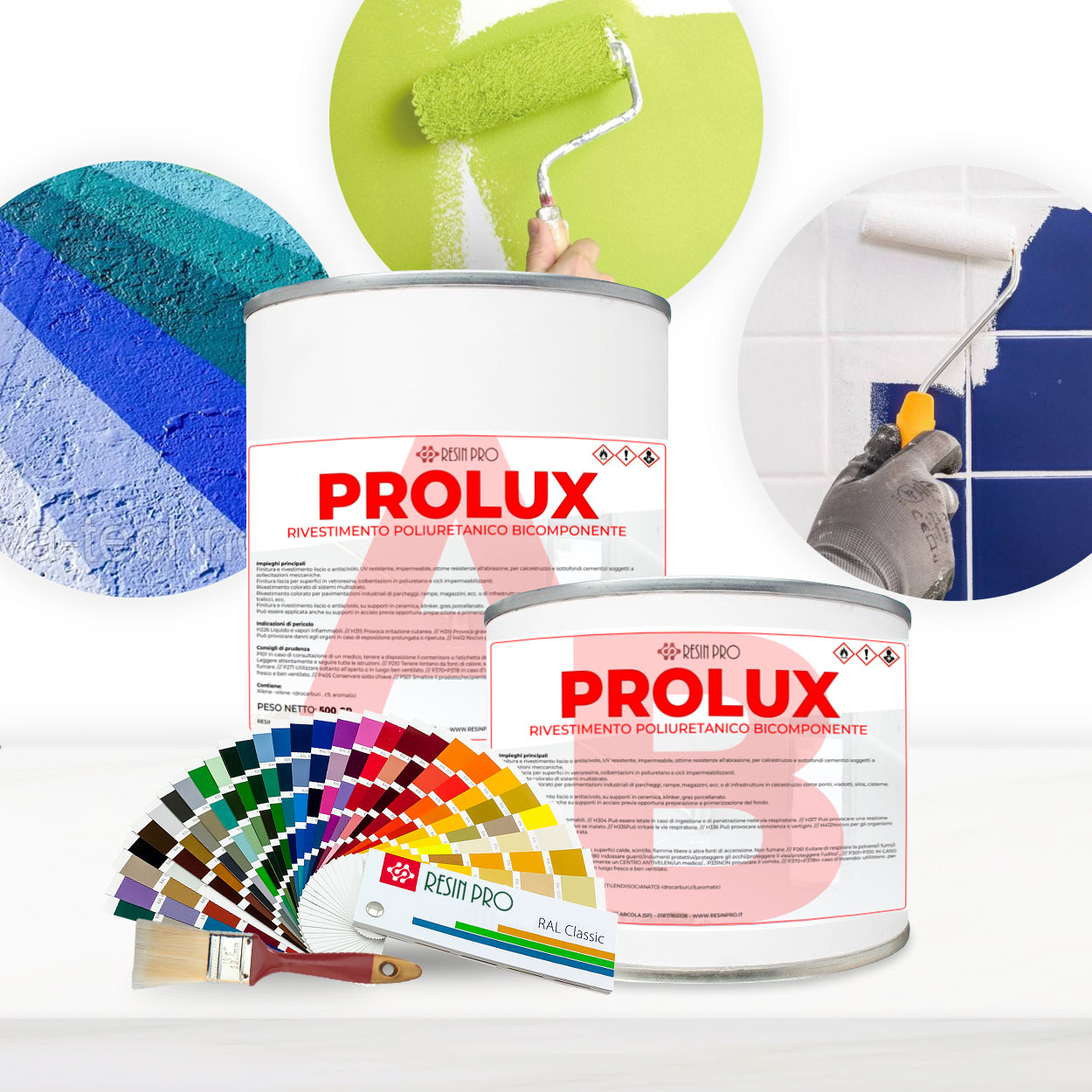
Proper surface preparation is essential for a successful resin application on tiles. One common question is whether sanding is needed before applying resin to tiled surfaces.
Why Sanding Helps Resin Adhere on Tiles
Tiles, especially those with a glossy or non-porous finish, can make it difficult for resin coatings to bond effectively. Lightly sanding the tile surface creates a subtle roughness, allowing the resin or coating product to mechanically grip the tiles more securely. This is particularly important in wet or high-traffic areas where extra durability is required.
How to Prepare Tiles for Resin Application
Start by thoroughly cleaning and drying the tiled area to remove dust, grease, or residues. Use fine-grade sandpaper and sand the tile surfaces gently—just enough to dull any shine and provide a key for the resin. After sanding, vacuum or wipe away all sanding dust for a spotless finish. Some products, such as Epoxyprimer, can be used to prime tiles and further improve resin adhesion and durability.
When This Matters: Glossy & High-Wear Tiles
Sanding is most important when your tiles have a highly glazed, shiny, or smooth surface. It also matters in settings where wear-and-tear or moisture are issues, such as kitchens, bathrooms, or commercial floors. Proper preparation using products like Prolux PU coating can help ensure your resin application stands up to the task.
Related products
Related guides
Taking the time to properly prepare your tiles—including sanding when necessary—ensures your resin finish bonds well and lasts. For more guidance on achieving professional results, see our main tips on how to use resin on tiles.