 Free shipping on orders over £29,85
  Shipping Tracking!


 Google
 Facebook
How do you use resin on tiles?
Essential guide for resin application on tile surfaces
Learning how to apply resin on tiles can transform bathrooms, kitchens, or flooring with a durable, custom finish. Whether you want a glossy, waterproof coating or creative wall accents, this guide takes you through each stage, focusing on preparation, application, and achieving a robust, attractive result.
What You’ll Need
- “Epoxyprimer” – Universal Water-Based Two-Component Epoxy Floor Primer: Ensures the resin bonds firmly to tiled or ceramic surfaces.
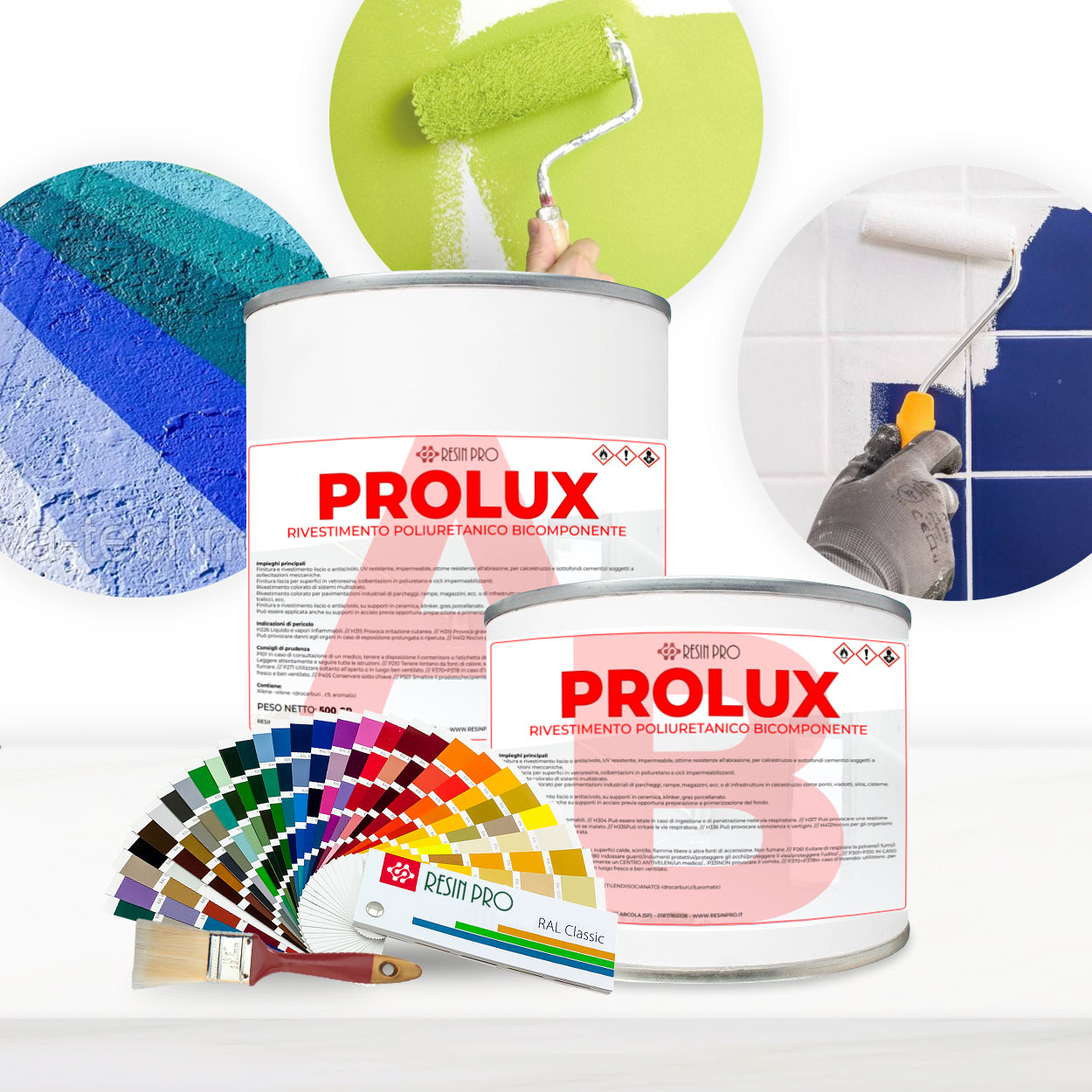
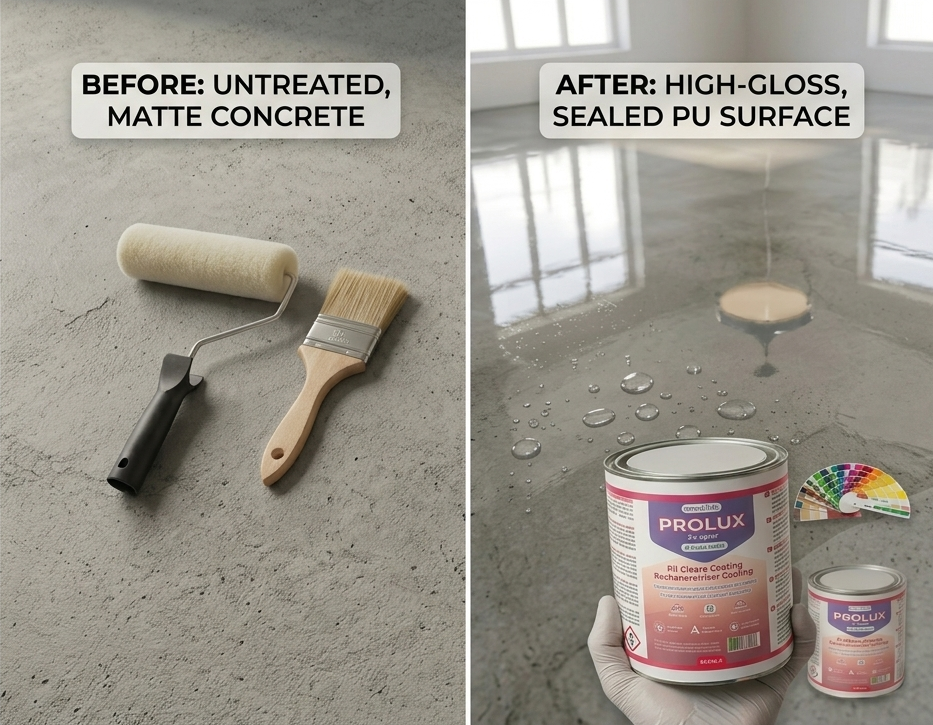
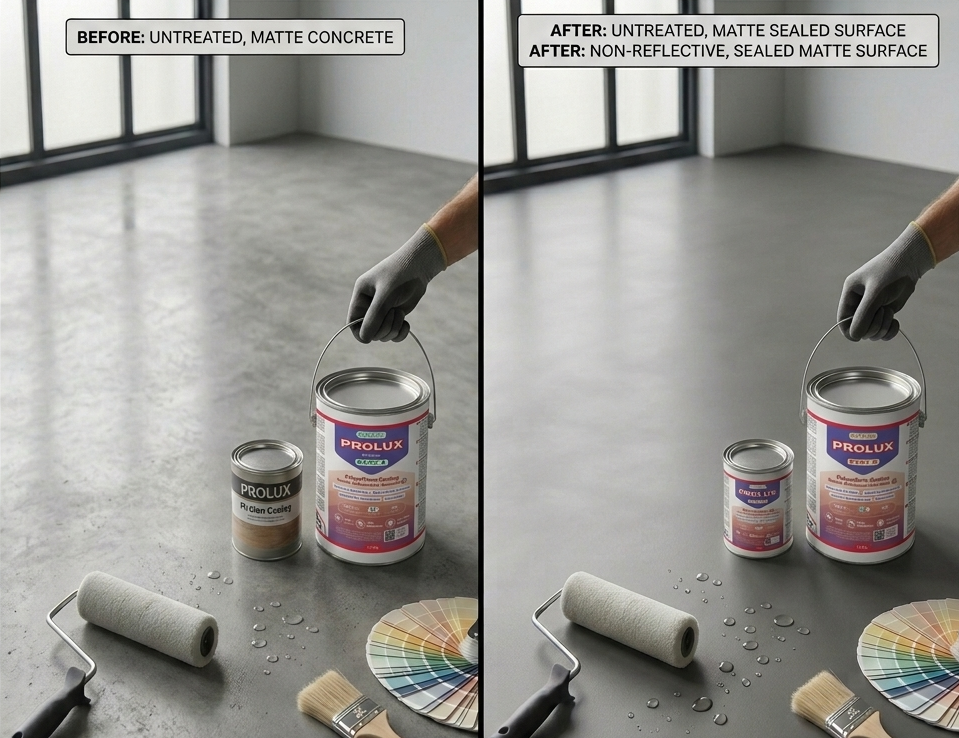
- “Prolux” – PU coating for tiles, concrete, plastic and metal – suitable for driveable surfaces: For a durable, protective topcoat on horizontal, high-traffic, or damp areas.
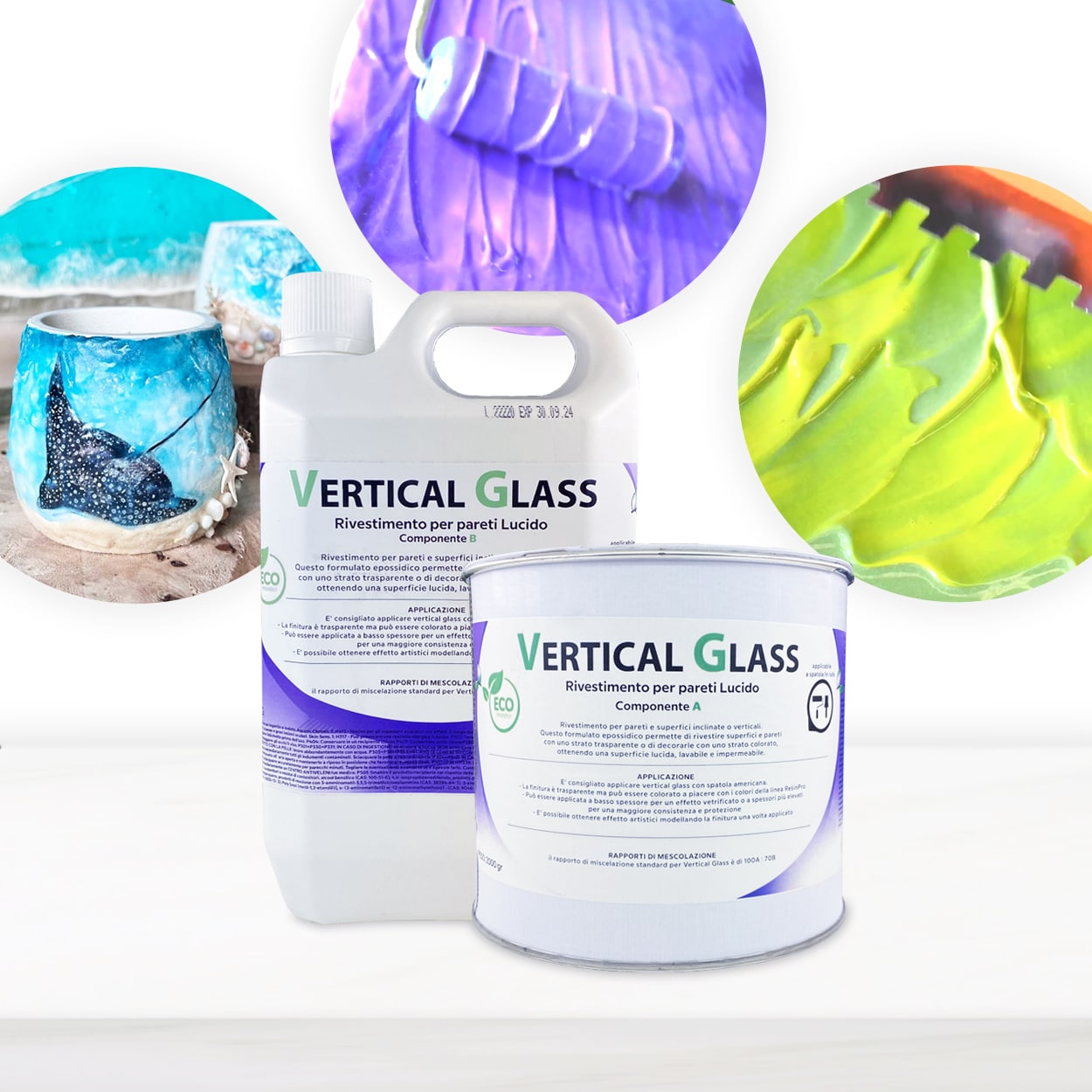
- “Vertical Glass” – Thick Resin Decorative Wall Coating: Ideal for vertical tile applications and custom decorative finishes.
- Resin & Paint Application Rollers – Short-Pile, Large, and Sponge Types: For applying primers, resins, or topcoats efficiently and evenly.
- Standard cleaning supplies (detergents, degreasers, lint-free cloths)
- Sandpaper or orbital sander (for light abrasion if required)
- Masking tape and floor covers for edge protection
- Protective gloves and respiratory protection
Preparation Makes the Difference
High-quality resin finishes on tiles depend on meticulous surface preparation. Taking the extra time for degreasing, abrasion, and careful priming ensures a lasting bond and an even, professional finish. Pay close attention to corners and grout lines for the best result.

Step 1: Prepare and Clean the Tiles
Start by thoroughly cleaning your tiled surface to remove dirt, soap, oil, or residues. Use a degreasing cleaner and a non-abrasive cloth, focusing especially on grout lines and corners. If the tiles are glossy or glazed, lightly abrade with fine-grit sandpaper to create a surface profile for excellent adhesion. Wipe away any dust with a damp, lint-free cloth and let the area dry completely.
Cleanliness is critical for good adhesion—resin will not bond to surfaces contaminated by grease or dust. Ensure all cleaning agents are fully rinsed away and the area is dry before proceeding.
Step 2: Apply a Suitable Primer
Good priming is essential for strong adhesion between tiles and resin. Choose a primer compatible with tiles. For example, “Epoxyprimer” – Universal Water-Based Two-Component Epoxy Floor Primer is specially formulated to maximise resin bonding on glazed ceramics and grout. Mix according to instructions—usually 100:40 by weight—then apply evenly across the tiled surface with a short-pile roller or brush.
Allow the primer to cure fully as per product specifications (typically 24–48 hours) before you move to resin application. Avoid shortcuts; improper curing can lead to delamination.
Step 3: Mix and Apply the Resin Layer
Choose your resin system based on the application. For horizontal, high-traffic, or damp-prone floors, a tough, protective coating like “Prolux” – PU coating for tiles, concrete, plastic and metal – suitable for driveable surfaces offers durable performance and versatile finishes in gloss or satin. For decorative walls or splashbacks, “Vertical Glass” – Thick Resin Decorative Wall Coating allows custom tinting and patterns on vertical surfaces.
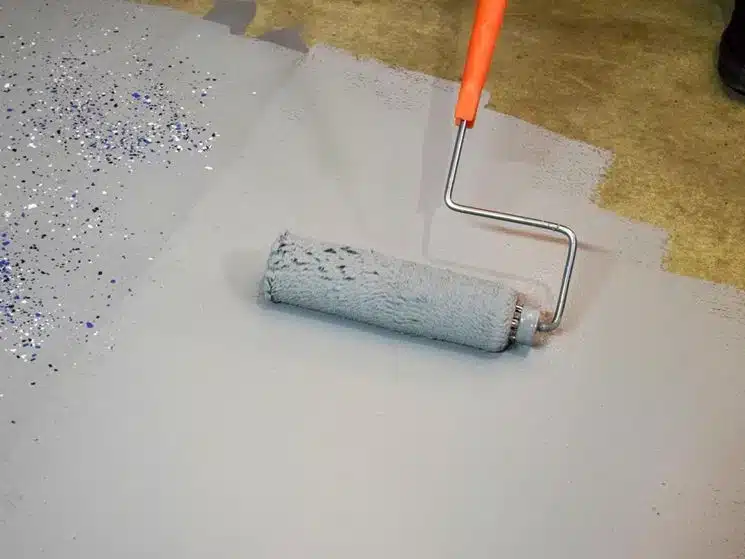
Mix the resin exactly as specified for the product—typically a two-component mix by weight or volume. Pour into a clean mixing tub, blend consistently, and avoid introducing bubbles. Use your chosen application roller for broad areas or a spatula for detailed decorative work. Apply in even, thin layers, avoiding thick application on vertical surfaces, which may lead to runs.
Allow each layer to cure properly before moving to the next if multiple coats are required. Maintain recommended curing times for lasting adhesion and finish quality.

Step 4: Finishing Touches and Edge Clean-Up
Protect surrounding areas and tile edges with masking tape before you start. Once final resin layers have cured, carefully remove all tape, revealing sharp, neat boundaries. If making a custom decorative wall, sand lightly after 48 hours for a satin finish or leave glossy as preferred. Clean up any drips or runs before full set—timing is crucial to avoid marks on the final surface.
Edge protection prevents drips or runs, especially on vertical tiles. Safely dispose of used consumables and tools according to local regulations.
Aftercare, Tips, and Common Mistakes
Your resin-coated tiles will benefit from gentle cleaning and avoiding harsh chemicals or abrasives. Consider using only soft cloths or non-scratch sponges. Never drag furniture directly over fresh coatings, and avoid moisture exposure until full curing is achieved. If you notice uneven sheen or poor adhesion, review cleanliness and curing steps in the process.
Thoroughly ventilate the area for safe curing and to minimise odour build-up. Avoid applying thick layers on vertical tiles to prevent runs and sagging.
Achieve a Professional Look Every Time
Small details, like taping edges and precise tool use, elevate the quality of your resin work on tiles. Take time to check your application tools, keep your work area dust-free, and always follow specific curing instructions for flawless, durable results.
- "Prolux" – PU coating for tiles, concrete, plastic and metal – suitable for driveable surfacesPrice range: £44.85 through £494.85"Prolux" is a polyurethane coating for tiles and multiple surfaces, designed for durable, high-traffic and damp areas with a versatile finish.
- "Epoxyprimer" – Universal Water-Based Two-Component Epoxy Floor PrimerPrice range: £156.45 through £286.45"Epoxyprimer" is a universal water-based epoxy floor primer designed for reliable adhesion on concrete, tiles, and timber surfaces.
- "Vertical Glass" – Thick Resin Decorative Wall CoatingPrice range: £78.95 through £188.95Vertical Glass is a decorative epoxy resin coating for vertical surfaces, allowing customised, waterproof finishes on tiles and more.
 Resin & Paint Application Rollers – Short-Pile, Large, and Sponge TypesPrice range: £3.62 through £5.09Rollers designed for epoxy resin applications, suitable for detailed and broad coverage, supporting precision and uniform finishes.
Frequently Asked Questions
Can you apply resin directly to glazed tiles?
It is strongly recommended to clean and lightly abrade glazed tiles before priming, as this improves adhesion for the resin layer.
Should you prime tiles before pouring resin?
Yes, using a purpose-built primer ensures strong bonding between the tiles and any resin or polyurethane coating applied.
Which resin should I use for tile floors versus tile walls?
Choose a durable PU or epoxy coating for floors, while decorative wall resins are best for vertical tile applications.
Can resin coatings be used in bathrooms and wet rooms?
Yes, provided the surface is properly prepared and the correct resin is chosen, resin can offer excellent waterproofing on tile surfaces.
How do you prevent runs or drips on vertical tiles?
Apply thin layers using a spatula or short-pile roller and select a resin designed for vertical surfaces to avoid sagging.
How long should you wait before using a resin tile floor after application?
Wait until the recommended full cure—usually 24–48 hours for primers and as specified for the resin before foot traffic.
Is sanding necessary before applying resin on tiles?
Light sanding helps resin coatings adhere better, especially on glossy or non-porous tiles.