 Free shipping on orders over £29,85
  Shipping Tracking!


 Google
 Facebook
← Back to How do you coat an old wooden floor with resin?
When applying resin to wooden floors, one common concern is whether the finished surface will be slippery. This mini-guide explores how slip-resistant resin coatings can be achieved and offers practical steps for a safer floor finish.
Are Resin Coatings Naturally Slip Resistant?
Clear epoxy and polyurethane resin coatings typically cure to a smooth, glossy surface, which can be quite slippery—especially when wet. This is great for aesthetics but may not suit all areas of your home or business where extra grip is essential, such as hallways or entryways.
How to Enhance Slip Resistance
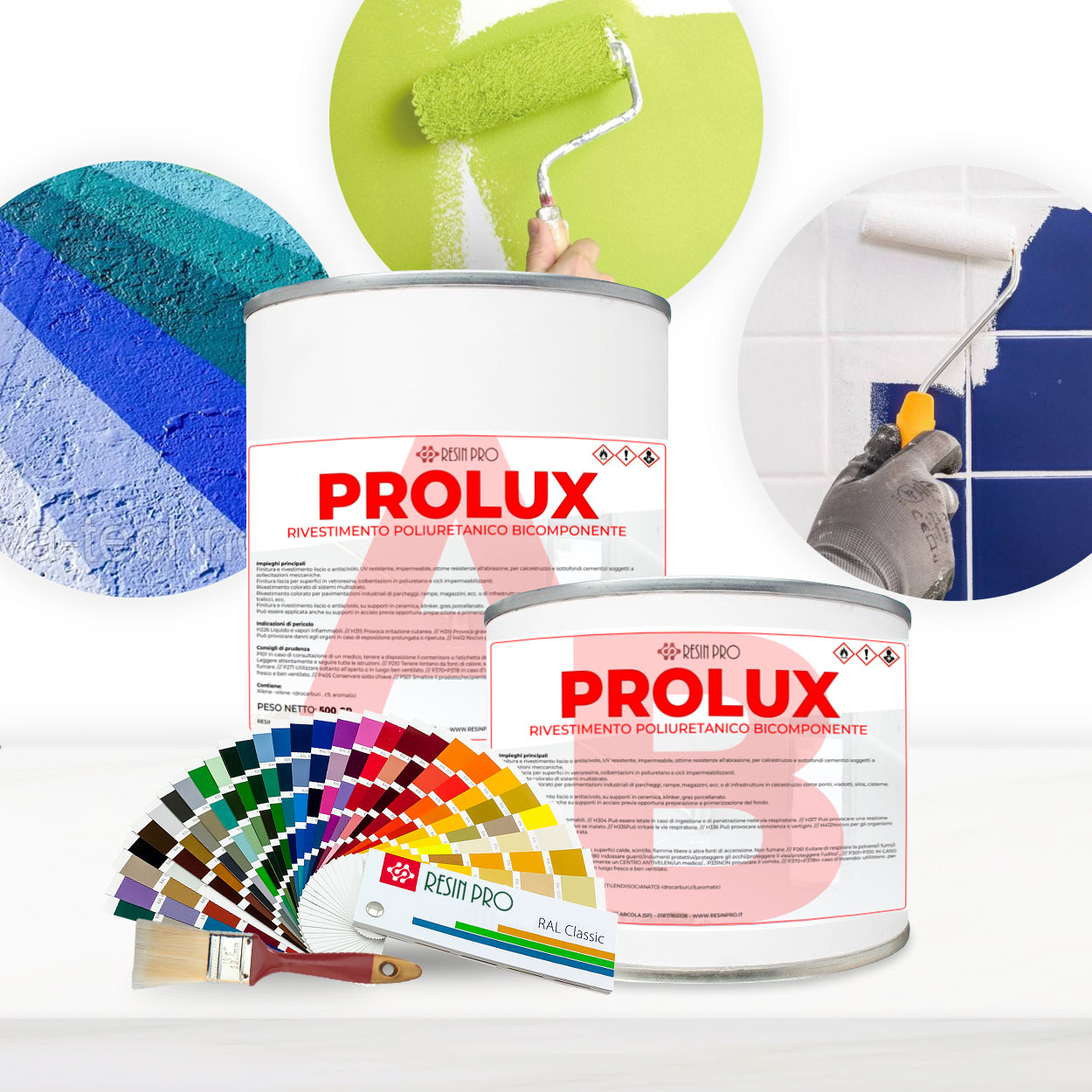
There are straightforward methods to increase the safety of a resin-coated floor. A popular approach is to add a non-slip additive—usually a fine aggregate or specially designed grit—into your topcoat. Alternatively, you can apply a matte or textured polyurethane topcoat. Products such as “Prolux” PU coating allow for a satin finish that offers greater slip resistance, and a texture can be achieved by using the appropriate application technique. Always double-check the compatibility of additives or protective topcoats with your chosen resin system for best results.
When Does Slip Resistance Matter?
Slip resistance is especially important in high-traffic areas, homes with elderly residents or children, and spaces exposed to moisture. Tailoring the level of grip to your needs ensures your beautiful resin floor remains practical and safe.
Related products
Related guides
While resin coatings naturally have a smooth finish, adding a non-slip element is simple and effective. For detailed advice on preparing old wooden floors for resin and creating a safe, durable coating, visit our main guide: How do you coat an old wooden floor with resin?.