 Free shipping on orders over £29,85
  Shipping Tracking!


 Google
 Facebook
How do you use epoxy resin?
Step-by-step guide for jewellery, casting, and woodworking


Epoxy resin opens up a world of creative opportunities, from dazzling jewellery pieces to stunning tabletops and intricate art. If you are new to resin, learning the fundamentals is crucial for a smooth, professional finish and safe handling. This guide outlines the essential steps for using epoxy resin correctly, whether you’re making jewellery, crafting decorative items, or working on woodworking projects.
By the end, you will understand the process from preparation to polishing, learn how to prevent common mistakes, and be ready to take on your next resin adventure.
What You’ll Need
- “One-2-One” – Epoxy Resin for Handcraft, 1:1 Mixing Ratio: A medium viscosity resin for jewellery and decorative projects
- “Evershine Collection” – Artisan Jewellery Epoxy Resin Kit with 100+ Accessories: Ideal for beginners wanting a full set with tools
- “Trasparente” – Multipurpose Clear Epoxy Resin for Casting – Up to 2cm: For casting thicker objects and layered pours
- “River-Table” – Complete Kit for Creating Your First Epoxy Resin Table: Includes all elements for river tables and large-scale projects
- Mixing cups and sticks, gloves, silicone or plastic moulds (as needed depending on your project)
- Protective apron and eye protection
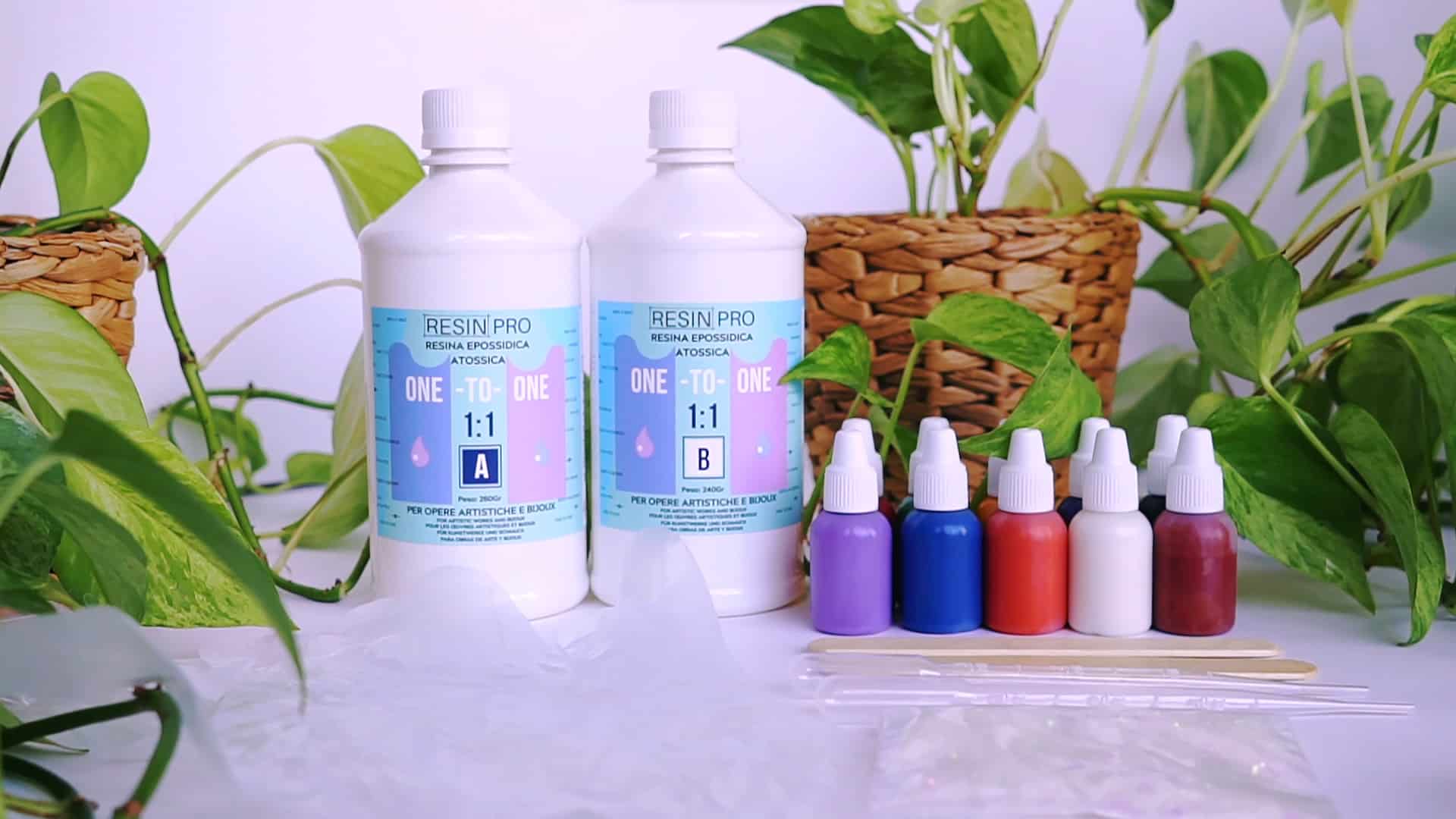
Essential Tools for Epoxy Resin Success
Gather gloves, mixing sticks, and appropriate moulds to ensure precise and safe resin handling. Consider choosing a beginner-friendly kit for reliable results on your chosen project.
Step 1: Prepare Your Workspace and Materials
Before you begin, make sure your workspace is clean, level, and free from dust. Cover the area with protective sheets or newspaper, and gather all your tools and materials close at hand. It is important to work in a well-ventilated space—epoxy resin should not be inhaled, and good airflow helps keep fumes minimal. Wear disposable gloves and an apron to protect your skin and clothing from sticky spills.
Prepare your moulds or woodwork by ensuring they are dry, dust-free, and, if required, treated with a release agent. Double-check that everything is ready, as epoxy resin begins curing soon after mixing.

Step 2: Mix the Resin and Hardener Accurately
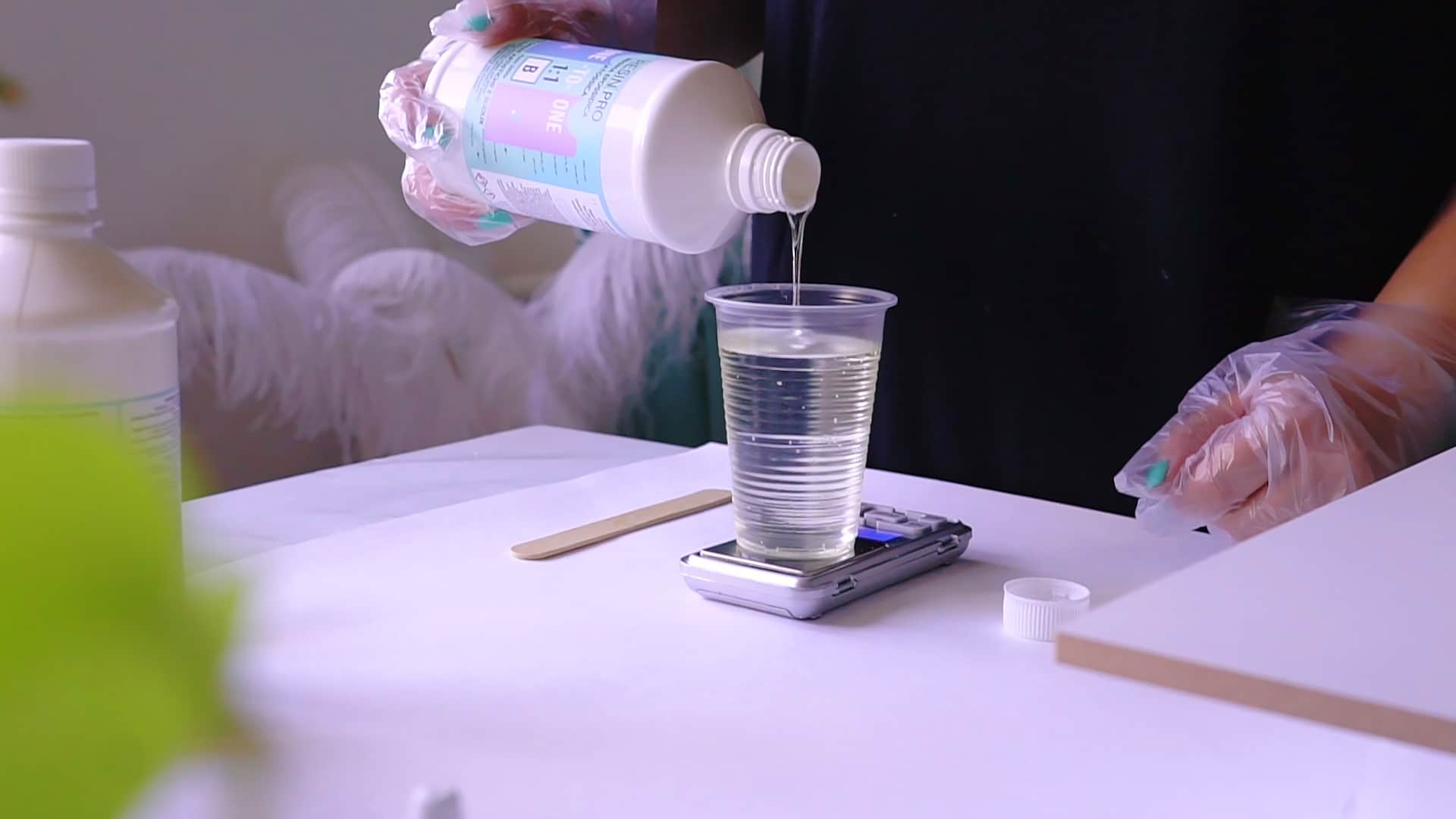
Measure the exact ratio recommended in your resin instructions. Most handcrafting and beginner kits, such as the “One-2-One” – Epoxy Resin for Handcraft, 1:1 Mixing Ratio, use equal parts by volume, which simplifies the process and reduces user error.
Pour both resin and hardener into your mixing cup. Stir slowly and thoroughly for at least 2–3 minutes, scraping the sides and bottom until the mixture is clear, with no streaks. Avoid vigorous stirring, as this can introduce excess bubbles.
Step 3: Pour and Work with the Resin
Once mixed, you have a limited time before the resin begins to set (often called ‘pot life’). Pour the resin into your mould or directly onto your prepared surface. Use a spatula or stirring stick to help level the resin and coax it into corners or fine details in the mould.
Epoxy resin naturally levels itself, but you may need to pop bubbles that rise to the surface. A quick pass with a heat gun or a gentle breath over the resin helps eliminate most bubbles, especially useful for jewellery and art projects. Pour thinner layers if you are new, as thicker layers can overheat or cure unevenly. For deeper casts, use a resin designed for layers up to 2cm, such as “Trasparente” – Multipurpose Clear Epoxy Resin for Casting – Up to 2cm.
Step 4: Cure and Demould Your Project
Allow the resin to cure in a dust-free, level area. Cover your project with a box or shield to prevent debris falling onto the surface. Curing times vary by resin type and temperature, but often require 12–48 hours.
Wait until the resin is fully hardened before demoulding or handling. Rushing this process can cause fingerprints or deformities. If you’re using a kit such as the “River-Table” – Complete Kit for Creating Your First Epoxy Resin Table, follow the included step-by-step instructions for best results with larger pieces.

Step 5: Sand, Polish, and Finish
After demoulding, inspect your piece for sharp edges or imperfections. Sand rough spots with progressively finer grit sandpapers, keeping the surface wet to minimise dust. For a high-gloss finish, polish your resin with a suitable compound and soft cloth or pad. Many starter kits come with their own polishing pads and creams, making it easier to achieve a professional look without additional purchases.
Tips and Common Mistakes with Epoxy Resin
Follow instructions carefully and measure precisely. Incorrect mixing ratios or poor stirring are leading causes of sticky, tacky, or improperly cured resin.
Always work in a well-ventilated area and wear gloves. Skin contact or inhalation of uncured epoxy components can cause irritation or allergic reactions.
Pour in thin layers if uncertain, as deep pours risk overheating or incomplete curing. Avoid rushing the curing process—give your project enough time to harden fully before finishing touches or heavy use.
Allow enough curing time before demoulding. Be patient and consult the product’s cure guidelines, especially for larger items like river tables.
Inspiration: Resin Artistry in Action
Explore a spectrum of resin creations—from shimmering jewellery and river tables to vivid artwork. Let successful projects inspire your own unique approach with epoxy resin.
- "One-2-One" – Epoxy Resin for Handcraft, 1:1 Mixing RatioPrice range: £15.95 through £59.95"One-2-One" epoxy resin is a medium viscosity, non-toxic resin suited for beginners and experienced crafters working on jewellery and decorative…
- "Evershine Collection" – Artisan Jewellery Epoxy Resin Kit with 100+ Accessories£21.95"Evershine Collection" offers an all-in-one epoxy resin kit with clear 1:1 mix resin and 100+ accessories for jewellery craft projects.
 "Trasparente" – Multipurpose Clear Epoxy Resin for Casting – Up to 2cmPrice range: £8.95 through £397.95"Trasparente" is a clear casting resin suitable for detailed projects and layered pours up to 2cm, designed for various DIY and artistic woodworking…
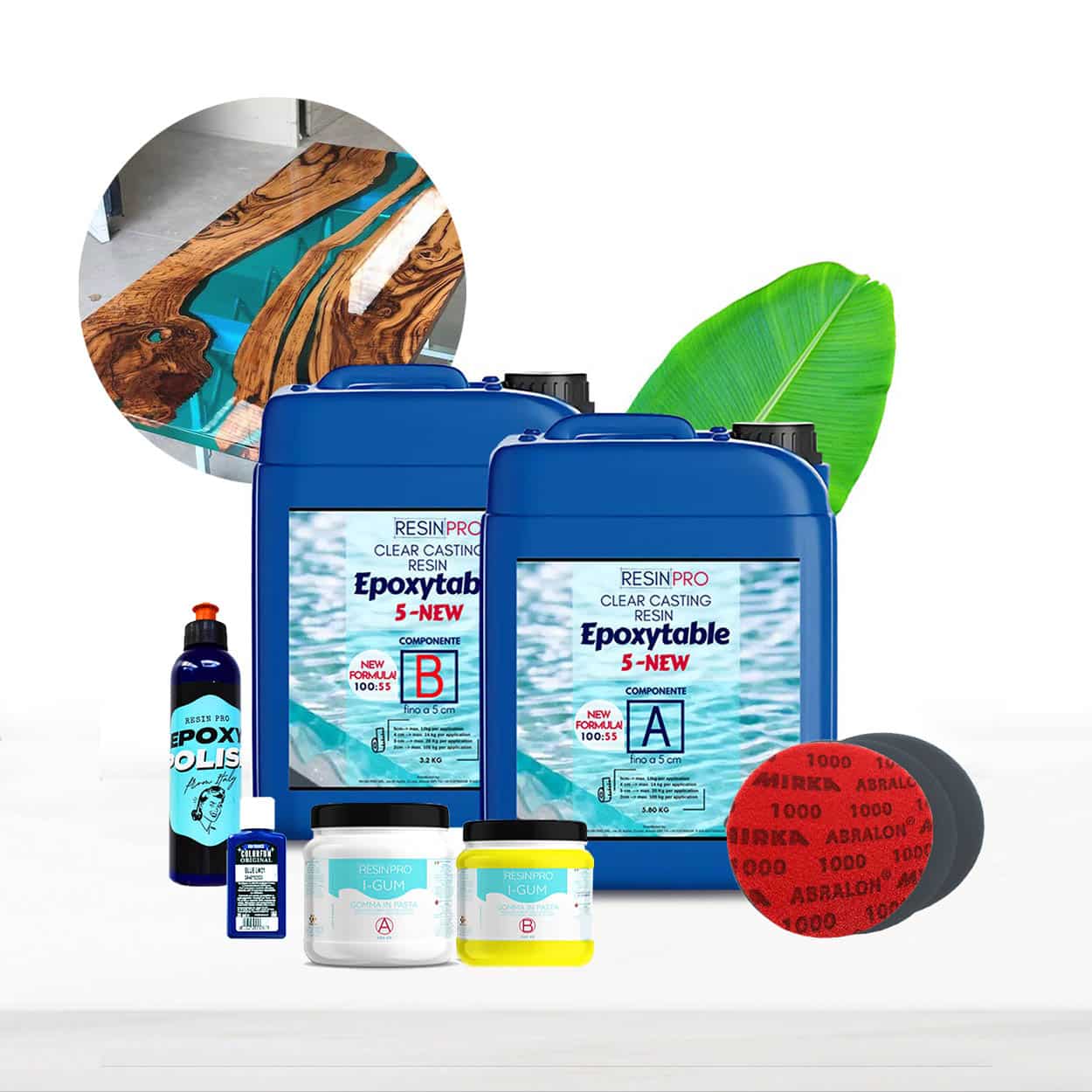 "River-Table" – Complete Kit for Creating Your First Epoxy Resin TablePrice range: £198.45 through £467.45This complete kit provides materials and instructions to create a wood and resin table using epoxy resin.
Frequently Asked Questions
What is the ideal mixing ratio for most epoxy resins?
Many beginner and handcraft resins use a simple 1:1 volume ratio, but always check the specific product instructions for accuracy.
How do I prepare a mould before pouring epoxy resin?
Ensure moulds are clean, dry, and free from dust; apply a suitable release agent if needed for easy demoulding after curing.
How can I minimise bubbles in poured resin?
Stir resin slowly, avoid vigorous mixing, and use a heat source like a heat gun or torch to gently pop surface bubbles after pouring.
What precautions should I take for safe use?
Wear gloves and eye protection, work in a well-ventilated area, and avoid skin contact with uncured resin and hardener.
How long should I wait before demoulding my epoxy resin project?
Typical curing times range from 12 to 48 hours, depending on resin type and ambient temperature. It's best to consult your product's guidelines.
Can epoxy resin be sanded and polished for a high-gloss finish?
Yes, start with coarse and progress to fine grits, keeping surfaces wet, then polish with a recommended compound for a shiny finish.