 Free shipping on orders over £29,85
  Shipping Tracking!


 Google
 Facebook
← Back to How do you remove epoxy putty?
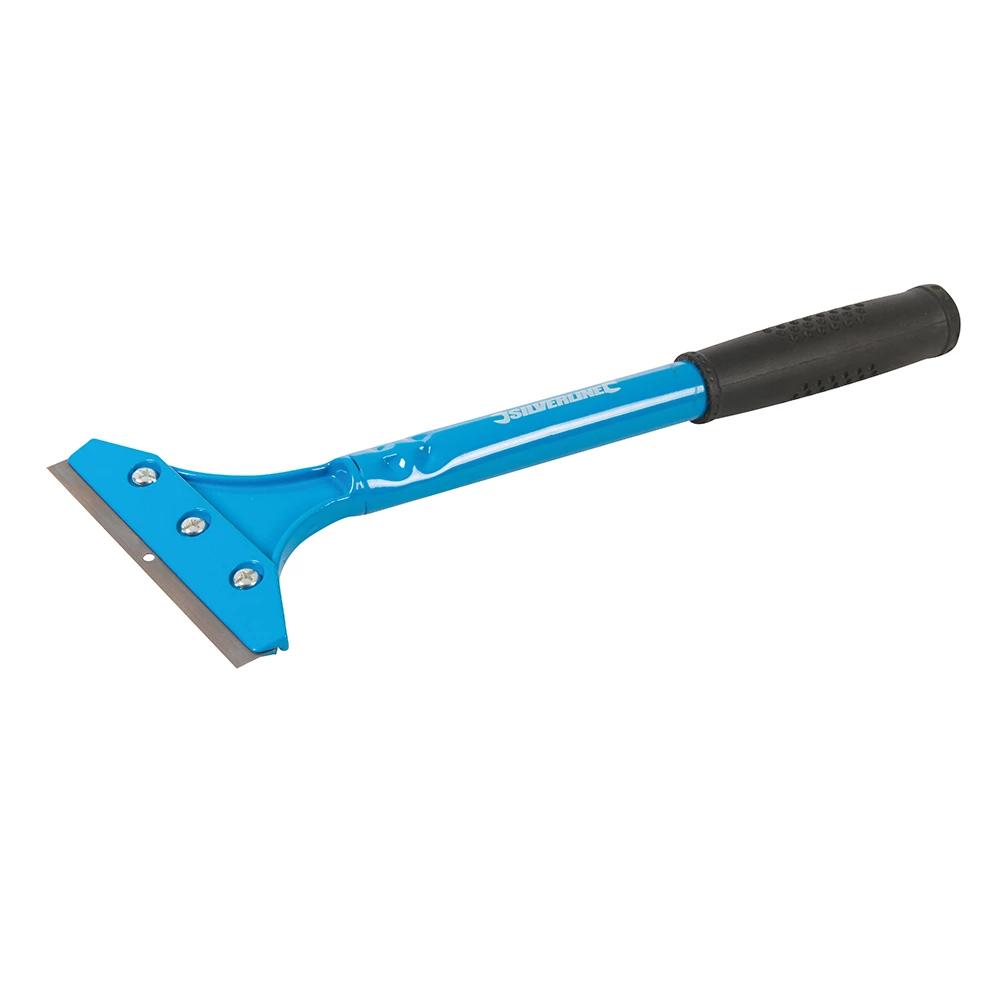
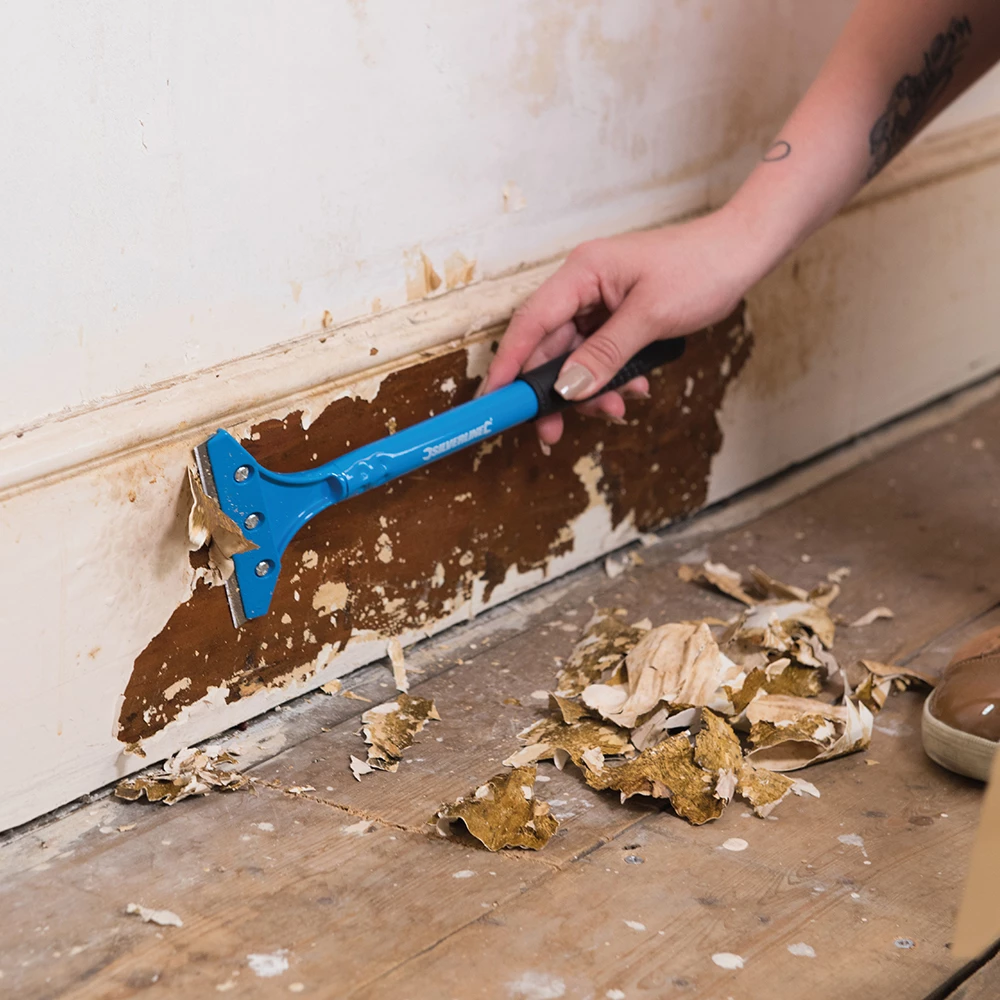
Scrapers are an effective manual tool for removing hardened epoxy putty from sturdy surfaces, making them a go-to choice in renovation and repair tasks.
How Scrapers Work on Cured Epoxy Putty
When epoxy putty has fully set, it forms a tough, inflexible surface that bonds strongly to most materials. Sharp-bladed scrapers are ideal for physically lifting, breaking, and peeling this residue away, especially from metal, glass, or tile. Always ensure the scraper’s blade is sharp and held at a low angle for best results. For example, a Heavy Duty Scraper for Paint and Epoxy Resin Removal can help target stubborn patches with precise control.
Choosing the Right Scraper
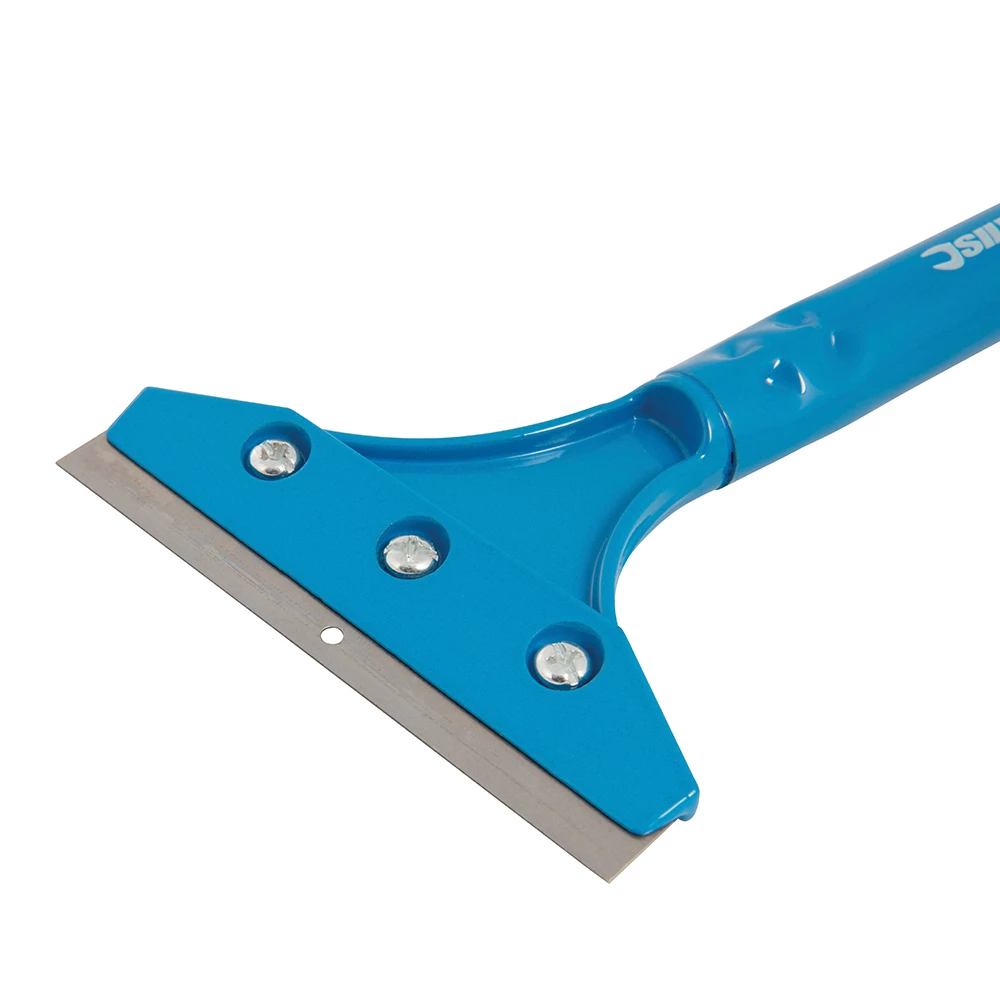
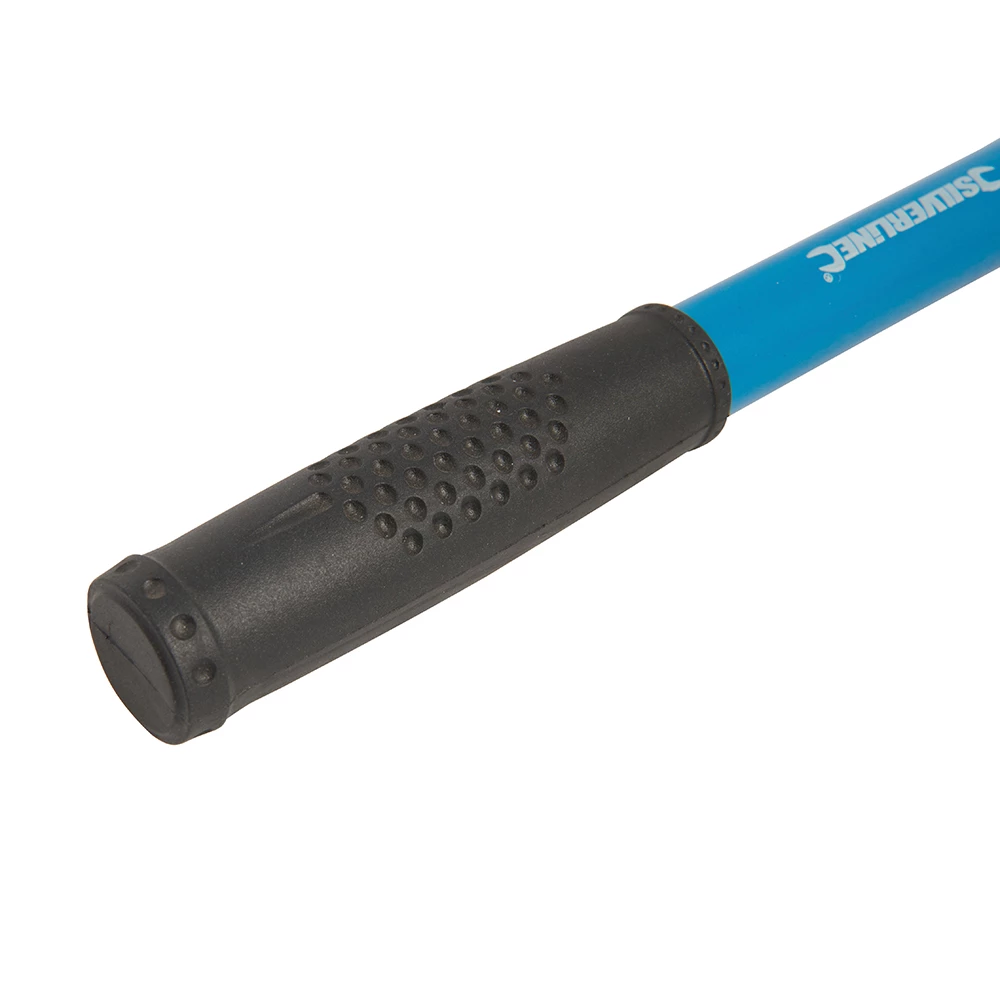
The best scraper for cured epoxy putty will feature a sturdy handle, a steel or replaceable razor blade, and a comfortable grip for extended use. For smooth surfaces, manual scrapers with replaceable blades—such as the Scraper for Paint & Dry Resin Removal—offer a practical solution. Tool-free blade changes and safety features are worth considering if you expect to tackle recurring tasks around the home or workshop.
When This Matters: Surface Condition and Care
Manual scrapers are most suitable for robust, non-porous surfaces like metal or glass, where gentle prising and scraping won’t cause damage. Avoid using sharp scrapers on delicate finishes or textured substrates, as this could scratch or gouge the material beneath. Always wear appropriate hand protection and work slowly to maintain control.

Related products
Related guides
While scrapers offer a reliable way to tackle cured epoxy putty, using the right tool and technique is vital for safe, effective removal. For a full guide on epoxy putty removal methods, visit our main page on how to remove epoxy putty.