 Free shipping on orders over £29,85
  Shipping Tracking!


 Google
 Facebook
← Back to How to paint polyethylene resin?

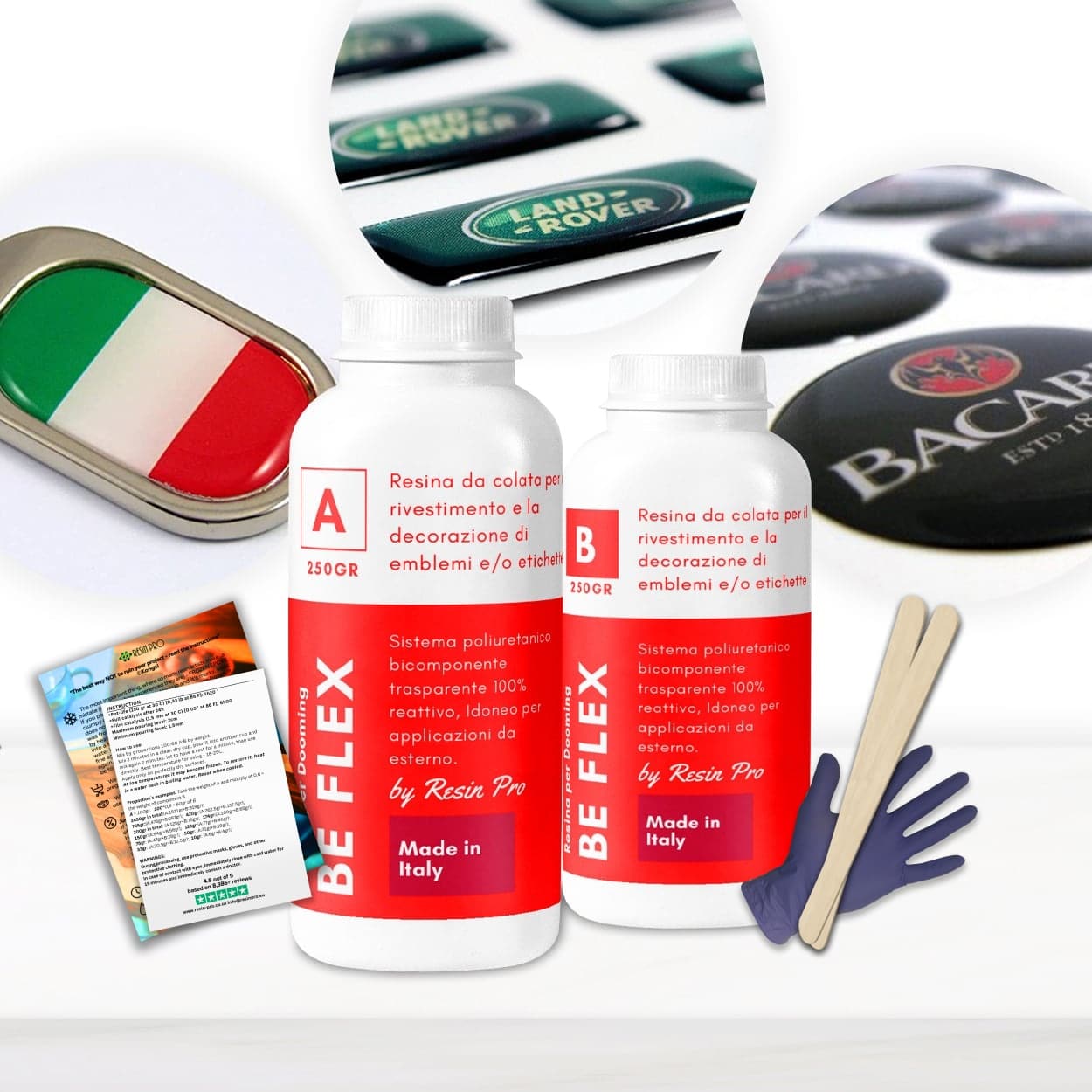
Painting polyethylene resin can be challenging due to its slippery, low-energy surface, which repels many paints. However, with the correct preparation techniques, it is possible to achieve a lasting, attractive finish.
Preparing the Surface for Painting
Proper surface preparation is crucial for successful paint adhesion on polyethylene resin. Begin by thoroughly cleaning the item to remove contaminants such as dust, grease, or oils. Pure Isopropyl Alcohol 99.9% is highly effective for this step, as it cleans without residue and dries rapidly.
Once clean, gently sand the surface using fine-grit sandpaper. This creates microscopic textures, allowing the paint to grip the otherwise smooth plastic. After sanding, ensure all dust is removed before proceeding to priming.
Choosing the Right Primer and Paint
Polyethylene resin’s low surface energy requires a primer formulated specifically for plastics. Look for plastic adhesion or bonding primers designed for challenging substrates. Once the primer is dry, most types of acrylic or spray paints can be applied in thin, even coats for a professional result. Allow each layer to cure fully before applying the next to reduce the risk of peeling or patchiness.
When This Matters
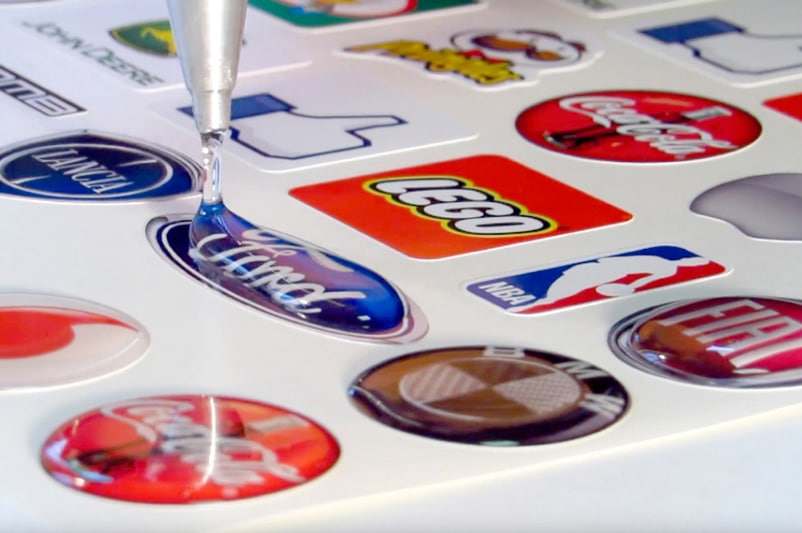
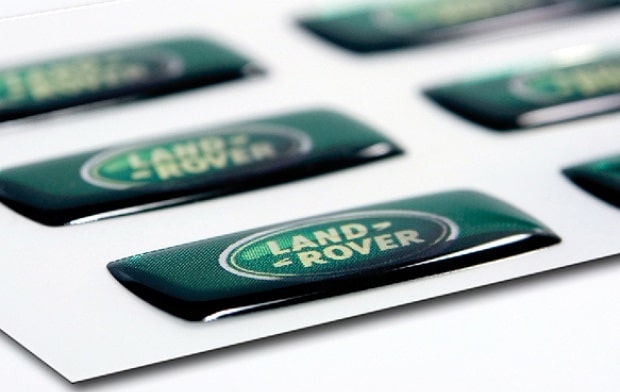
Careful preparation and the right products are especially important for items subject to handling, outdoor exposure, or display use—such as decorative models or 3D domed labels. A quality finish not only improves appearance but extends the item’s usable life.
Related products
Related guides
Mastering the art of painting polyethylene resin opens up creative possibilities in crafts, prototyping, and decorative work. For more in-depth guidance, materials, and expert tips, explore the advice and resources on our How to paint polyethylene resin hub.