 Free shipping on orders over £29,85
  Shipping Tracking!


 Google
 Facebook
← Back to How to paint polyethylene resin?

Priming polyethylene is a key step before painting, ensuring good paint adhesion and a longer-lasting finish. The proper wait time after priming is crucial for best results.
Typical Dry and Cure Times
Most primers suited for polyethylene require around 1–2 hours to become touch dry. However, for the primer to achieve full cure — the point at which it is ready to be painted without the risk of disrupting adhesion — waiting longer is typically necessary. Full cure can range from several hours to overnight depending on the product and environmental conditions, so always check your primer’s specific instructions.
What Affects Primer Drying?
- Type of primer: Specialist adhesion primers may dry faster or slower than general-purpose types.
- Temperature & humidity: Warmer, less humid spaces speed up drying, while cold or damp environments slow it down.
- Layer thickness: Applying a thin, even coat ensures consistent curing through to the base.
Preparation for a Smooth Finish
After priming, ensure the surface is dry and free from dust or oils before painting. For detailed or small-scale pieces, consider using an effective surface cleaner, such as Pure Isopropyl Alcohol 99.9%, to eliminate contaminants and maximise paint adherence. Gentle sanding with fine-grit paper between coats can also help achieve a truly glossy finish.
When Does Wait Time Matter Most?
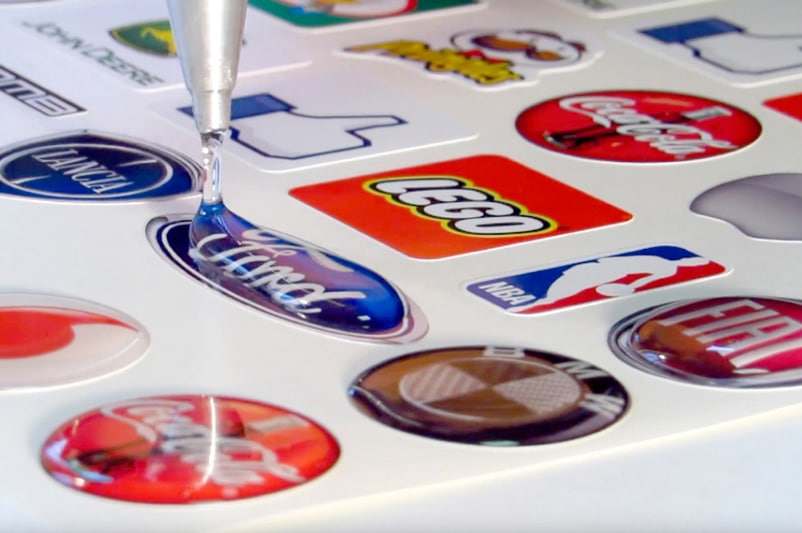
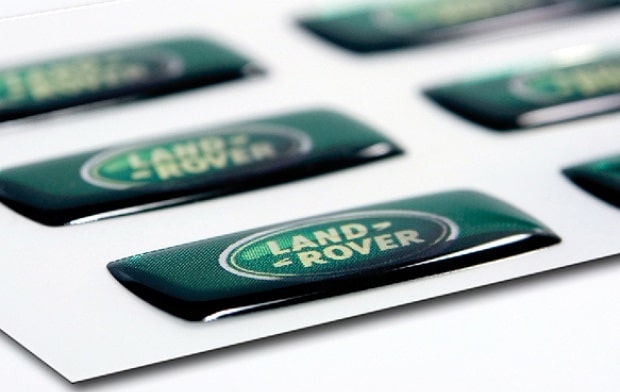
Taking the time to let your primer fully cure is especially important for flexible parts, high-contact surfaces, or when using specialist coatings such as doming resins. Rushing this step may result in peeling or poor durability.
Related products
Related guides
Allowing adequate time after priming is key to the success of any painted polyethylene resin project. For more guidance on surface preparation, painting, and choosing the right materials, see our main guide on how to paint polyethylene resin.