 Free shipping on orders over £29,85
  Shipping Tracking!


 Google
 Facebook
← Back to How do you resin foam?
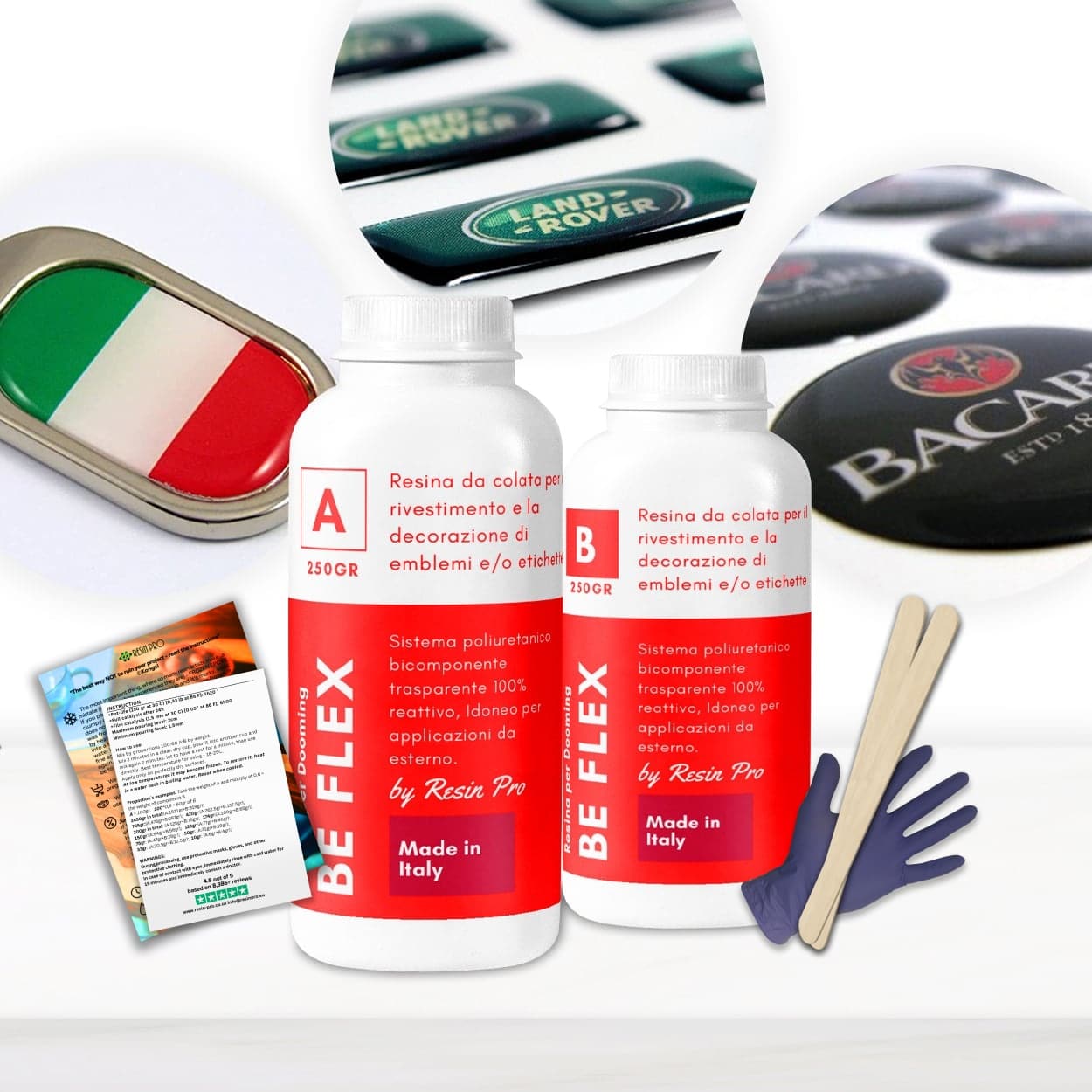
Foam surfaces can be tricky to coat, especially if you want a result that’s both protective and flexible. Choosing the right resin is essential for long-lasting, crack-free coverage, whether you’re working with curved or compressible foam shapes.
Why Flexibility and Durability Matter
When coating foam, flexibility is crucial to prevent cracking or peeling as the foam is compressed or handled. Ordinary rigid resins may shield the surface but will fail over time on anything that bends or flexes. A specialised, flexible polyurethane resin, such as “Be Flex”, is designed to move with the foam, maintaining both appearance and protection.
Practical Application Tips
- Preparation: Ensure your foam is clean, dry and free from dust or grease before application.
- Application: Polyurethane resins can be poured, brushed or spread depending on the project size. Apply in a thin, even coat for the best results.
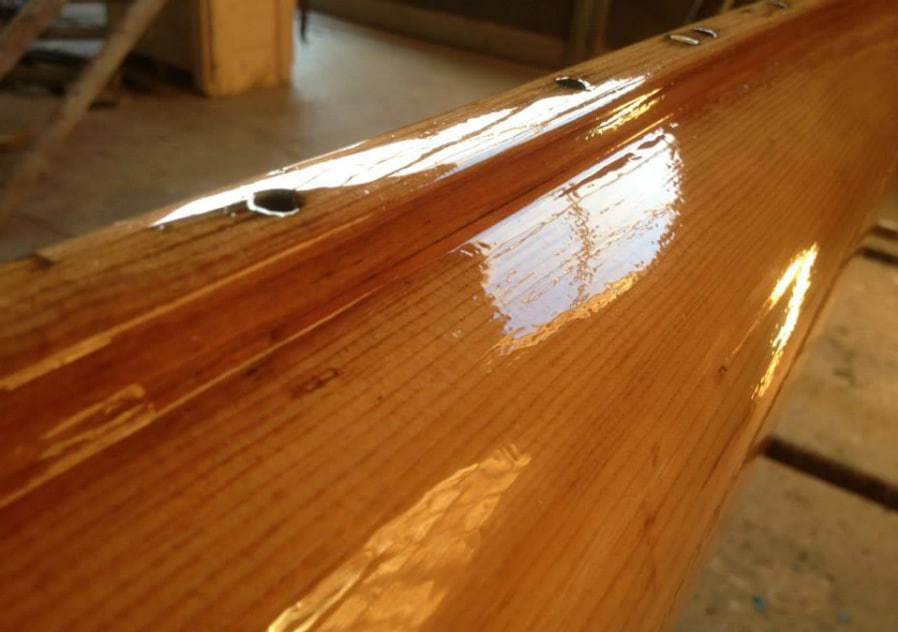
- Curing: Allow the resin to cure fully in a dust-free space. Flexible polyurethane resins like “Be Flex” remain clear and glossy once set, resisting scratches and yellowing.
When a Flexible Coating Matters Most
A flexible coating is especially important for foam that will be handled, squeezed, or used outdoors. Think cosplay props, signage, badges, or decorative items where static, rigid coatings would quickly show damage. Products such as “Be Flex” are formulated to stay resilient, even on curves and compressible areas.
Related products
Related guides
For the most reliable, clear and flexible finish on foam, opt for a polyurethane-based resin. This specialised coating ensures your project keeps its looks and integrity over time. For a broader look at foam resin techniques, visit our main How do you resin foam? hub.