 Free shipping on orders over £29,85
  Shipping Tracking!


 Google
 Facebook
← Back to How are epoxides obtained?

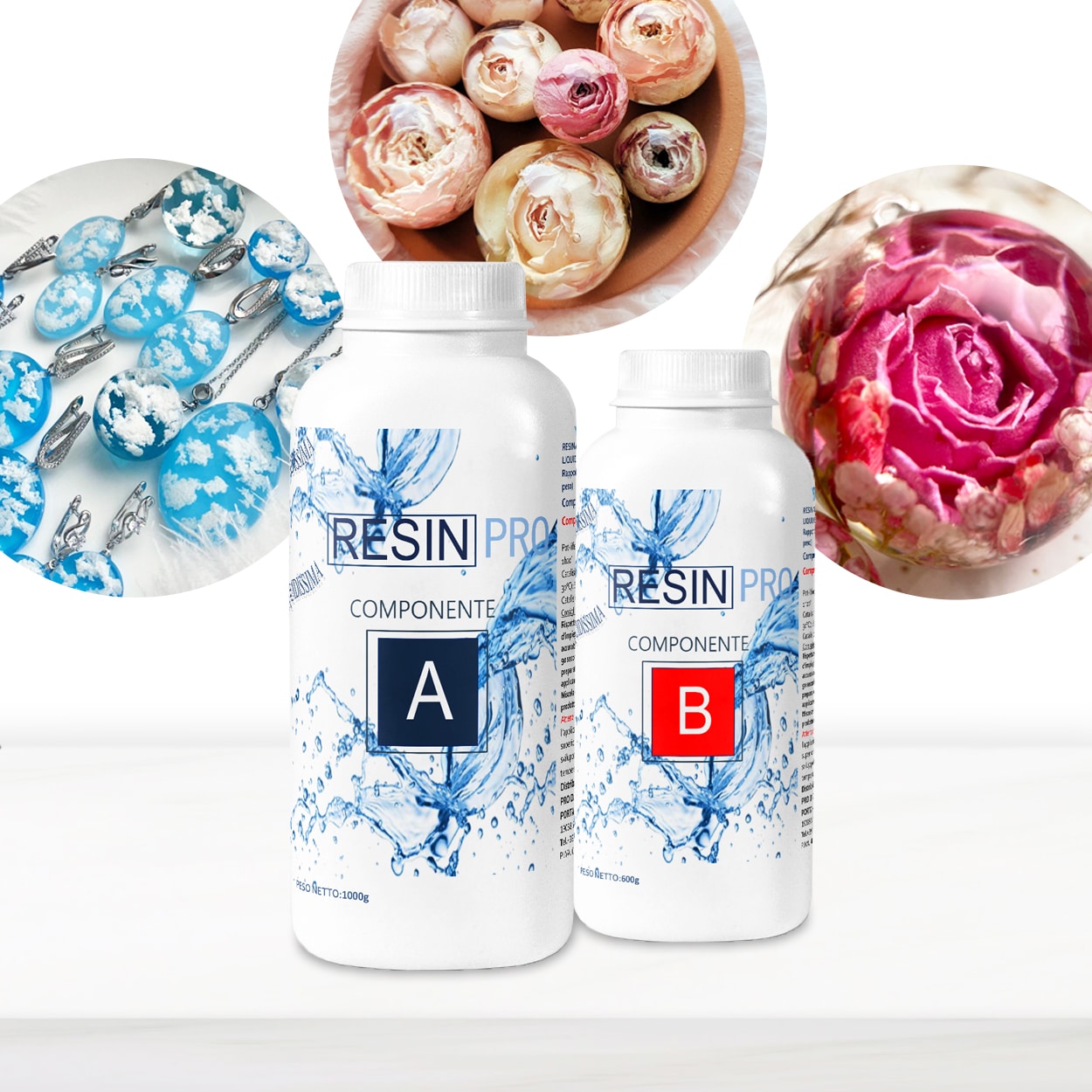
Trapped air bubbles are a common challenge when casting or coating with epoxy resin. Having the right technique and tools at hand can make all the difference for achieving a flawless, professional finish.
Why Bubbles Form in Epoxy Resin
Air can become trapped in resin during mixing or pouring, particularly in intricate moulds or when working quickly. Bubbles rise to the surface as the resin cures. If not removed, they may show as imperfections in your finished piece, compromising clarity or durability, especially for detailed jewellery or art work.
Effective Techniques for Bubble Removal
One of the most reliable ways to banish surface bubbles is to apply pure isopropyl alcohol (99.9%) directly onto freshly mixed or poured resin. Just a few gentle drops are enough to break the surface tension, releasing trapped air efficiently. This method leaves no residue and works well for both casting and coating.
- Slow, careful mixing can minimise air introduction.
- Pour at a low angle to further reduce trapped air.
- Using a low-viscosity resin, such as “Liquidissima” – Epoxy Resin For Creations & Jewellery, helps bubbles escape more easily.
When Bubble Removal Matters Most
Bubble removal is particularly important when working with clear resin projects, such as jewellery, river tables, and artistic coatings, where clarity and transparency are priorities. Even minor bubbles are much more visible in these applications, making careful bubble management essential.
Related products
Related guides
Mastering resin bubble removal is a key step towards professional results in your epoxy creations. Explore more tips and techniques on the parent guide about epoxides and resin use to enhance your future projects.