 Free shipping on orders over £29,85
  Shipping Tracking!


 Google
 Facebook
← Back to How are epoxides obtained?

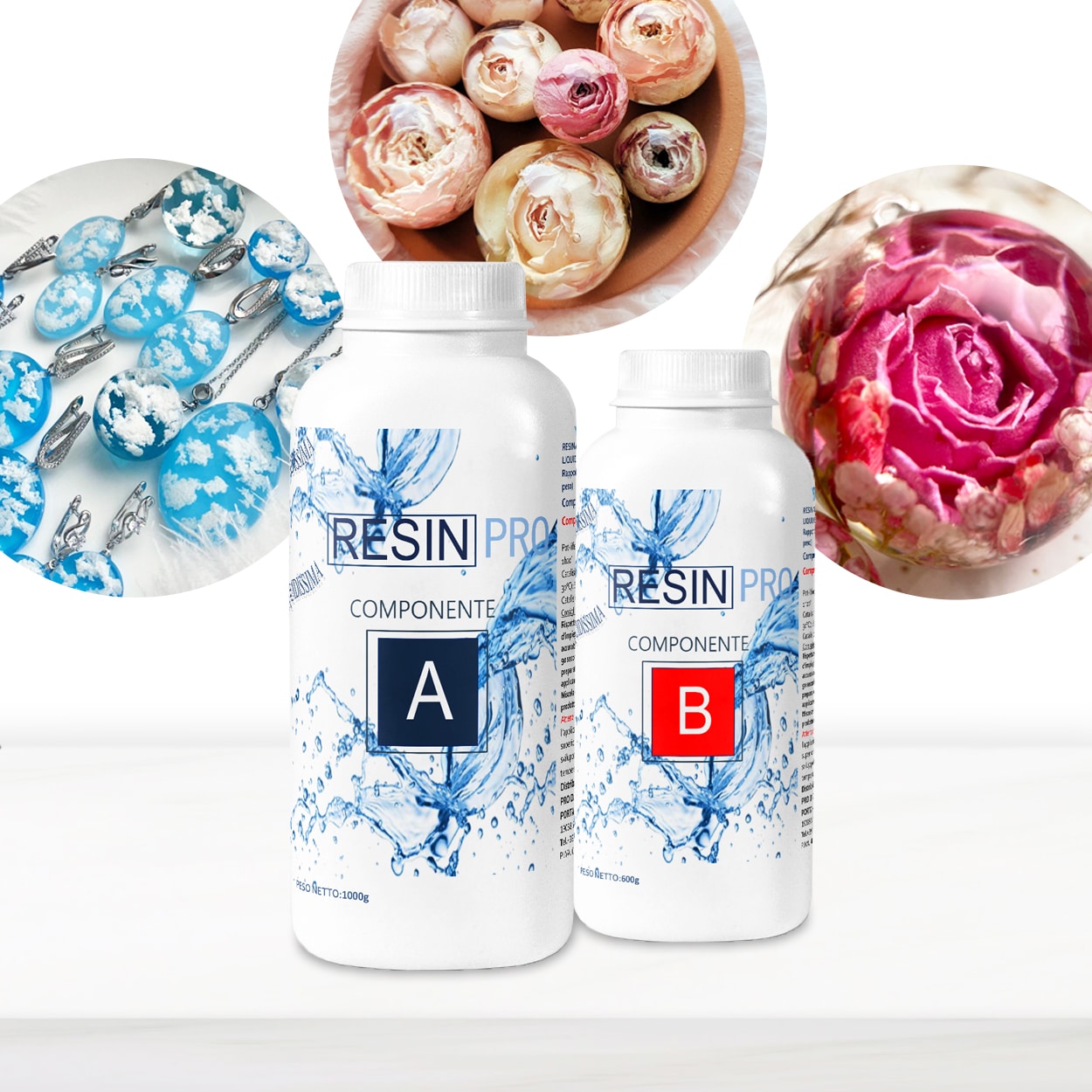
Room temperature curing is a common feature in many epoxy resin systems, simplifying usage and expanding creative and industrial applications. Understanding how and when to use this process can help ensure your project turns out just right.
What Does Room Temperature Curing Mean?
Room temperature curing refers to the ability of an epoxy resin to fully set and develop its properties without the need for added heat or ovens. Most room temperature curing epoxies are formulated to react and harden when mixed, typically at ambient conditions (around 18°C to 25°C). This is particularly convenient for home users, artists, or makers who may not have access to specialised equipment.


Advantages and Practical Guidance
Choosing a resin that cures at room temperature has several advantages: it is approachable for beginners, reduces the need for extra tools, and is suitable for materials that could be affected by heat. When working with products like Carbon Resin, room temperature curing ensures that composite structures maintain integrity and achieve a glossy, professional finish. Always check precise mixing instructions and maintain a stable environment for best results—fluctuations or drafts may affect curing quality.
When Room Temperature Curing Matters
- Moulded jewellery or artwork: Products such as Liquidissima count on predictable curing for clear, bubble-free results.
- Composite repairs and builds: Room temperature curing makes workflows smoother for both hobbyists and professionals working with fibreglass or carbon fibre.
Related products
Related guides
Room temperature curing is a helpful characteristic for many resin projects, providing flexibility and reliability. For more insights into selecting and using epoxy resins, explore the broader topic on how epoxides are obtained and formulated for different needs.