 Free shipping on orders over £29,85
  Shipping Tracking!


 Google
 Facebook
← Back to What Is the Resin Called for Tracks?
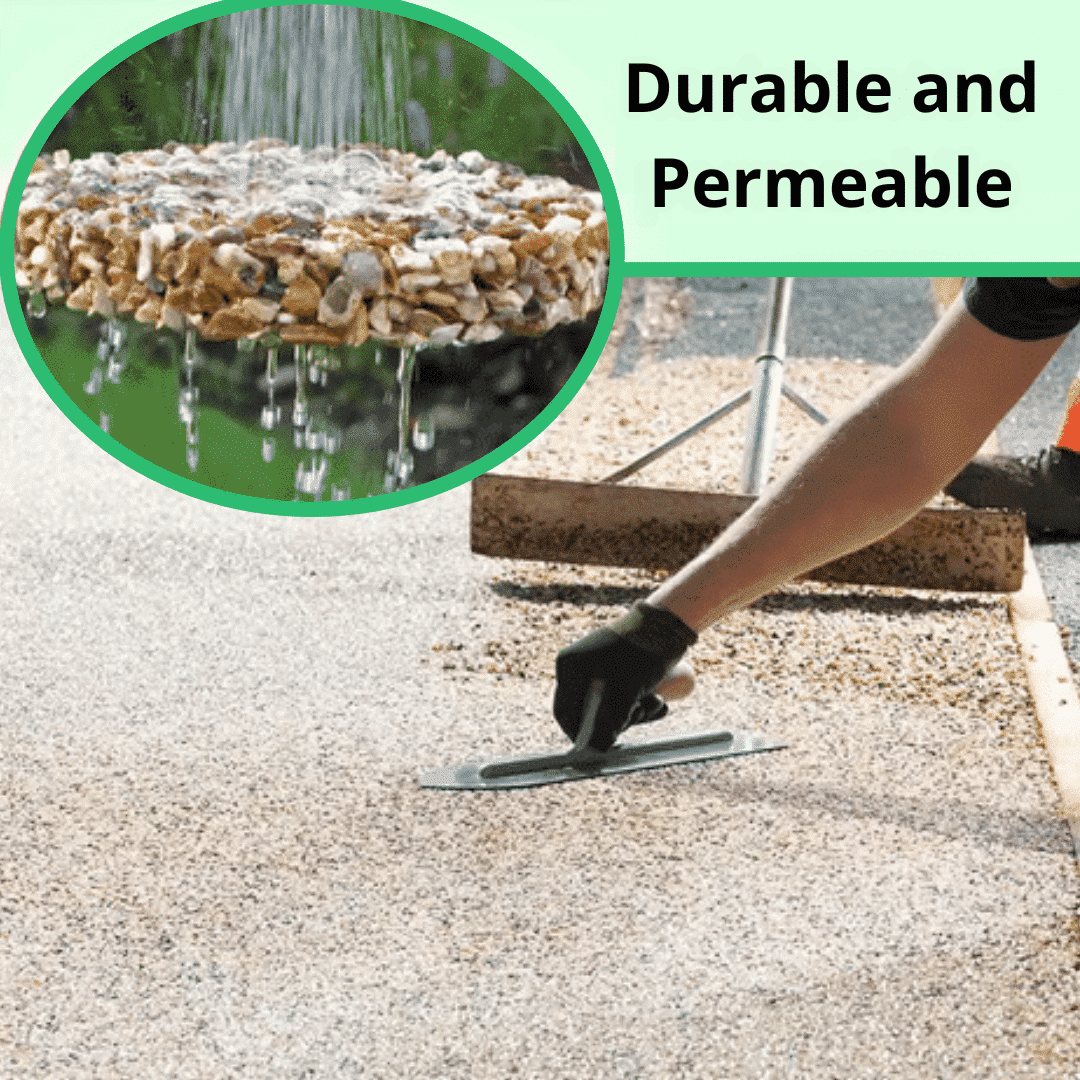
Choosing the right resin for flooring is key to achieving the balance of durability, style, and performance you need. Here’s a quick guide to the main resin types available, each suited for different surfaces and application methods.
Main Resin Types for Floors
Resins for flooring generally fall into three main categories: methacrylic, epoxy, and polyurethane. Each has distinct properties:
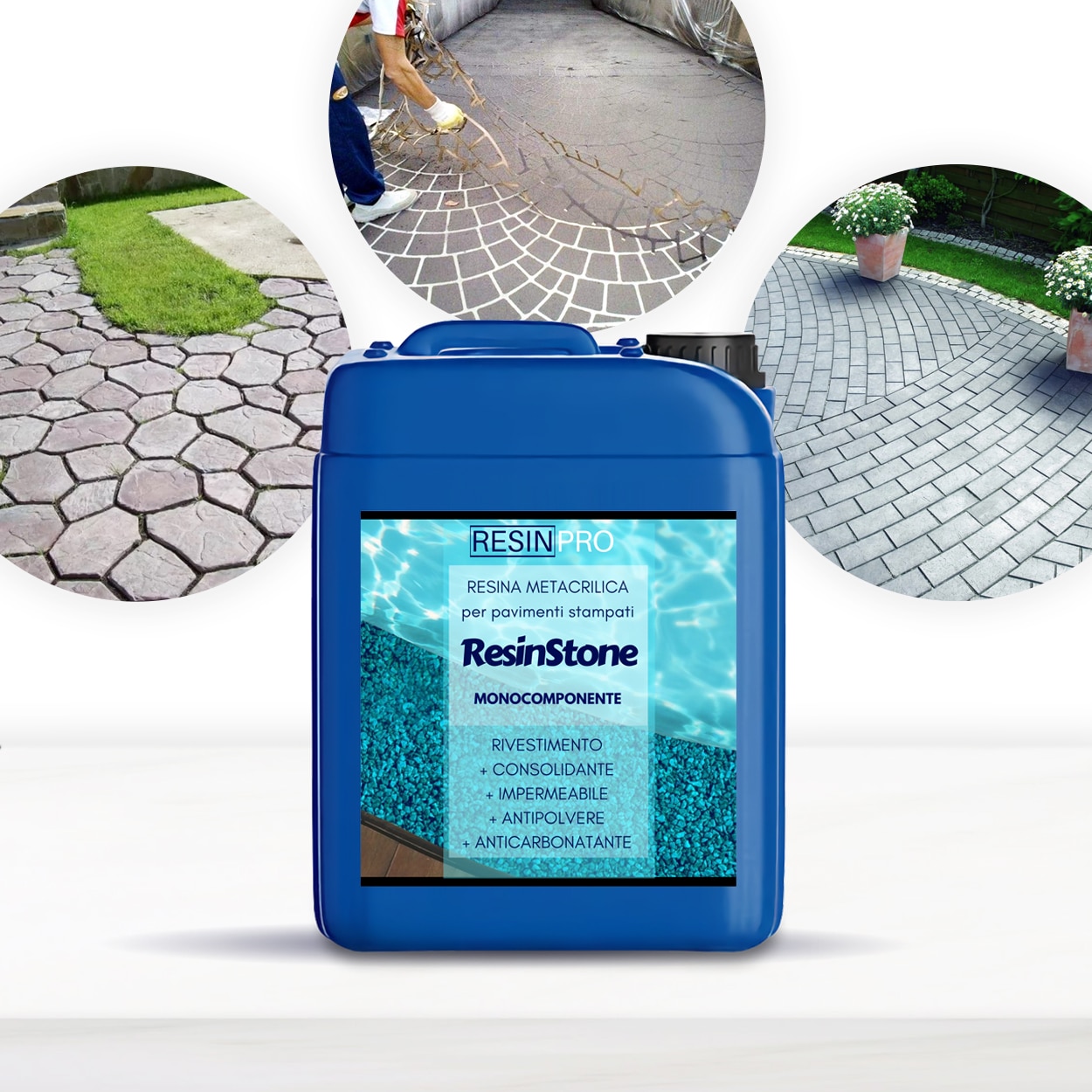
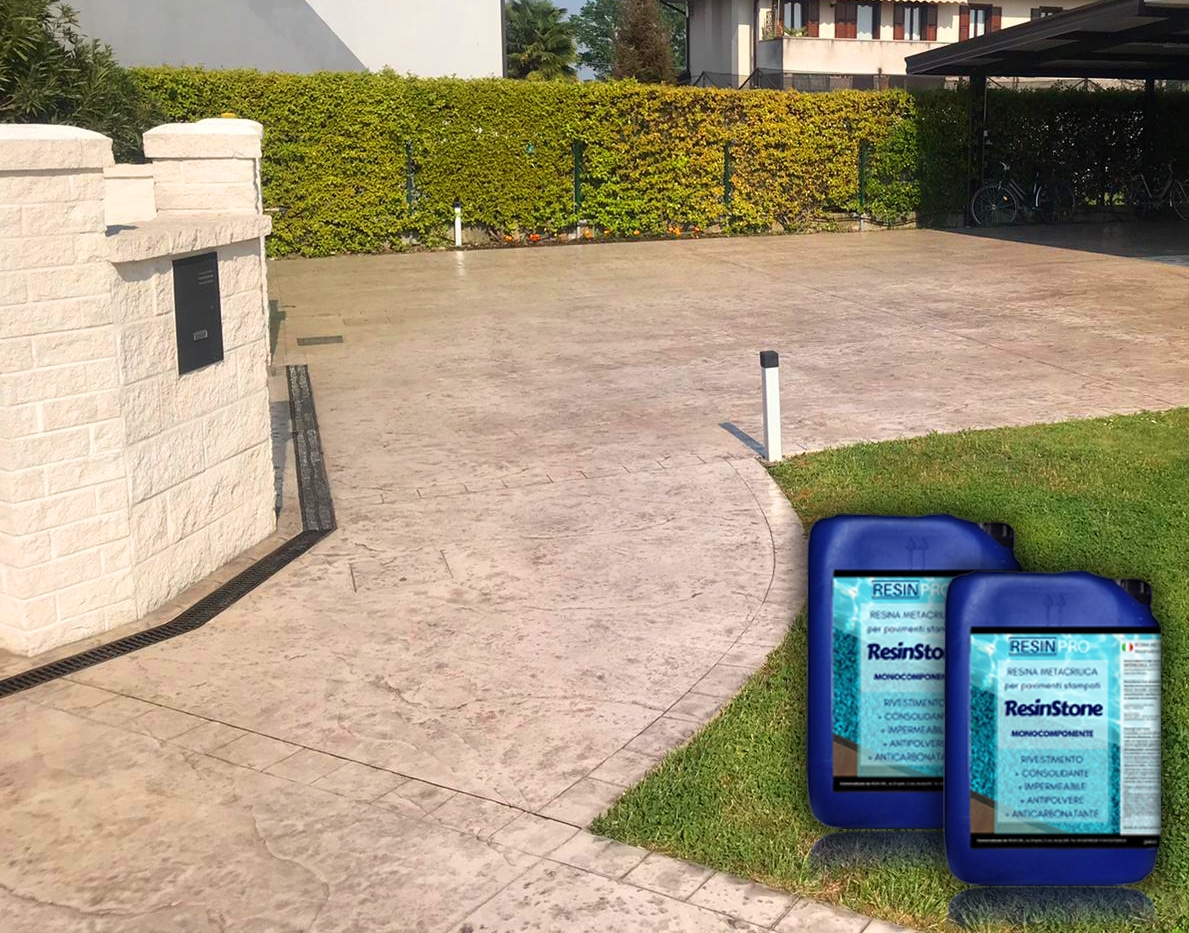
- Methacrylic resin is ideal for sealing and protecting concrete surfaces, such as driveways or outdoor tracks. It penetrates deeply, providing a robust and weather-resistant finish. One popular example is Resinstone.
- Epoxy resin offers a hard, seamless surface with high scratch resistance and clarity, perfect for self-levelling interior floors, decorative projects, and castings. Products such as “Trasparente” are suited for applications requiring a crystal-clear finish up to 2cm thick.
- Polyurethane resin is often used as a binder in permeable pebble flooring, especially for maintaining colour integrity with light-coloured aggregates. Epoxy binders are also used for coloured granules in pebble flooring systems.

How to Choose the Right Resin
Your project requirements should guide your resin selection:
- Outdoor driveways and concrete tracks: Opt for methacrylic resin like Resinstone to improve weather resistance and guard against wear.
- Permeable pebble surfaces: Use Flowstone kits, which incorporate a choice of binder based on the stone colour—polyurethane for whites, epoxy for colours—ensuring effective drainage and decoration.
- Detail-rich, self-levelling floors: A clear epoxy like “Trasparente” delivers both scratch resistance and a smooth, bright finish.
Be sure to follow manufacturer guidelines for substrate suitability and application thickness for best results.
When This Matters
Choosing the right flooring resin is particularly important in areas exposed to heavy foot or vehicle traffic, varying weather, or where decorative style is a priority. Using the proper binder or coating can extend floor life and enhance performance in car parks, workshops, patios, and decorative interiors.
Related products
Related guides
Understanding the differences between resin types helps you match your flooring needs to the right product. For more on resins for tracks and specialist surfaces, visit our parent guide on flooring resins.