 Free shipping on orders over £29,85
  Shipping Tracking!


 Google
 Facebook
← Back to What Is the Resin Called for Tracks?
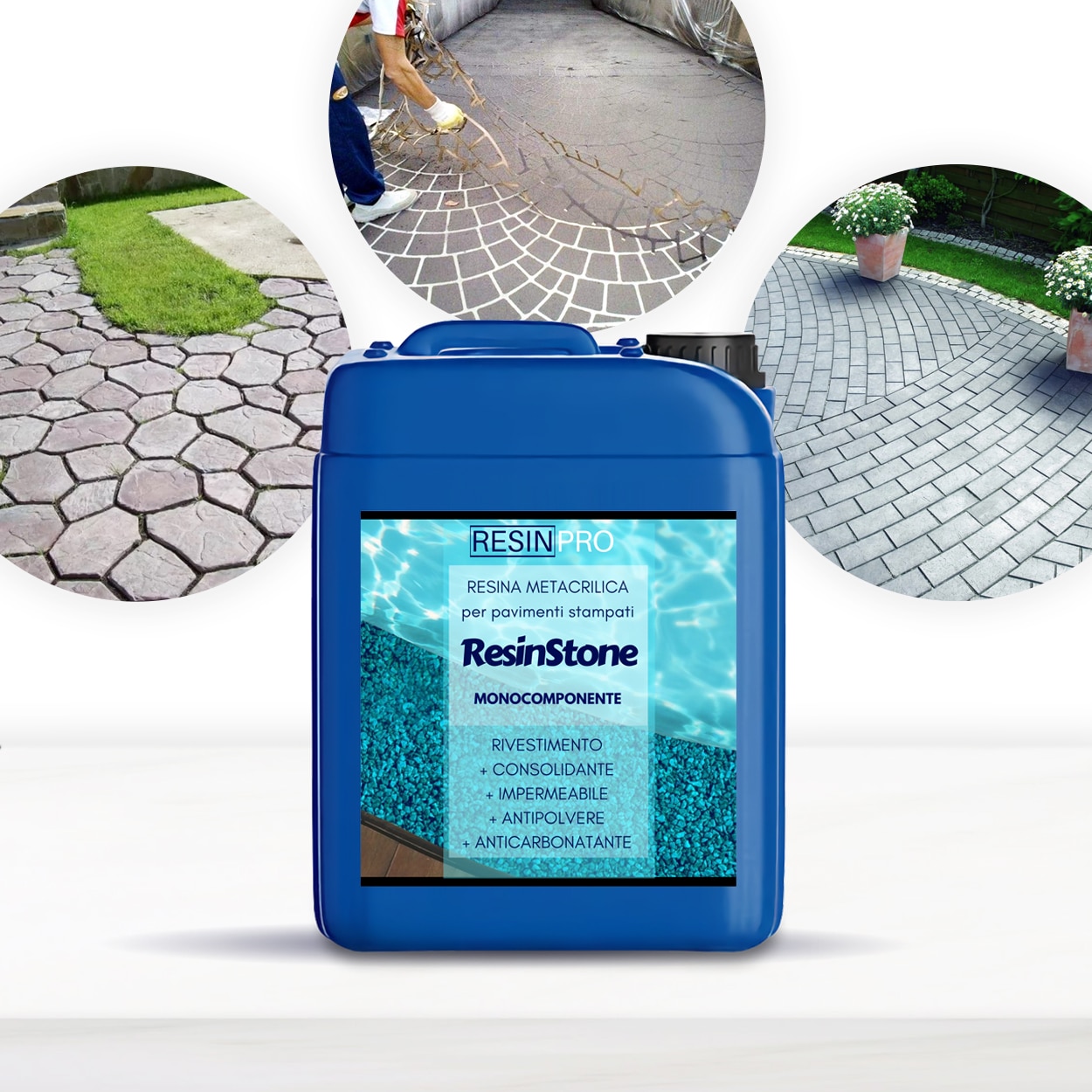

Weather plays a crucial role in the successful application and long-term performance of resin products. Choosing the right time and conditions helps to guarantee strong adhesion and a perfect finish.
How Temperature and Humidity Affect Resin
Resin systems, such as epoxy or methacrylic resins, rely on controlled settings to cure and bond effectively. Applying resin in temperatures that are too cold can slow down the curing process, while excessive heat can accelerate curing too quickly, leading to poor results. High humidity levels can also interfere with the chemical reaction, sometimes causing surface issues or cloudiness. For best results, aim to apply resin in mild, dry conditions and always follow the manufacturer’s guidance.
Ideal Conditions for Application
- A temperature range of 15–25°C is typically preferred for most resin products.
- Select a dry day with minimal risk of rain or condensation forming on the substrate.
- Work in a well-ventilated area but out of direct sunlight, which can cause uneven curing.
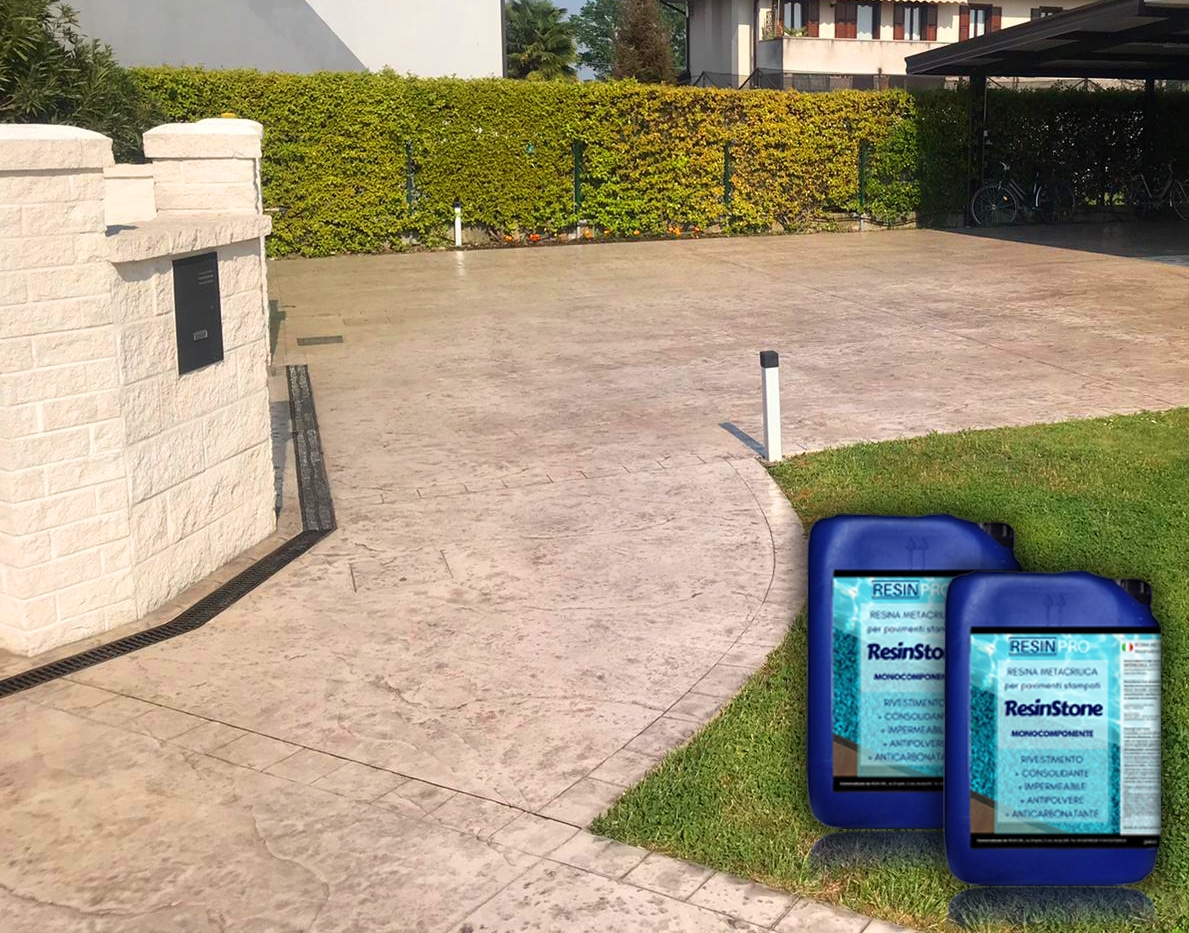
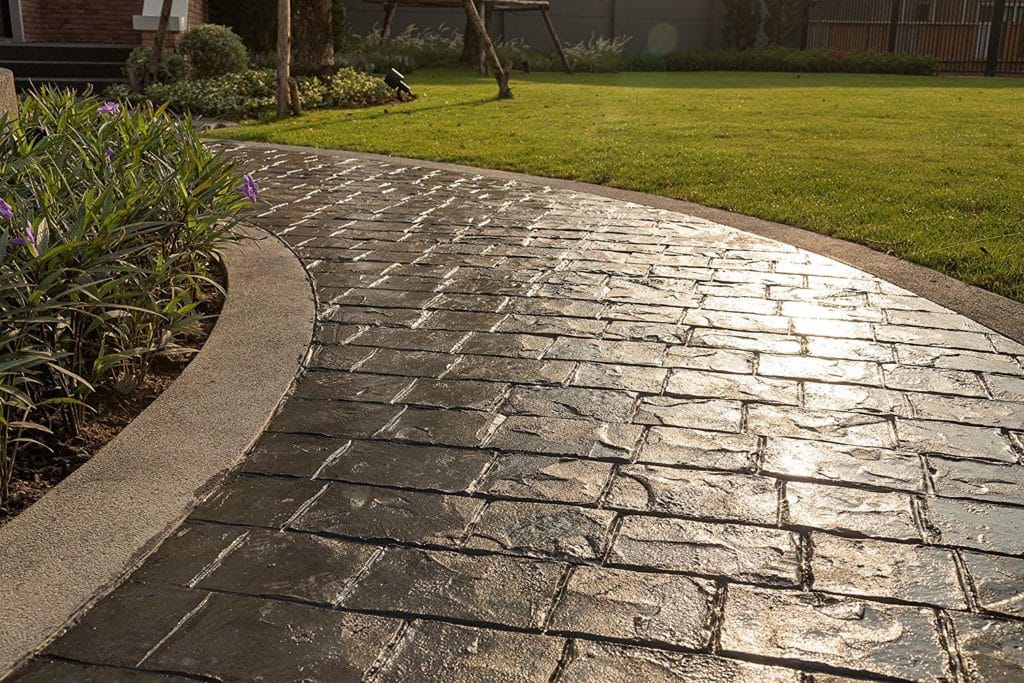
Resins like “Resinstone” for concrete surfaces or complete kits for outdoor paths benefit greatly from correct environmental conditions, improving overall durability and finish.
When This Matters Most
Careful attention to weather is especially crucial for outdoor installations, such as driveways, paths, or patios. Poor conditions can undermine even the best resin systems and may lead to additional maintenance or repairs later.
Related products
Related guides
In summary, working with resin in the right weather ensures a professional result and helps your surface last. For more advice on choosing the correct product for tracks and outdoor areas, explore the main guide What Is the Resin Called for Tracks?.