 Free shipping on orders over £29,85
  Shipping Tracking!


 Google
 Facebook
← Back to What Is the Resin Called for Tracks?
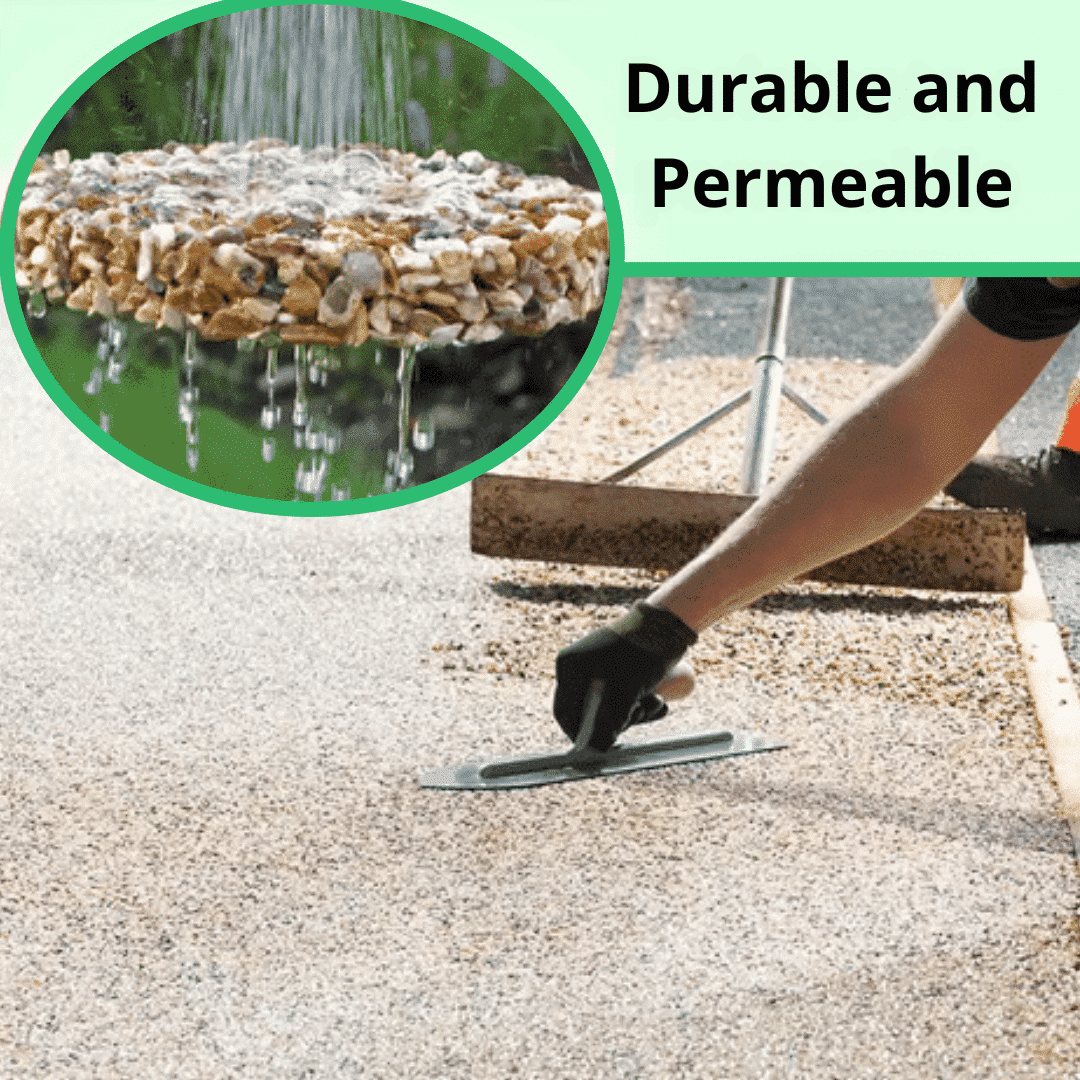
Permeable resin-bound systems provide a robust answer for tracks and pathways where drainage and surface stability are needed. This guide covers the essentials of creating a water-draining, hard-wearing surface for domestic and public settings.
How Permeable Resin Surfaces Work
A permeable floor lets water pass through the surface and into the subsoil, helping to prevent puddles and waterlogging. The system combines specially-selected pebbles or aggregate with a clear resin binder, producing a continuous, joint-free finish that allows rainwater to drain naturally. This approach reduces the risk of standing water and contributes to a safer, more usable surface year-round.

Choosing the Right Resin for Permeable Applications
The performance of a permeable surface largely depends on the type of resin used with the chosen aggregate. For white pebbles, non-yellowing polyurethane resin is recommended to uphold the colour, while coloured stones generally pair best with low-yellowing epoxy. Kits like the Flowstone permeable floor kit include both resin and aggregates, with resin guidance tailored to your finish. Step-by-step instructions make installation accessible to both professionals and capable DIYers.
When to Choose a Permeable Solution
- Driveways and footpaths needing effective drainage
- Outdoor spaces prone to water pooling
- Landscape designs seeking a seamless, low-maintenance finish
Permeable solutions are particularly valuable where local regulations or site conditions demand sustainable drainage.
Related products
Related guides
Opting for a resin-bound permeable system creates surfaces that manage water efficiently and look attractive. Explore more about resin types for tracks and their specialist uses in our main guide on resin options for tracks.