 Free shipping on orders over £29,85
  Shipping Tracking!


 Google
 Facebook
← Back to How do you repair a resin cement coating?

After repairing a resin cement coating, taking steps to avoid cracks appearing again is essential for a long-lasting surface. With careful planning, you can significantly cut the risk of repeated damage.
Thorough Substrate Preparation
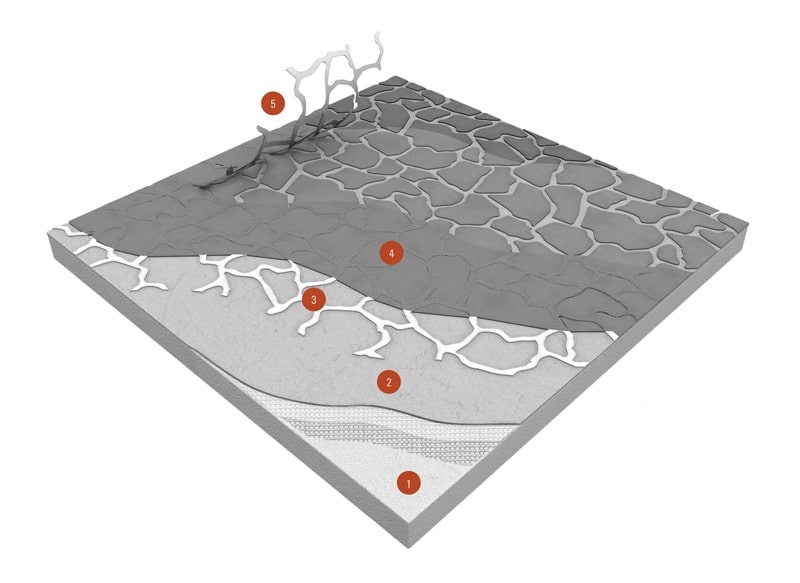
Proper substrate preparation makes a big difference. Clean the area thoroughly to remove old debris, dust, grease, or any loose materials. Moisture in the base can cause shrinkage or cracking later, so ensure the substrate is dry before beginning the repair process. Use a primer or sealer if needed to create a strong bond for the new coating.
Filling Cracks and Joints
All visible cracks and small voids should be filled before applying a fresh coating. Using a specialised material like Magelstick Epoxy Mastic will help bridge gaps and reinforce weak areas. Allow each filled crack to fully cure as recommended by the manufacturer for the most reliable finish.
Gentle Handling and Ongoing Protection
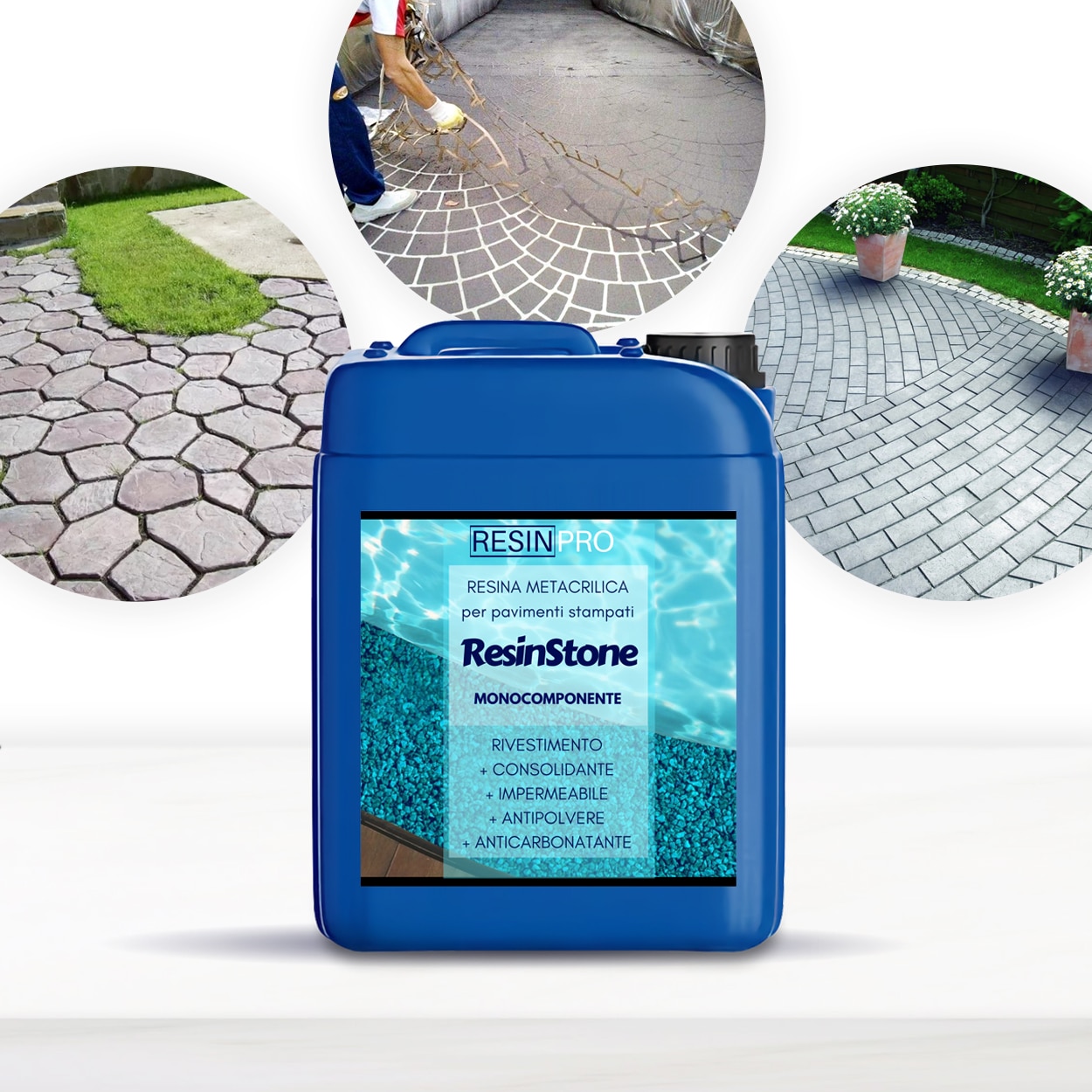
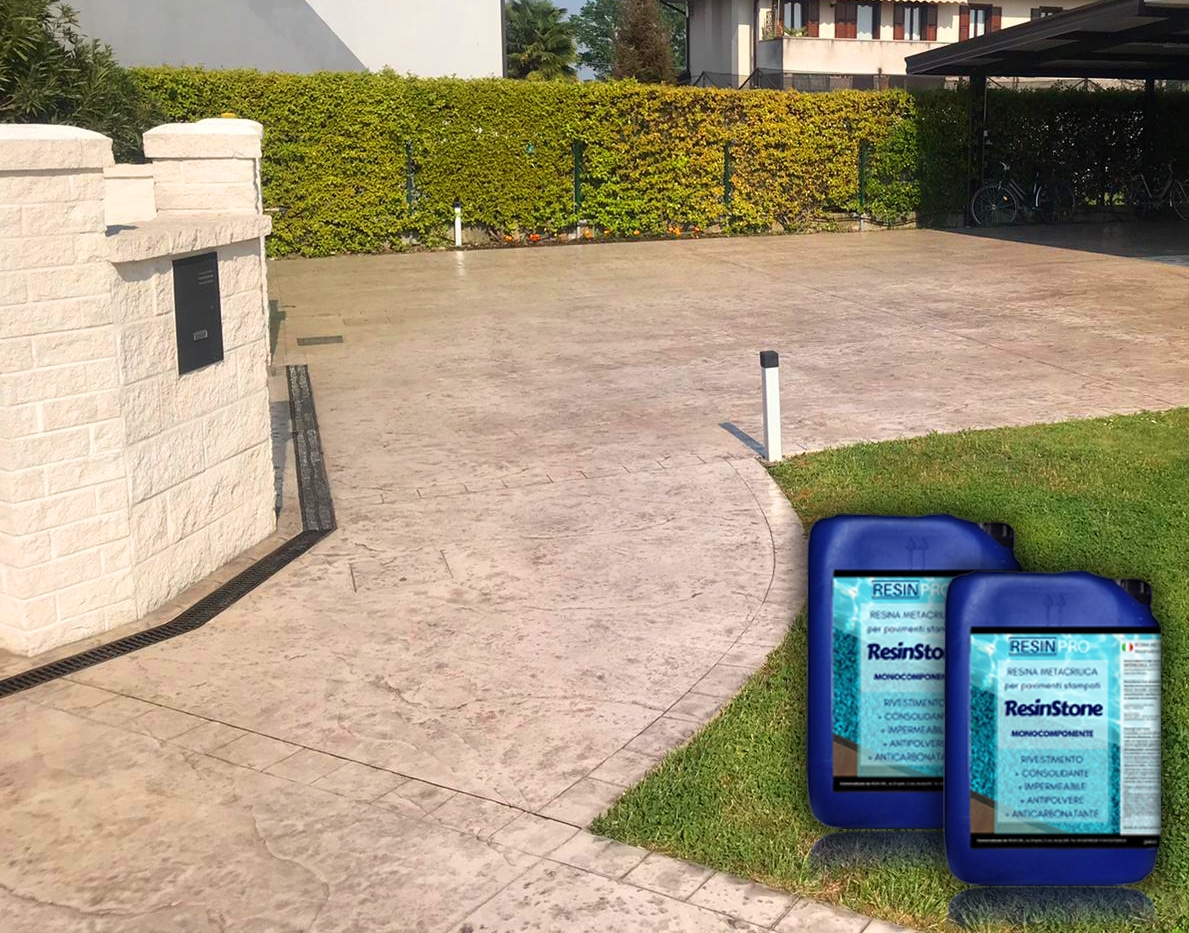
Once repaired, avoid excessive loads or sudden impacts as these are the common causes for new cracks. For ongoing durability, consider sealing with a protective product such as Resinstone, which offers abrasion resistance while still allowing the surface to breathe.
When This Matters
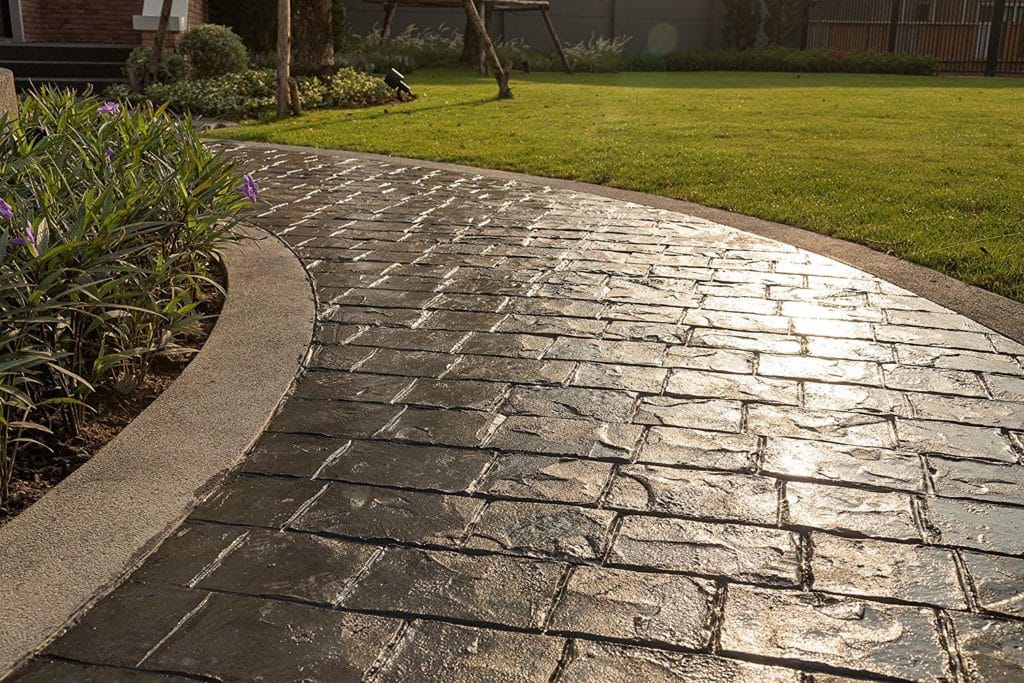
These precautions are particularly important for driveways, workshops, garage floors, and outdoor paths—spaces that experience frequent temperature changes or heavy footfall.
Related products
Related guides
By following these best practices, you can repair a resin cement coating with confidence and help prevent cracks coming back. For more tips on restoring and protecting these surfaces, visit our main guide: How do you repair a resin cement coating?