 Free shipping on orders over £29,85
  Shipping Tracking!


 Google
 Facebook
How do you repair a resin cement coating?
A step-by-step guide to seamless, durable restoration
Repairing a resin cement coating is essential for maintaining the integrity, appearance, and durability of concrete floors or driveways exposed to wear, weathering, or accidental damage. Whether you need to address surface cracks, restore damaged zones, or rejuvenate a worn finish, following a careful repair process ensures your surface remains protected and looks as good as new.
What You’ll Need
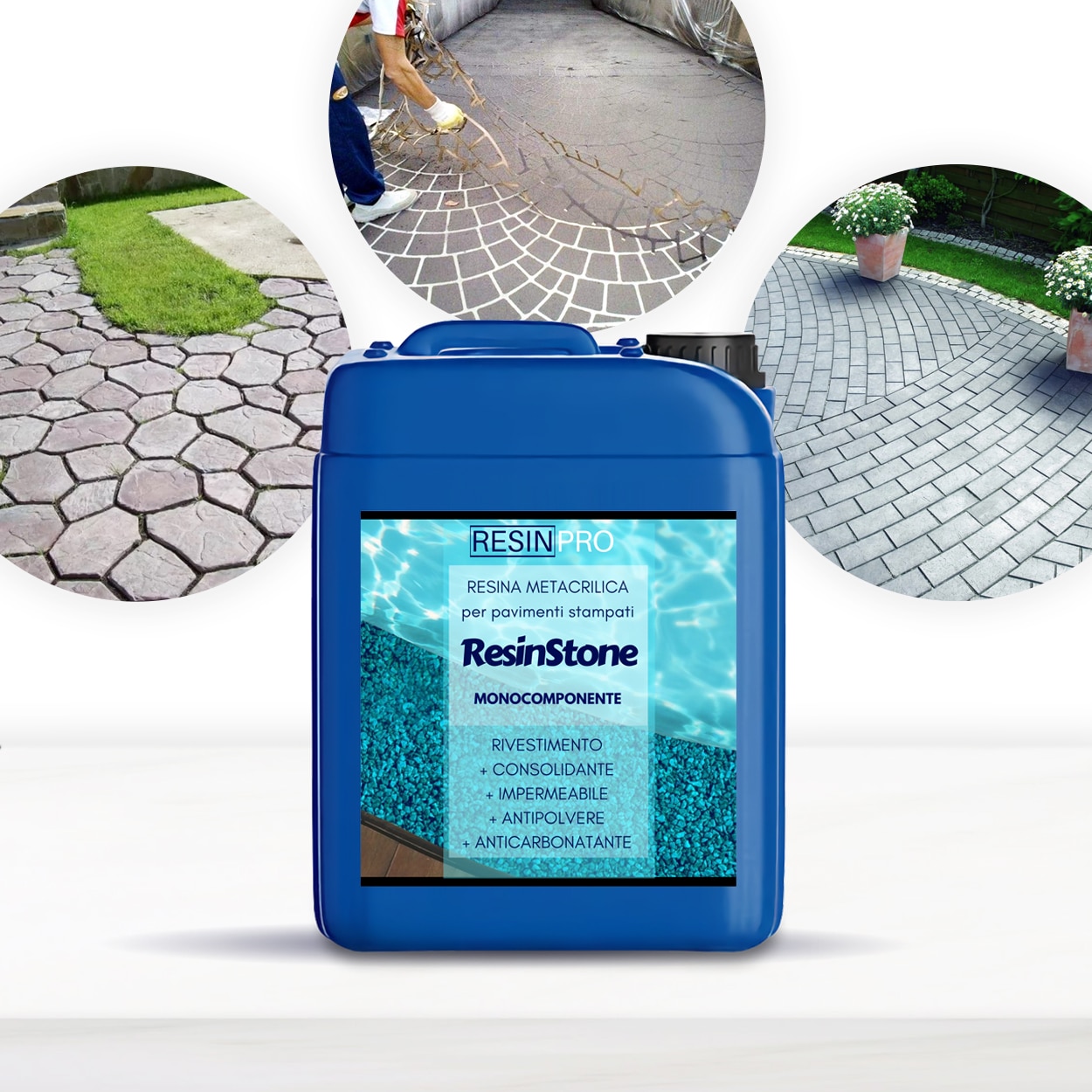
- “Resinstone” – One-Component Methacrylic Resin for Concrete Floors and Driveways – for deep-penetrating, durable sealing and protection
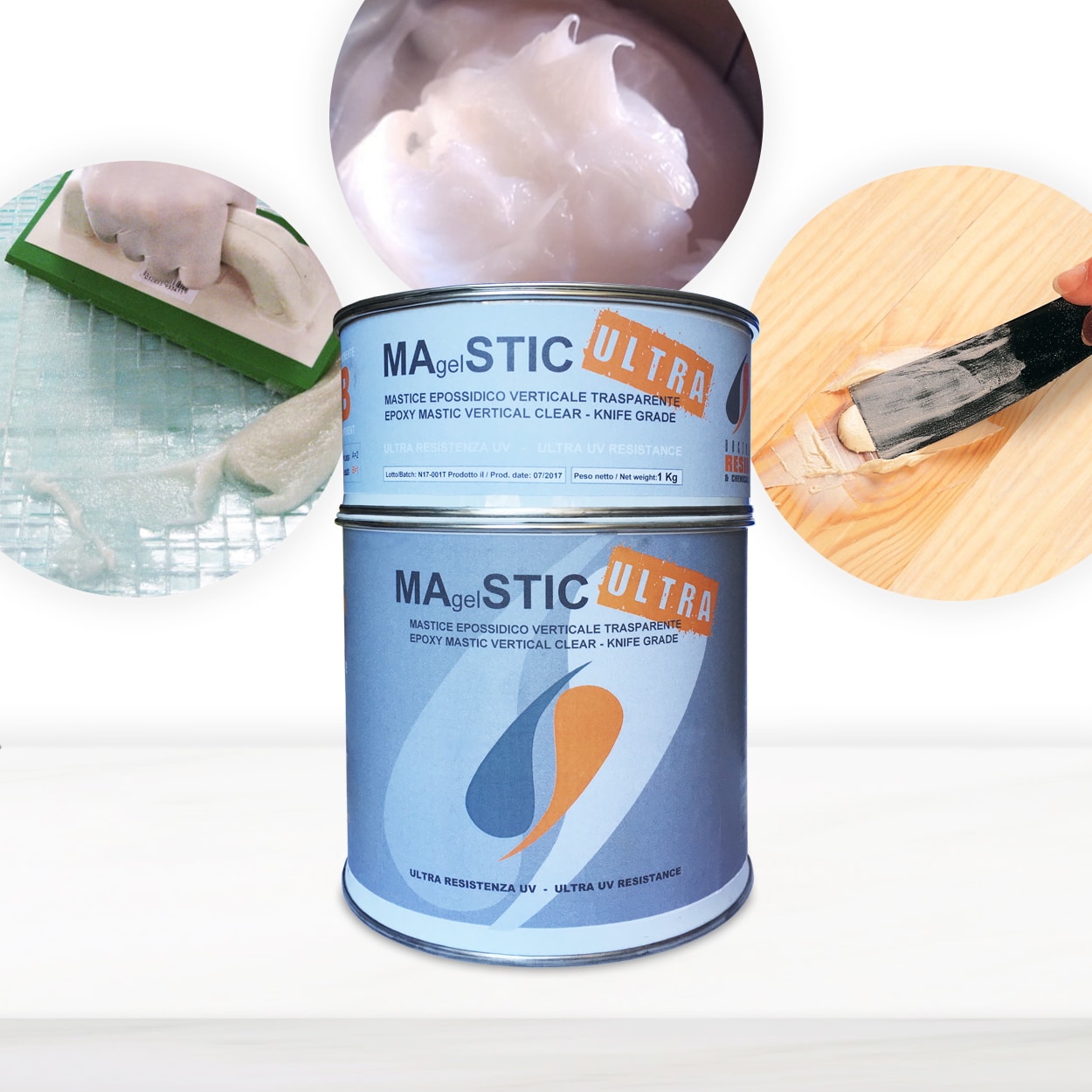
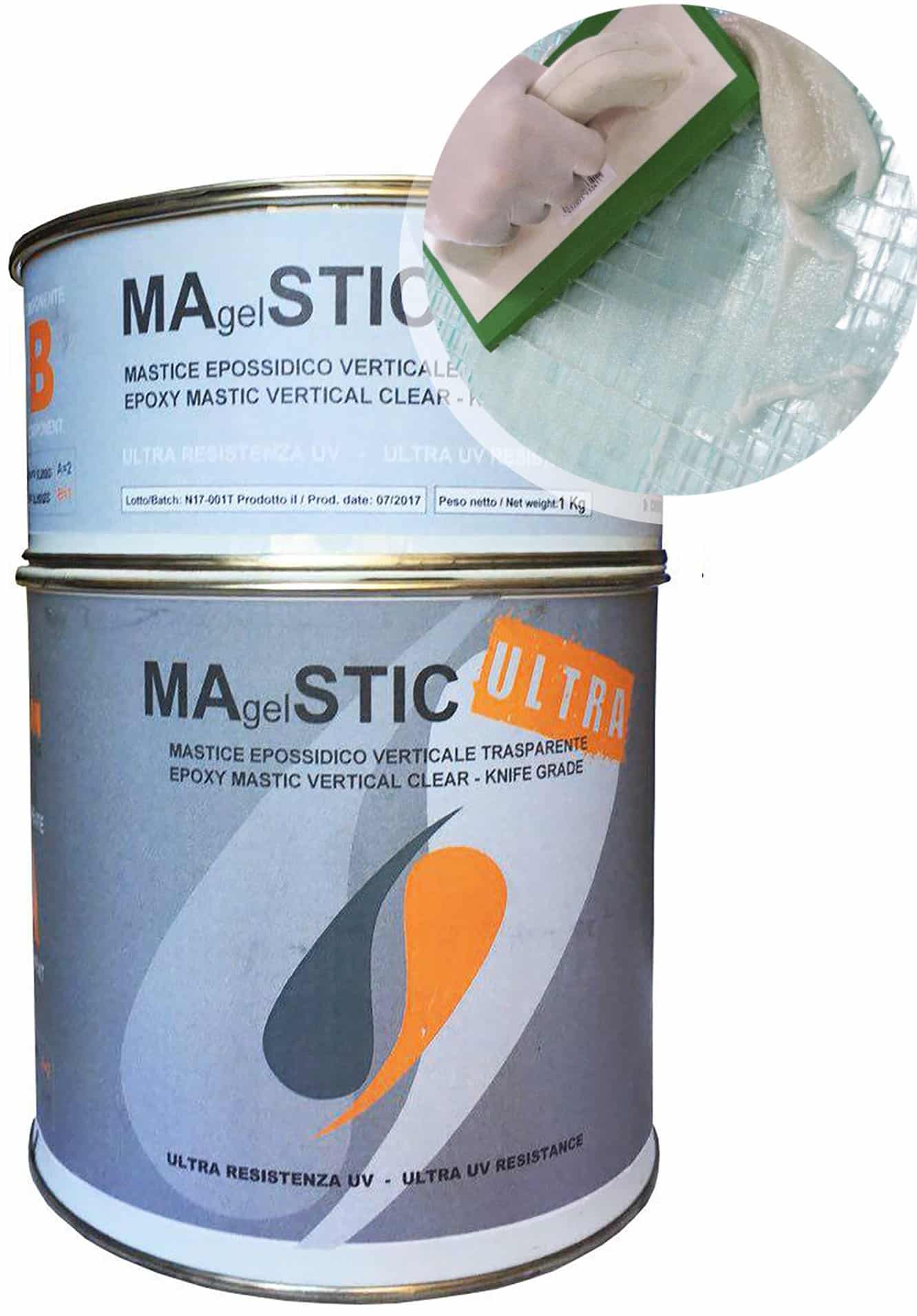
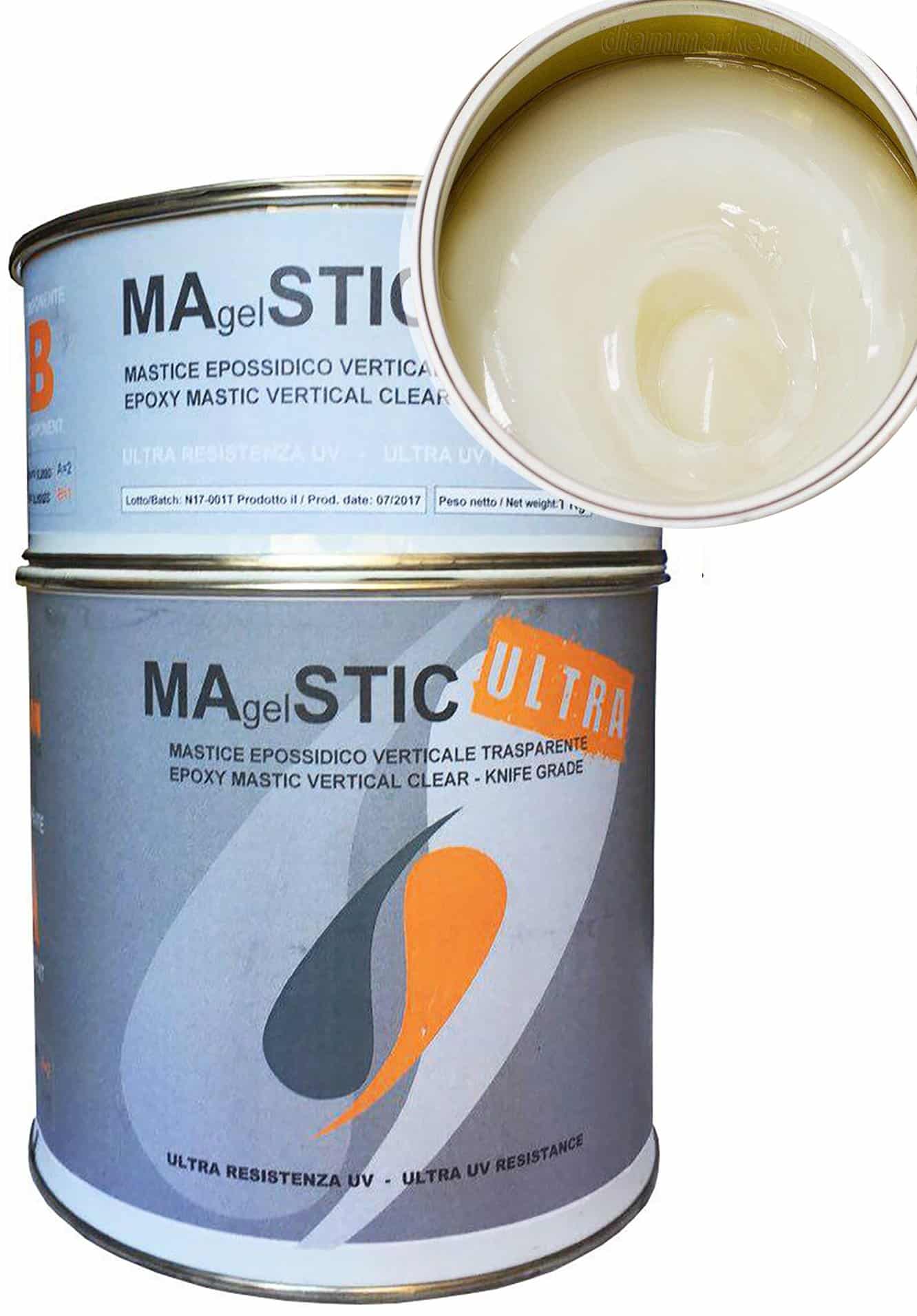
- “Magelstick” – Epoxy Mastic for Stone, Metal, and Cement Bonding and Grouting – for filling surface cracks or repairs in cementitious areas
- Lint-free rollers or brushes
- Cleaning supplies (e.g., broom, vacuum, mild detergent)
- Protective gloves and safety goggles
- Masking tape
- Sandpaper or grinder (optional, for smoothing)

Visual examples of surface and crack repairs
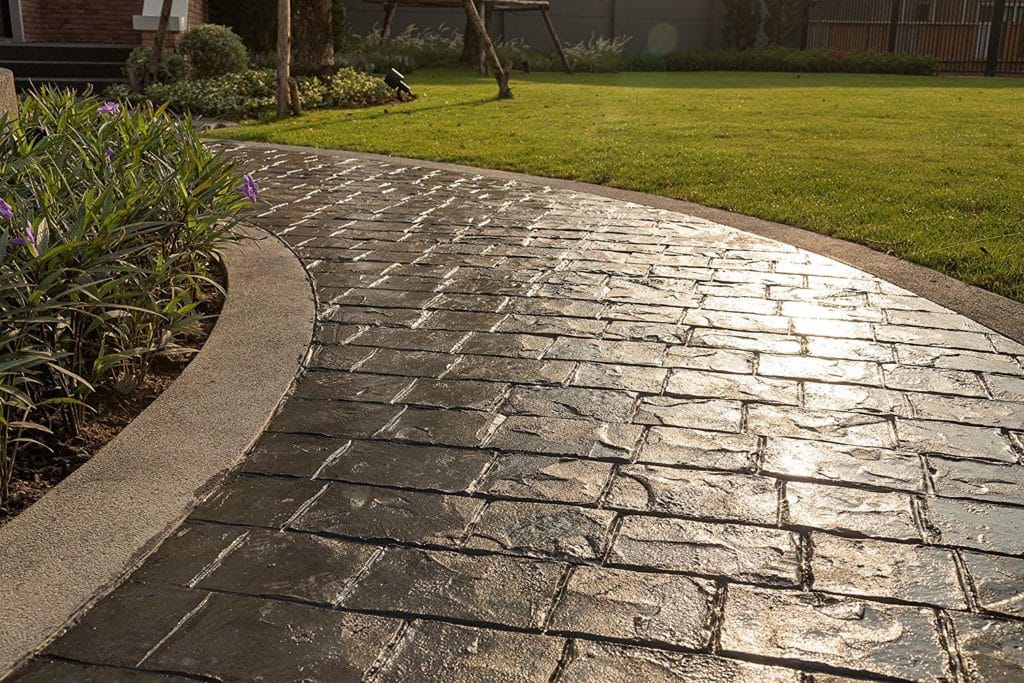
See close-up views of common resin cement coating damage—surface cracking, staining, and resin wear—alongside images of spotless, fully restored resin-coated driveways and patios. Well-prepared repairs yield a surface nearly indistinguishable from new, demonstrating the value of a careful restoration process.
Step 1: Assess and Clean the Damaged Area
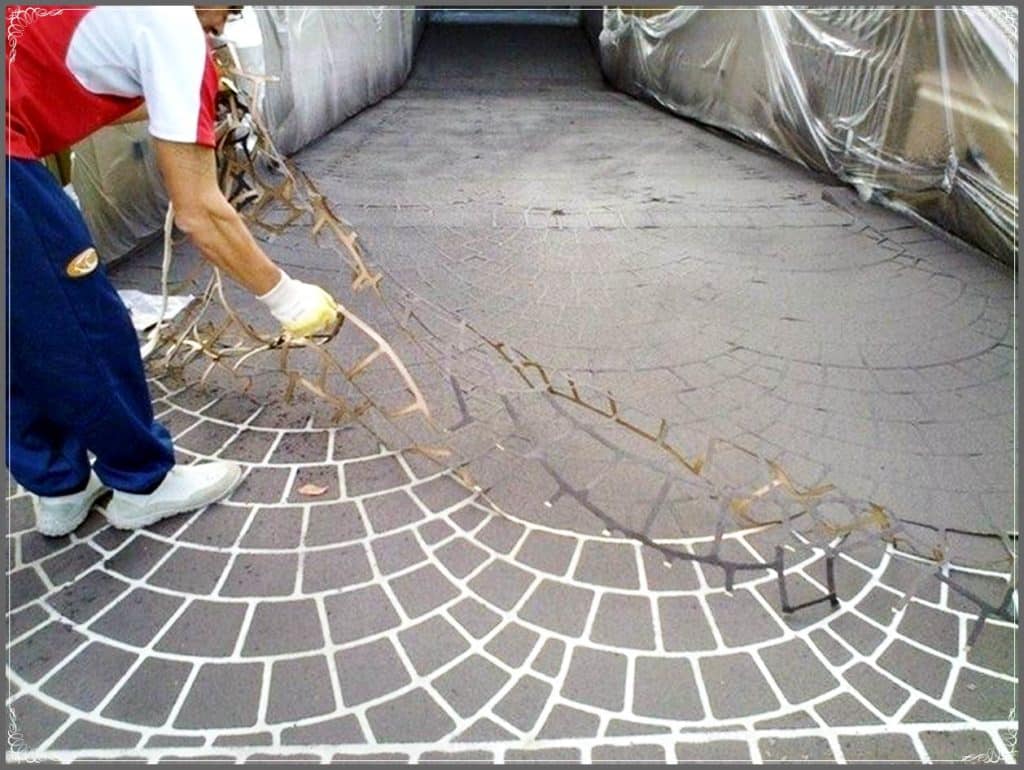
Begin by carefully inspecting the resin cement coating for signs of damage—such as cracks, peeling, blistering, or discolouration. Use a broom or vacuum to remove dust, loose particles, or debris from the area, then wash with a mild detergent solution to eliminate any grease or contaminants. Let the surface dry completely before proceeding. Clean the damaged area thoroughly before any repair to maximise adhesion and ensure a seamless finish.
Step 2: Fill Cracks or Restore Lost Areas
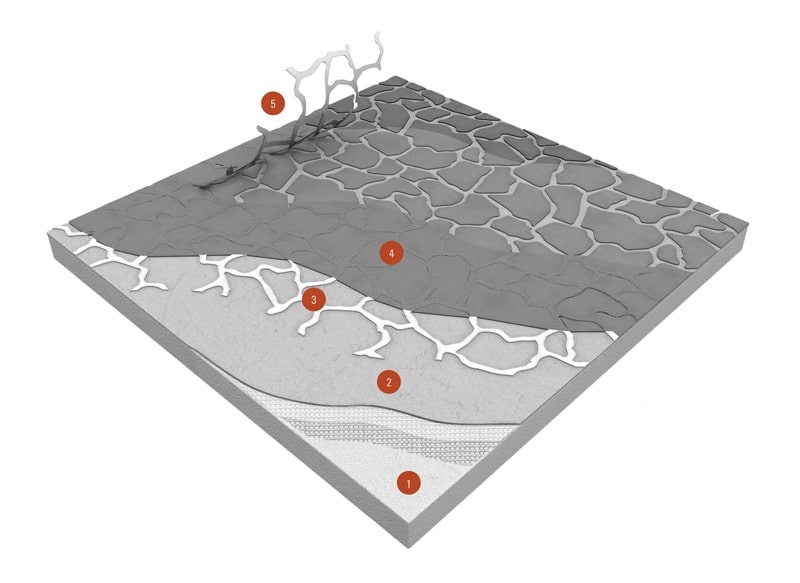
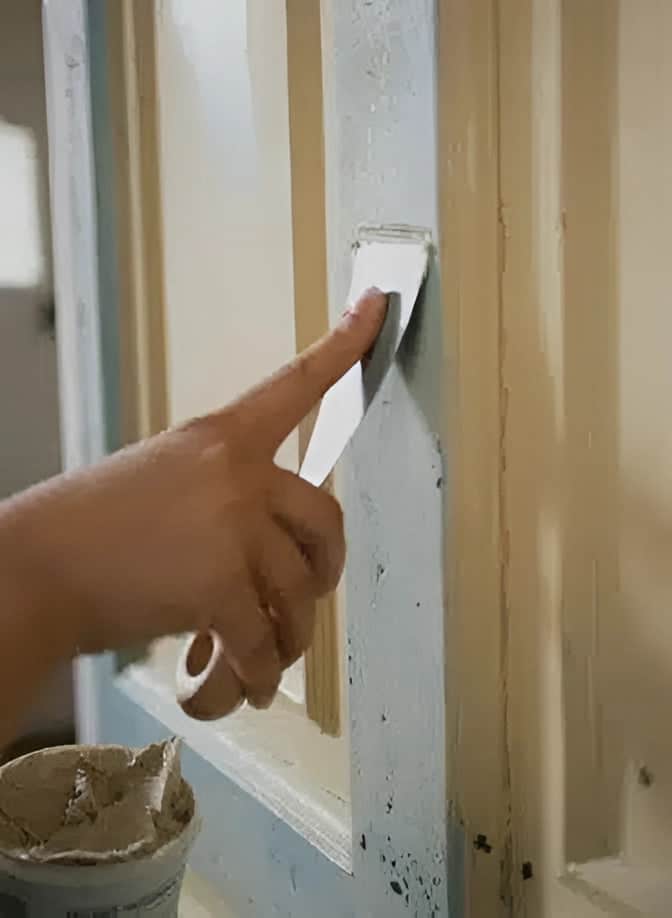
If cracks, holes, or surface imperfections are present, address these before applying any new resin layer. For narrow cracks or voids, use a high-quality epoxy mastic designed for stone and cement surfaces to provide structural bonding and a smooth, gap-free surface. Apply the mastic with a spatula or putty knife, pressing it firmly into the cracks, and smooth off the excess. Allow it to cure as per the instructions. If needed, sand the area lightly once cured for an even finish.
You may consider “Magelstick” – Epoxy Mastic for Stone, Metal, and Cement Bonding and Grouting for durable crack repairs that resist shrinkage and weathering.
Step 3: Mask and Prepare Edges
Carefully outline the repair zone using masking tape to protect adjacent surfaces and help you achieve crisp, clean boundaries during resin application. This step is especially important if only spot repairs are needed on larger floors or driveways. Use masking tape to achieve crisp repair boundaries and prevent accidental resin spread.
Step 4: Apply the New Resin Coating
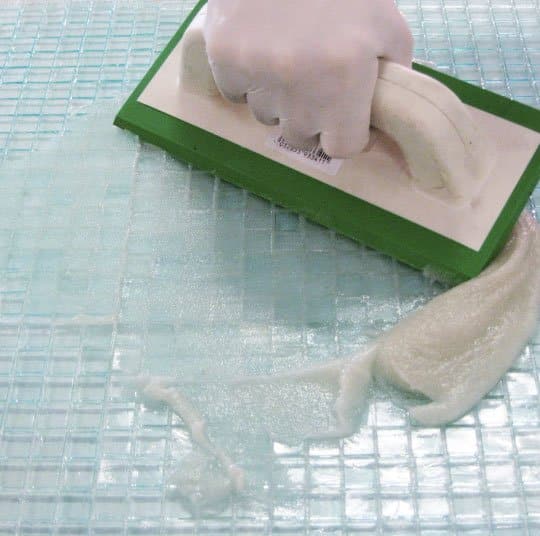
Mix your selected resin according to the manufacturer’s instructions. Using a lint-free roller or brush, apply the resin in thin, even coats across the prepared area, blending carefully into the adjoining surface. For maximum durability and weather resistance, select a deep-penetrating resin suitable for concrete floors and driveways. Avoid pooling and make sure the layer is uniform throughout. Follow recommended re-coat or drying times between layers if multiple coats are necessary.
For this step, “Resinstone” – One-Component Methacrylic Resin for Concrete Floors and Driveways offers waterproof, UV-resistant, and fast-setting protection ideal for both indoor and outdoor applications.
Step 5: Allow to Cure and Inspect
Let the new resin cement coating cure undisturbed for the full recommended time, typically ranging from a few hours up to 24 hours depending on the product and ambient conditions. Avoid walking or placing items on the repair until it is fully set. Carefully remove masking tape before the resin has completely hardened to prevent edge lifting. Conduct a final inspection to confirm the repair is fully bonded, level, and visually seamless.
Tips and Common Mistakes
- Do not apply resin in extreme temperatures or high humidity—this can affect adhesion and curing quality.
- Work in small sections for better control and consistency, especially on large surfaces.
- Always wear protective gloves and goggles to prevent skin or eye contact with chemicals.
- Do not rush surface preparation—proper cleaning and crack filling are vital for lasting repairs.
Best practices for neat and durable repairs
Use step-by-step visual guides to understand proper masking, resin application, and final inspection. Zoomed images of tape edges, smooth resin transitions, and before-and-after comparisons provide insight into flawless technique and professional-level results. Technique is as important as material for resilient, visually appealing repairs.
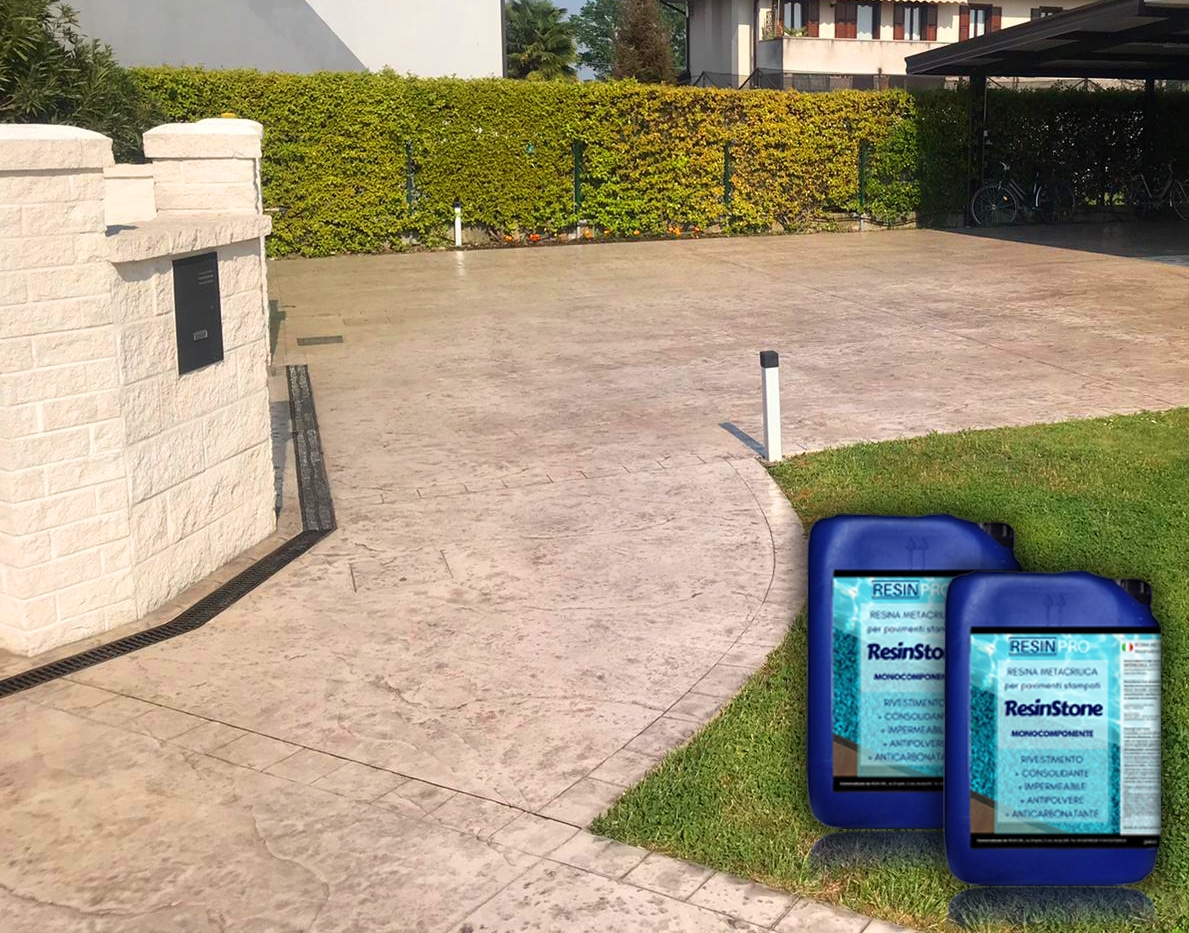
- "Resinstone" – One-Component Methacrylic Resin for Concrete Floors and DrivewaysPrice range: £36.71 through £336.48RESINSTONE is a one-component methacrylic resin designed for sealing and protecting concrete floors and driveways with durable, breathable protection.
- "Magelstick" – Epoxy Mastic for Stone, Metal, and Cement Bonding and Grouting"Magelstick" Epoxy Mastic is suited for professional bonding and grouting of stone, metal and cement, supporting precise restoration work.
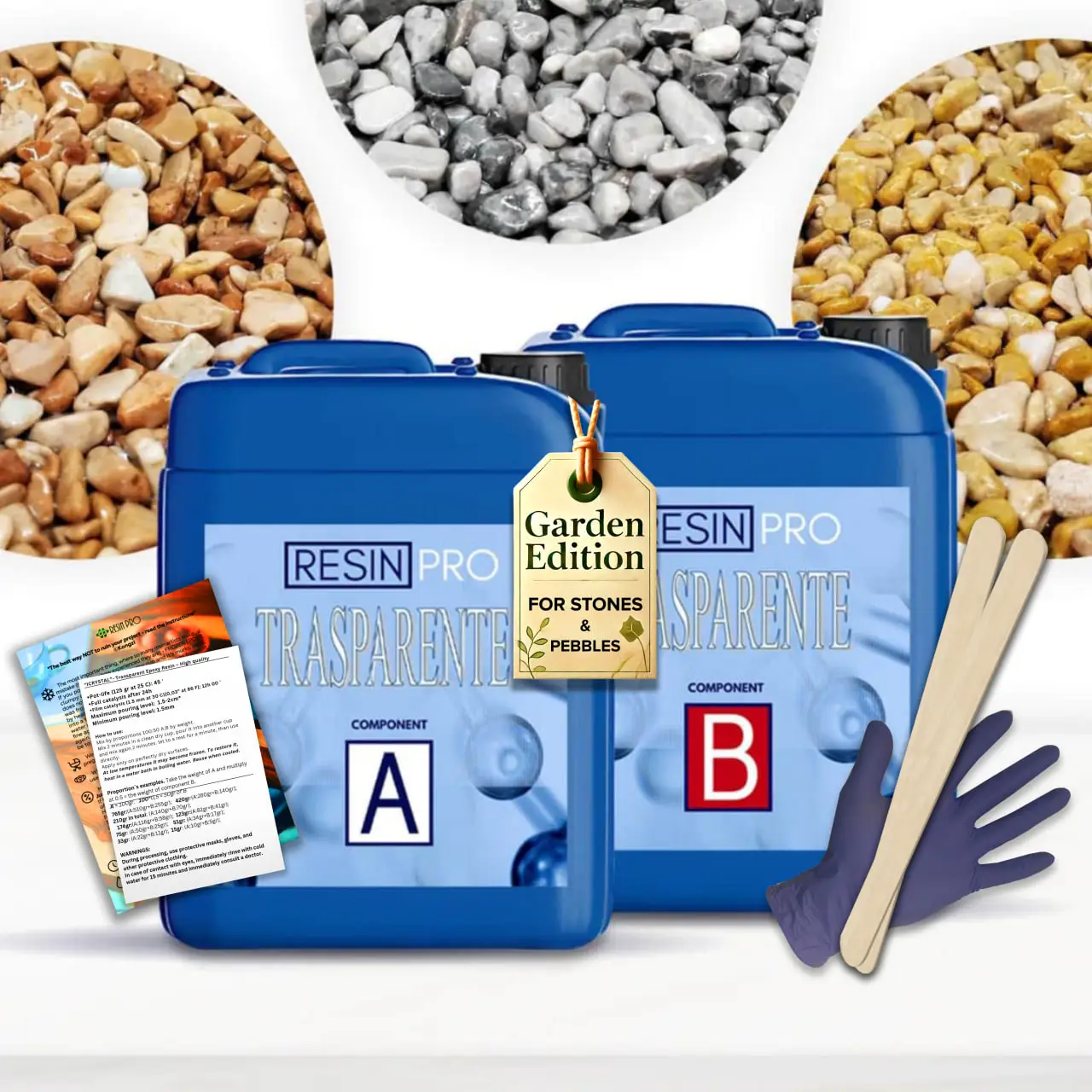 "Trasparente" – Epoxy Binder for Coloured Pebbles and GritsPrice range: £33.45 through £397.95"Trasparente" epoxy binder offers a clear, UV-resistant finish designed for coloured pebbles and grits in flooring projects.
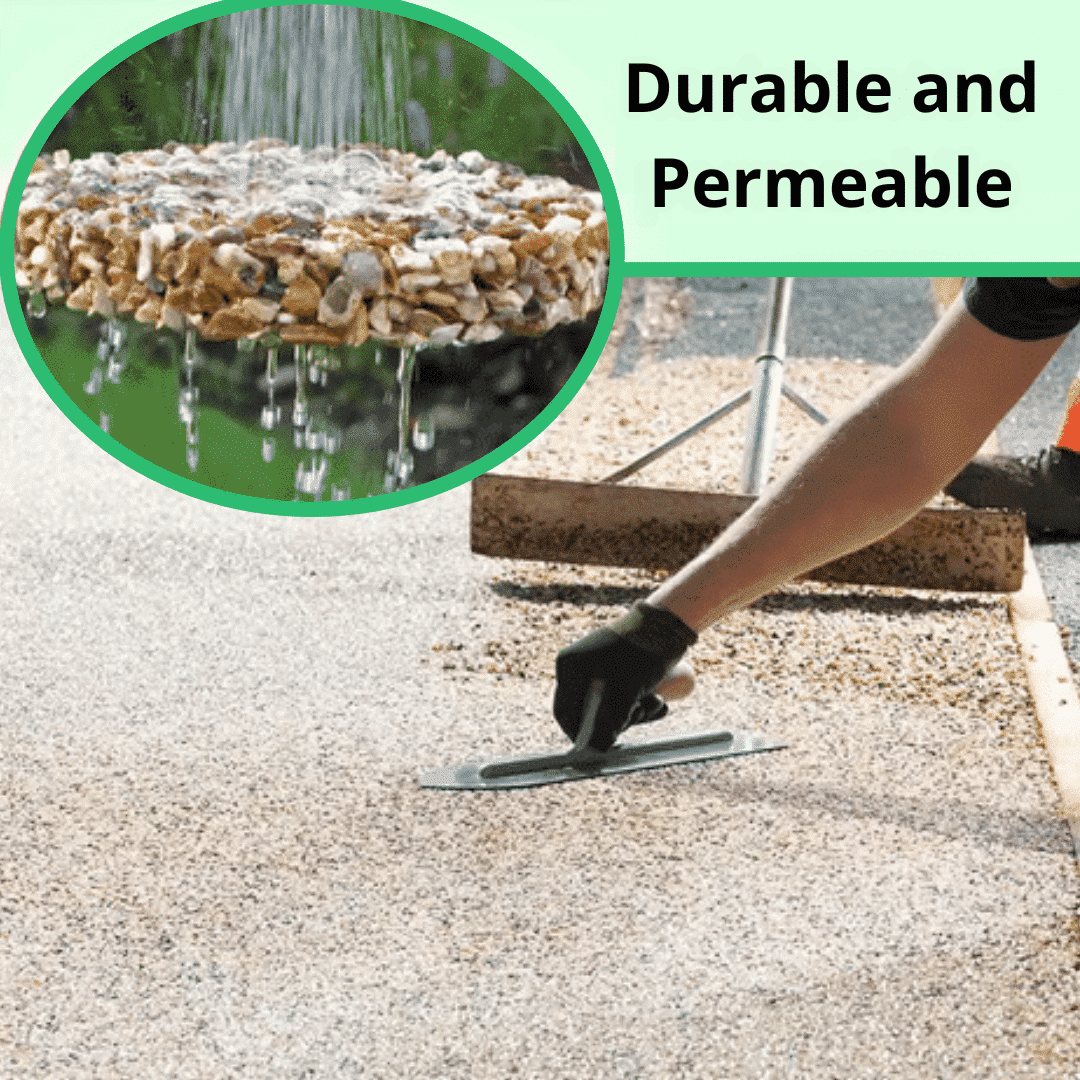 "Flowstone" – Complete Permeable Floor Kit with Pebbles and ResinPrice range: £49.95 through £3,915.45The Flowstone kit provides a durable, permeable pebble and resin floor solution suited for driveways, footpaths and patios in the UK climate.
Frequently Asked Questions
Can I repair resin cement coatings in cold weather?
Low temperatures may slow curing and affect adhesion. It is recommended to repair in mild, dry conditions whenever possible.
Is sanding necessary after filling with epoxy mastic?
Sanding is only required if a smoother finish is desired before recoating or sealing. Remove dust before further application.
How long should I wait before walking on the repaired area?
Wait until the resin is fully cured, which can range from several hours to a full day depending on the specific product used.
Can I use these resins outdoors?
Yes, many resin products are formulated for both indoor and outdoor use. Always check product suitability for exterior applications.
What if I see bubbles or defects after repairing my resin cement coating?
Surface bubbles are often caused by trapped air or moisture. Light sanding and recoating usually resolve the issue.
How can I prevent cracks from forming again after the repair?
Ensure proper substrate preparation, fill all cracks before recoating, and avoid excessive load or impact on the repaired area.