 Free shipping on orders over £29,85
  Shipping Tracking!


 Google
 Facebook
How do you work marble powder and epoxy resin?
Step-by-step technique for blending powder and resin flawlessly
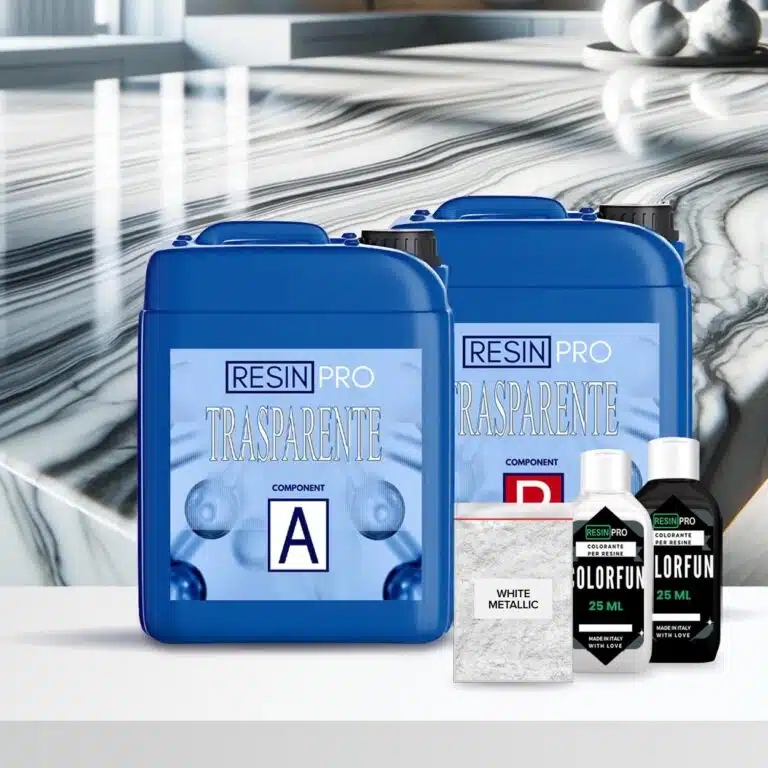
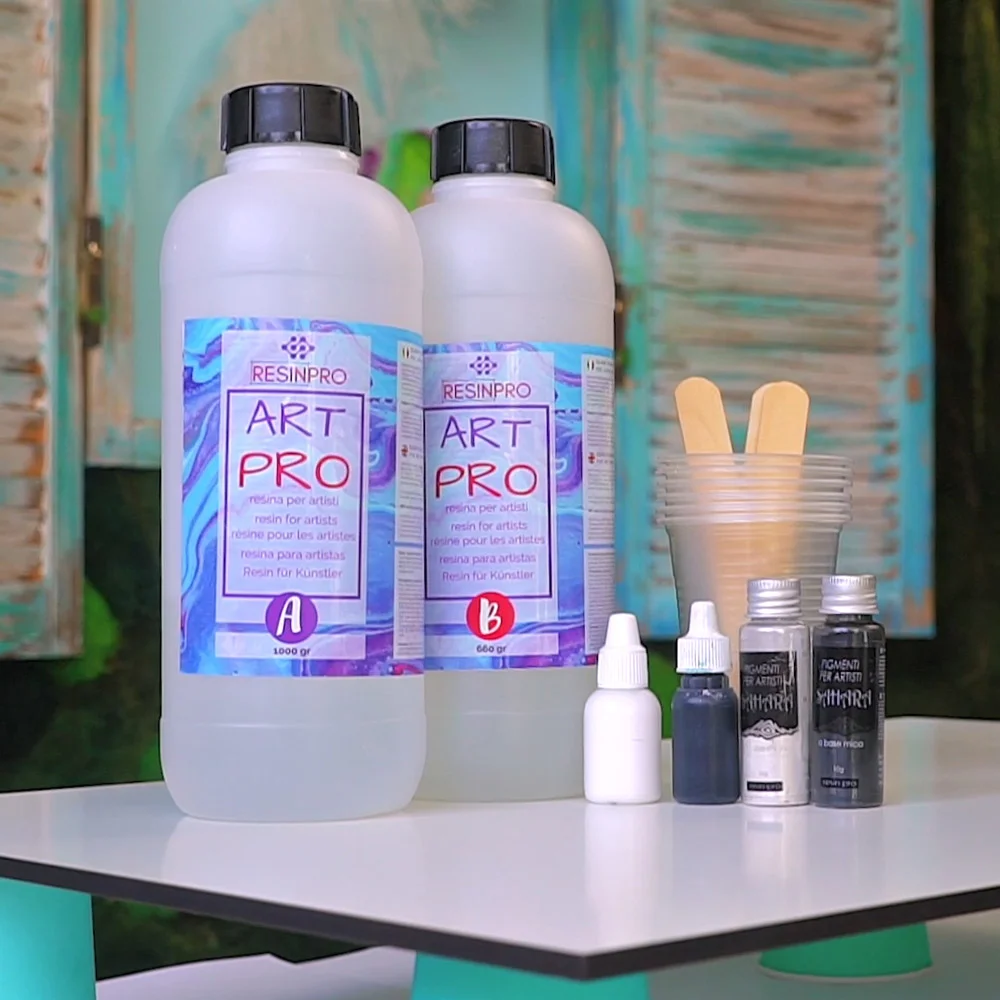
Creating custom surfaces or decorative features with marble powder and epoxy resin brings professional, stone-like results to DIY and restoration projects. By carefully planning out each stage and paying attention to detail, you can achieve a luxurious, hard-wearing finish — whether you’re crafting worktops, flooring, or artistic pieces. This guide explains the tools, materials, and steps you’ll need for seamless results, avoiding common pitfalls along the way.
What You’ll Need
- “Stone Effect Collection” – Marble Epoxy Resin Countertop Kit – For countertops and marble-effect finishes
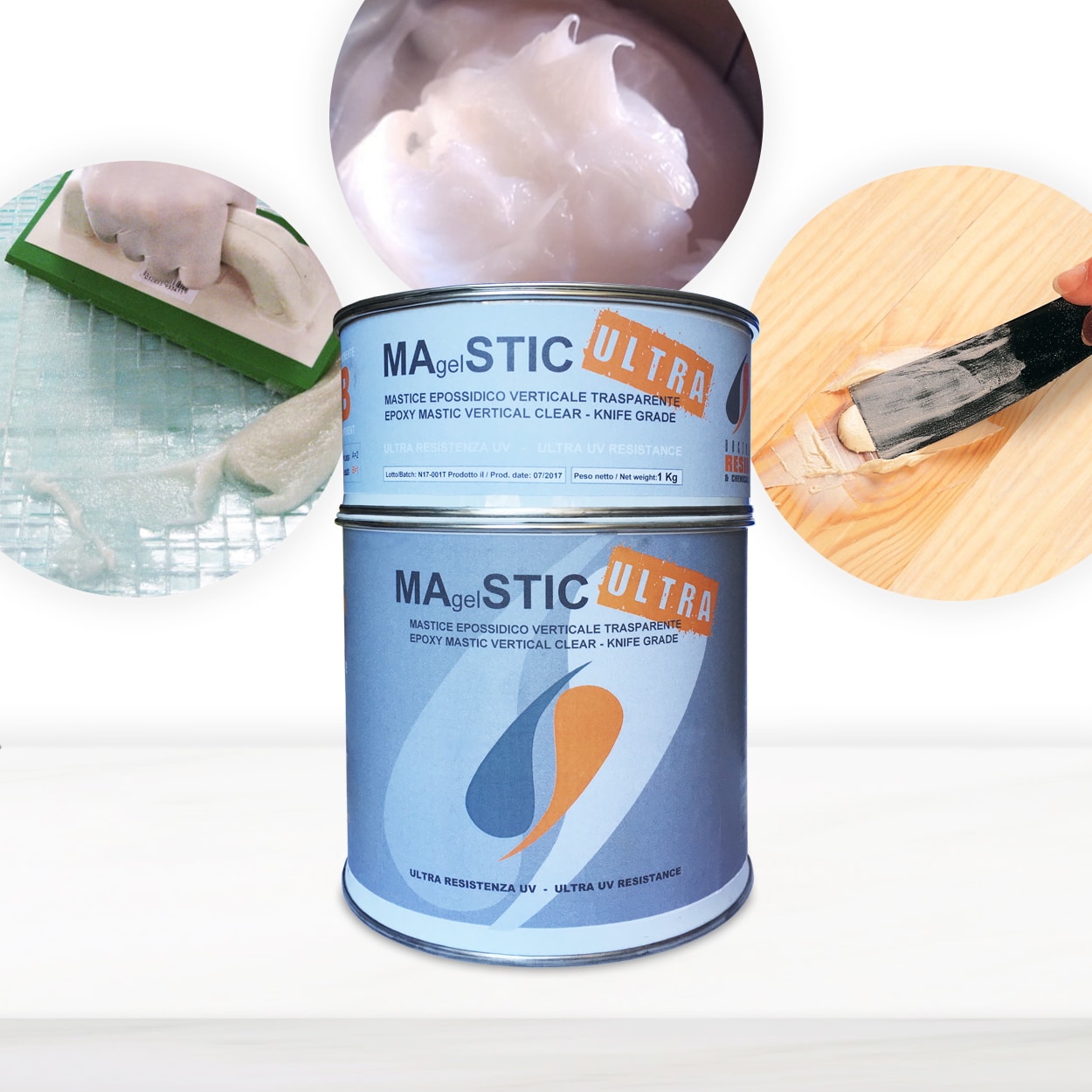
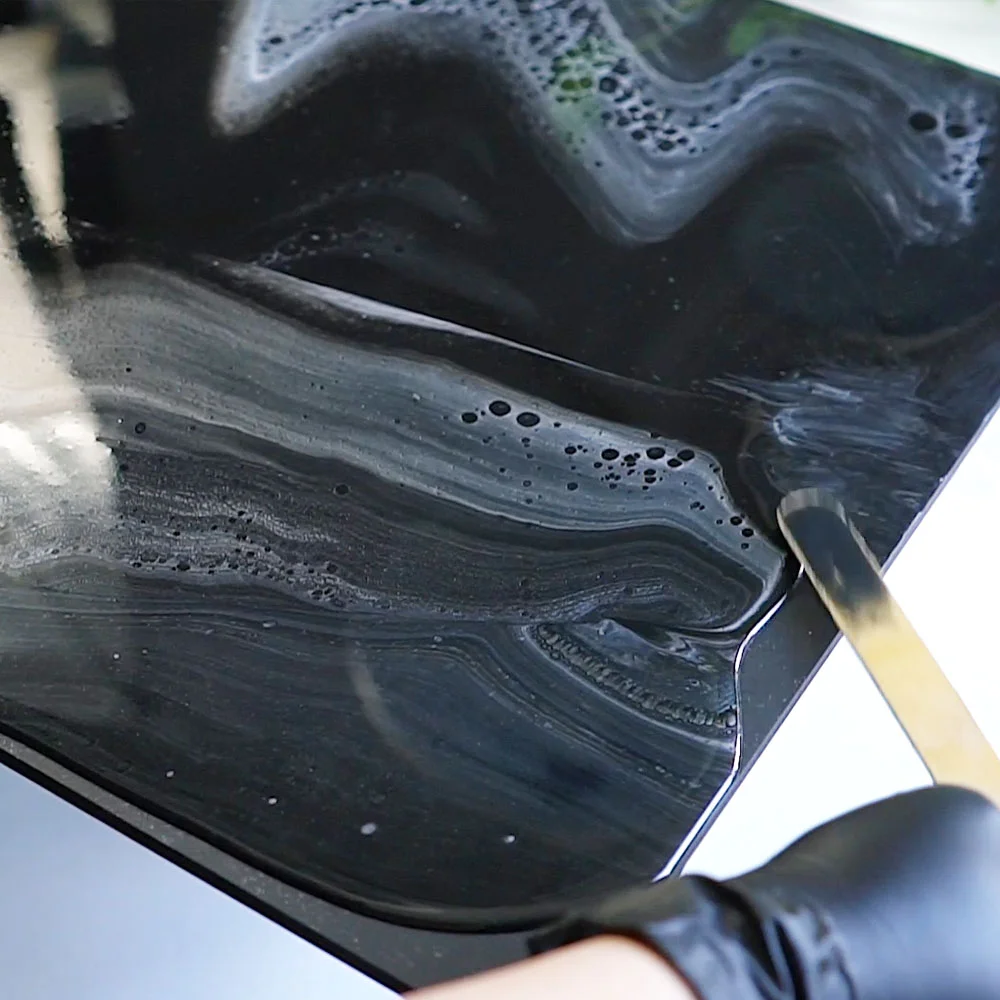
- “Magelstick” – Epoxy Mastic for Stone, Metal, and Cement Bonding and Grouting – For repairs or bonding stone and marble surfaces
- “Trasparente” – Epoxy Binder for Coloured Pebbles and Grits – When working with decorative pebble or grit floors
- “Trasparente” Epoxy Resin Kit 800g + Mica Powder 10g – 10 Colour Variations – For smaller craft or repair projects requiring a glossy or coloured finish
- Fine marble powder (suitable grade for your project)
- Protective gloves, mixing cups, spatulas, and dust mask
- Sandpaper or polishing pads (for finishing)

Gallery: Marble Powder and Epoxy Resin Combinations
Explore finished samples and inspiration using marble powder blended with epoxy resin: see decorative worktops, artistic inlays, and creative flooring options, showcasing the versatility of these materials.
Blending powder and resin enables a vast array of patterns and finishes, from natural marble looks to bold design statements.
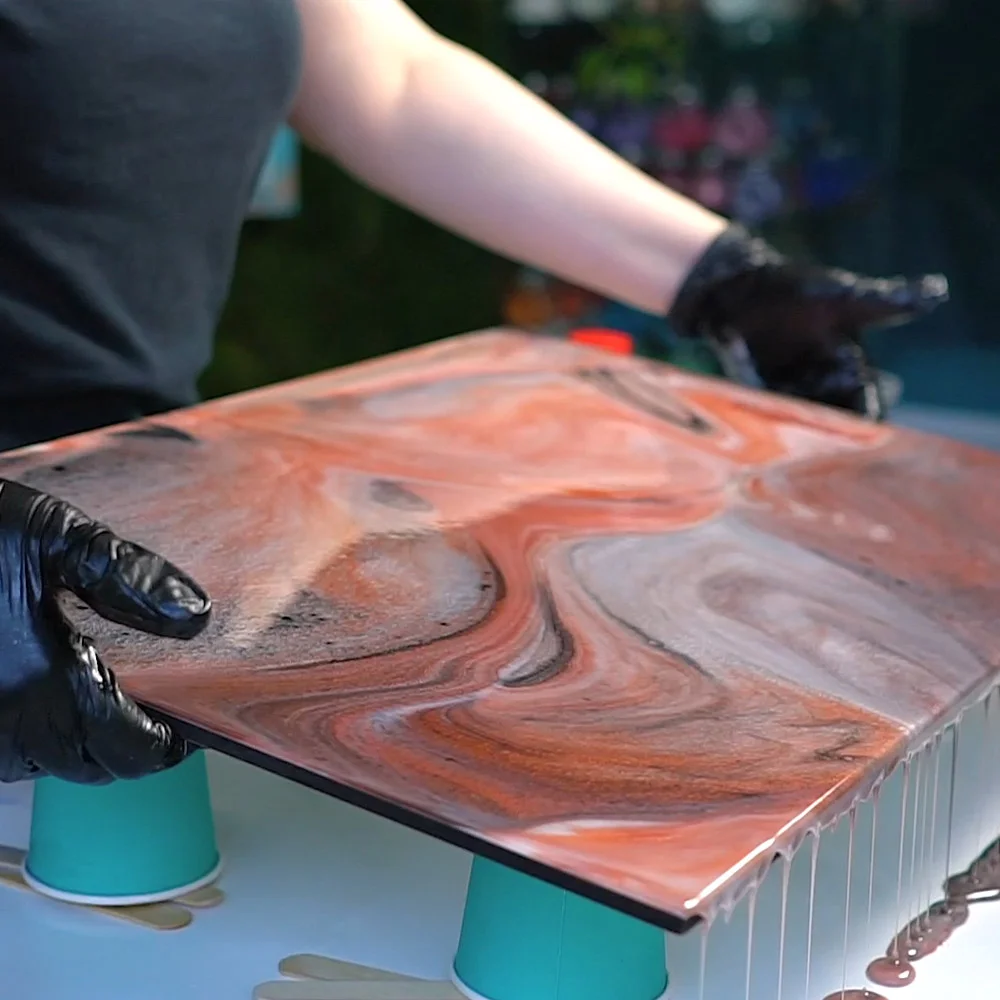
Step 1: Prepare Your Workspace and Safety Gear
Before starting, ensure your workspace is well-ventilated, free from dust, and at a stable temperature. Cover surfaces to prevent accidental spills. Put on protective gloves and a dust mask, as mixing fine powders and resin may create airborne particles and fumes. Set out all your materials and tools, ensuring they’re easy to reach during the process.
Take a moment to read the specific instructions for your resin product, especially for pot life and work time, as epoxy resins can cure rapidly once mixed.
Step 2: Measure and Mix Marble Powder and Epoxy Resin
Properly measure your resin and powder components according to your chosen technique and project scale. For most applications, marble powder is blended into the mixed epoxy resin in ratios ranging from roughly 1 part powder to 2–4 parts resin, but always check your product advice for specific ratios.
Add the marble powder gradually, stirring continuously to ensure an even dispersion without clumps. Thoroughly mix the resin and marble powder until you reach a smooth, paste-like consistency. Watch for pockets of dry powder or unmixed resin, which can weaken the finished surface or impede curing. If using a kit such as the “Stone Effect Collection” – Marble Epoxy Resin Countertop Kit, follow the included pigment and resin mixing guidelines explicitly, as these are designed to deliver authentic marble effects and optimal hardness.
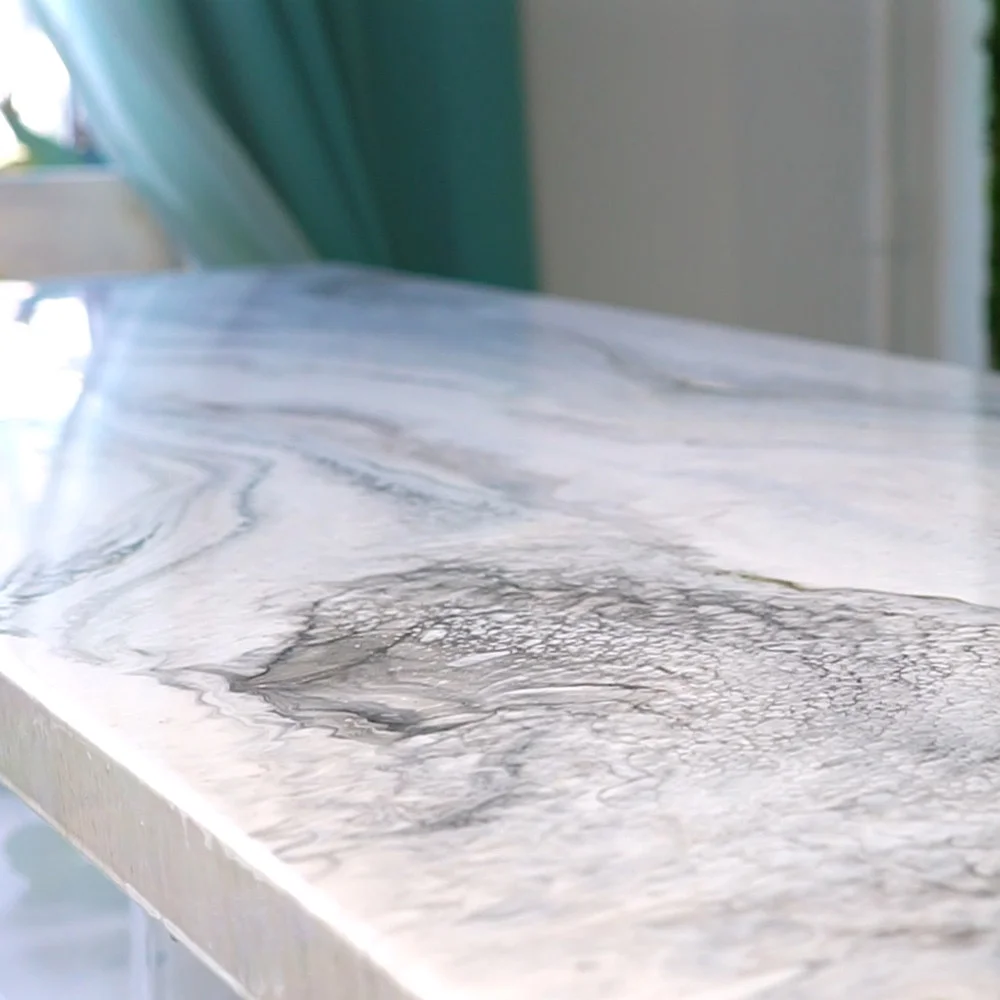
Step 3: Application of the Resin-Marble Mixture
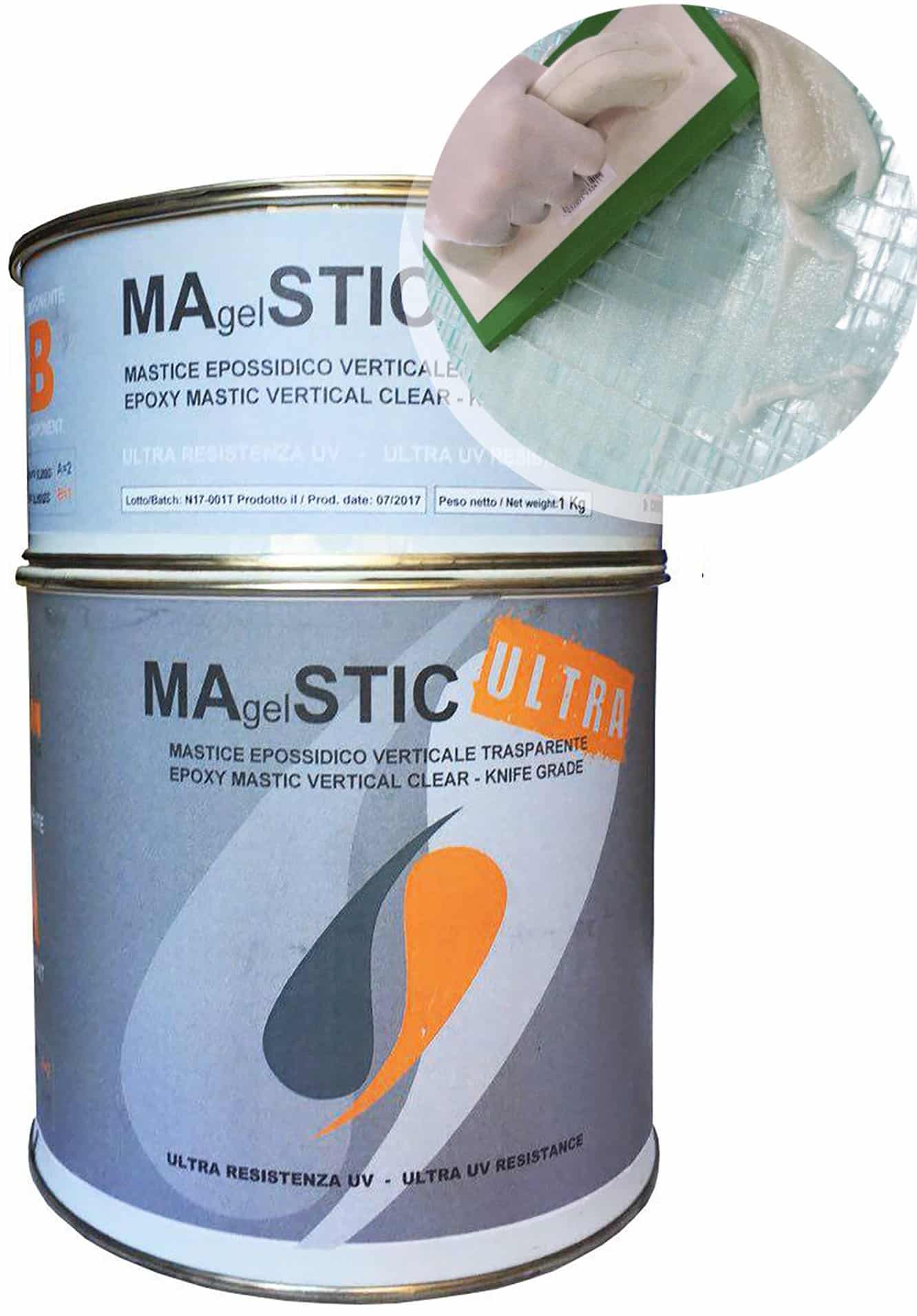
Pour or apply the prepared epoxy mixture onto your clean, primed surface. For countertop or floor applications, use a trowel, spatula, or brush to evenly spread the blend and shape it for your desired effect (such as marble veining or inlays). Apply the epoxy mixture with careful tool use to avoid introducing bubbles. Work efficiently to complete the design before the resin begins to set.
If you are filling gaps or grouting, as is common with restoration projects, a precision product like “Magelstick” – Epoxy Mastic for Stone, Metal, and Cement Bonding and Grouting is ideal — it is thixotropic, making it perfect for vertical applications and ensuring a strong, long-lasting bond.
Step 4: Curing, Sanding, and Finishing Touches
After application, let the epoxy cure undisturbed according to the product instructions (usually 24–72 hours, depending on ambient conditions). Allow full curing before sanding or using the surface — premature handling can leave marks and hinder strength. Once cured, sand the surface gradually with increasingly fine grits to achieve a polished appearance. Remove dust between sanding stages for a flawless result.
For projects requiring a final glossy coat, such as decorative objects or artistic tables, a clear resin from a kit like the “Trasparente” Epoxy Resin Kit 800g + Mica Powder 10g – 10 Colour Variations will provide depth and vibrancy. Finish with a gentle polish or buff as recommended.
Tips and Troubleshooting for Working Marble Powder and Epoxy Resin
Always measure your components with care to ensure reliable curing and avoid a tacky finish. Work in thin layers, building up if needed for depth or pattern. Stir resin and powder slowly to minimise air bubbles, and use a heat gun or torch (as recommended for your resin) to pop any surface bubbles after pouring.
If the resin turns cloudy or sets incorrectly, review your mixing ratio and ambient temperature. Surface imperfections can often be sanded and recoated. Practice on a small sample before your final application to perfect your pigment dispersal and marbling technique.
Video: Marble Powder & Epoxy Application in Action
Watch the process as resin and marble powder are measured, mixed, and applied to surfaces, highlighting step-by-step pouring techniques and final finishing methods for professional results.
- "Stone Effect Collection" – Marble Epoxy Resin Countertop KitPrice range: £57.95 through £272.95"Stone Effect Collection" provides a complete kit for creating durable, professional marble and stone effects on kitchen and bathroom surfaces.
- "Magelstick" – Epoxy Mastic for Stone, Metal, and Cement Bonding and GroutingMagelstick Epoxy Mastic is designed for expert gluing and grouting of stone, metal, and cement surfaces in restoration and repair.
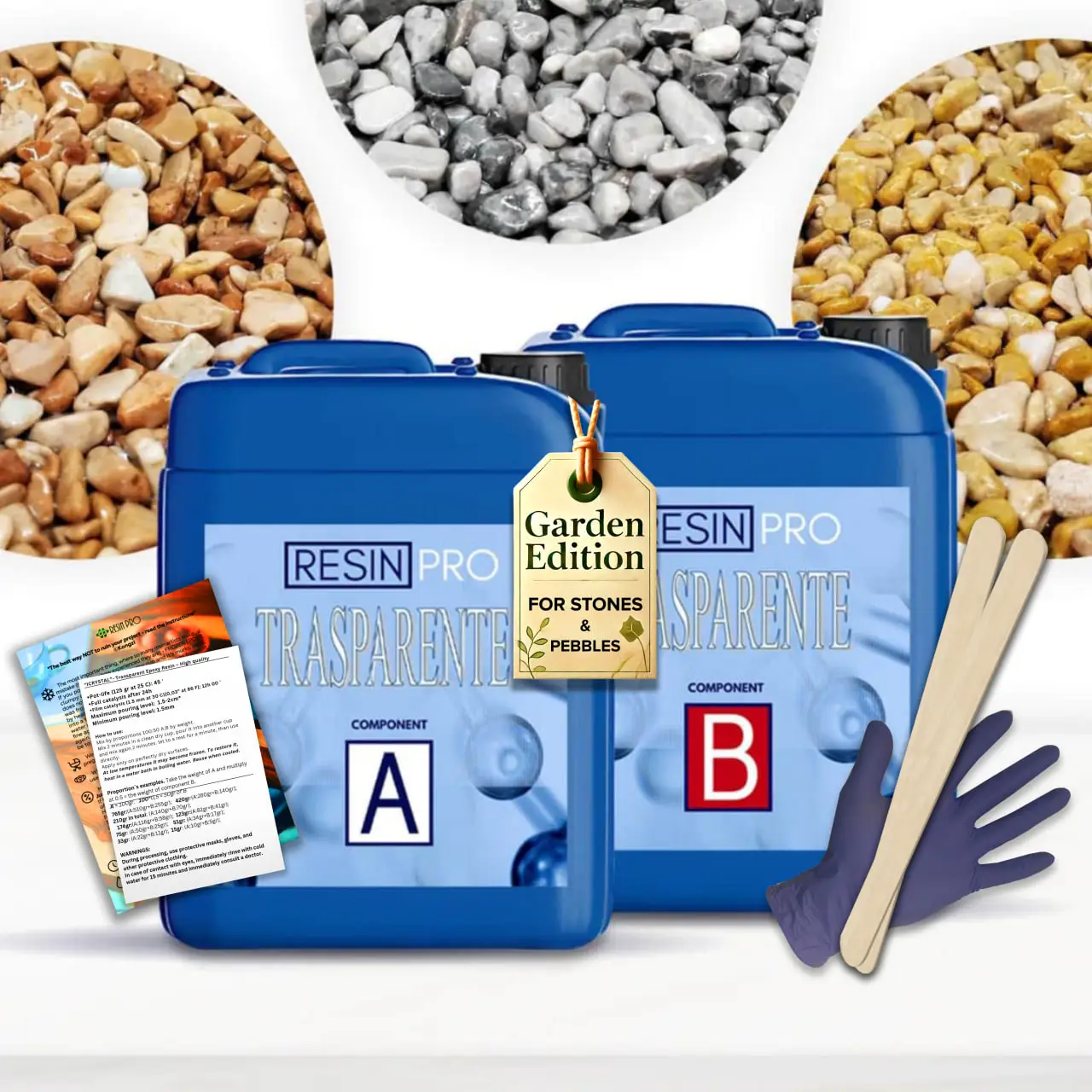 "Trasparente" – Epoxy Binder for Coloured Pebbles and GritsPrice range: £33.45 through £397.95"Trasparente" is a transparent epoxy binder designed for clear, UV-resistant finishes on coloured pebbles, fitting the theme of working marble powder…
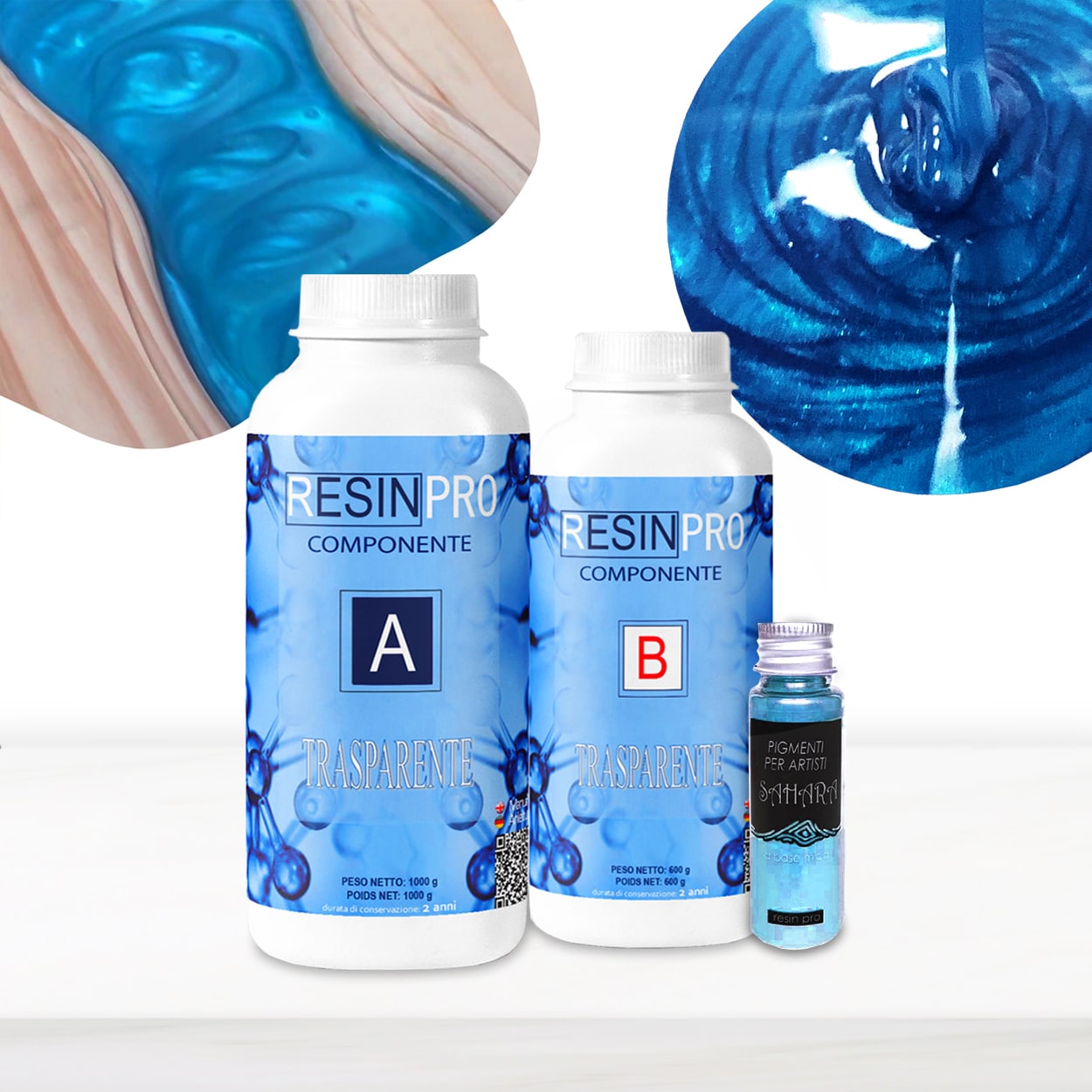 "Trasparente" Epoxy Resin Kit 800g + Mica Powder 10g – 10 Colour Variations£20.95"Trasparente" kit includes ultra clear epoxy resin with mica powder, suitable for castings and table making.
Frequently Asked Questions
What is the recommended ratio of marble powder to epoxy resin?
Typically, mix 1 part marble powder to 2–4 parts epoxy resin. Always check your chosen product's data sheet.
How do I prevent bubbles when mixing marble powder and resin?
Stir slowly and avoid vigorous shaking. Use a heat gun or torch to remove surface bubbles after pouring.
Can you colour the marble powder and epoxy mix?
Yes, use compatible tints or mica powder to achieve your desired hue or marbling effect.
Is marble powder and epoxy resin heat resistant?
Some epoxy resins offer good heat resistance. For countertops, select products specifically rated for heat exposure.
Can I use marble powder and epoxy resin on vertical surfaces?
Yes, use a thixotropic epoxy mastic like Magelstick for gap filling and to prevent slumping on vertical applications.
How long does marble powder and epoxy resin take to fully cure?
Most systems require 24–72 hours, depending on the product and environmental conditions. Let it cure fully before handling.