 Free shipping on orders over £29,85
  Shipping Tracking!


 Google
 Facebook
← Back to How do you grout tiles before applying resin?
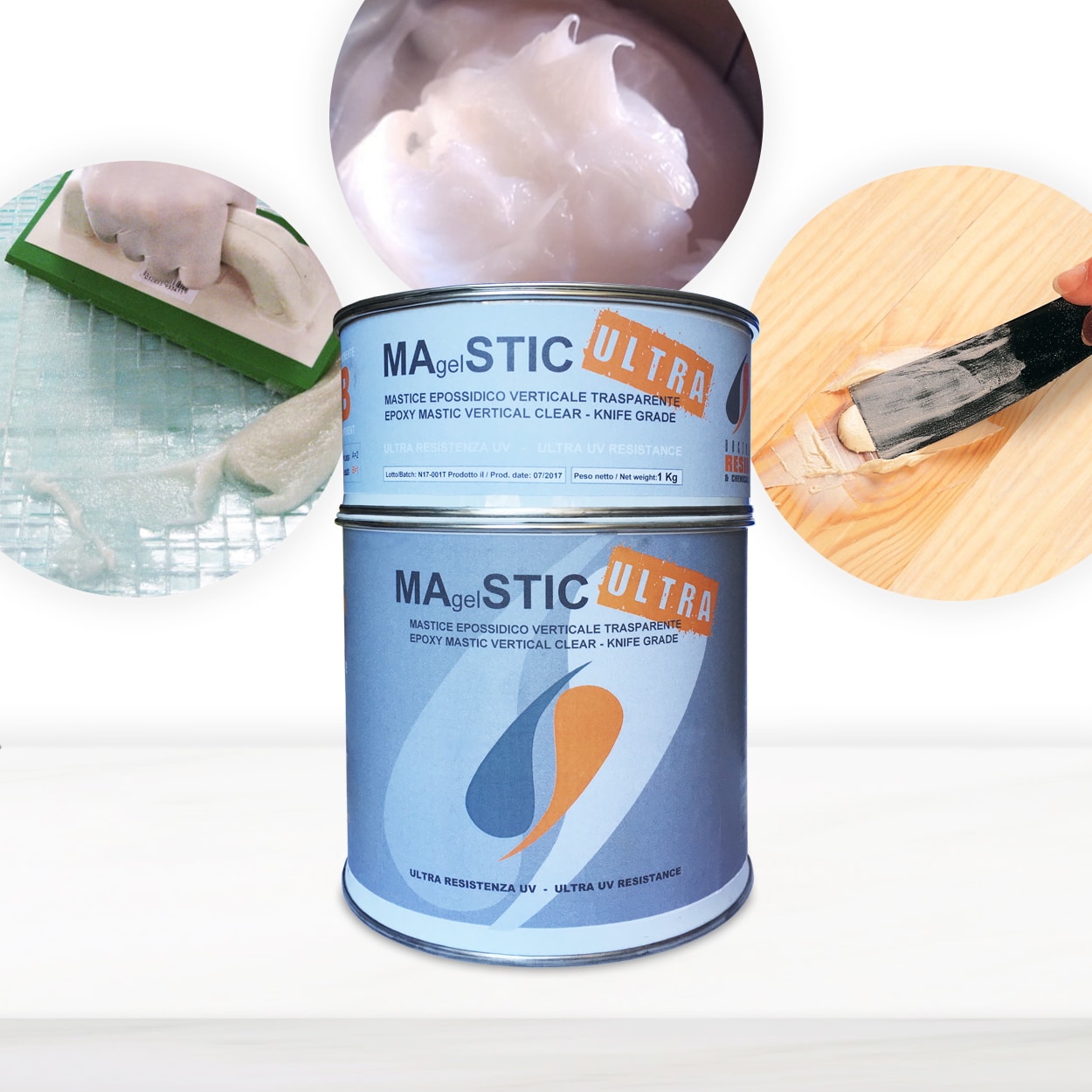
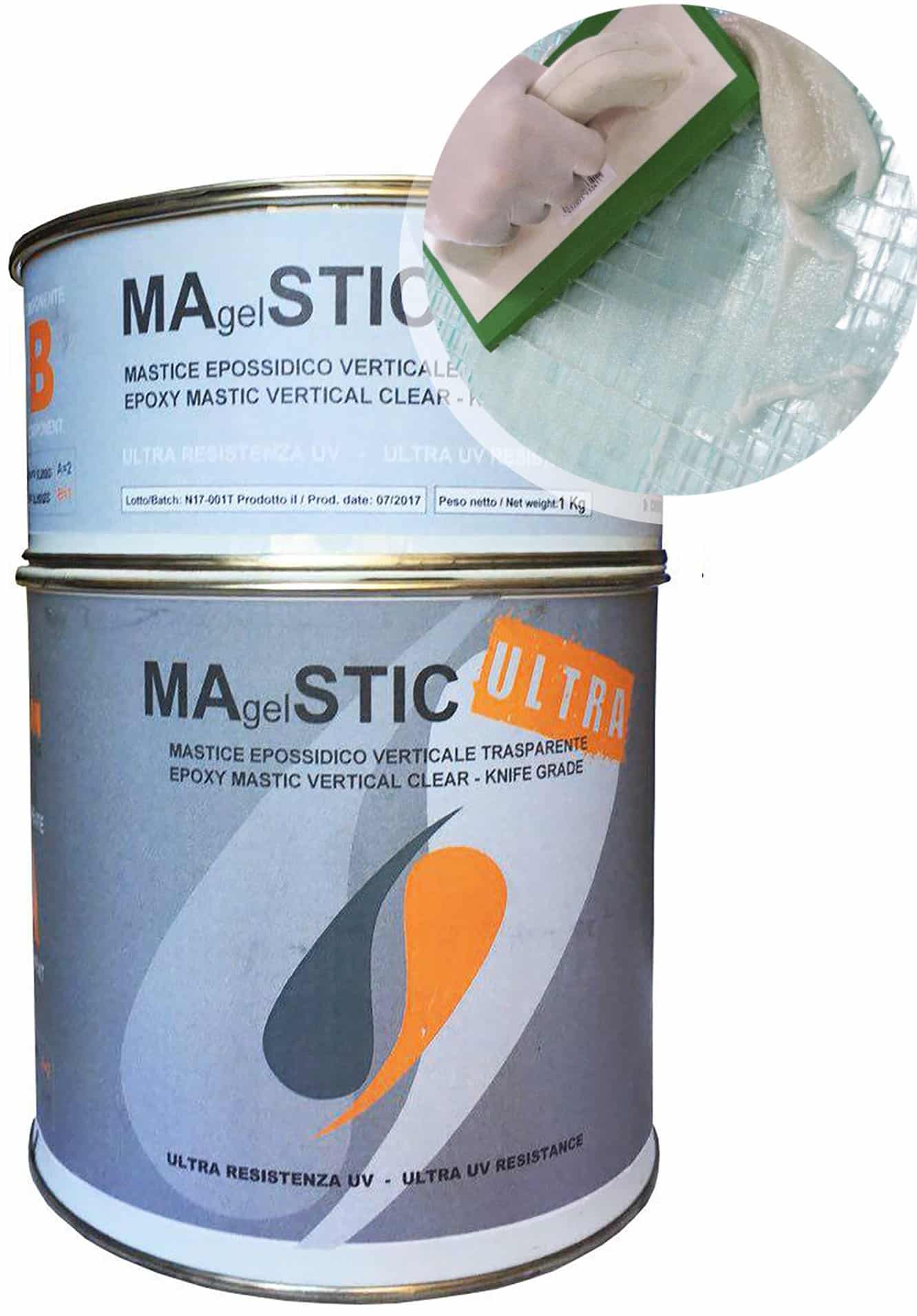
Before applying resin to tiled surfaces, it is important to thoroughly check the grout lines for low spots or gaps. Addressing these areas creates a level, durable foundation for your resin finish.
How to Spot and Assess Low Grout Areas
Once your grout has initially set, inspect the tiled surface carefully under good lighting. Low spots often occur where the grout is slightly below the tile edge or where it has contracted as it dries. Run a straight edge or your finger along the lines to feel for shallow dips. Mark any uneven areas for further attention.
Properly Refilling Grout Before Resin Application
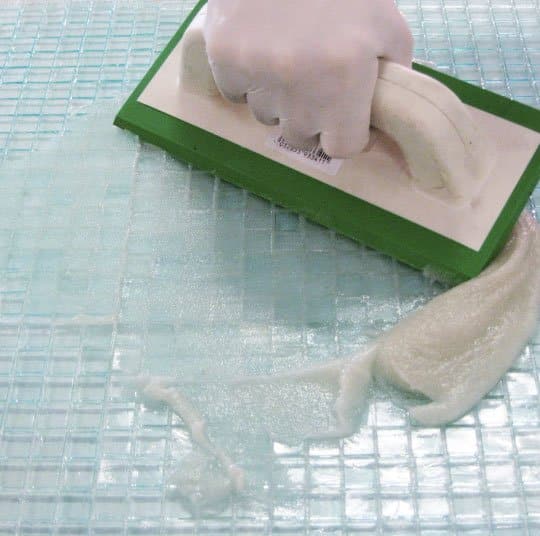
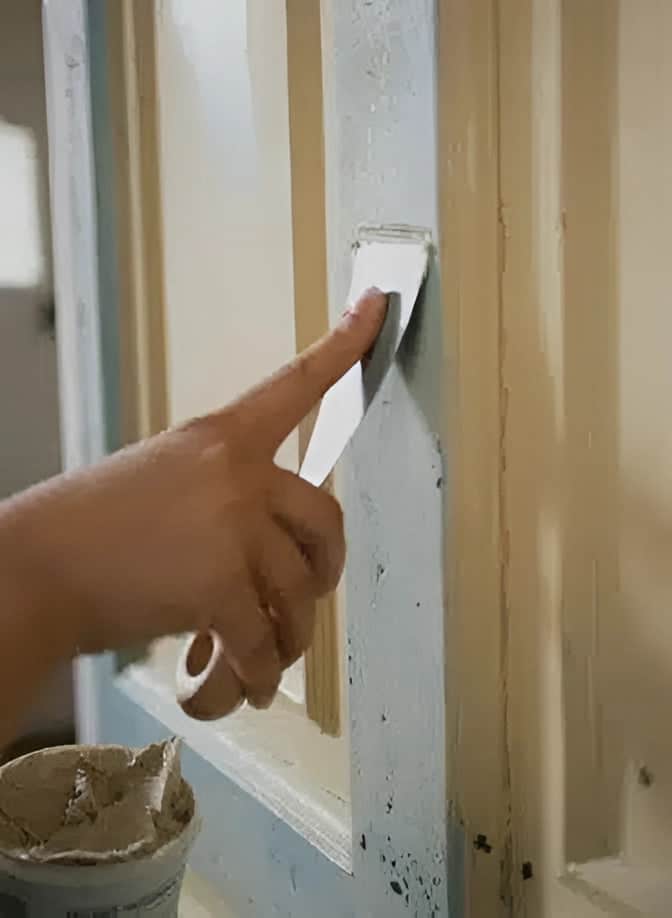
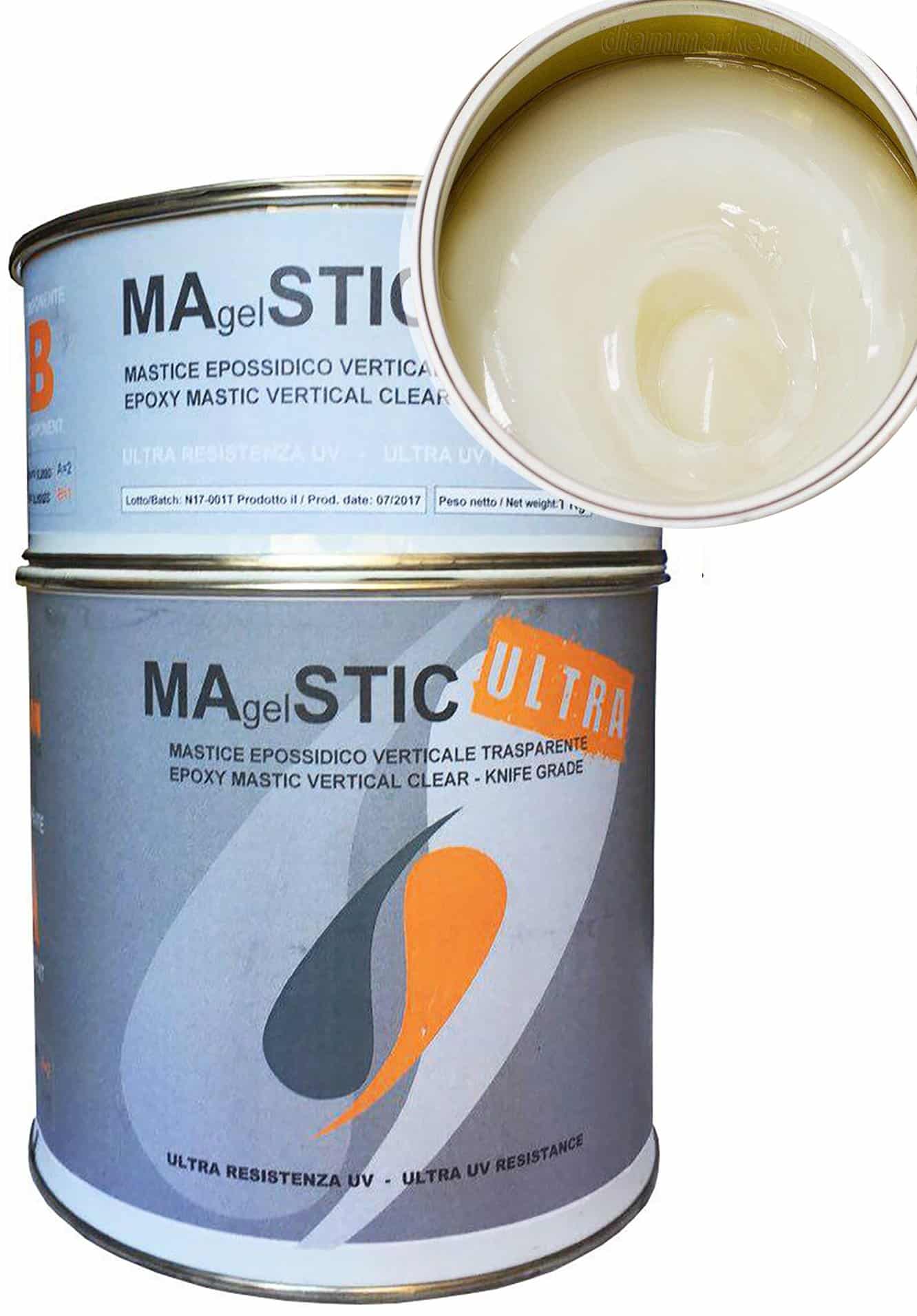
Clean the marked low spots to remove dust or loose particles. If you are working on natural stone, metal, or cement, an epoxy mastic like Magelstick can be highly effective for durable grouting, especially on vertical or exterior surfaces. Mix the grout as instructed, apply it to each depression, and smooth with a float or putty knife. Allow the new grout to fully cure, checking again after drying to ensure the surface remains even.
When This Matters Most
Meticulously refilling low grout spots is crucial for anyone planning to apply a resin or protective coating over tiles. Gaps or dips can lead to visible imperfections in the final finish or may even cause issues with long-term adhesion.
Related products
Related guides
By thoroughly checking and refilling grout lines before your resin work, you ensure a smoother and more professional finish. Explore further preparation tips and the full resin application process in our main guide on how to grout tiles before applying resin.