 Free shipping on orders over £29,85
  Shipping Tracking!


 Google
 Facebook
← Back to How do you make a resin temporary?
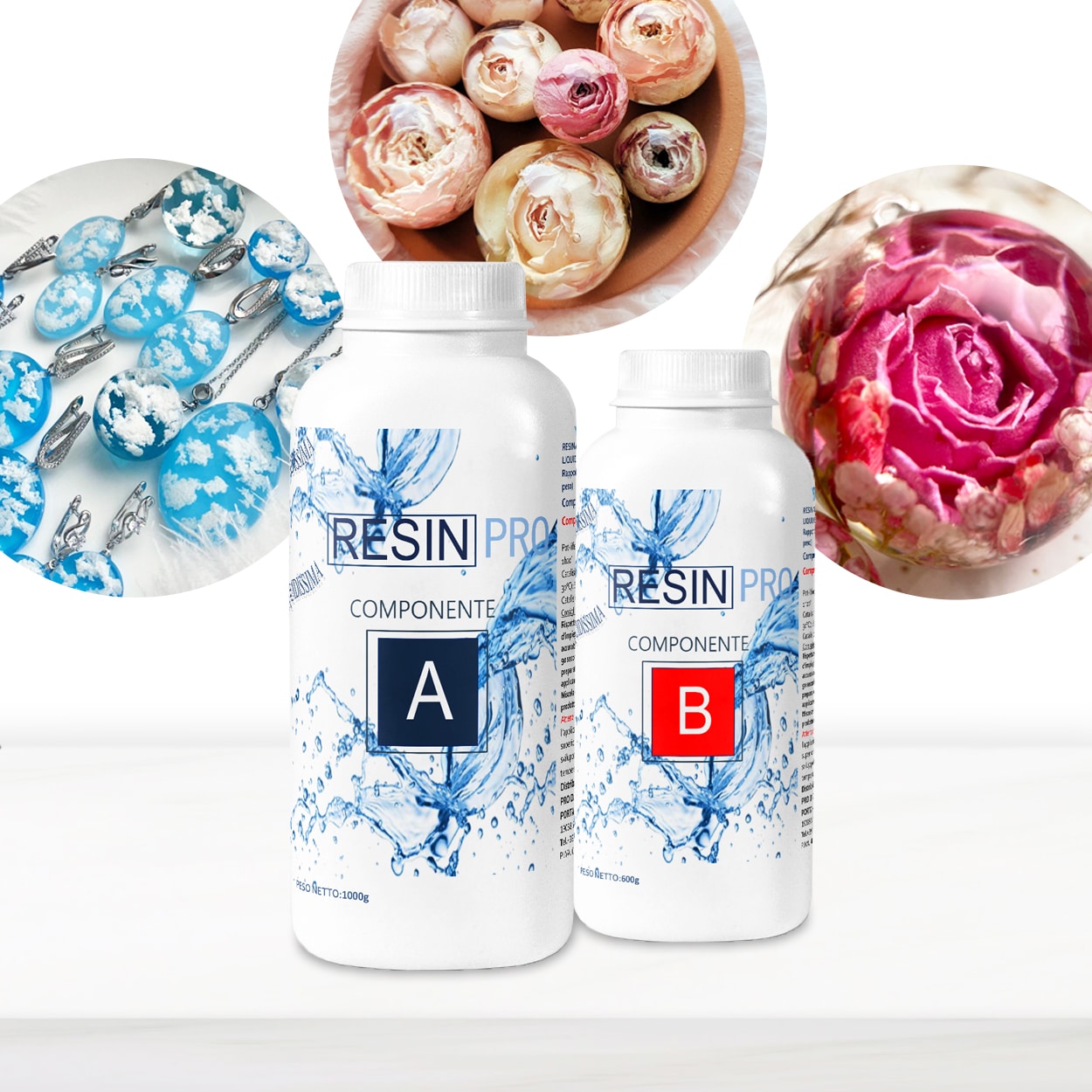
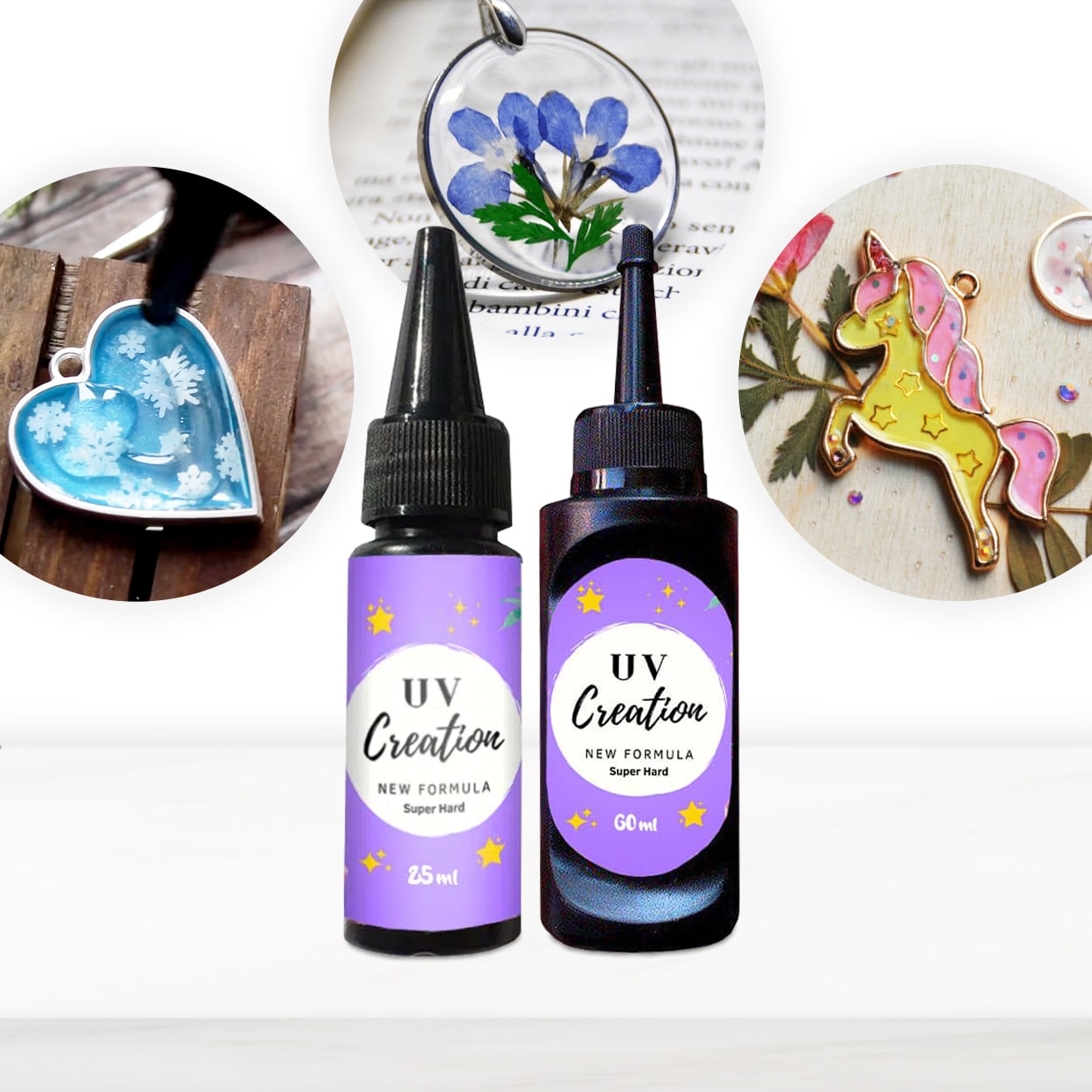
Low viscosity resin flows with ease, allowing it to reach every nook and cranny within your moulds. This quality is vital if you’re aiming for clear, bubble-free castings or complex, detailed shapes in crafts and jewellery.
Why Low Viscosity Matters
Resins with low viscosity behave more like a thin liquid than a thick syrup. This runny texture allows the resin to self-level and fill intricate mould details with minimal trapped air. For projects requiring clarity or tiny features, such as jewellery, low viscosity can be the difference between a flawless finish and visible imperfections.
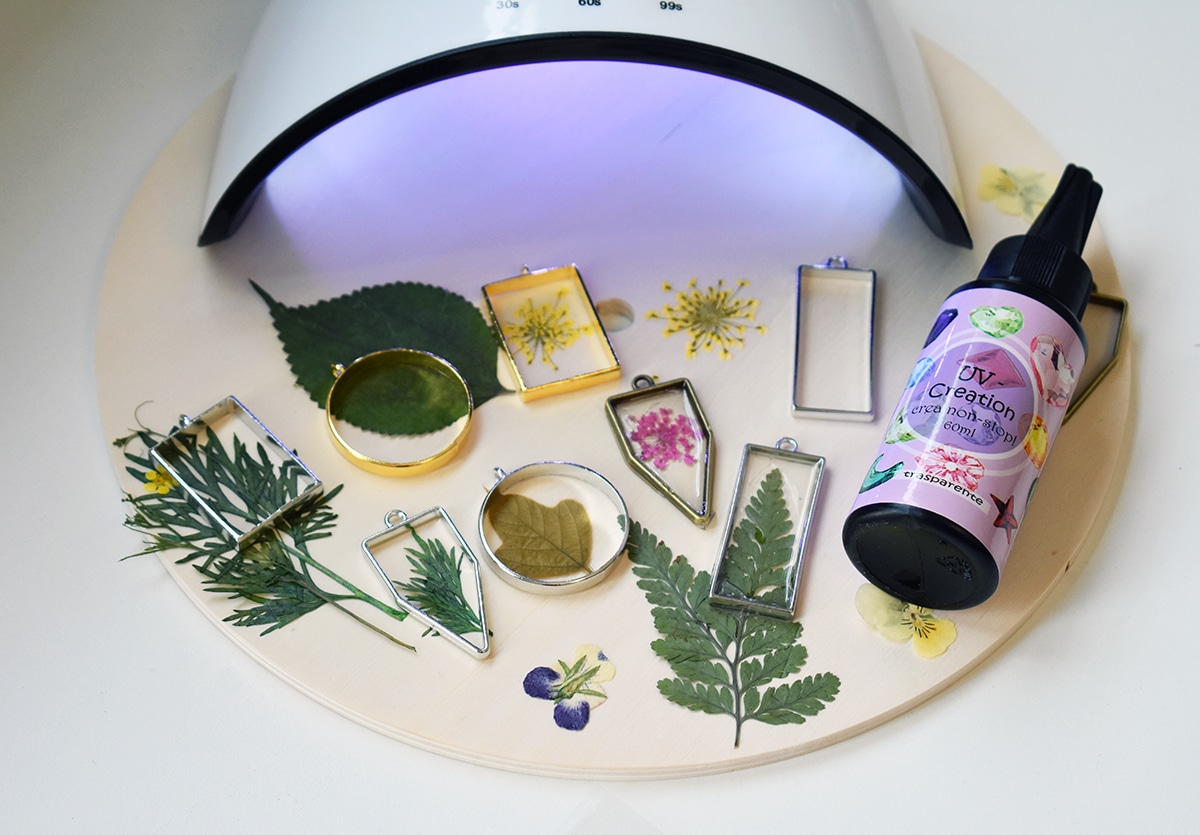

Ideal Uses and Application Tips
Low viscosity formulas are especially useful for:
- Pouring into intricate or detailed silicone moulds.
- Minimising bubbles and reducing the need for post-cure finishing.
- Jewellery, art pieces, and ornament casting—where clarity and smooth results are needed.
To get the most out of these resins, mix and pour slowly to encourage air release, and use in thin layers where possible. Products like Liquidissima Epoxy Resin are created specifically for these kinds of finely detailed projects.
When Low Viscosity Is Important
If your project involves complex shapes, small cavities, or detailed surface textures, using a low viscosity resin helps ensure even coverage and fewer voids. For beginners and experts alike, this characteristic makes the casting process smoother and produces professional-looking results.
Related products
Related guides
Selecting a resin with the right viscosity is essential for temporary or intricate work. To explore the best options for your next resin project, consider using a low viscosity formula. Learn more about how these choices connect with making resin temporaries in our main guide.