 Free shipping on orders over £29,85
  Shipping Tracking!


 Google
 Facebook
How do you remove E30 resin?
Step-by-step solutions for safe and effective E30 resin removal


If you’ve spilled, overpoured, or simply need to clean away cured E30 resin, removing it can seem like a daunting task. E30 epoxy cures to a tough, durable finish that resists most household cleaners, but with the right approach you can restore your surfaces and tools. This guide takes you through safe and practical steps for loosening, eliminating and finishing away unwanted E30 resin – whether it’s fresh or fully cured, and on a range of common materials.
What You’ll Need
- Pure Isopropyl Alcohol 99.9% – 1000ml Bottle for Epoxy Resin Projects & DIY – helps to dissolve and lift uncured or tacky resin
- Strong Technical Degreaser for Resin Projects – 100% Natural Formula – effective on residue and for safe surface cleaning
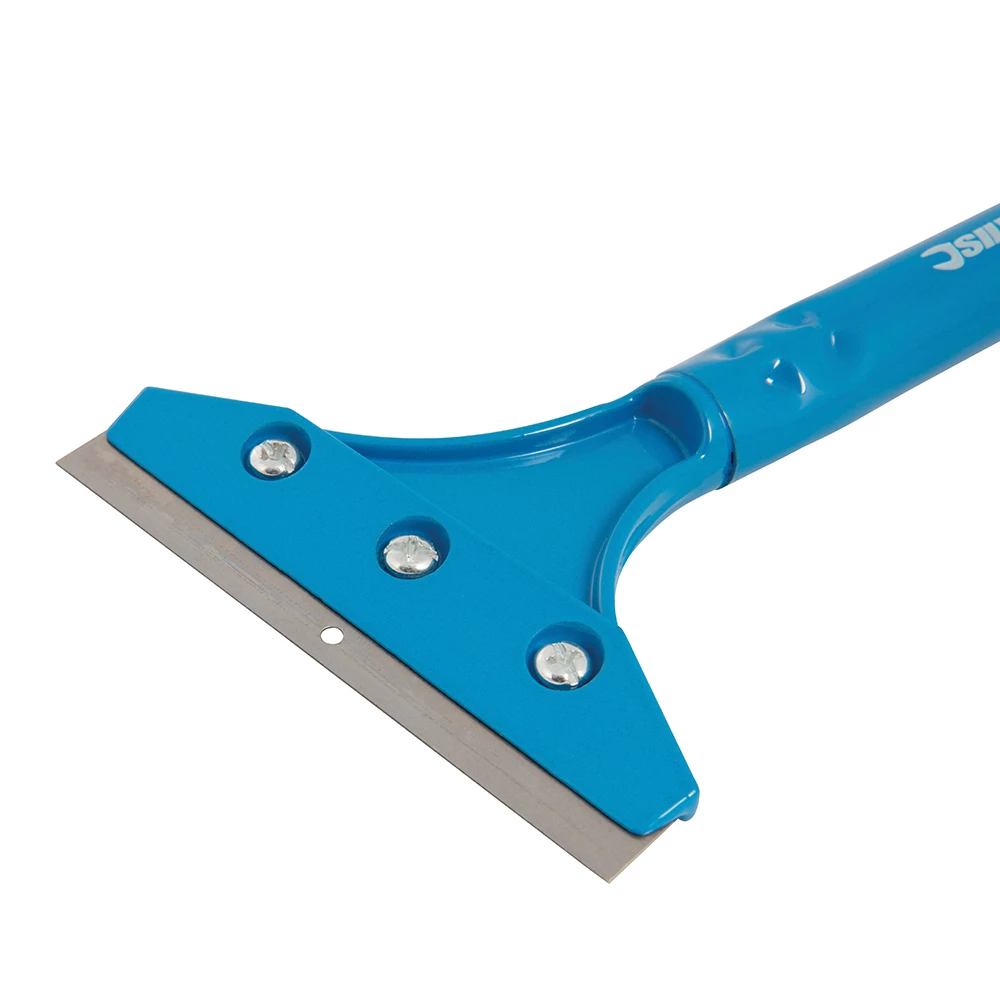
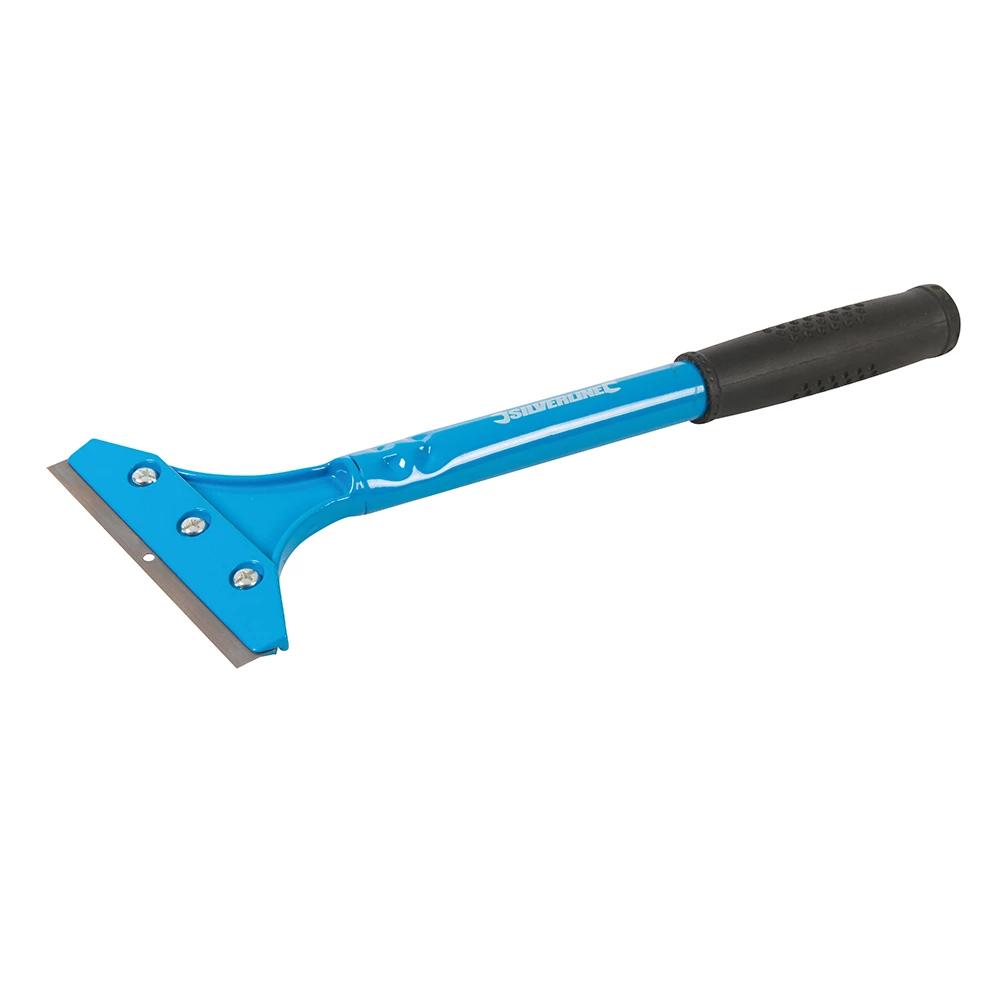
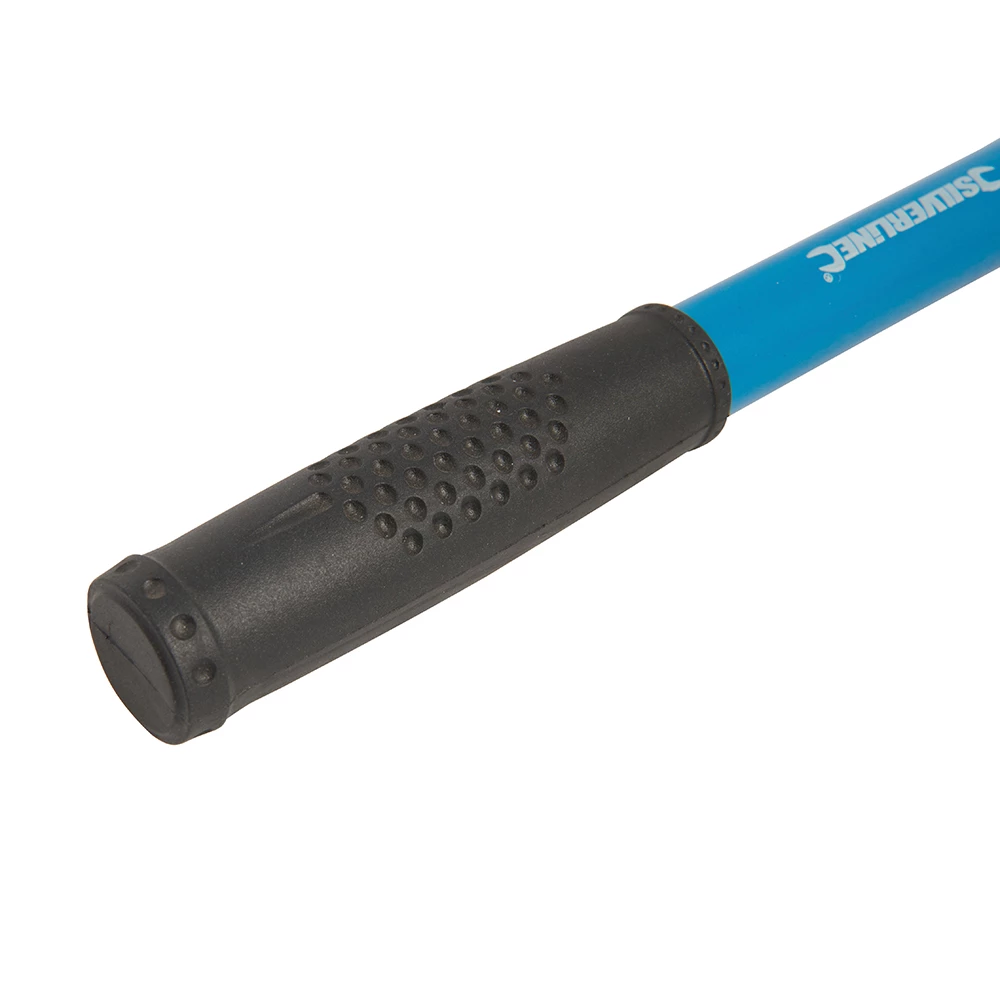
- Heavy Duty Scraper for Paint and Epoxy Resin Removal – ideal for gently prising off cured resin layers on robust surfaces
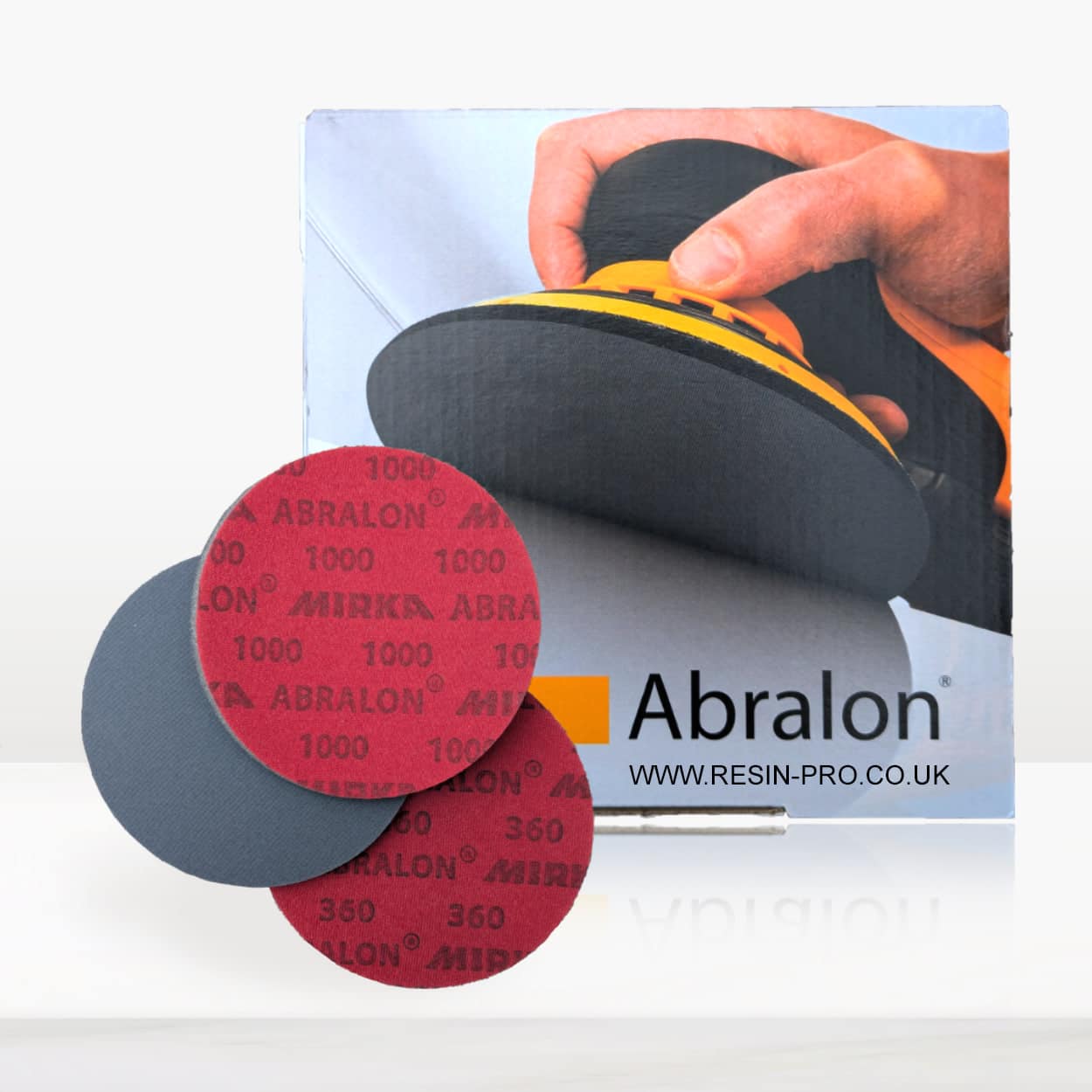
- “Ebonite Abralon” – Sanding Pads 360-4000 Grit for Resin and Wood – provides a smooth finish after resin removal
- Protective gloves and eye protection
- Microfibre or lint-free cloths
See Effective E30 Resin Removal in Action
Watch real-life before and after examples demonstrating both chemical and mechanical E30 resin removal. See how tools, isopropyl alcohol, and sanding pads restore surfaces to their best.
Step 1: Assess and Prepare the Area
Begin by identifying whether your E30 resin is still uncured (sticky or soft) or has fully hardened. The technique you choose will depend on the resin state and the underlying surface type. Ensure your workspace is well-ventilated and free from pets or children. Wear protective gloves and eye protection when removing resin. Cover areas you wish to protect from accidental spills or abrasions.
Gather all of your materials before starting. If you’re attempting removal from a sensitive or decorative surface, test your chosen technique on a small concealed area first. This helps avoid further damage or unwanted dulling.
Step 2: Remove Uncured or Tacky E30 Resin
Addressing E30 resin before it cures offers the easiest route to full removal. While the resin is still sticky, dampen a lint-free cloth with Pure Isopropyl Alcohol 99.9% – 1000ml Bottle for Epoxy Resin Projects & DIY. Gently blot the resin-affected area, allowing the alcohol to soften the resin. Avoid rubbing, as this may spread the material further.
Once softened, use a soft plastic scraper or your gloved fingers to carefully peel or lift away the loosened resin. Repeat the application as needed, switching to a clean cloth each time. For stubborn residue, a second pass with isopropyl alcohol can help ensure a residue-free result.
Step 3: Remove Cured or Hardened E30 Resin Mechanically
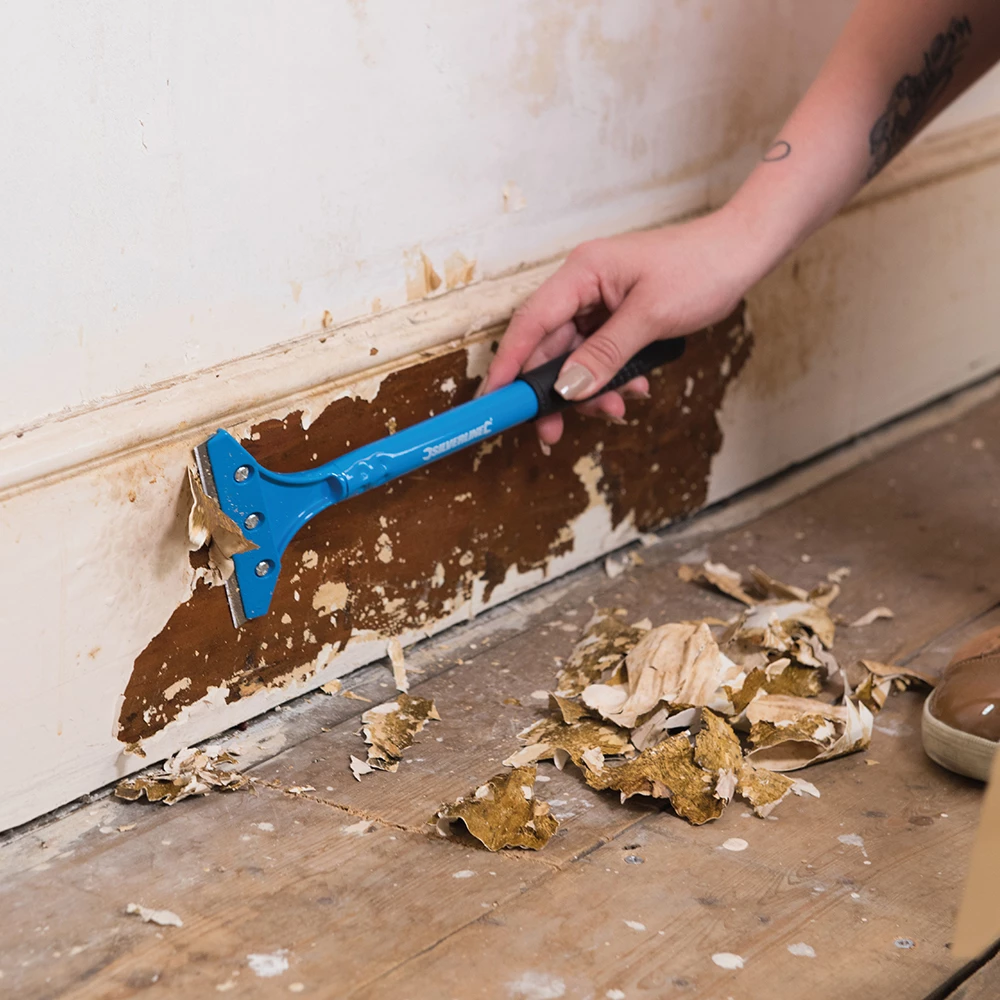
For fully set E30 resin, chemical softening is usually ineffective, so mechanical removal is required. Place the blade of a Heavy Duty Scraper for Paint and Epoxy Resin Removal at a shallow angle and carefully slide it under the edge of the resin deposit. Apply steady, even pressure, taking care not to gouge the underlying surface. Work slowly and do not force tools onto sensitive surfaces.
If tackling resin on delicate or awkward substrates, consider using less force or switching to abrasives. Always check that your method does not risk surface scratches.
Step 4: Clean Up and Finish the Surface
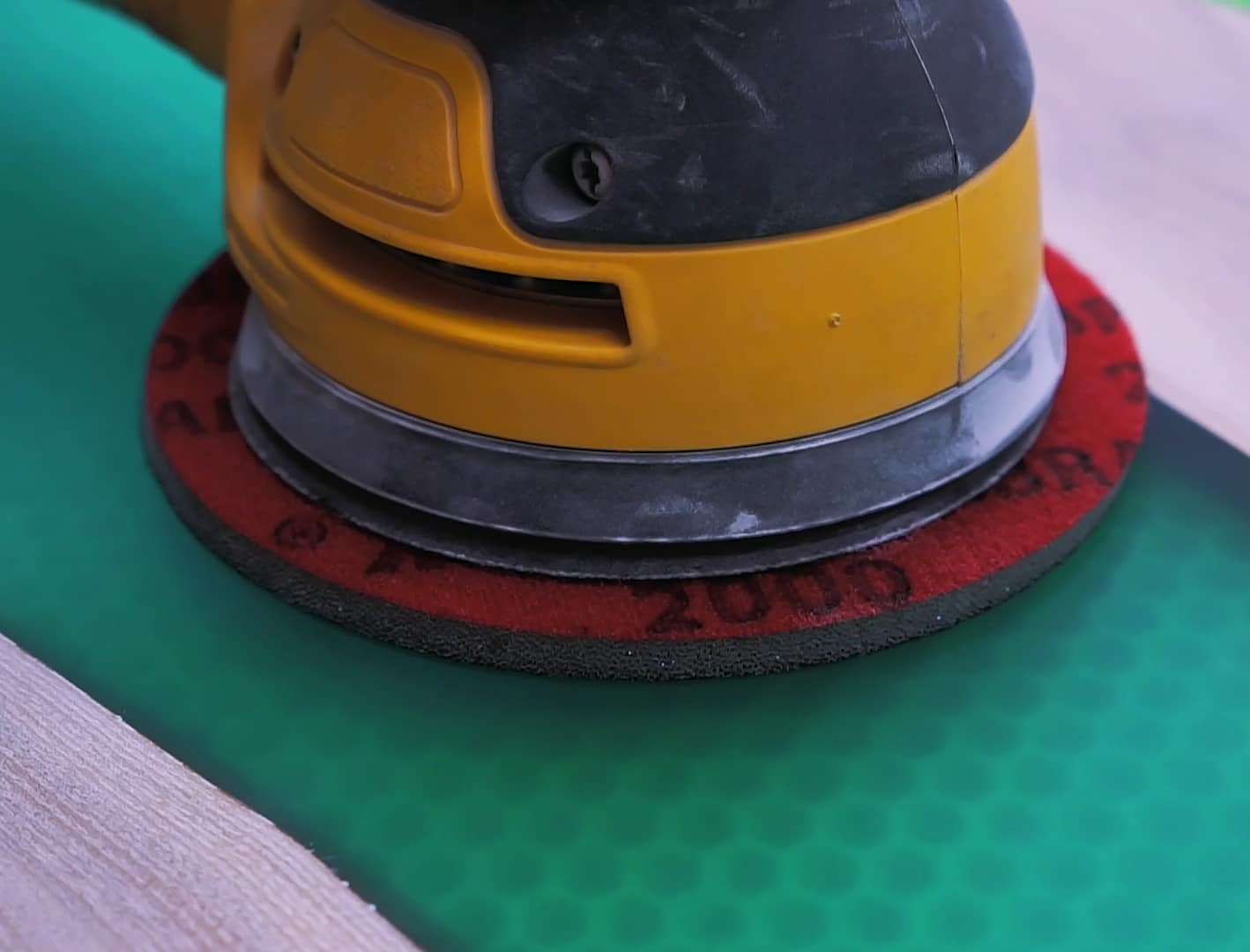
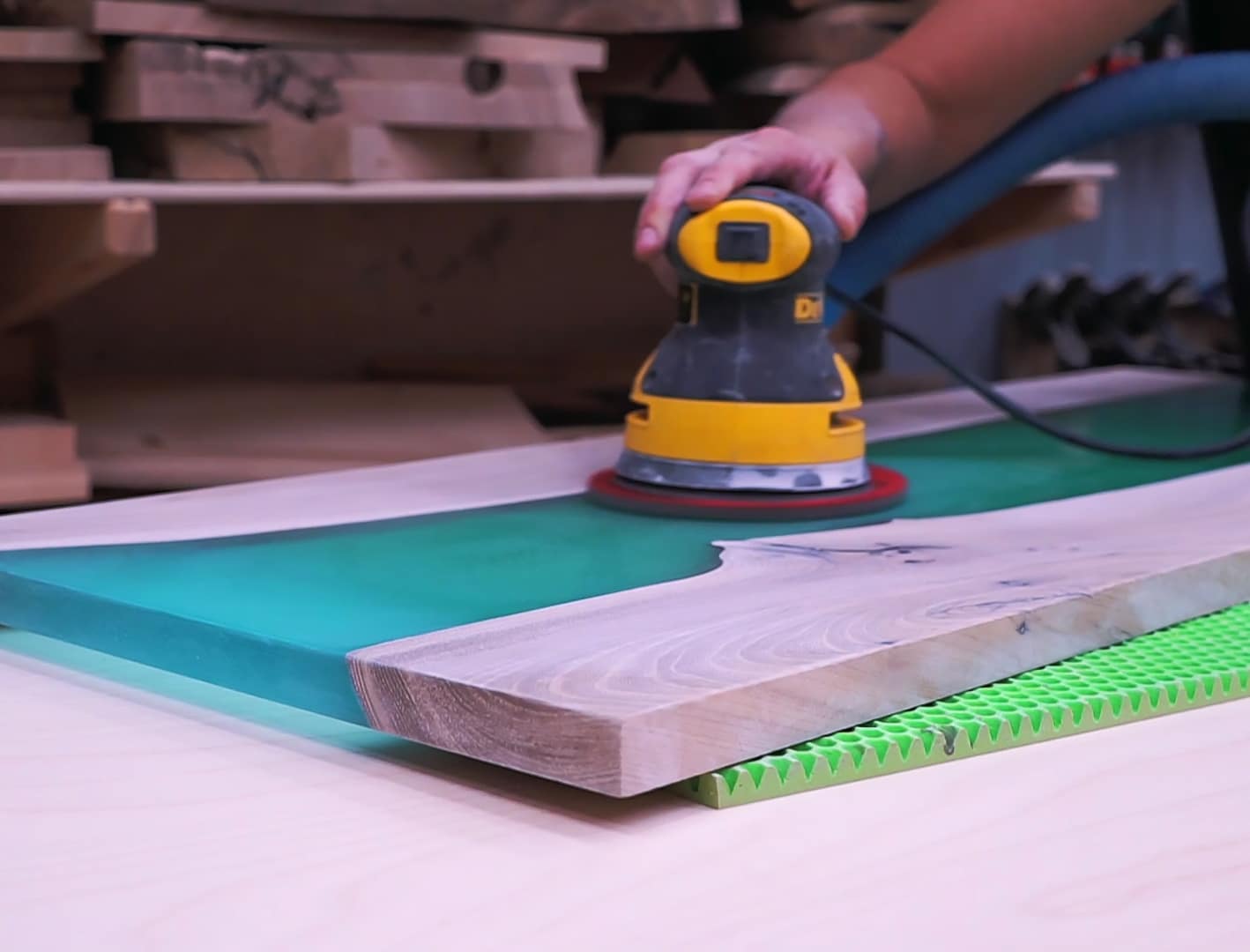
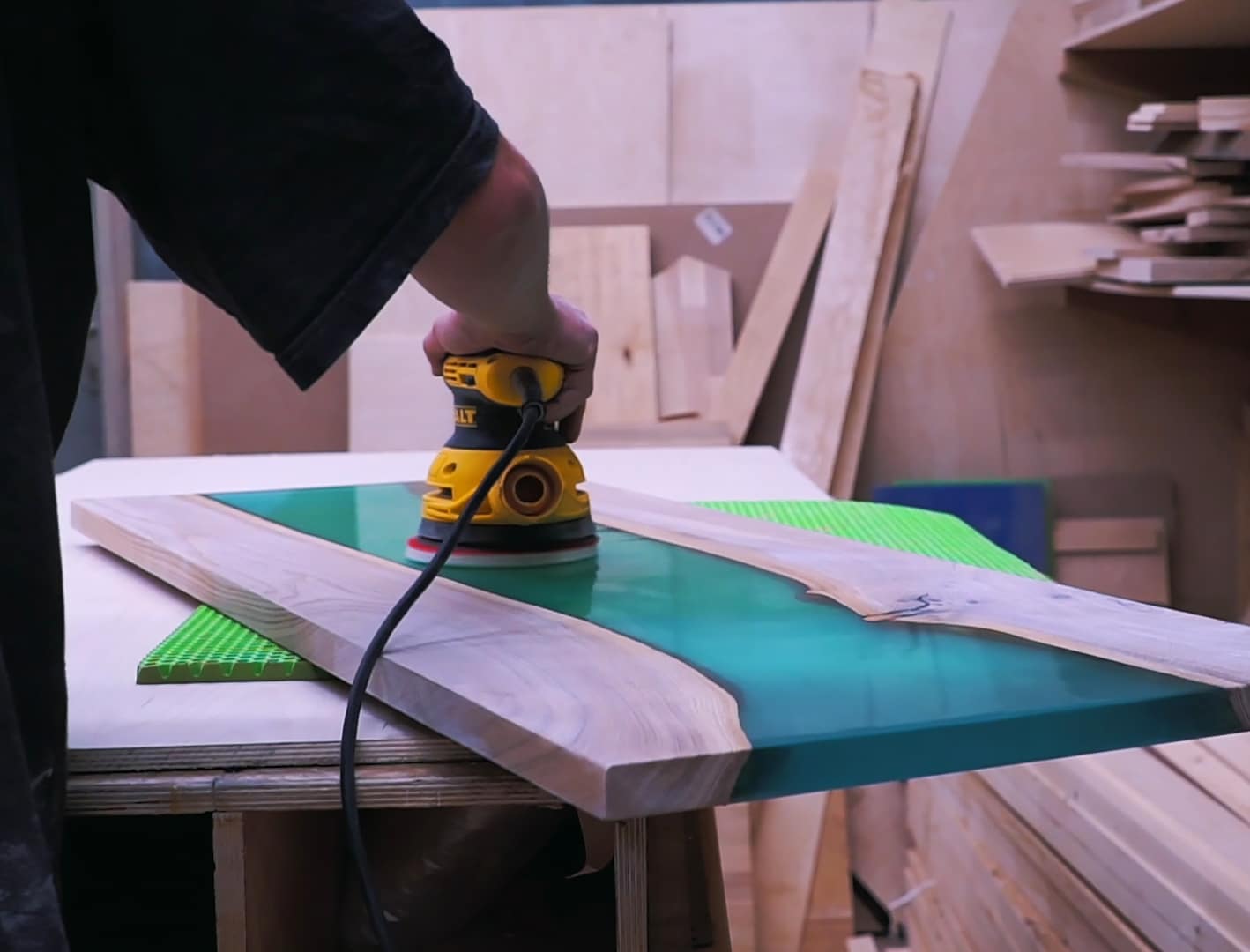
After the bulk of resin is removed, there may still be faint marks or minor unevenness on your surface. For a smooth, refined finish, progress through finer grades of “Ebonite Abralon” – Sanding Pads 360-4000 Grit for Resin and Wood. Begin with a low grit (for deeper marks) and work up to 4000 grit for final polishing.
Wipe down the cleaned area with a damp cloth. To remove any greasy or persistent residue, follow up with the Strong Technical Degreaser for Resin Projects – 100% Natural Formula, ensuring the surface is left spotless and ready for recoating, touch-up or general use.
Tips, Common Mistakes and Troubleshooting
- If resin is freshly spilled but partially curing, act quickly: mechanical and chemical techniques are much more effective before full hardening.
- Never use open flames or excessive heat to remove epoxy resin; this can damage your surface and compromise safety.
- For multiple layers or thick deposits, repeat steps in controlled stages rather than scraping forcefully all at once.
- If sanding generates visible dullness, restore gloss with progressively finer grits and consider a light polish after cleaning.
- Dispose of resin-soiled rags and abrasive pads according to local regulations for chemical waste.
Practical Results Across Different Materials
Discover finished projects where stubborn resin spills on wood, stone and plastics were completely removed using the right sequence of scraping, degreasing and sanding. Notice the restored appearance and surface shine.
- Pure Isopropyl Alcohol 99.9% – 1000ml Bottle for Epoxy Resin Projects & DIYPrice range: £10.45 through £20.95Pure Isopropyl Alcohol 99.9% is suitable for epoxy resin projects, helping to remove bubbles and support resin art effects.
- Strong Technical Degreaser for Resin Projects – 100% Natural FormulaOriginal price was: £10.95.£9.45Current price is: £9.45.Strong Technical Degreaser is designed for safe and natural cleaning in epoxy resin projects and on various surfaces.
- Heavy Duty Scraper for Paint and Epoxy Resin Removal£8.95The Heavy Duty Scraper offers lightweight, precise removal suitable for paint and epoxy resin in renovation projects.
- "Ebonite Abralon" – Sanding Pads 360-4000 Grit for Resin and Wood£4.15Ebonite Abralon Sanding Pads are designed for precise polishing of resin and wood, suitable for wet or dry use.
Frequently Asked Questions
How can I remove E30 resin without damaging the surface?
Use gentle scraping for cured resin and test solvents on hidden areas first. Progress to fine abrasives only as needed for finishing.
How do I get uncured E30 resin off clothes or fabrics?
Quickly blot with isopropyl alcohol, then launder as normal. Hardened resin is difficult to remove entirely from textiles.
Is isopropyl alcohol safe for epoxy resin removal?
Yes, it is commonly used for uncured epoxy, but always work in a well-ventilated area and avoid heat sources.
Will a scraper or sanding pad scratch the underlying surface?
Gentle use minimises the risk, but always test on a small area. Progress from least abrasive to most as needed.
What is the best way to remove hardened E30 resin from wood?
Use a precision scraper first, then refine with sanding pads of increasing grit for a smooth result.
Are there natural cleaners for E30 resin removal?
Yes, plant-based degreasers remove residue safely after most of the resin is gone. Avoid harsh chemicals where possible.
How do I polish the area after removing E30 resin?
Use sanding pads in ascending grit order, finishing with 4000 grit or a polishing compound for gloss.