 Free shipping on orders over £29,85
  Shipping Tracking!


 Google
 Facebook
How do you make a 3D resin floor?
Step-by-step techniques for beautiful floors with depth


A 3D resin floor delivers a stunning visual effect with depth, dimension, and a flawless glossy finish. This step-by-step guide will show you how to create your own 3D resin flooring, covering crucial preparation, layering, design, and finishing techniques for a professional result. Perfect for DIY enthusiasts, renovators, and those looking to transform interiors with this showstopping flooring style.
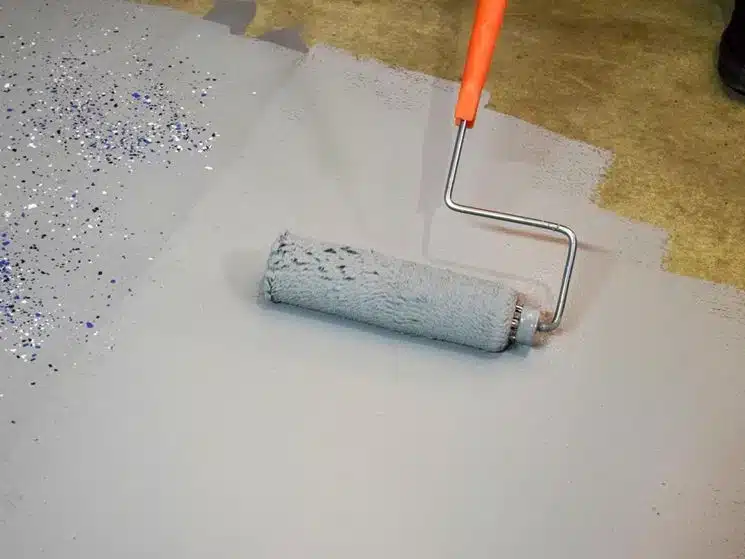
What You’ll Need
- “Epoxyprimer” – Universal Water-Based Two-Component Epoxy Floor Primer: A water-based epoxy primer designed for reliable adhesion and durability on concrete, wood, tiles, and screeds.
- “Trasparente” – Multipurpose Clear Epoxy Resin for Casting – Up to 2cm: Clear epoxy resin designed for multipurpose casting up to 2 cm thick, suitable for DIY, art, and woodworking applications.
- “Art Pro” – Clear Epoxy Resin for Artists and Surface Coating: Clear epoxy resin designed for artists and DIY to produce glass-like, durable surface coatings.
- “Prolux” – PU coating for tiles, concrete, plastic and metal – suitable for driveable surfaces: A two-component polyurethane coating for floors and driveable surfaces, designed to resist UV, abrasion and weathering.
- 3D floor graphic or image (professionally printed and compatible with resin application)
- Rollers, brushes, mixing buckets, measuring tools, gloves, and safety equipment
- Cleaning materials for surface preparation (mop, vacuum, mild detergent)

Visual Inspiration: Stunning 3D Resin Floors
See how depth, clarity, and a flawless glass-like finish make 3D resin floors a focal point in modern interiors. From intricate designs to bold photographic images, these floors create mesmerising illusions that transform ordinary spaces into works of art.
Step 1: Prepare and Prime the Surface
Achieving a flawless 3D resin floor starts with meticulous surface preparation. Clean the existing floor thoroughly to remove all dust, grease, and debris—any residue could interfere with adhesion or create imperfections. Repair cracks or uneven patches using a suitable filler, and ensure the surface is dry, solid, and level.
Next, prime the surface to seal pores and create an optimal base for resin application. Use “Epoxyprimer” – Universal Water-Based Two-Component Epoxy Floor Primer for superior adhesion to concrete, wood, tiles, and screed. Apply evenly with a roller or brush, following the manufacturer’s mixing and curing instructions. Allow the primer to cure fully—typically 24–48 hours—before proceeding.


Step 2: Apply the Base Resin Layer
Once the primer has cured, mix your clear epoxy resin according to the product ratio and instructions. For the base layer, ensure the resin is evenly spread to achieve a self-levelling, bubble-free surface. Pour the first resin coat and use a spiked roller to remove any trapped air. This layer provides the optical depth and smoothness required for the 3D effect.
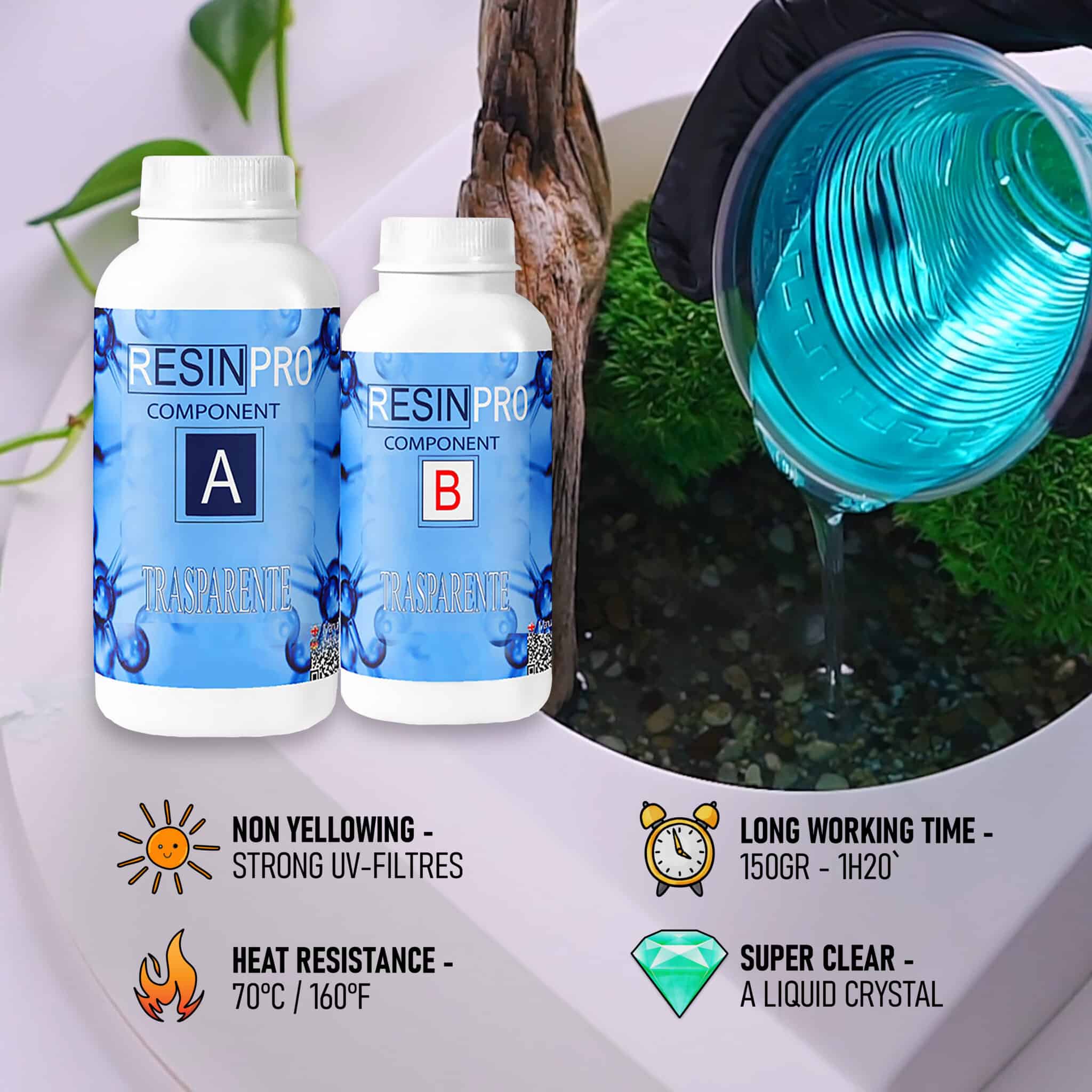
“Trasparente” – Multipurpose Clear Epoxy Resin for Casting – Up to 2cm is ideal for this purpose, delivering a crystal-clear, glossy finish up to 2 cm thick. Allow this layer to partially cure as directed before moving on.
Step 3: Position and Seal Your 3D Image
After the base resin layer reaches a tacky stage, carefully place your professionally printed 3D floor graphic on the surface. Gently smooth out air bubbles using a squeegee or roller, starting from the centre outward. Ensure the image lies absolutely flat and covers the area intended for the 3D effect.
Seal the graphic with a thin layer of clear resin such as “Art Pro” – Clear Epoxy Resin for Artists and Surface Coating. Its dense, non-drip formula is ideal for precise, even coatings, preventing the image from lifting or wrinkling. Allow this seal coat to cure as instructed.
Step 4: Pour the Final Resin Layer for Depth
Mix and apply the final clear epoxy resin layer to encapsulate the image, building up the desired sense of depth and magnification. Pour slowly to avoid introducing air. Use a spiked roller or torch as needed to release bubbles. Maintain a controlled room temperature and humidity to ensure a flawless, glass-like finish.
This layer not only enhances the 3D visual effect but also seals and protects the imagery for long-term durability and clarity.
Step 5: Finish with a Protective Top Coat
After the resin has fully cured, add a protective polyurethane coating to safeguard the floor against wear, abrasion, and UV exposure. “Prolux” – PU coating for tiles, concrete, plastic and metal – suitable for driveable surfaces creates a robust, UV-stable finish ideal for driveable and high-traffic zones. Apply evenly in one or two coats, depending on the area’s use and manufacturer’s instructions, and allow to cure completely before use.


Tips, Common Mistakes, and Troubleshooting
Plan your resin pours in advance and mix accurate ratios to avoid soft or sticky spots. Always allow each layer to cure as recommended to prevent cloudiness or trapped moisture between coats. Avoid dust contamination by keeping the room sealed during application and curing. When working with large surface areas, having a helper can be invaluable for speed and consistency. If bubbles persist, gently pass a heat gun or torch over the surface shortly after pouring—the correct technique is key to prevent scorching. If any imperfections appear, they can often be sanded and another top coat applied.
Expert Insight: Achieving Flawless Resin Floors
A professional 3D resin floor demands patience, the right products, and careful environmental control at each stage. Investing in quality primers and resins ensures robust adhesion, maximum clarity, and the longevity of your finished floor.

- "Epoxyprimer" – Universal Water-Based Two-Component Epoxy Floor PrimerPrice range: £156.45 through £286.45Epoxyprimer is a water-based two-component epoxy floor primer designed for reliable adhesion and durability on various surfaces.
- "Trasparente" – Multipurpose Clear Epoxy Resin for Casting – Up to 2cmPrice range: £8.95 through £397.95A clear, multipurpose epoxy resin suitable for layers up to 2cm, designed for detailed castings and DIY projects including woodworking and…
- "Art Pro" – Clear Epoxy Resin for Artists and Surface CoatingPrice range: £19.95 through £267.95Art Pro clear epoxy resin delivers high-gloss, durable finishes with UV protection, suitable for artistic surface coatings.
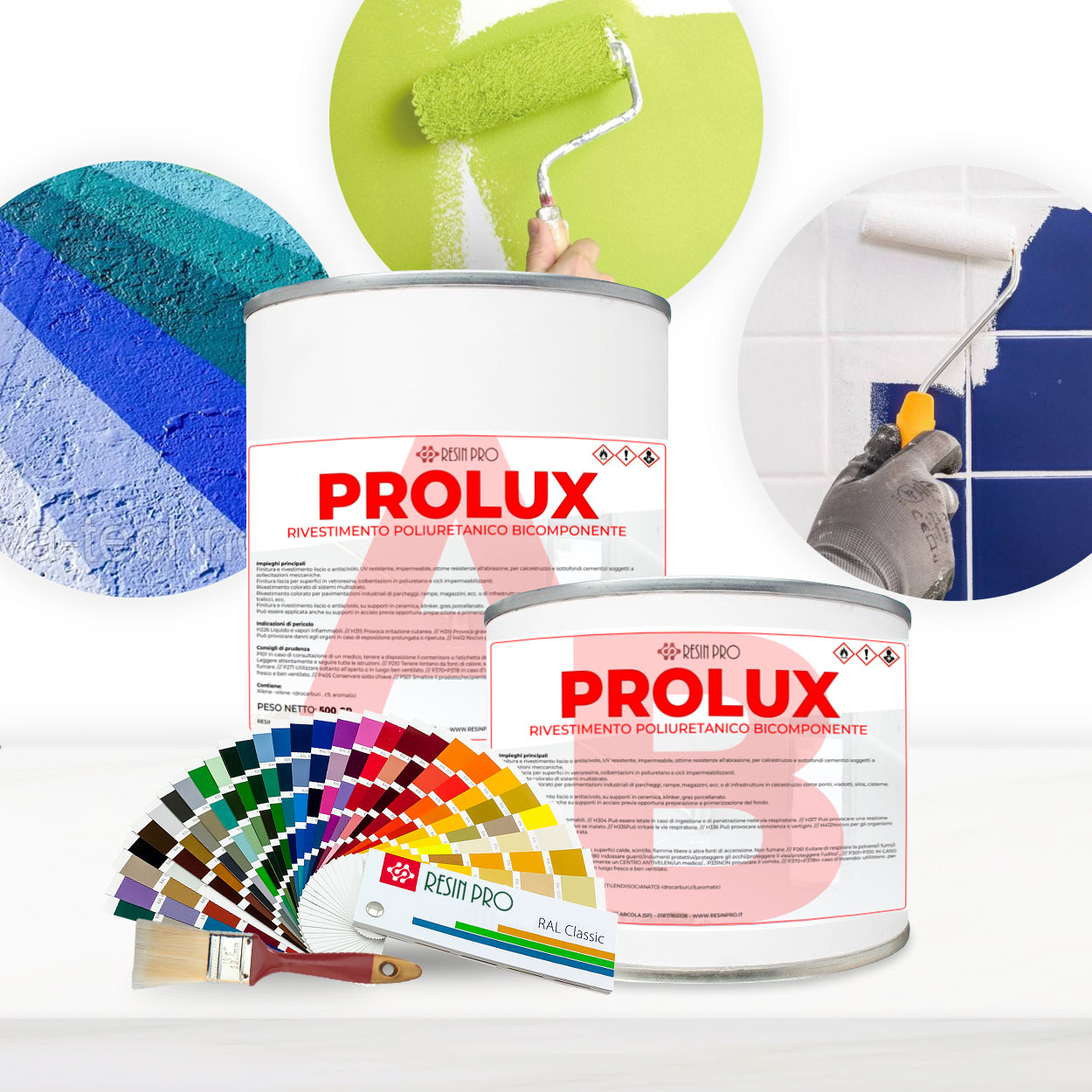 "Prolux" – PU coating for tiles, concrete, plastic and metal – suitable for driveable surfacesPrice range: £44.85 through £494.85"Prolux" is a polyurethane coating for various surfaces, designed for durable protection and a versatile finish in gloss or satin.
Frequently Asked Questions
Can I install a 3D resin floor by myself?
With careful preparation, patience, and the correct materials, motivated DIYers can achieve professional results.
How long does a 3D resin floor take to cure?
Each resin and primer layer usually needs 24–48 hours to cure fully before proceeding to the next step or using the floor.
Can I apply 3D resin flooring over old tiles?
Yes, provided the existing tiles are level, clean, and primed with a compatible epoxy primer for proper adhesion.
What type of image do I use in a 3D resin floor?
Use a high-resolution, waterproof, and resin-compatible printed graphic sized to your floor space for the best visual effect.
Does a 3D resin floor scratch easily?
Using a durable epoxy resin and finishing with a polyurethane top coat significantly improves scratch resistance for everyday use.
Is 3D resin flooring suitable for a bathroom?
Yes, 3D resin floors are waterproof and ideal for bathrooms and wet rooms when installed correctly with sealed edges.
How do I clean and maintain my 3D resin floor?
Clean with a mild detergent and soft mop; avoid harsh abrasives to maintain the glossy appearance and durability over time.