 Free shipping on orders over £29,85
  Shipping Tracking!


 Google
 Facebook
← Back to How Do You Work with Epoxy Resin Tutorial?

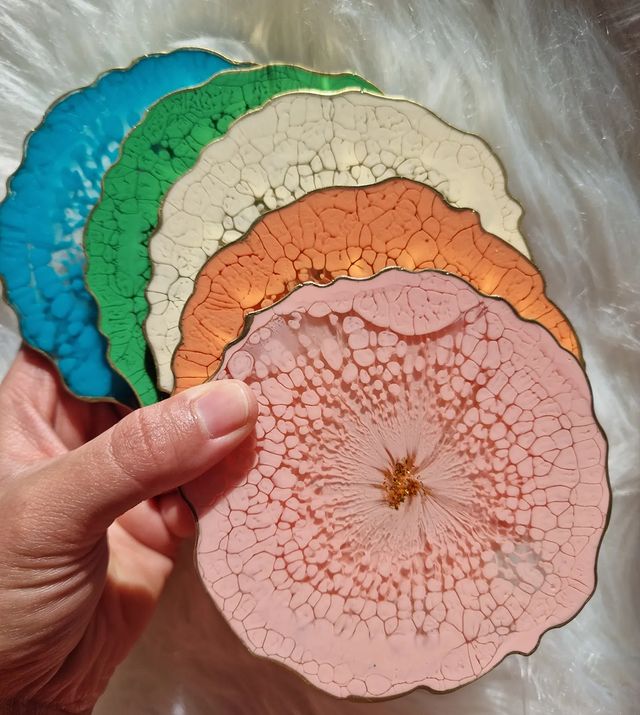
Working with epoxy resin can be rewarding, but it’s important to prioritise your safety from the start. Understanding the need for protective gear and proper ventilation will help ensure a positive resin crafting experience.
Why You Should Protect Yourself
Epoxy resin contains chemicals that can cause irritation or allergic reactions if they come into contact with your skin or are inhaled. Wearing gloves helps prevent direct contact, while a mask or respirator can reduce the risk of breathing in any fumes or fine particles released when mixing or pouring resin. Eye protection is also wise for keeping accidental splashes at bay.


How to Create a Safe Working Space
Good ventilation is essential when working with epoxy resin. Always open windows or use extractor fans to increase airflow and disperse any fumes. Set up your workspace away from children, pets, and high-traffic areas to reduce the chance of spills or accidental exposure. Have your protective equipment ready before you start, and keep your work area organised for easy access to tools and materials.
- Wear nitrile gloves to protect your hands.
- Use a respirator or appropriate mask, especially when mixing resin.
- Keep safety goggles nearby in case of splashes.
If you’re new to resin art, consider joining a resin masterclass where guidance on safe working habits is included.
When This Matters Most
Taking precautions is crucial when handling uncured epoxy resin, sanding resin surfaces, or experimenting with dyes and additives. Even small projects can be unexpectedly messy or emit more fumes than anticipated. It’s better to form safe habits from the start, so every project remains enjoyable.

Related products
Related guides
Embracing protective measures and proper ventilation gives you the confidence to enjoy epoxy resin crafting safely. For more beginner-friendly advice and guided tutorials, explore our main guide on how to work with epoxy resin.