 Free shipping on orders over £29,85
  Shipping Tracking!


 Google
 Facebook
← Back to How to repair corrugated resin sheets?

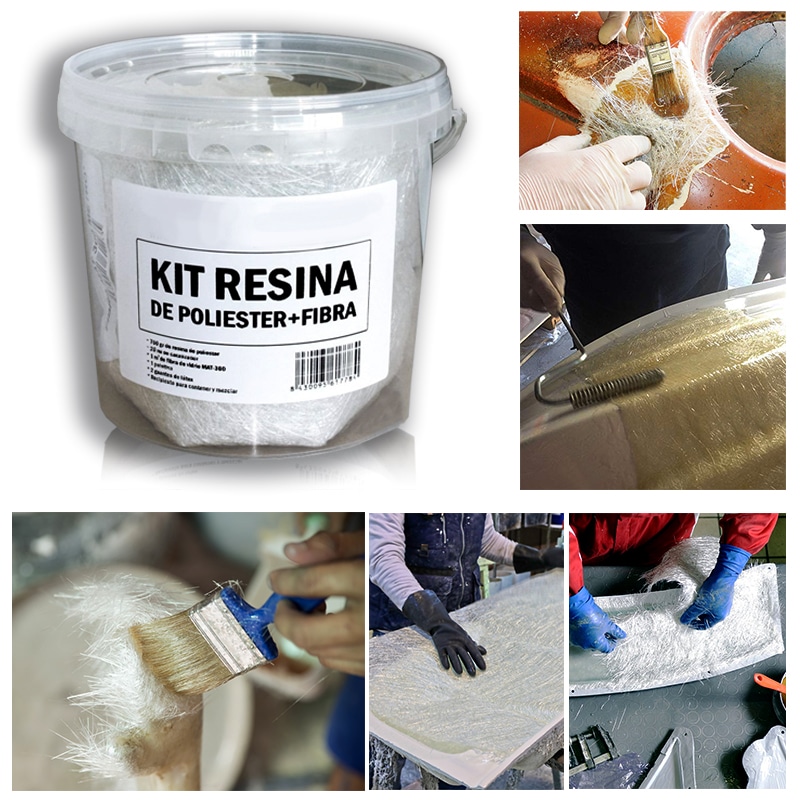
Preparing the surface of your corrugated resin sheets is the first and most crucial step for any successful repair. Skipping or rushing this stage can compromise adhesion and durability, leading to further problems down the line.
Why Proper Preparation Is So Important
Resin repair products—be it fibreglass kits, putties, or specialist adhesives—rely on strong bonding to perform as intended. If the resin sheet is dirty, oily, or covered in old, failing material, the new repair may not fully adhere and could peel, crack or leak.
- Removes dust, dirt and loose particles that could weaken the bond
- Ensures maximum contact between the repair compound and the sheet
- Helps the final repair last longer and withstand exposure to water and impact
Steps for Effective Surface Preparation
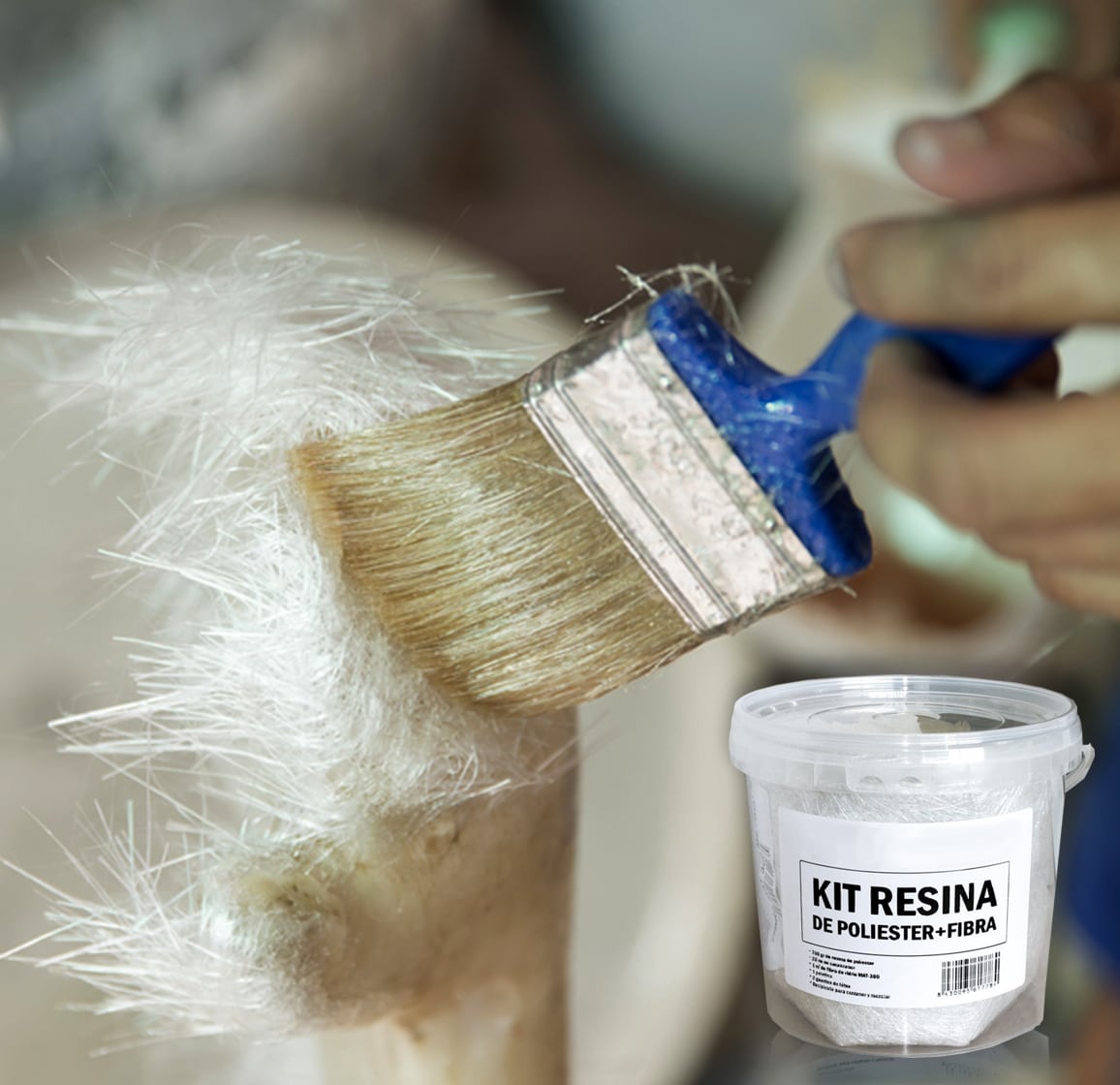
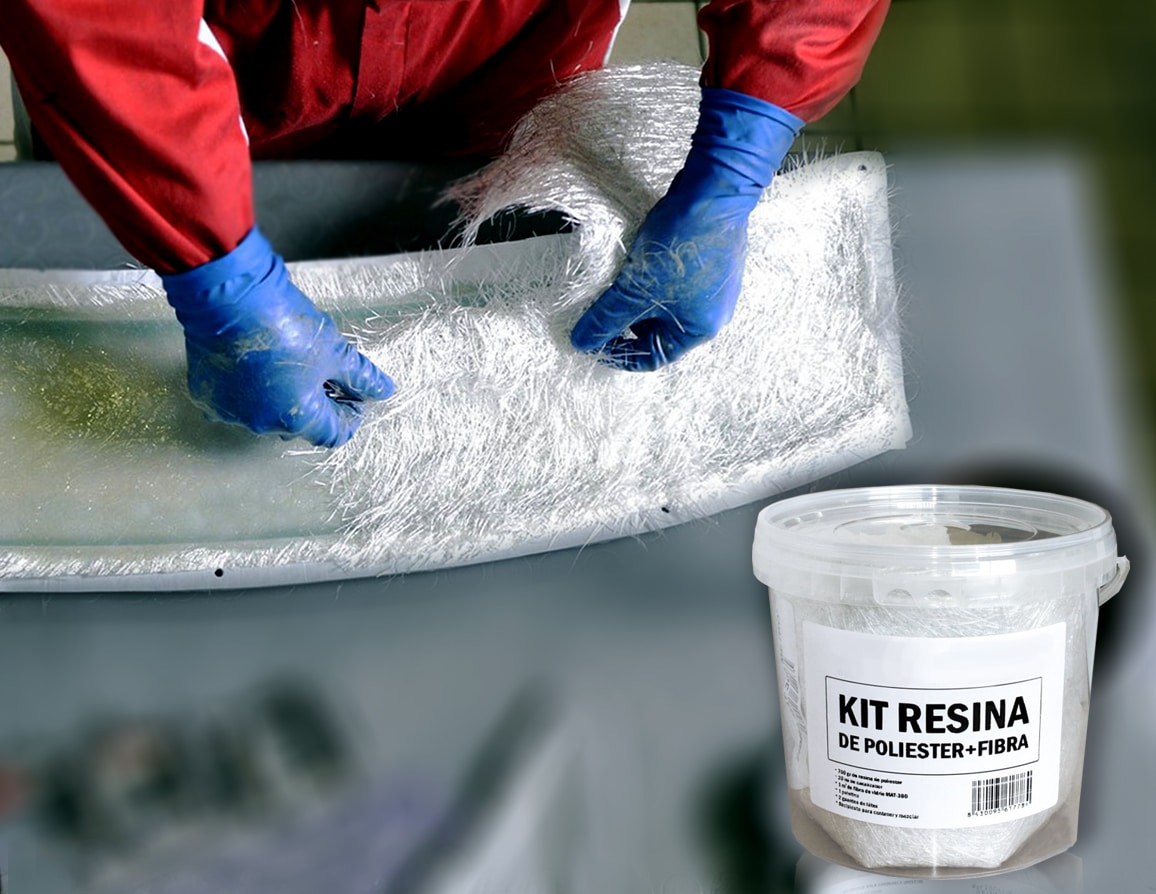
Start by cleaning the damaged area of the resin sheet with soapy water and a non-abrasive cloth, then rinse and let it dry thoroughly. If necessary, gently sand the surface to remove gloss, old coatings, or weathered material—this provides grip for filling or resin products. For best results, always wipe the area with a clean, dry cloth just before applying your chosen repair compound.
If using a repair system like the Resin Fibreglass Repair Kit, careful preparation helps the polyester resin bond securely and keeps the repair strong and watertight.
When This Matters Most
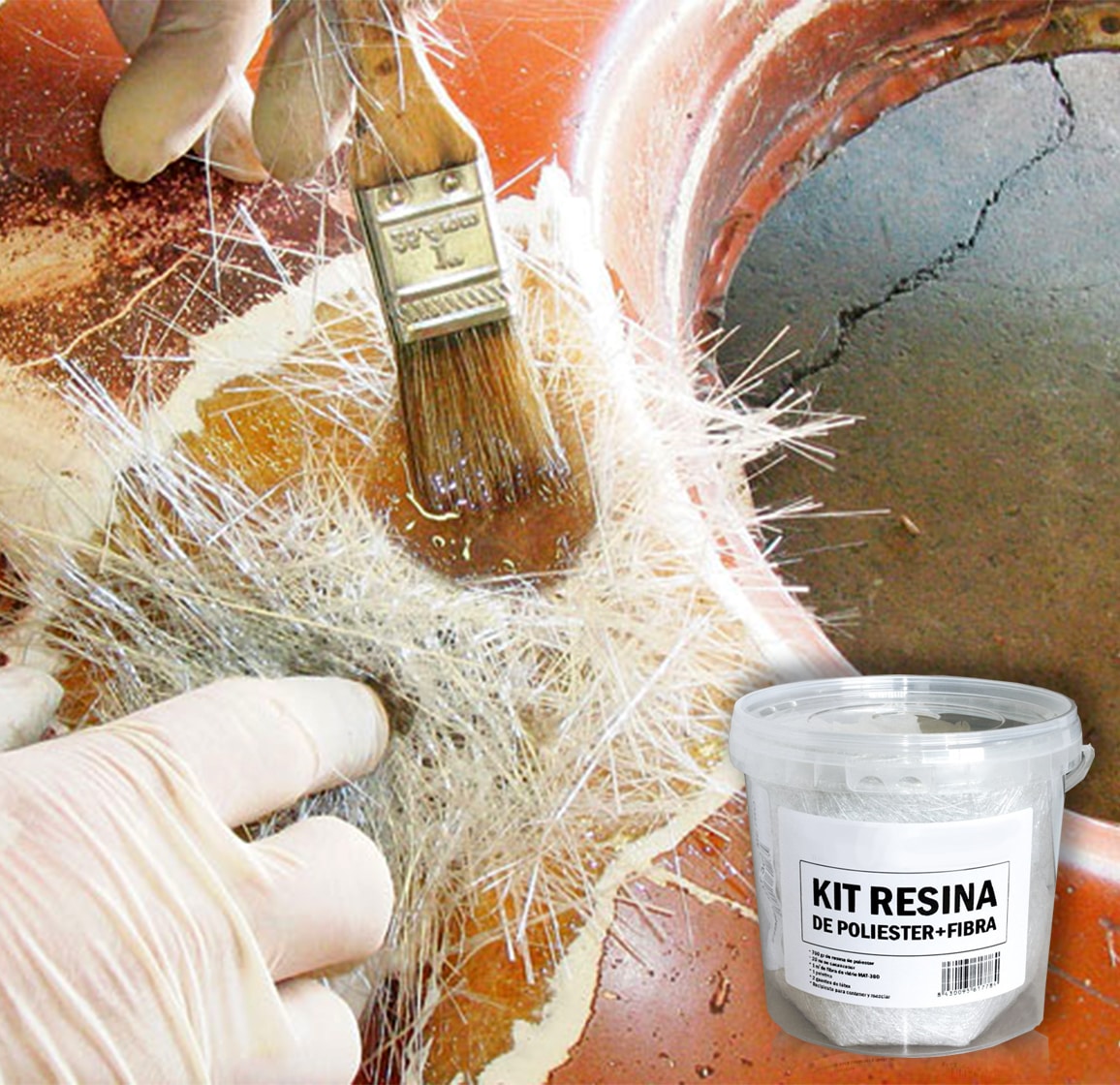
Surface preparation is especially critical for structural or waterproof repairs, such as leaks in corrugated sheets on outbuildings, sheds or pool enclosures. Even tiny traces of grease or dust can affect the result, so thoroughness pays off whether you are applying fibreglass mats, epoxy putties or rapid set adhesives.
Related products
Related guides
Taking time to prepare your surface properly lays the foundation for a durable and effective repair. For more in-depth advice on fixing damage, see our complete guide on how to repair corrugated resin sheets.