 Free shipping on orders over £29,85
  Shipping Tracking!


 Google
 Facebook
How to Use Epoxy Adhesives?
Step-by-step guide for effective and reliable adhesive work


Epoxy adhesives are a powerful solution for joining and repairing a wide range of materials around the home, workshop, or site. This guide explains how to achieve strong, lasting bonds and professional results with epoxy adhesives, whether tackling quick fixes, structural repairs, or detailed crafting tasks.

What You’ll Need
- “Klebfix” – Two-Component Fast Epoxy Glue 2K, 25g Syringe – A clear, fast-setting option for demanding repairs on plastics, metals, and more
- “FixExpress” – Two-Component Epoxy Glue 500g – Rapid-cure epoxy for larger projects or varied surface bonding
- “Mixer Nozzle” – For Mixing Epoxy Glue, 50ml, Araldite 2000 Series Compatible – For ensuring full blending when using compatible cartridges
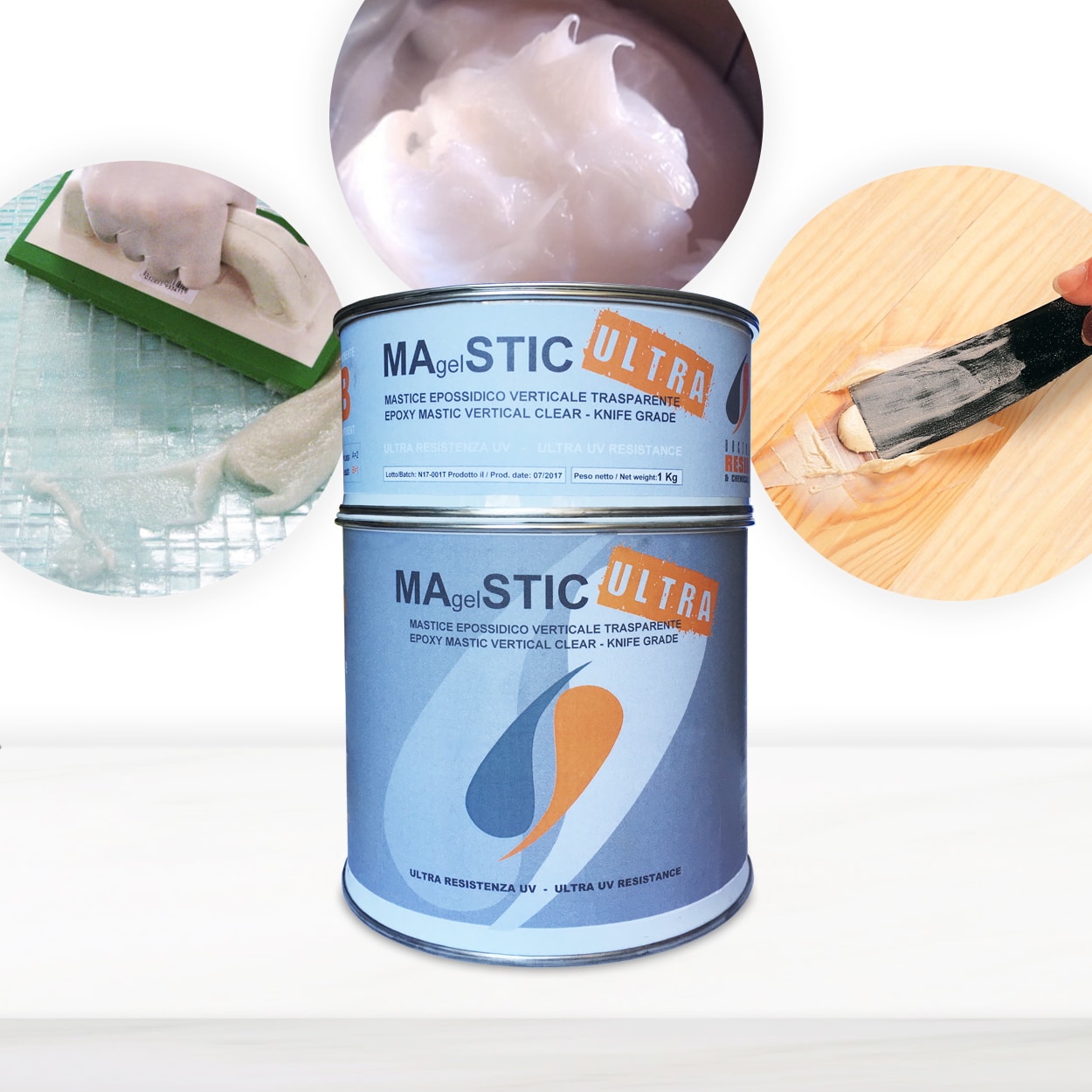
- “Magelstick” – Epoxy Mastic for Stone, Metal, and Cement Bonding and Grouting – For grouting and bonding on masonry, cement, or vertical repairs
- Sanding paper or abrasive pad (for surface preparation)
- Disposable gloves and mixing spatula or stick
- Clean cloth and isopropyl alcohol (for degreasing)
- Clamps or tape (to hold parts during curing)

See Epoxy Mixing and Application in Action
Visualise the correct method for mixing and applying epoxy adhesives through our demonstration gallery. Spot the difference between well-mixed, streak-free epoxy and partial blends to help ensure maximum bond strength on your projects.
Step 1: Prepare the Surface
The key to a strong adhesive bond is clean, slightly roughened surfaces. Use sandpaper or an abrasive pad to lightly abrade both joining sides, increasing mechanical grip. After sanding, wipe the surfaces thoroughly with a clean cloth and isopropyl alcohol to remove dust, oil, and contaminants. Let the surfaces dry fully before you proceed.
Proper preparation prevents weak joints and peeling. Plan surface preparation and mixing in advance to avoid rushing once the epoxy is mixed, as most products have a short working time.

Step 2: Mix the Epoxy Components Thoroughly
Epoxy adhesives are supplied as two separate components (resin and hardener) that must be mixed in a precise ratio. For small jobs, a product like “Klebfix” – Two-Component Fast Epoxy Glue 2K, 25g Syringe makes dosing effortless via its double-chamber syringe – simply dispense and blend equal amounts until the mixture is uniform. For larger batches, “FixExpress” – Two-Component Epoxy Glue 500g can be weighed or measured by volume in a 1:1 ratio, then mixed until streak-free.
Where using cartridges, consider a “Mixer Nozzle” for the Araldite 2000 series, which ensures thorough mixing inside the nozzle for consistent results. Precise mixing is critical to avoid soft spots or uncured glue in the joint.
Step 3: Apply the Epoxy and Join Parts
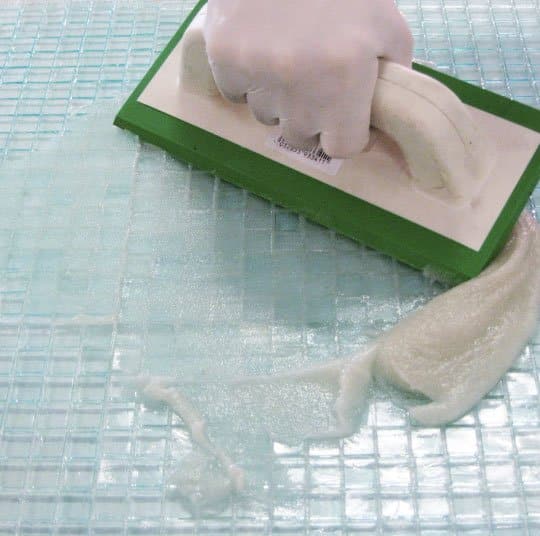
Spread the freshly mixed epoxy evenly onto one or both bonding surfaces using a spatula or mixing stick. Take care to fully cover the area but avoid excessive squeeze-out when assembling the parts. Align and press the materials together firmly; use clamps or strong tape if needed to maintain position while curing. Apply evenly and clamp for high strength, especially on vertical or load-bearing repairs.
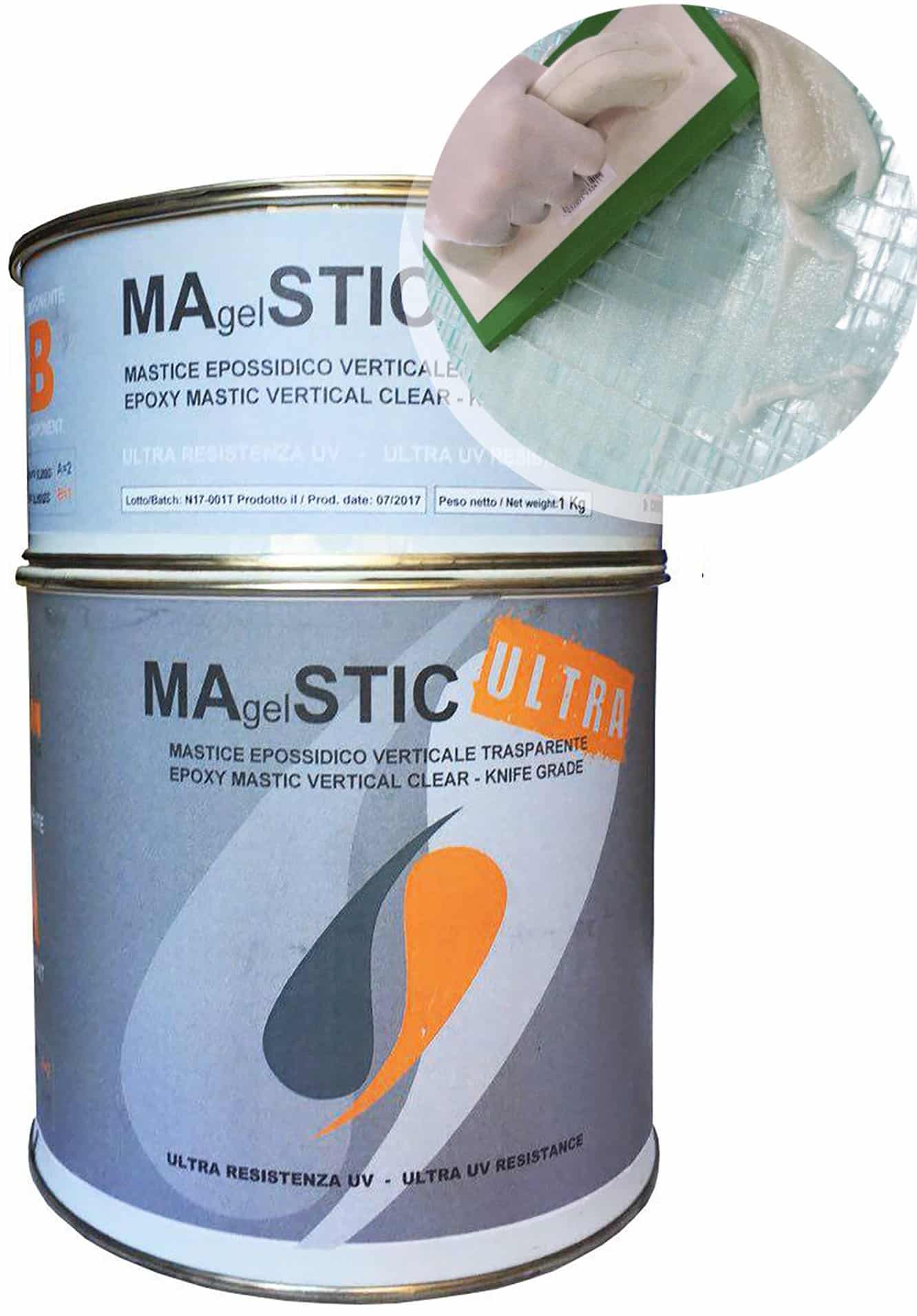
When working with stone, cement or vertical surfaces, a thixotropic putty like “Magelstick” – Epoxy Mastic is ideal, as it holds its shape and fills gaps without dripping.
Step 4: Allow to Cure and Clean Up
Most rapid-set epoxies begin to harden within five minutes, but leave the assembly undisturbed for at least the time stated on the manufacturer’s instructions to reach usable strength. Full strength is typically achieved within 24 hours. Remove any excess, uncured epoxy promptly with a clean cloth and suitable solvent. Once cured, epoxy can be sanded or painted if required.
If you notice uncured residue or cloudiness, do not clamp the repair further – check your mixing ratio or surface preparation. Remove uncured epoxy quickly before it hardens for easier clean-up.
Tips and Common Mistakes with Epoxy Adhesives
Work swiftly after mixing, as most two-part epoxies have a short pot life. Wear gloves and work in a well-ventilated area to protect your skin and lungs from potential irritation. Avoid touching the glued area until full cure, and never mix more adhesive than you can use in a few minutes. For best strength, always roughen smooth surfaces.
If the epoxy fails to cure properly, the usual culprits are incorrect ratios or insufficient mixing. For vertical or outdoor jobs, choose a weather-resistant and sag-resistant product to ensure the best and longest-lasting repair.
Repair Gallery: Epoxy Adhesive in Real Settings
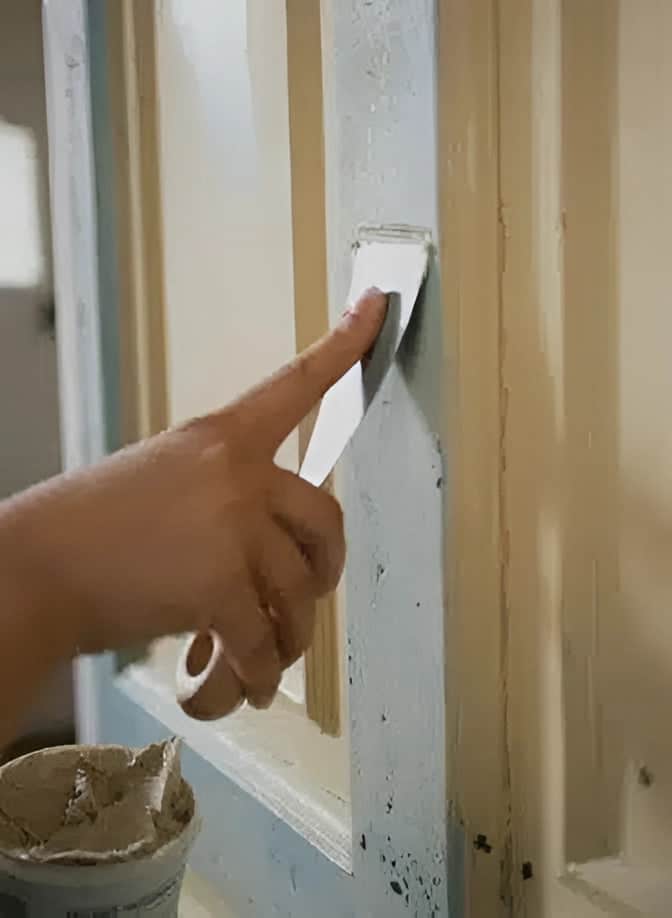
Explore real examples of epoxy adhesive repairs in home, workshop and stonework environments. Notice how the right preparation and application techniques result in lasting, professional-looking bonds.

- "Klebfix" – Two-Component Fast Epoxy Glue 2K, 25g Syringe£24.00KLEBFIX 2K Fast Epoxy Glue is a two-component adhesive designed for strong, professional repairs on plastic, glass, metal and wood.
- "FixExpress" – Two-Component Epoxy Glue 500g£26.95"FixExpress" offers fast-setting, strong adhesion epoxy glue suitable for varied materials, supporting precise and clean repairs.
- "Mixer Nozzle" – For Mixing Epoxy Glue, 50ml, Araldite 2000 Series Compatible£1.52Nozzle designed for mixing epoxy glue with 50ml Araldite 2000 series cartridges suitable for the How to Use Epoxy Adhesives? theme.
- "Magelstick" – Epoxy Mastic for Stone, Metal, and Cement Bonding and GroutingMagelstick Epoxy Mastic is designed for professional repair and bonding of stone, metal, and cement surfaces, with weather resistance and vertical…
Frequently Asked Questions
Which materials can epoxy adhesives bond?
Epoxy adhesives bond plastics, glass, metals, stone, wood, ceramics, paper, and rubber. Always check compatibility before use.
How long do epoxy adhesives take to set and cure?
Most formulas set within 5 minutes but reach full strength in 24 hours. Always follow the specific product instructions for cure times.
How do I mix epoxy adhesives for the best results?
Mix the resin and hardener in the correct ratio until completely uniform. A mixer nozzle or double-chamber syringe makes this process easier.
Can epoxy adhesives be used outdoors?
Many epoxy adhesives are weatherproof and suitable for exterior repairs, especially those designed with UV and moisture resistance.
What should I do if the epoxy does not cure?
Common causes include incorrect mixing ratio or insufficient mixing. Remove the uncured adhesive and restart with careful preparation.
Can I sand or paint over cured epoxy adhesive?
Yes, once fully cured, epoxy adhesives can be sanded smooth or painted to match surrounding surfaces.
How should leftover or uncured epoxy adhesive be cleaned up?
Wipe away uncured epoxy with a cloth and suitable solvent. Cured epoxy must be removed mechanically.