 Free shipping on orders over £29,85
  Shipping Tracking!


 Google
 Facebook
How do you resin a concrete floor?
A practical step-by-step guide for a flawless resin floor finish
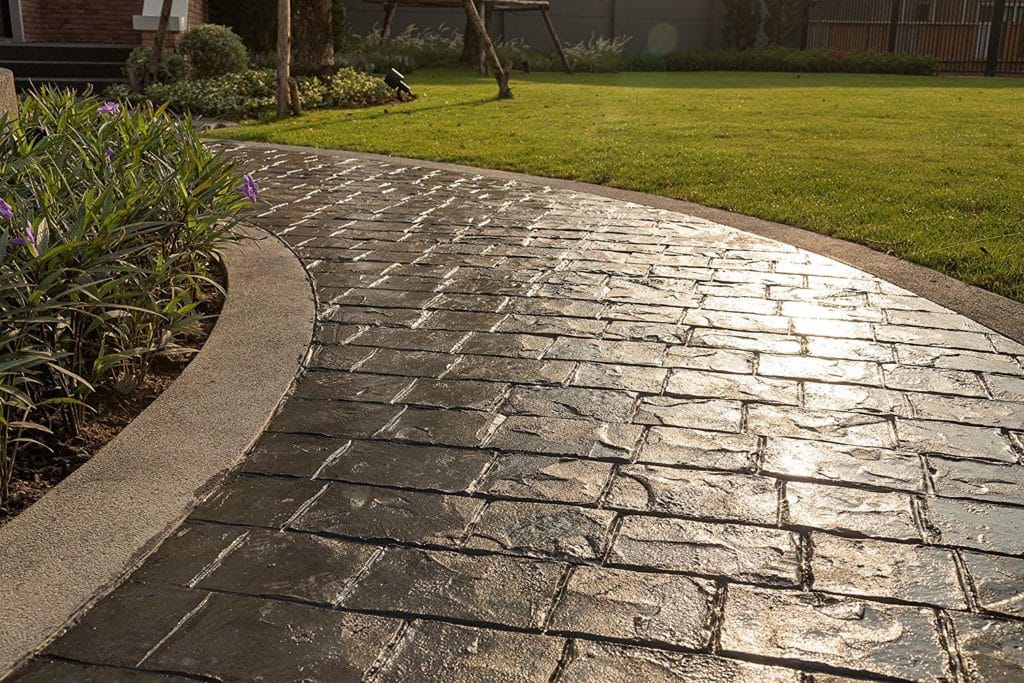
Resining a concrete floor provides robust protection, a smoother surface, and can dramatically lift the look of both indoor and outdoor spaces. Whether you’re aiming for increased durability in a garage, a dust-free finish in a workshop, or a stylish, glossy surface in a living space, this guide walks you through the essential steps to achieve a professional-grade resin floor on concrete. No advanced expertise required—just systematic prep, patience, and attention to detail.
What You’ll Need
- “Epoxyprimer” – Universal Water-Based Two-Component Epoxy Floor Primer: For optimal adhesion and sealing porous surfaces
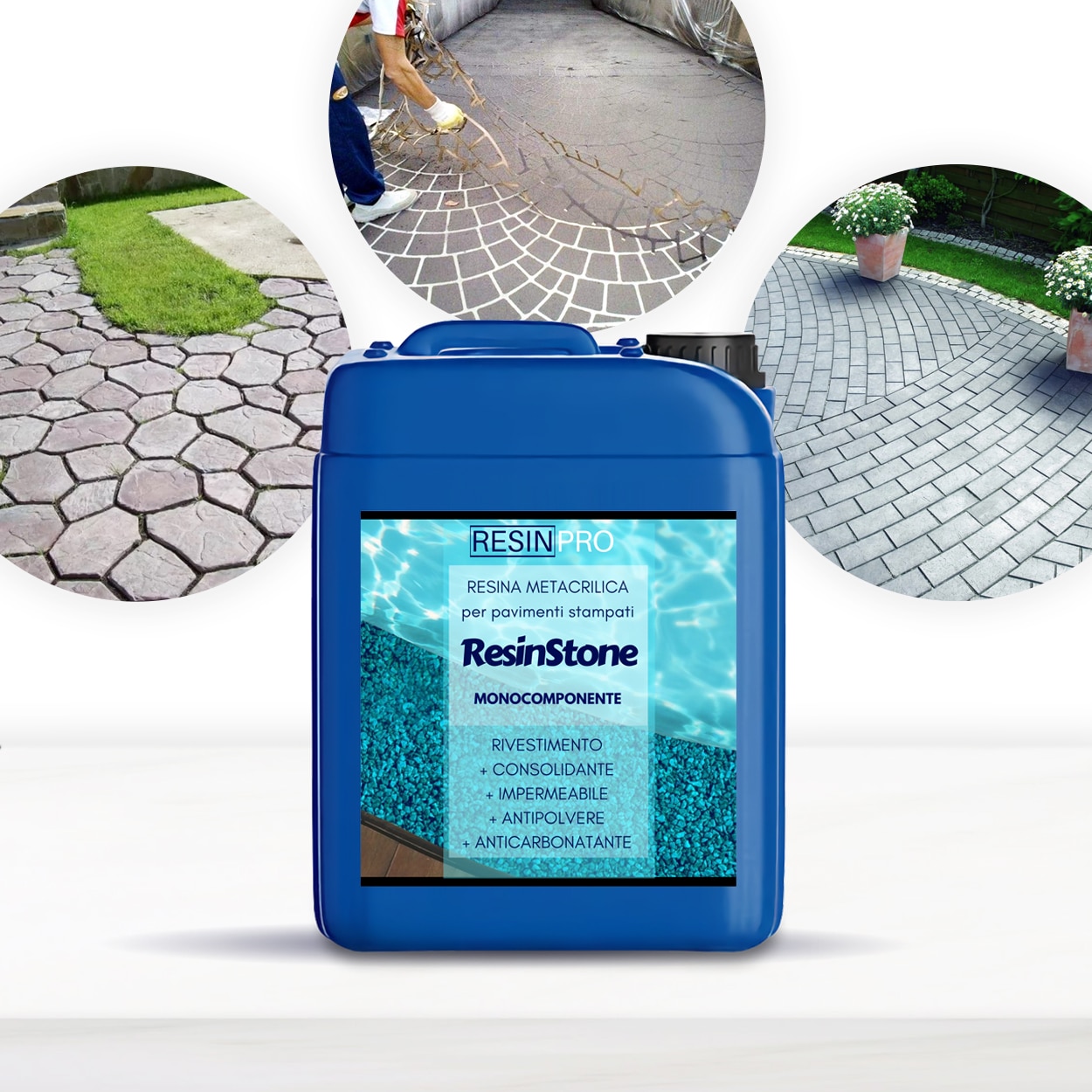
- “Resinstone” – One-Component Methacrylic Resin for Concrete Floors and Driveways: For deep-penetrating, protective finish on concrete
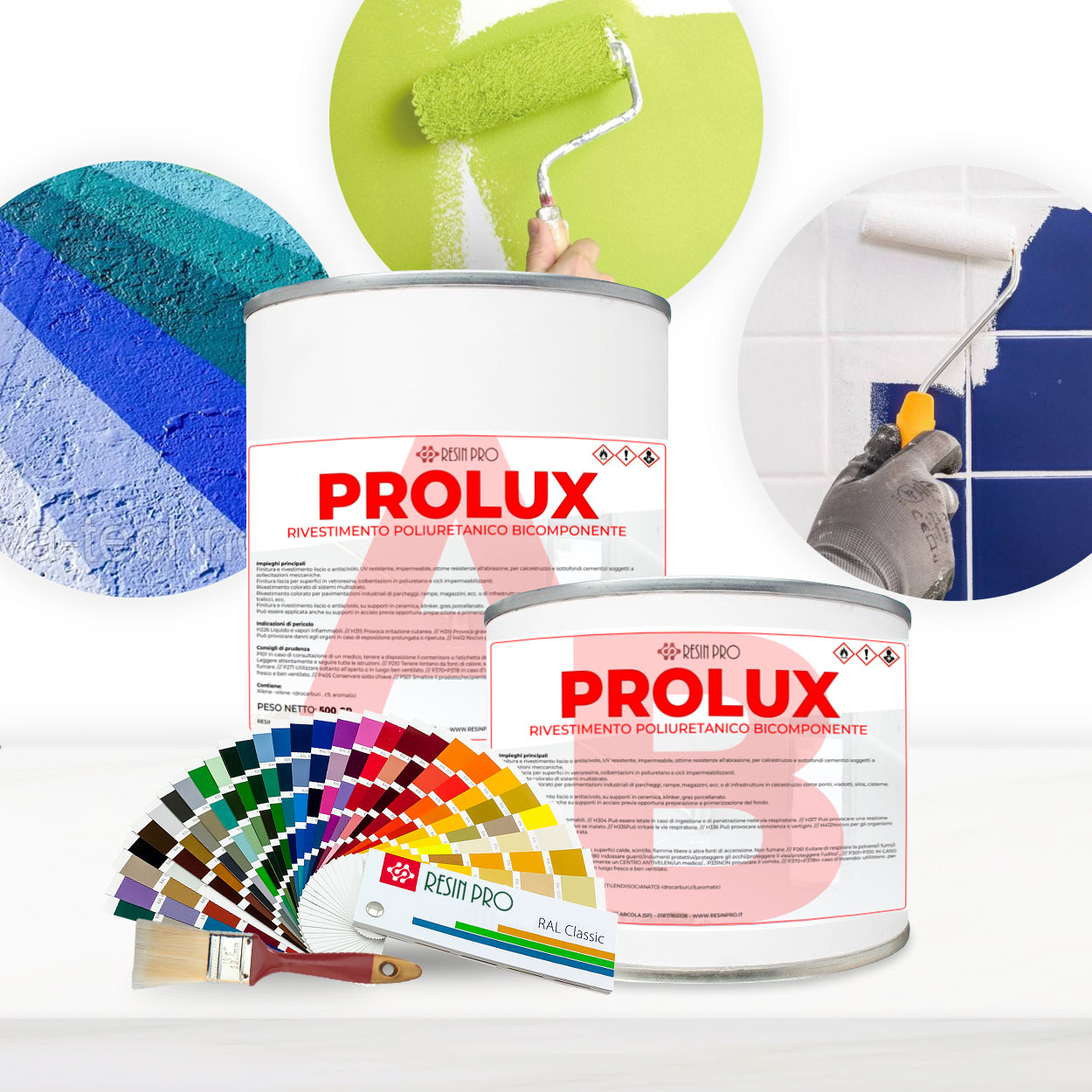
- “Prolux” – PU coating for tiles, concrete, plastic and metal – suitable for driveable surfaces: For weather- and abrasion-resistant topcoat on driveable or high-traffic floors
- “Trasparente” – Multipurpose Clear Epoxy Resin for Casting – Up to 2cm: For glossy clear builds or artistic finishes on concrete
- Concrete cleaner, degreaser, or pH-neutral detergent
- Painter’s tape, rollers, brushes, mixing gear, safety gloves, mask, and goggles
- (Optional) Diamond grinder or stiff brush for preparing rough or oily surfaces

Preparation Makes Perfect
Spend extra time on cleaning and levelling your concrete floor to set the stage for a professional resin finish. A dust-free, well-prepared surface minimises defects and enhances the longevity of your floor coating. Make sure the slab is fully dry before moving on to priming and resin application for best results.
Step 1: Prepare and Clean the Concrete Surface
Thorough preparation is the foundation for a durable resin floor. Start by removing any loose material, dust, paint, or previous coatings using a stiff brush or vacuum. Stubborn stains and oils require a concrete cleaner or degreaser. If the concrete is rough or uneven, mechanically grinding (with a diamond grinder or sanding block) will produce a smooth, absorbent surface.
Remove dust, grease, and debris thoroughly before any resin step—even small particles can cause poor adhesion or bubbles later.
Let the floor dry completely, as trapped moisture can interfere with resin curing and bonding. Repair cracks or holes with the appropriate concrete filler and ensure the surface is level before proceeding.
Step 2: Prime the Floor for Resin Application
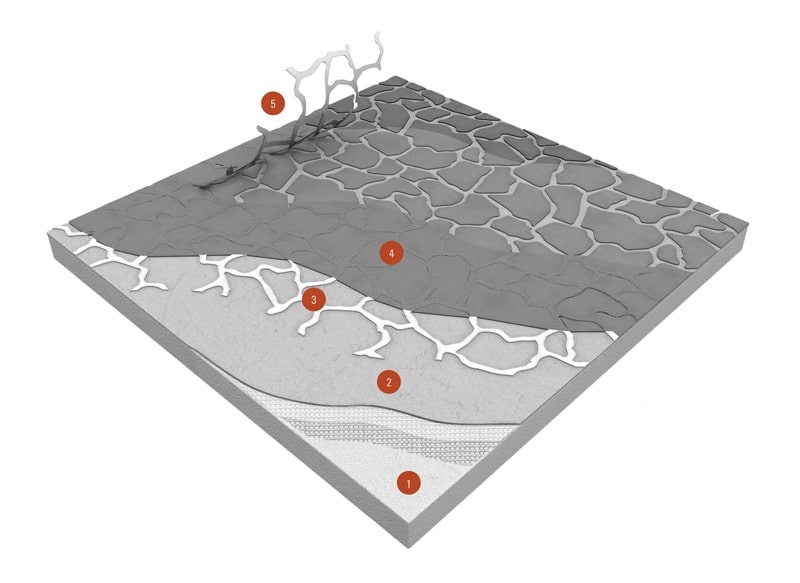
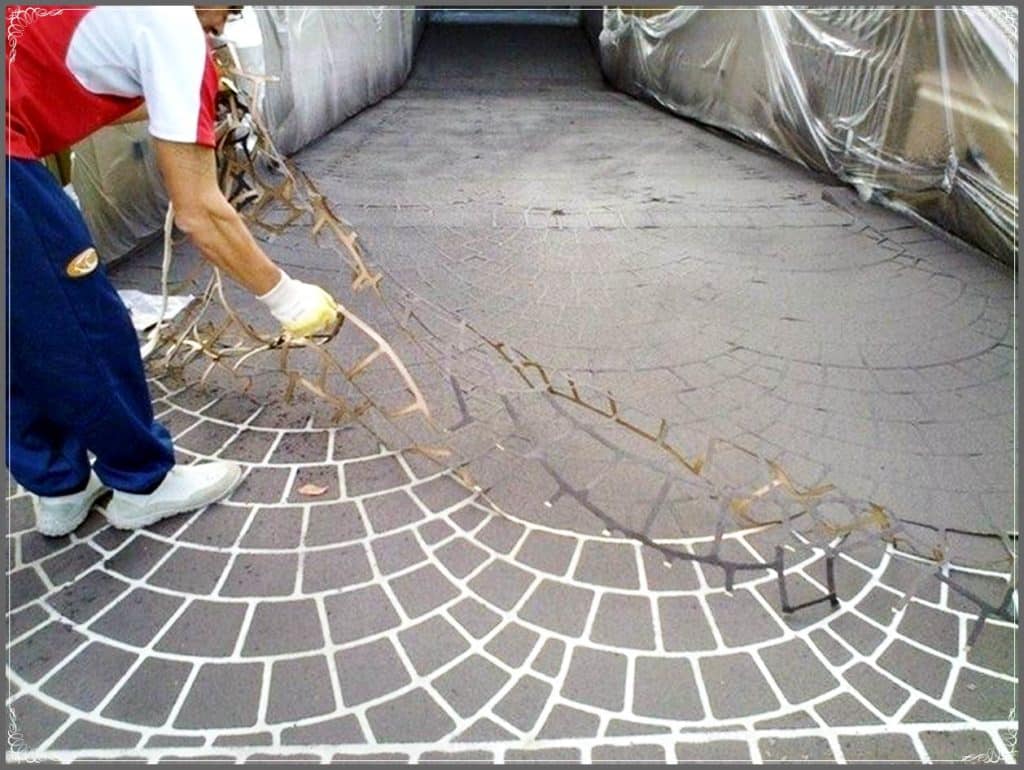
Priming enhances the bond between concrete and resin, minimises bubble formation, and seals the surface. For best results, use a dedicated primer such as “Epoxyprimer” – Universal Water-Based Two-Component Epoxy Floor Primer. Mix as per instructions and apply a uniform coat with a roller or brush, ensuring all areas are reached, including edges and corners.
Allow the primer to cure undisturbed (typically 24–48 hours, in line with product instructions) for a strong, consistent base.
Step 3: Apply the Resin Coat
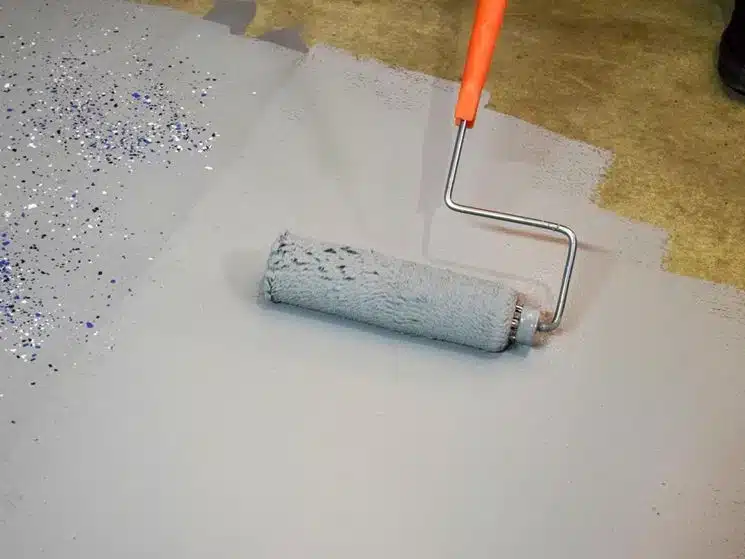
Once primed and fully cured, it’s time to apply your chosen resin. For sealing and protecting most concrete floors, “Resinstone” – One-Component Methacrylic Resin for Concrete Floors and Driveways is ideal due to its deep penetration and robust finish. Stir the resin thoroughly, pour onto the floor, and spread with a roller or trowel in a thin, even coat. Work systematically to avoid overlaps or missed patches.
If your project requires a glossy clear or artistic finish, or if working in small decorative areas, opt for “Trasparente” – Multipurpose Clear Epoxy Resin for Casting – Up to 2cm for a striking visual result. When using “Trasparente”, ensure layers do not exceed 2cm per pour to prevent overheating and incomplete curing.
Allow the resin layer to cure per product guidelines (from several hours to overnight). Avoid disturbing the area during this period.


Step 4: Finish with a Protective Topcoat (Optional)
If your floor will see heavy foot or vehicle traffic, or is exposed to harsh weather, a tough topcoat is highly recommended. “Prolux” – PU coating for tiles, concrete, plastic and metal – suitable for driveable surfaces offers UV, abrasion, and chemical resistance, making it well-suited for garages, workshops, or outdoor driveways. Apply as instructed (usually after the base resin has cured), using a clean roller for an even, streak-free finish. Give the final layer ample time to cure thoroughly before resuming use of the space.
Tips and Common Mistakes
Use painter’s tape, gloves, and a high-quality respirator for safety. Only work in well-ventilated areas.
Allow sufficient curing time between primer, resin, and topcoat layers for best durability. Rushing leads to weak adhesion or soft spots.
Test a small patch before full application on unusual concrete (e.g., highly porous or painted slabs) to check for compatibility.
Avoid applying resin in cold or damp conditions, as this can cause clouding or delayed curing. Always consult the product’s instructions for specific temperature guidelines and recommended layer thicknesses.
Creating a Lasting Impression
A resin-coated concrete floor is as durable as your technique. Proper curing, product choice, and careful layering ensure not only a seamless visual finish, but years of hard-wearing use. Don’t skip patch testing or protection for high-traffic areas—every extra step pays off over time.
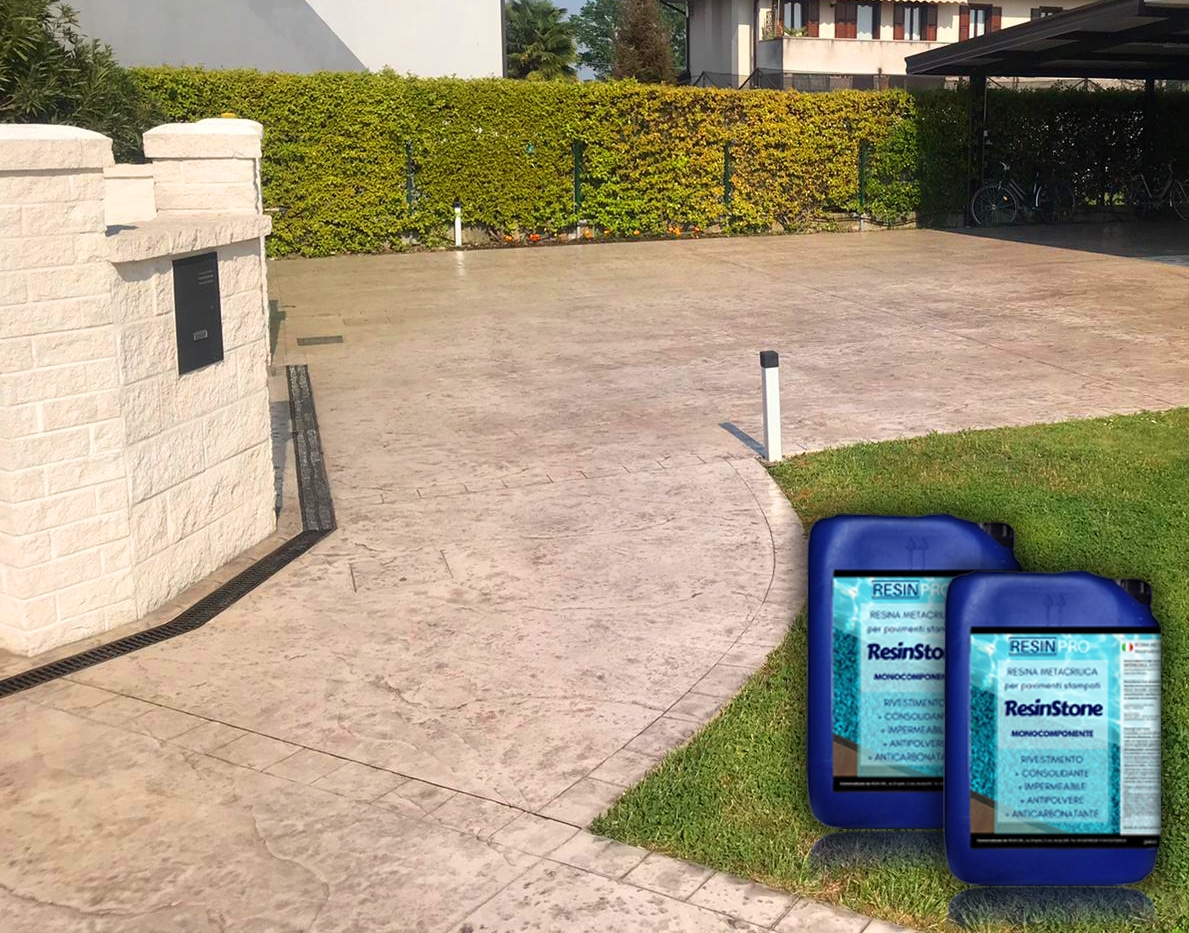
- "Resinstone" – One-Component Methacrylic Resin for Concrete Floors and DrivewaysPrice range: £36.71 through £336.48Resinstone is a one-component methacrylic resin designed for sealing and protecting concrete floors and driveways.
- "Epoxyprimer" – Universal Water-Based Two-Component Epoxy Floor PrimerPrice range: £156.45 through £286.45"Epoxyprimer" is a water-based two-component epoxy floor primer designed for durable adhesion on concrete and other surfaces.
- "Prolux" – PU coating for tiles, concrete, plastic and metal – suitable for driveable surfacesPrice range: £44.85 through £494.85"Prolux" is a polyurethane coating suitable for driveable surfaces including concrete floors, designed for durable protection.
 "Trasparente" – Multipurpose Clear Epoxy Resin for Casting – Up to 2cmPrice range: £8.95 through £397.95"Trasparente" clear epoxy resin offers an ultra-clear finish with high scratch resistance, suitable for detailed casting and surface coating.
Frequently Asked Questions
Can I resin a previously sealed concrete floor?
Old sealers must be removed or roughened for resin to bond properly; always test a small spot first.
How long does resin take to cure on concrete?
Typically, primer takes 24–48 hours and resin/topcoat between 12–48 hours, depending on product and conditions.
Is priming necessary before resining concrete?
Priming seals pores, prevents bubbles, and ensures the resin bonds tightly to the concrete surface.
Which resin is best for outdoor concrete floors?
For outdoor use, choose resins and topcoats with UV resistance such as polyurethane-based products.
What safety precautions when resining concrete floors?
Wear gloves, goggles, and a respirator; ventilate well and avoid direct skin contact with uncured resin.
How to achieve a glossy vs matte resin finish?
Choose the right topcoat; gloss and satin options are available for both epoxy and polyurethane coatings.