 Free shipping on orders over £29,85
  Shipping Tracking!


 Google
 Facebook
← Back to How to paint doors with resin?

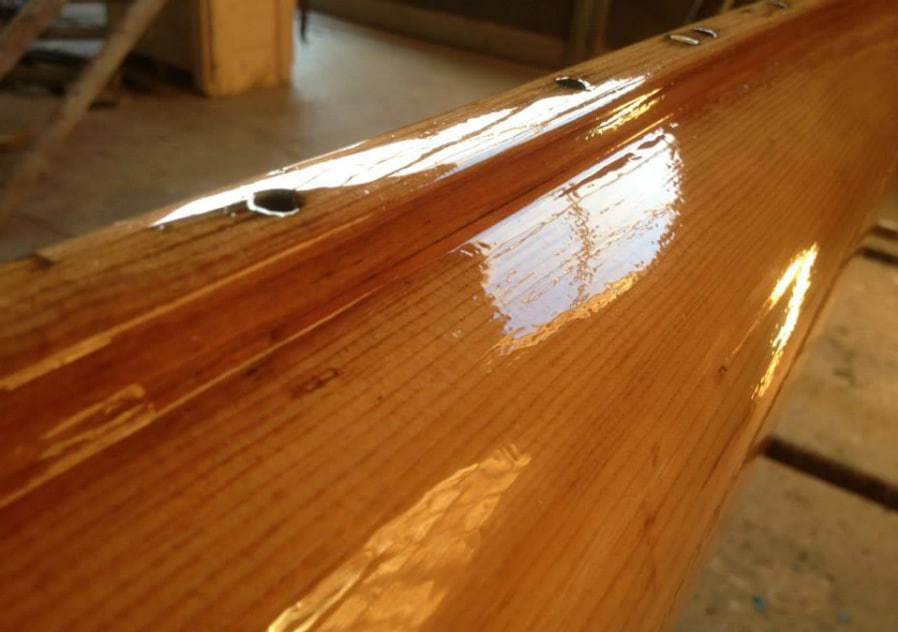
When painting doors with resin, achieving strong adhesion between each layer is essential for a flawless, durable finish. Sanding between coats plays a crucial role in this process.
Why Sanding Matters Between Resin Layers
Each time you apply a layer of resin, the surface can become smooth and sometimes glossy as it cures. This makes it harder for the next layer to grip onto the previous one. By gently sanding between coats, you create a finely textured, matte surface that allows the new resin layer to bond much more effectively, reducing the risk of delamination or peeling over time.


How to Sand for Optimum Results
Once a resin layer has fully set (usually within the times indicated for your product), use a fine-grit sanding paper, such as 320–400 grit, to lightly abrade the surface. Wipe away sanding dust with a clean, dry cloth before applying the next layer. For wooden doors, products like EpoxyWood can help create a durable base, provided you sand between applications for the best adhesion before your final finish.
When This Step Is Especially Important
- Multiple Layer Projects: If you’re building up depth with several coats, sanding between each is vital for strength and appearance.
- High-Traffic Doors: Sanding helps resin layers withstand repeated handling and wear.
- Applying Decorative or Clear Topcoats: Ensures a smooth, even look without imperfections.

Related products
Related guides
Proper sanding between resin layers ensures your door project is both durable and visually appealing. For more tips on achieving professional results, visit our main guide on how to paint doors with resin.