 Free shipping on orders over £29,85
  Shipping Tracking!


 Google
 Facebook
How to paint doors with resin?
Transform timber doors with a professional resin coating technique.


Painting a door with resin is an effective way to create a durable, glossy finish that enhances both the appearance and longevity of wooden doors. Whether you’re restoring an old timber door or adding a luxurious surface to a new one, using resin delivers a waterproof, easy-to-clean barrier. This guide will walk you step by step through the process, from surface preparation to flawless application and aftercare. No prior resin experience is required—just attention to detail and a desire for outstanding results.

What You’ll Need
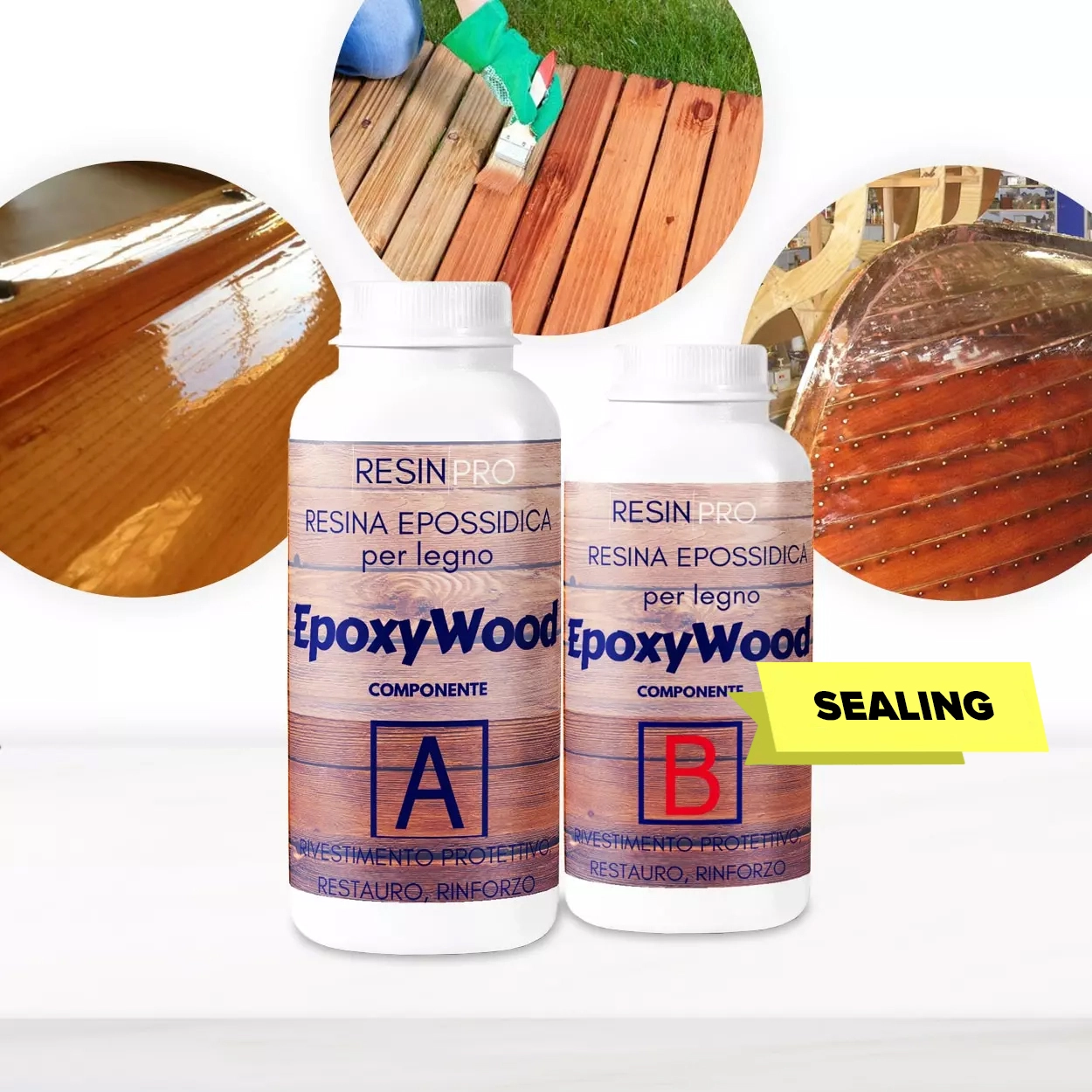
- “EpoxyWood” – Wood Restoration Epoxy Resin for Deep Penetration and Waterproofing: for sealing and reinforcing the bare door surface.
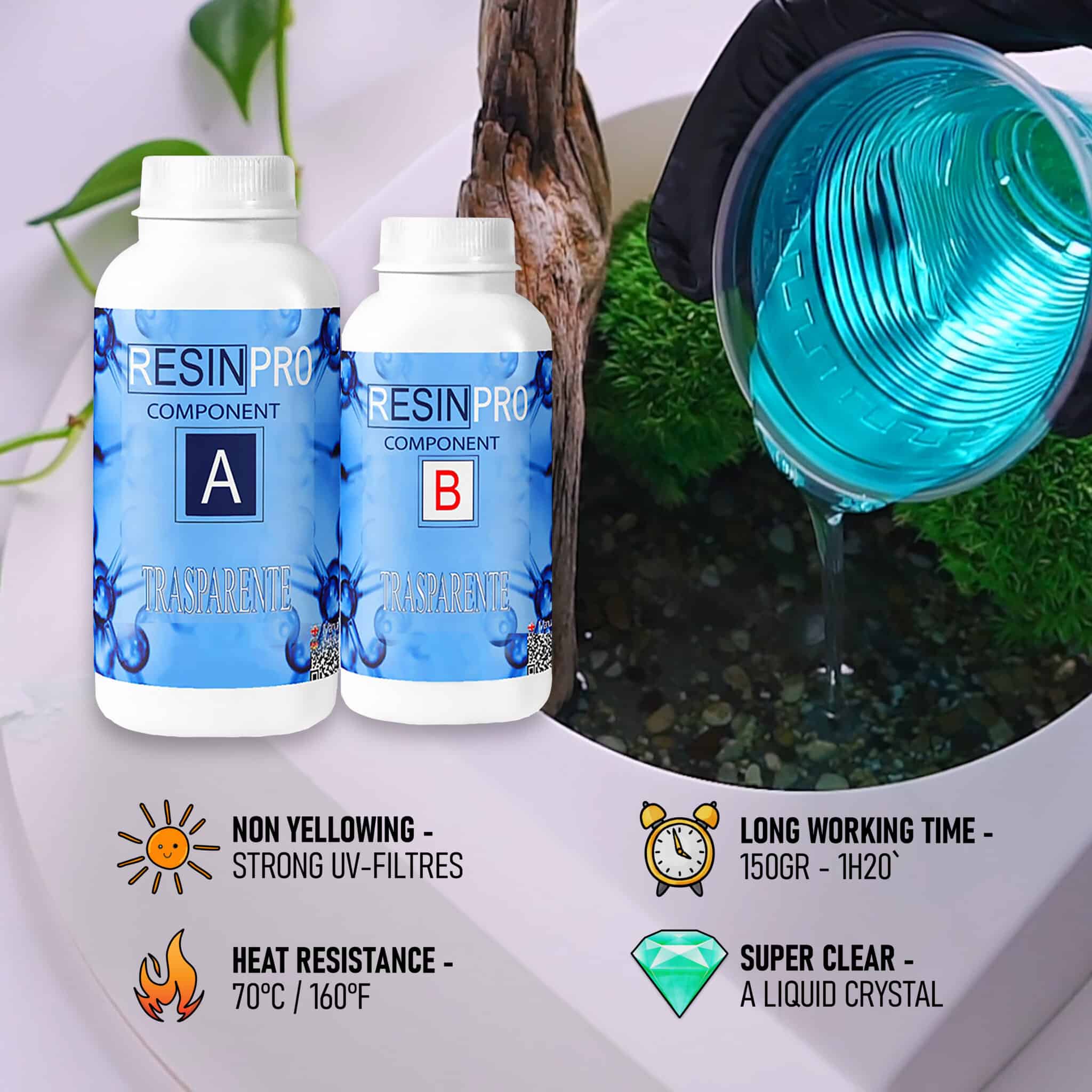
- “Icrystal” – Clear Epoxy Resin – Odourless Formula – Up to 1.5cm: for the main decorative or protective topcoat.
- Resin & Paint Application Rollers – Short-Pile, Large, and Sponge Types: for even application across the door surface.
- Protective gloves and safety goggles
- Fine grit sandpaper (180–240 grit)
- Masking tape and dust sheets
- Mixing containers and stirring sticks
Essential Tools and Products for Resin Door Painting
Choose high-quality rollers and a carefully selected resin system for a smooth, durable door finish. Always wear gloves and goggles to protect yourself during application. Use a dust sheet to create a clean workspace for optimal results.
Step 1: Remove, Clean, and Prepare the Door
Begin by unhinging the door and resting it flat on a stable surface covered with dust sheets. Remove all hardware, such as handles and hinges, ensuring nothing obstructs the surface to be coated. Use fine grit sandpaper to gently sand the entire door, lifting previous finishes and rough spots. This not only removes imperfections but enhances resin adhesion later. Finish by thoroughly wiping the surface to remove all dust—using a microfibre cloth or tack rag—before masking off any areas you wish to keep clear of resin.

Step 2: Prime and Seal with Deep Penetrating Resin
Wooden doors, especially older or absorbent varieties, benefit from a primer coat of deep-penetrating epoxy resin. This improves surface integrity and minimises air bubbles during later coats. Mix and apply “EpoxyWood” – Wood Restoration Epoxy Resin for Deep Penetration and Waterproofing evenly using a brush or short-pile roller. Allow the resin to soak in; check manufacturer’s guidance for curing times. Once cured, lightly sand to remove any raised fibres and wipe away any remaining dust.
Step 3: Apply the Decorative or Protective Resin Topcoat
Mix the clear epoxy resin according to the instructions, paying close attention to the correct ratios and thorough blending to avoid imperfect curing. Pour or roll out a thin, even layer across the door using a resin roller. Start in one corner and work methodically, always maintaining a wet edge. For a crystal-clear finish with minimal odour, “Icrystal” – Clear Epoxy Resin – Odourless Formula – Up to 1.5cm is ideal. If applying more than one layer, allow the previous coat to fully cure before gently sanding and cleaning again. Always follow safety precautions and wear protective gloves.


Step 4: Curing, Inspection, and Final Touches
Once the final resin layer is down, leave the door in a dust-free space to cure fully, away from direct sunlight and temperature fluctuations. Inspect the cured surface for any missed spots or uneven sections. If needed, a final fine sanding followed by a very thin finishing coat can restore gloss. When satisfied, carefully remove masking tape, reattach hardware, and reinstall the door for a robust, moisture-resistant, and attractive finish.
Tips and Common Mistakes to Avoid
- Ensure the surface is dry and dust-free before applying each coat of resin.
- Do not overload the roller with resin: this reduces drips and pooling, especially on vertical areas when rehanging the door.
- Allow each coat to cure before reapplication, and never rush the process—sticky surfaces often result from under-cured resin.
- Sand between layers for maximum adhesion and a glassy, seamless look.
- Work in a well-ventilated, dust-free environment for safety and to prevent contaminants settling in the resin.

Expert Advice for the Perfect Resin Door
Let the resin cure fully before using the door to prevent fingerprints or dents. If imperfections develop, a final polish or extra thin coat can restore the smooth, glossy finish.
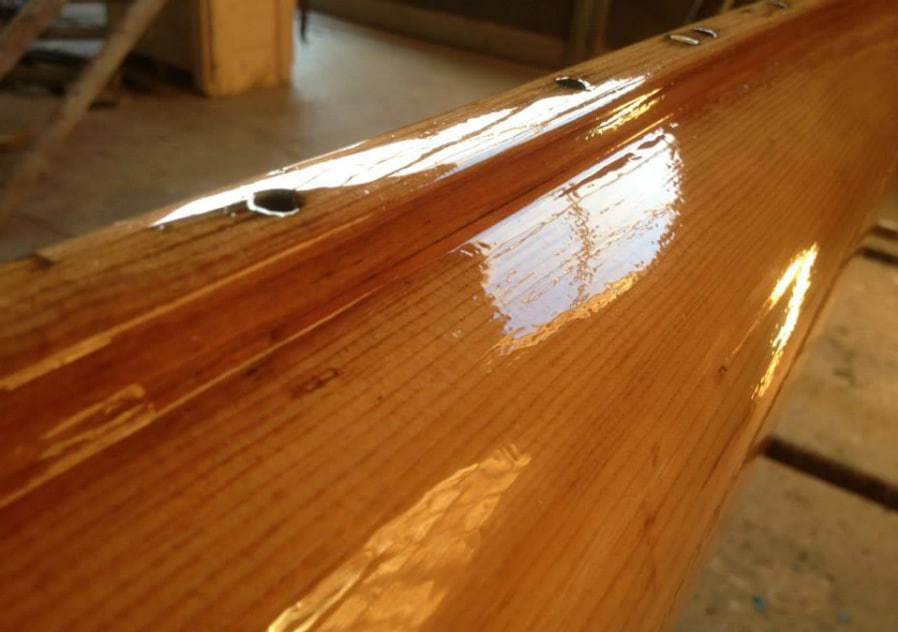
- "EpoxyWood" – Wood Restoration Epoxy Resin for Deep Penetration and WaterproofingPrice range: £27.95 through £41.95EpoxyWood is designed for wood restoration with deep penetration and a waterproof natural finish suitable for doors.
- "Trasparente" – Multipurpose Clear Epoxy Resin for Casting – Up to 2cmPrice range: £8.95 through £397.95"Trasparente" is a clear, multipurpose epoxy resin designed for DIY and professional use, delivering a glossy, self-levelling finish up to 2cm…
- "Icrystal" – Clear Epoxy Resin – Odourless Formula – Up to 1.5cmPrice range: £12.45 through £341.45"Icrystal" clear epoxy resin is suitable for various surface coatings and DIY projects within the theme of door painting.
 Resin & Paint Application Rollers – Short-Pile, Large, and Sponge TypesPrice range: £3.62 through £5.09Rollers designed for epoxy resin applications offer control and uniformity suitable for painting doors with resin.
Frequently Asked Questions
Can I use resin on exterior wooden doors?
Yes, using the appropriate primer and topcoat resin provides strong waterproofing. Ensure products are suitable for outdoor use.
How do I prevent bubbles when painting doors with resin?
Seal the wood with a deep-penetrating resin first and allow it to cure before applying top layers to minimise trapped air.
What type of resin is best for painting doors?
A deep-penetrating wood resin for priming and a clear, scratch-resistant epoxy for the top layer deliver long-lasting results.
Can I use standard rollers to apply resin?
For best results, use resin-specific rollers designed to handle epoxy viscosity and produce a smooth, even coat.
How long should I allow resin to cure on doors?
Cure times vary by resin type. Allow 24–48 hours for touch-dry and up to seven days for full chemical resistance.
Is sanding necessary between resin coats?
Yes, gently sanding and cleaning between coats ensures each layer bonds and results in a glassy, smooth finish.