 Free shipping on orders over £29,85
  Shipping Tracking!


 Google
 Facebook
← Back to How to resin a circuit board?
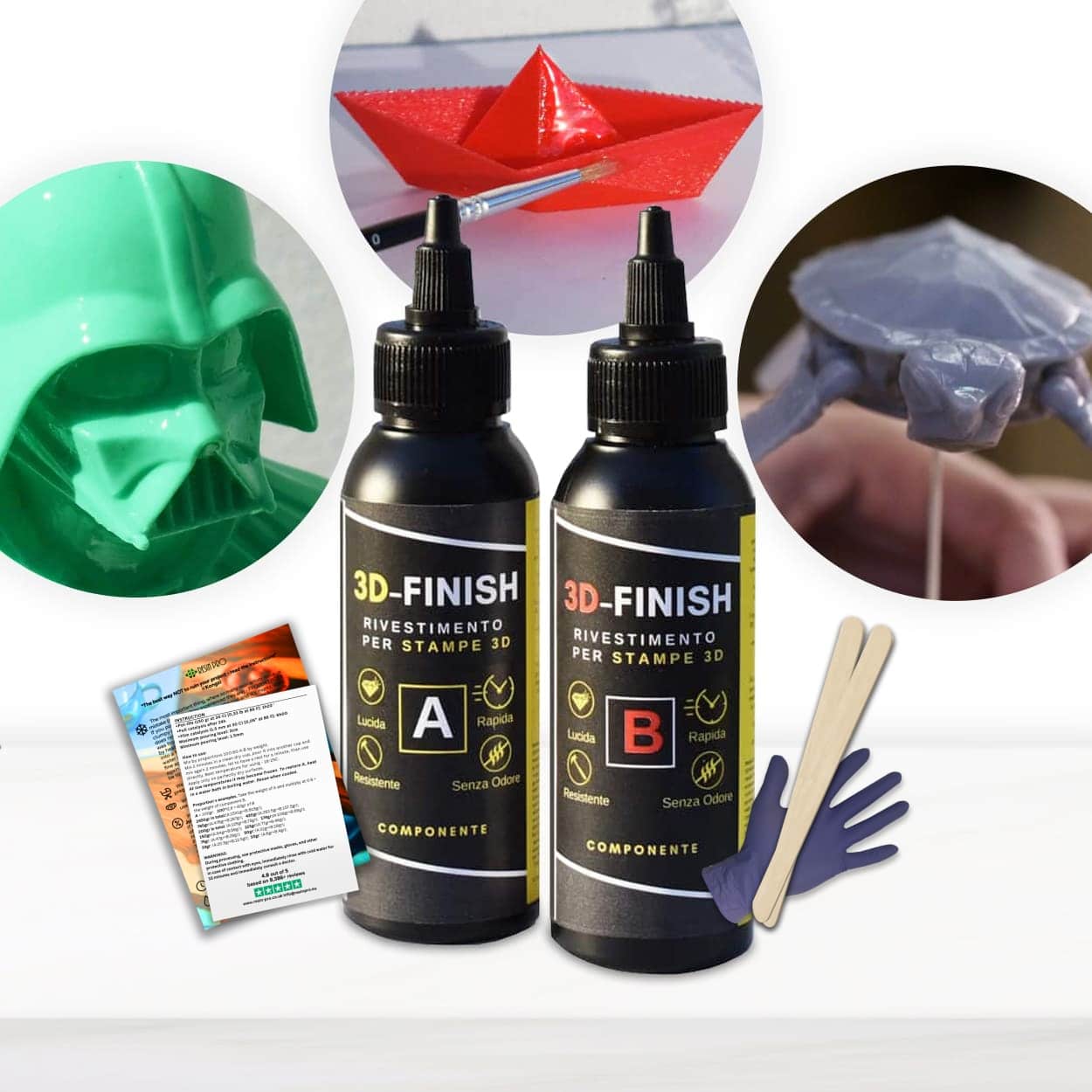
Even with careful application, it’s common to find small defects such as missed spots or bubbles when coating a circuit board with resin. Fortunately, you can fix these flaws for a smooth, even finish.
Assessing and Preparing the Surface
After the resin has fully cured, inspect the circuit board under good lighting. If you notice any uncoated areas or surface imperfections, start by gently sanding the affected zones with fine-grit sandpaper. This evens out raised spots and creates a suitable surface for bonding the next resin layer.
Once sanded, remove all sanding dust thoroughly. Using a lint-free cloth dampened lightly with isopropyl alcohol helps ensure the area is entirely clean before recoating.
Recoating for a Seamless Finish
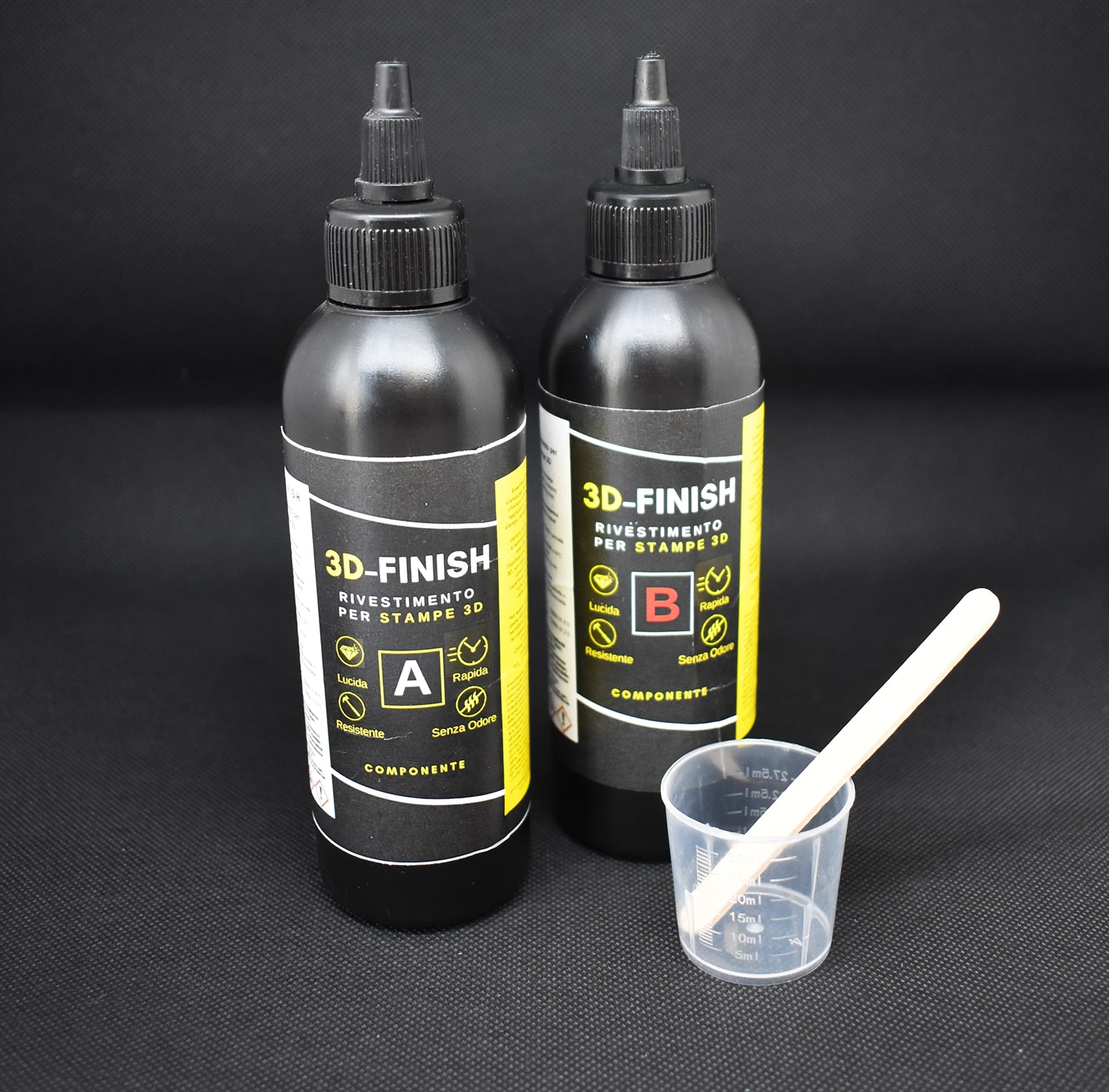
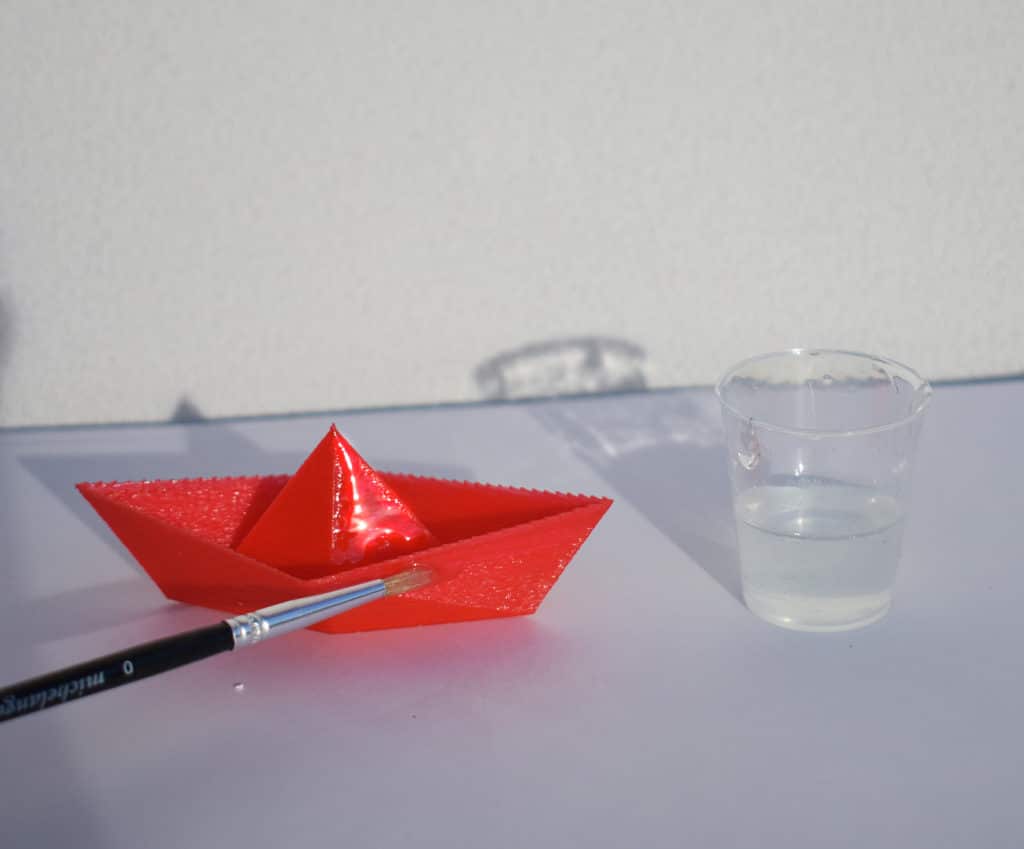
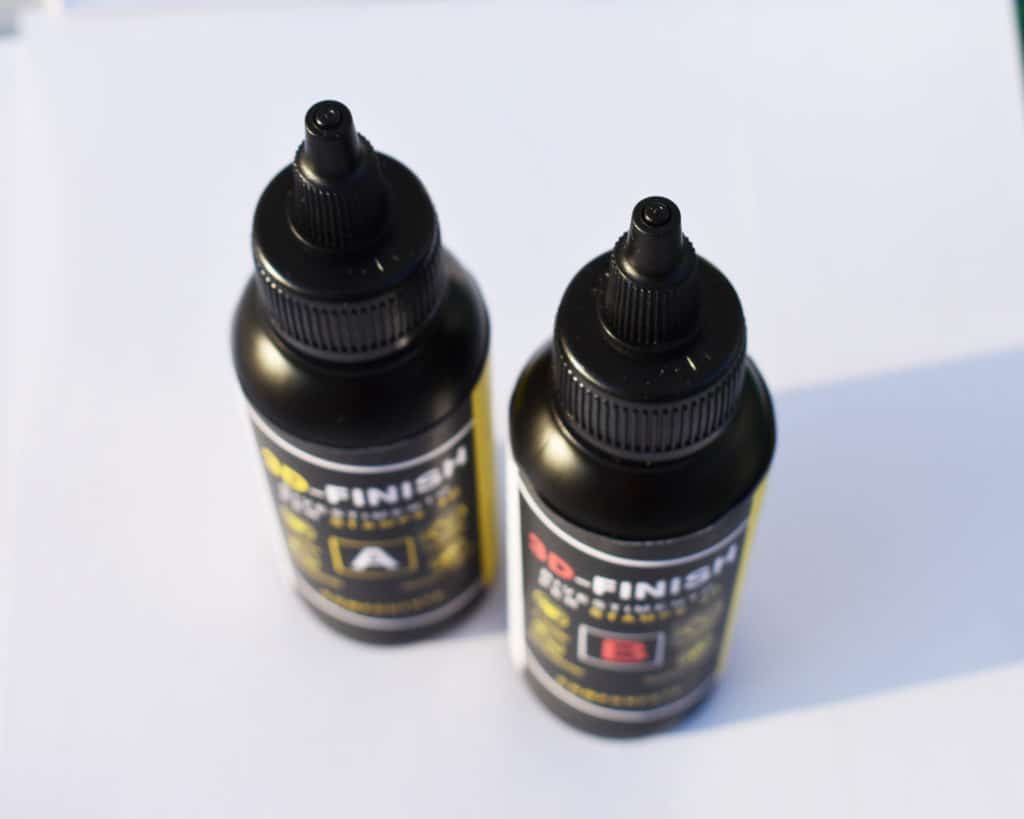
Mix a fresh batch of your chosen epoxy resin, such as 3D Finish, following the recommended ratios and mixing instructions. Apply a thin, even coat over the repaired section, feathering it slightly beyond the original flaw to blend the repair. Take care to avoid over-applying, as thick layers can cause runs.
Let the new coat cure as directed by your product. You can sand and polish again if you seek an ultra-smooth, glossy result.
When Attention to Detail Matters
Correcting even small resin defects is critical when electrical insulation, moisture protection, or appearance is important—such as with exposed or display-side PCBs. Diligent touch-ups help ensure lasting protection and professional results.
Related products
Related guides
By sanding, cleaning, and recoating, you can reliably fix common resin mistakes on circuit boards. This care helps you achieve the durable, sleek epoxy finish covered in our broader guide to resining circuit boards.