 Free shipping on orders over £29,85
  Shipping Tracking!


 Google
 Facebook
← Back to How to resin a circuit board?
Masking connectors and sensitive areas before applying resin to a circuit board is vital to protect crucial components and ensure proper electrical function. Neglecting this step may result in unwanted insulation and unreliable connections.
Why Masking Is Essential
Resin can seep into exposed contacts and open connectors, forming a non-conductive layer that disrupts electrical connections and makes future maintenance difficult. Masking these points prevents unwanted coating buildup and helps maintain circuit integrity, both for finished projects and prototypes that may require testing or rework.
How to Mask Effectively
- Choose the right masking material: Use specialised tape designed for electronics or a high-quality painter’s tape with clean adhesive. Liquid masking agents are suitable for intricate layouts as they can be brushed on and peeled away after curing.
- Apply with care: Press tape firmly to ensure complete coverage along contact edges, and double-check for gaps. For multi-pin connectors, a strip of tape or custom-fit mask can shield exposed metal.
- Remove after curing: Once the resin has fully set, gently peel away the masking. Any adhesive residue can be cleaned using a little isopropyl alcohol and a soft cloth.
Practical Tips for Accurate Masking
Clean all contact points thoroughly before masking to avoid trapping dust or oils beneath the tape. For particularly small or complex contacts, use fine tweezers to position masking material accurately. A digital scale can help you mix the correct resin quantities while you prepare your board, so your coating stage is seamless and efficient.
When Masking Contacts Matters Most
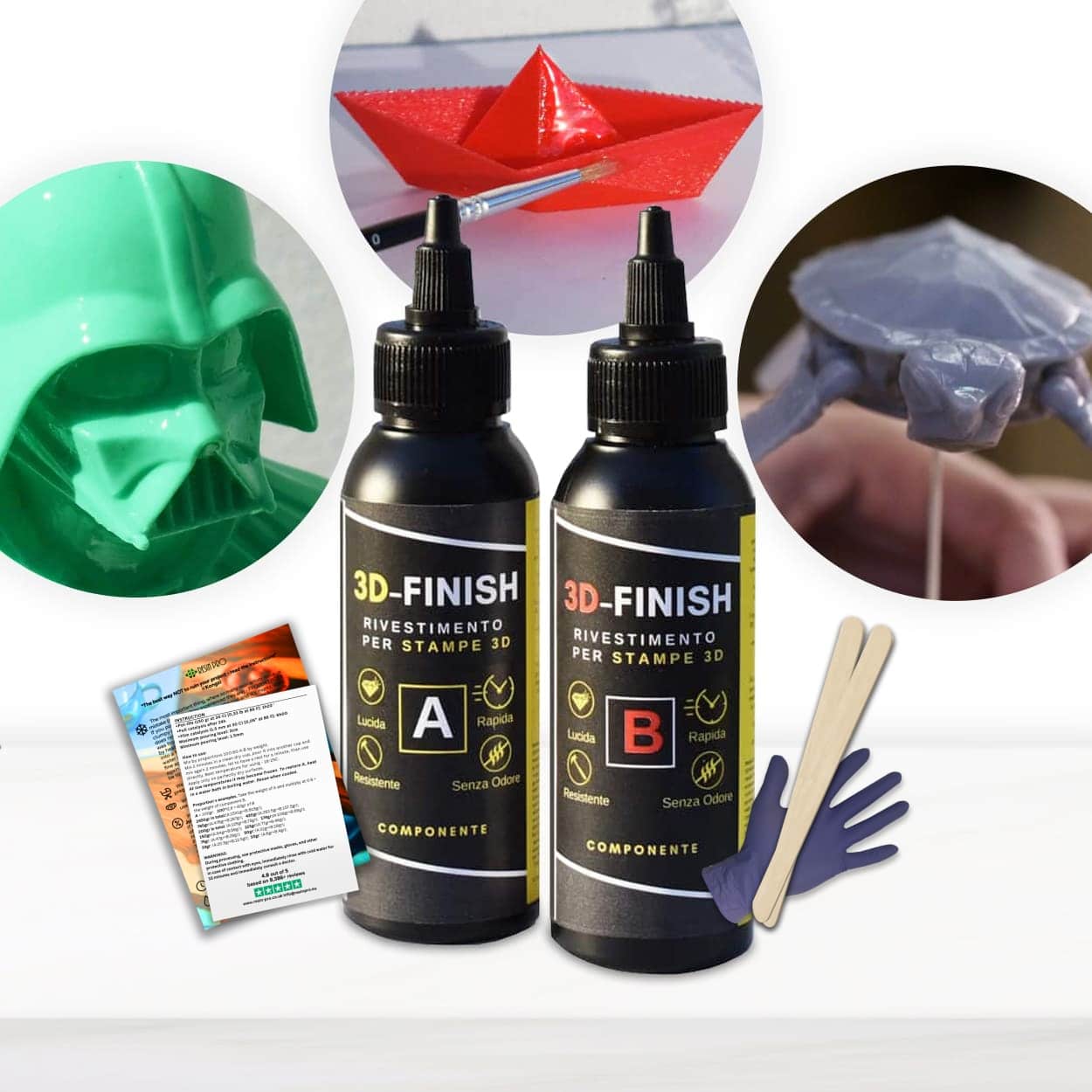
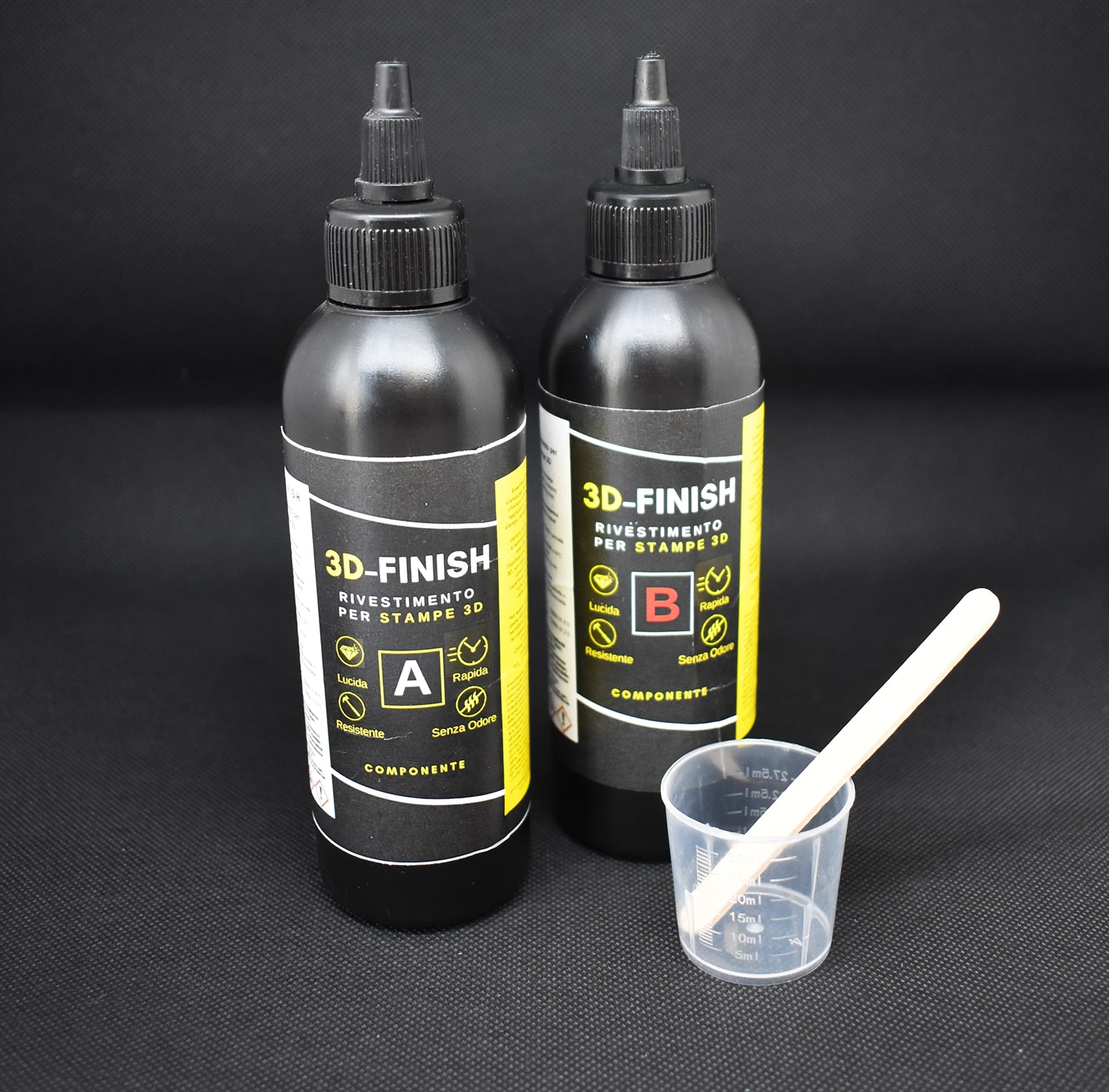
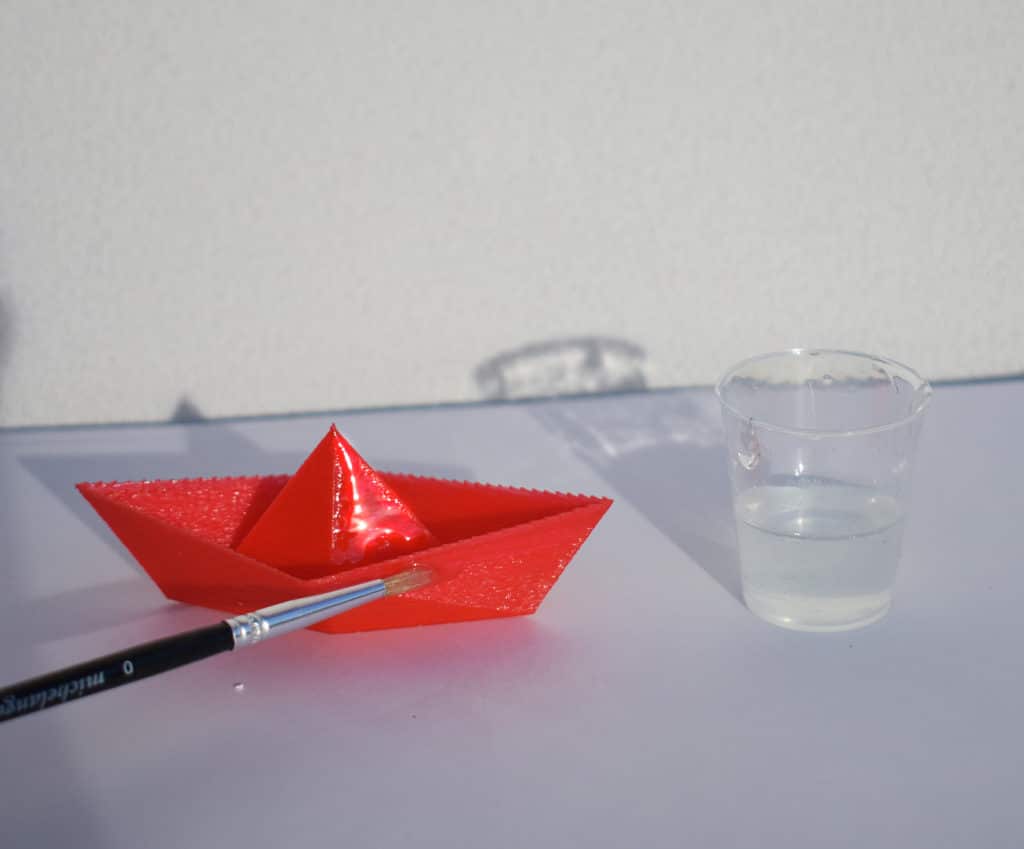
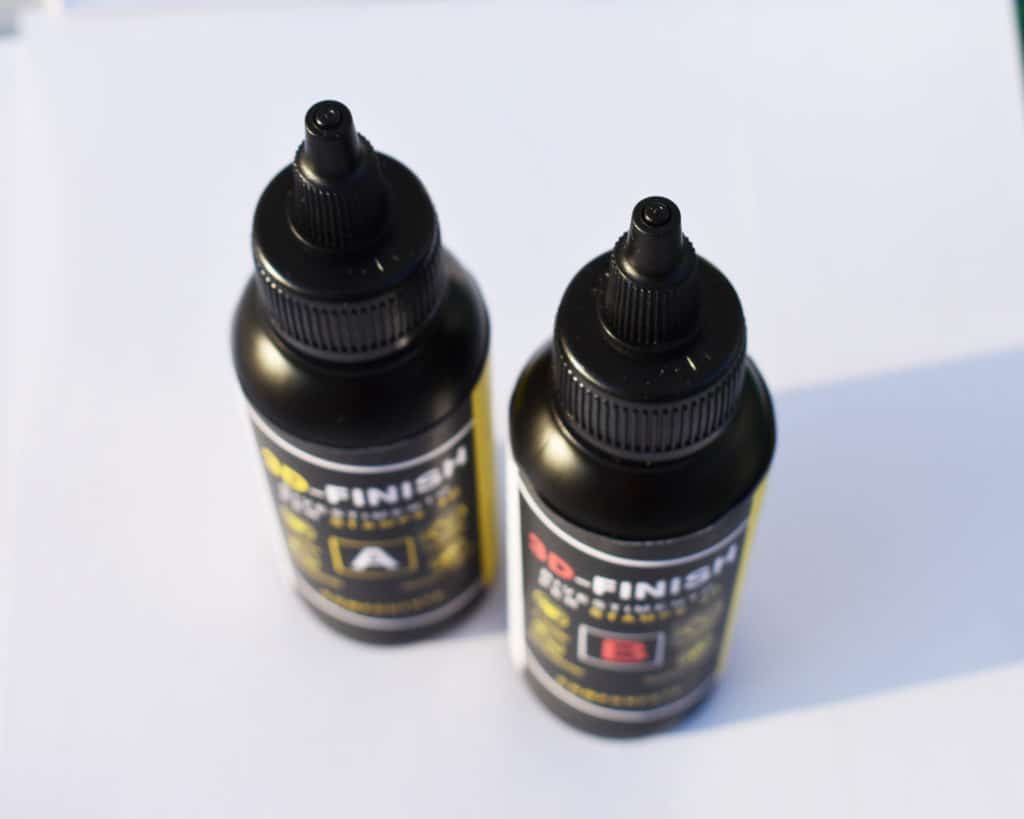
Masking is especially important in high-density circuit boards or when applying a resin coating like 3D Finish Fast Coating Epoxy Resin for protective or aesthetic finishing. Proper masking ensures no disruption of connections during the curing process.
Related products
Related guides
By protecting your connectors and contacts before resining, you ensure a reliable and professional finish. For more resin techniques and full circuit board protection guides, return to our resin circuit board tutorial.