 Free shipping on orders over £29,85
  Shipping Tracking!


 Google
 Facebook
How do you prepare resin for walls?
Step-by-step guide for flawless resin wall finishes
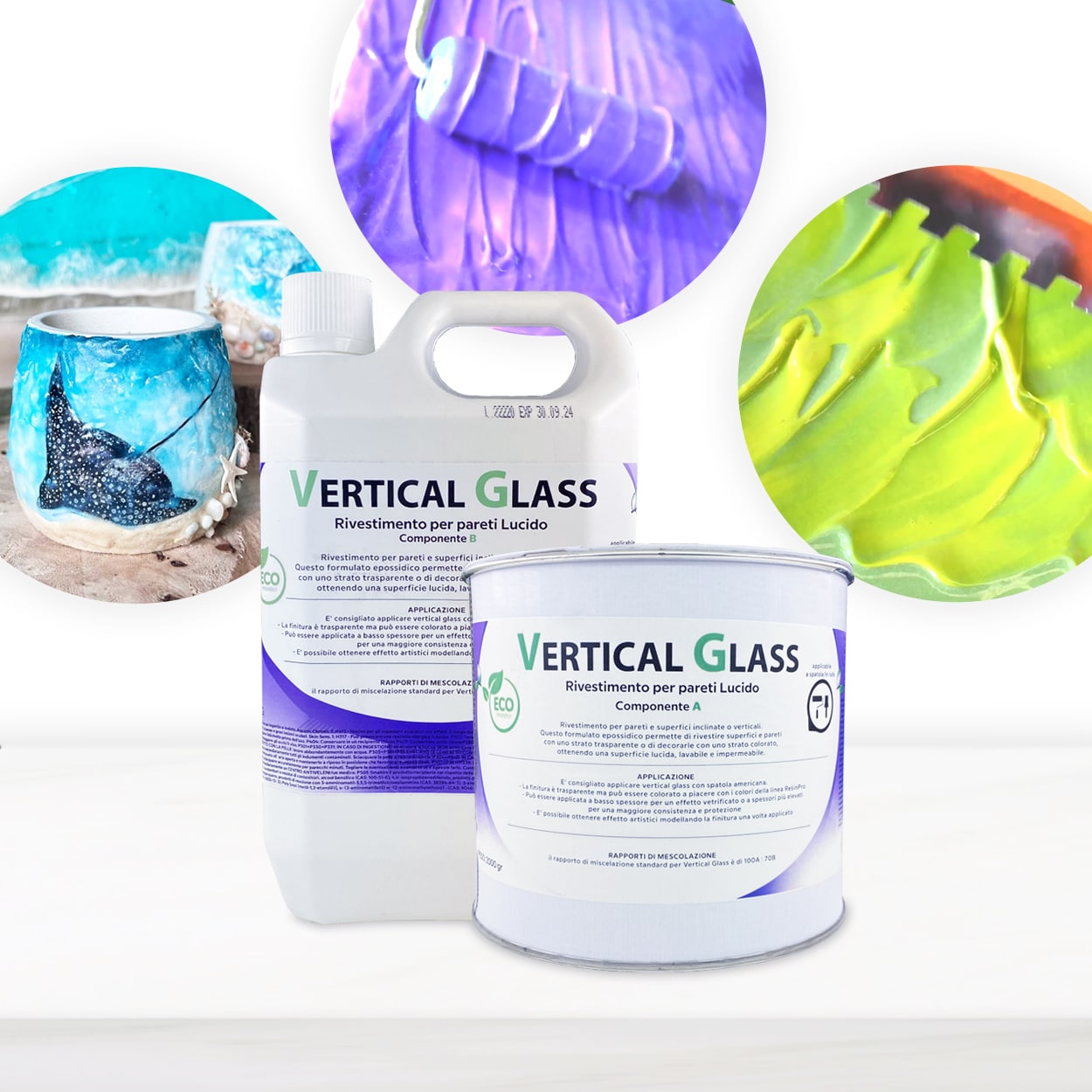

Transforming your interior with a resin wall finish offers a unique combination of creative freedom, waterproof durability, and easy-to-clean style. This step-by-step guide explains exactly how to prepare resin for wall applications, whatever your design vision or experience level.
What You’ll Need
- “Vertical Glass” – Thick Resin Decorative Wall Coating – For decorative, protective wall coatings.
- Resin & Paint Application Rollers – Short-Pile, Large, and Sponge Types – For smooth, even resin application on walls.
- Mixing Buckets Kit for Epoxy Resin Art – Easy Clean Flexible Design – Ideal for mess-free resin mixing.
- Protective gloves, goggles, and dust sheet
- Fine sanding paper or block
- Primer (compatible with wall substrate)
- Masking tape (for edges and fixtures)
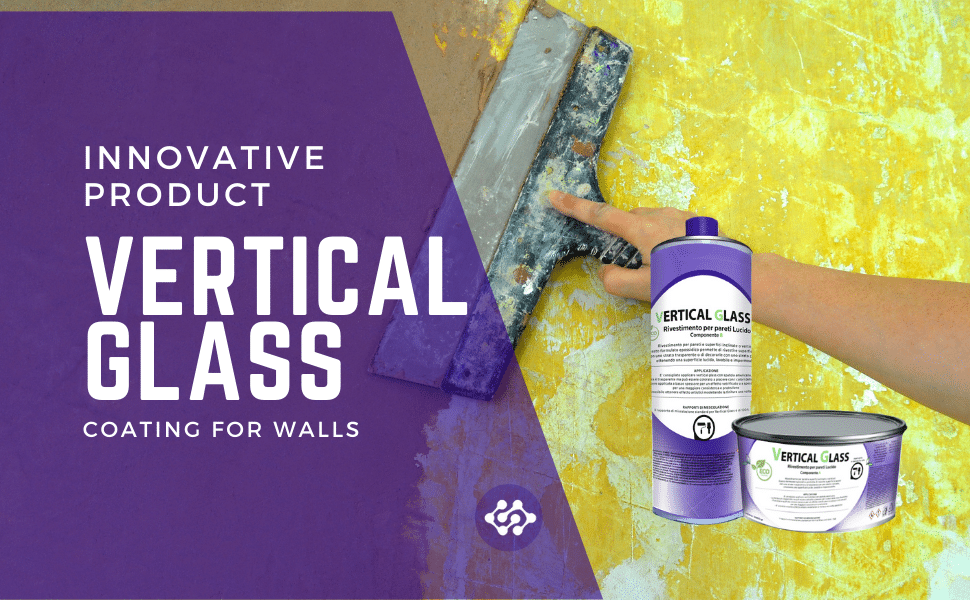
See How a Resin Wall Transformation Can Look
Browse our gallery of real-life resin wall projects for inspiration and to visualise the creative possibilities of resin finishes in homes and commercial spaces.
Step 1: Prepare and Clean the Wall Surface
Starting with the right foundation is key. Remove any loose paint, dust, grease, or flaking material from your wall. Wash with a mild detergent if necessary, and allow to dry completely. For previously painted or tiled surfaces, lightly sand to create a key for the resin, then remove residual dust.
Always use a clean, dust-free environment for the best results. Mask off sockets, skirting, and edges where you do not want resin coverage.


Step 2: Prime the Wall Substrate
Using a suitable primer for your specific wall material (e.g. cement, tiles, plaster, or brick) ensures maximum adhesion and long-term durability of your resin layer. Apply the primer evenly and allow it to dry completely according to manufacturer guidance.
Ensure your wall surface is completely dry before applying any resin. Trapped moisture can result in adhesion failure or cloudiness in your finished surface.
Step 3: Mix the Resin Thoroughly
Carefully measure and combine the two resin components according to your product’s instructions. Pour both parts into a Mixing Buckets Kit for Epoxy Resin Art – Easy Clean Flexible Design to make stirring efficient and mess-free. Mix slowly and methodically, scraping sides and base, to avoid introducing air bubbles.
Use only the amount you can apply within the working time (pot life) specified by the resin manufacturer.


Step 4: Apply Resin Evenly to the Wall
Once fully mixed and ready, pour out the resin along the wall surface. Spread the resin using a Resin & Paint Application Roller matched to your project size—a small roller for details, larger for broad sections, and sponge types for ultra-smooth self-levelling effects. Work top-down and in manageable sections.
For creative finishes, use a spatula or trowel for texture variations, or blend in pigments as desired if your product allows. Multiple thin layers are better than one heavy coat.
Even coverage prevents drips, runs, or excessive build-up.
Step 5: Allow for Curing and Finishing Touches
Let the resin cure undisturbed for the full time specified (usually at least 24–48 hours for initial hardening). Do not touch, sand, or clean the surface until fully cured. If a satin or matte finish is desired, sand the surface lightly after curing using fine abrasive paper.
Remove masking tape only once the resin is tack-free to avoid pulling up edges. Allow full curing time for maximum durability and a smooth finish.

Tips for Success and Common Mistakes
Wear gloves, goggles, and ensure good ventilation during all stages. Always check resin type for wall suitability—epoxy resins like “Vertical Glass” – Thick Resin Decorative Wall Coating are formulated specially for vertical application and will not run or sag like some alternatives.
Take care to measure and mix your resin accurately. Don’t rush wall preparation or skip priming, as this can undermine adhesion and the long-term finish. Avoid working below recommended temperatures or in high humidity to prevent surface clouding, bubbles, and uneven curing.
Make Your Resin Wall Last and Stand Out
Proper surface preparation, application tools, and product selection are the key to resilient, visually stunning resin wall coatings. Choose solutions designed for walls to ensure performance and beauty.
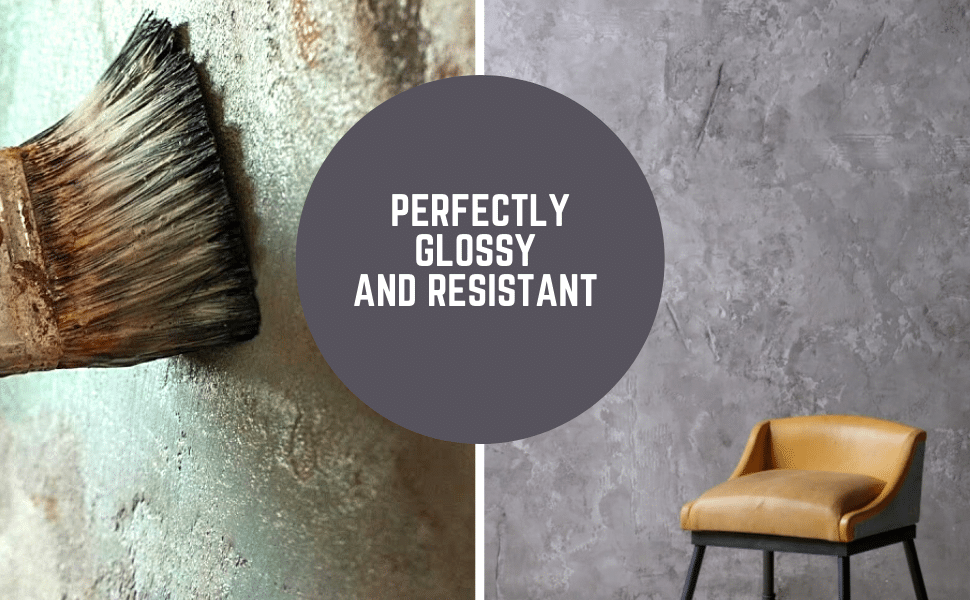
- "Vertical Glass" – Thick Resin Decorative Wall CoatingPrice range: £78.95 through £188.95Vertical Glass is a thick epoxy resin wall coating designed for decorative and durable finishes on vertical and sloping surfaces.
- Resin & Paint Application Rollers – Short-Pile, Large, and Sponge TypesPrice range: £3.62 through £5.09Rollers suitable for applying epoxy resin on walls and floors, offering precision and uniform coverage.
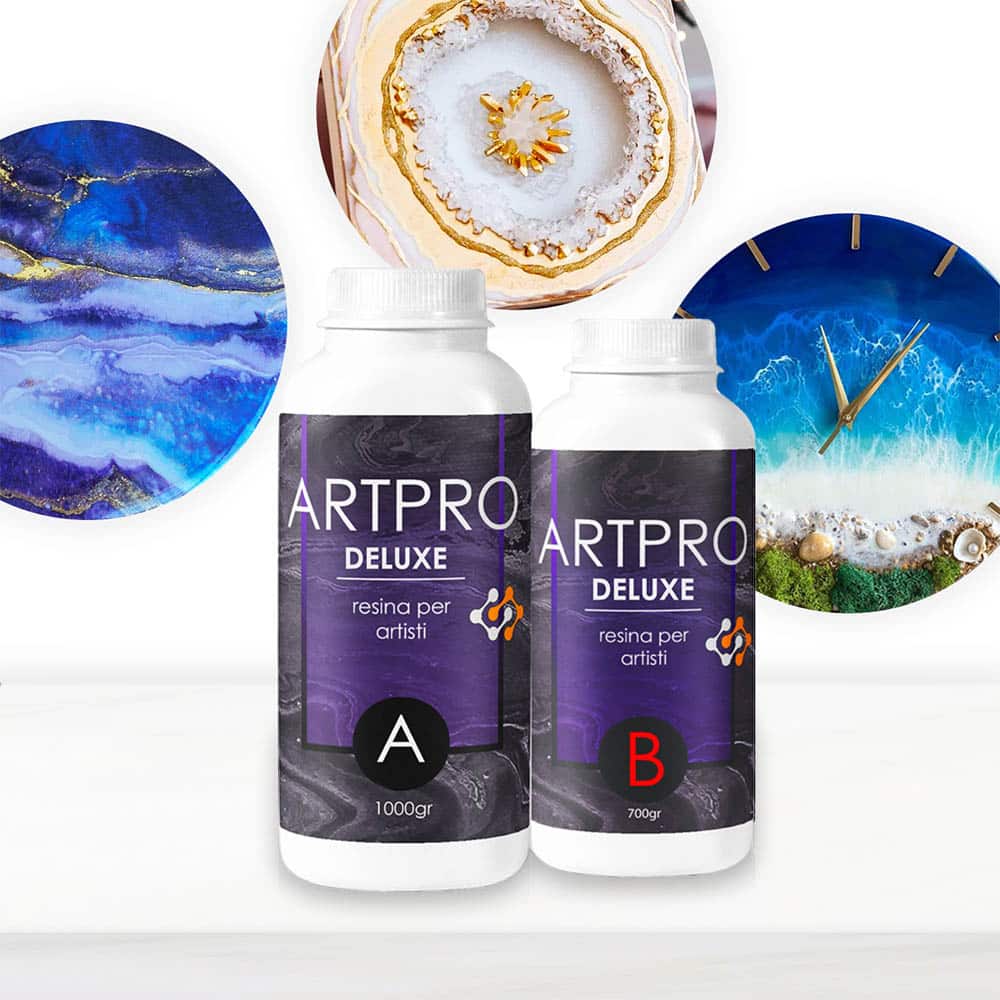
- "Art Pro Deluxe" – Ultra-High Viscosity Epoxy Resin for ArtistsPrice range: £35.95 through £302.45Art Pro Deluxe is a high viscosity epoxy resin designed for precise control in resin art and finish layers with a clear, self-levelling surface.
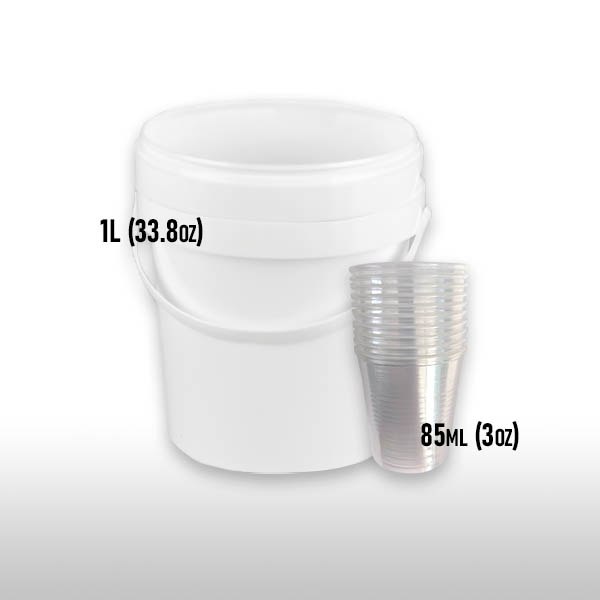 Mixing Buckets Kit for Epoxy Resin Art – Easy Clean Flexible DesignPrice range: £2.05 through £8.95Mixing Buckets Kit offers a flexible, easy-to-clean solution suitable for mixing epoxy resins in wall preparation tasks.
Frequently Asked Questions
Do I need to sand or prime walls before applying resin?
Yes, proper sanding and priming ensures optimum adhesion so your resin finish lasts and looks its best.
How long does resin take to cure on walls?
Most wall resins reach initial hardness in 24–48 hours, but full strength and chemical resistance may require up to 7 days.
Can I add pigments or metallic effects to resin for wall finishes?
Yes, many epoxy wall coatings are designed to accept pigments or metallic powders for custom effects.
What type of roller is best for applying resin to walls?
Short-pile and sponge rollers help achieve even, streak-free coverage for resin on vertical surfaces.
How do I avoid bubbles or streaks when applying resin on walls?
Thorough mixing, slow application, and use of the correct roller help prevent bubbles and achieve a flawless surface.
Which resin is suitable for bathroom walls or wet areas?
Choose waterproof, washable epoxy wall coatings specifically designed for vertical and high-moisture applications.