 Free shipping on orders over £29,85
  Shipping Tracking!


 Google
 Facebook
← Back to How do you make a resin wall?
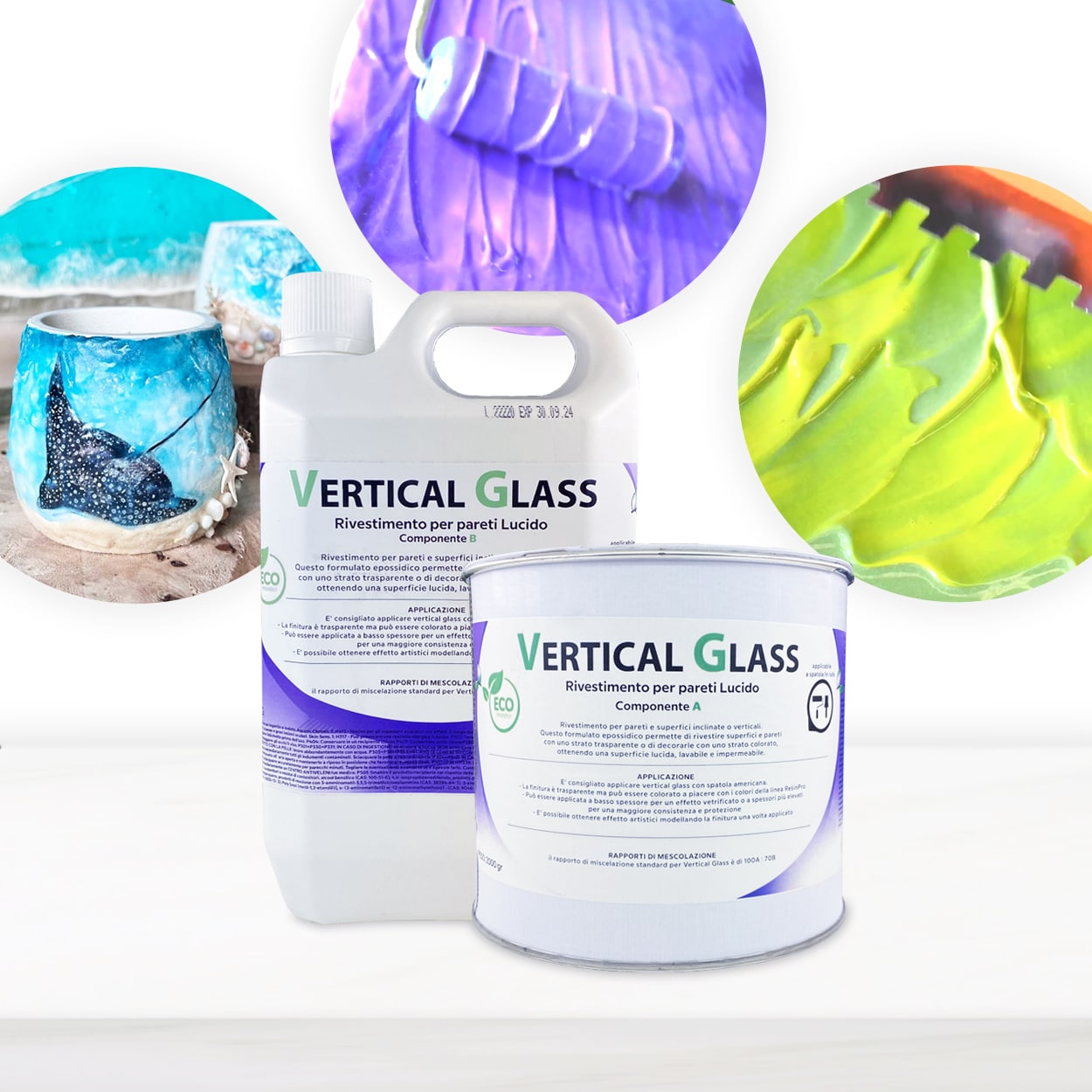
If you’re getting ready to cover your wall with resin, you might wonder whether you need a primer. Proper preparation can make all the difference in achieving a durable and professional look.
Why Priming Matters for Resin Application
Priming is highly recommended for porous or highly absorbent wall surfaces, such as bare plaster, brick, or cement. Without a primer, the resin may soak unevenly into the surface, leading to issues like poor adhesion or bubbles forming under the coating. A well-chosen primer helps seal the substrate and provides a stable base for the resin to grip, ensuring your decorative wall finish remains flawless.
How to Prime Your Wall Before Using Resin
Start by making sure your wall is clean, dry, and free from dust or loose debris. Apply a primer that suits the type of substrate you are covering; this could be a basic masonry primer for concrete and brick, or a specialist primer if using a product like “Vertical Glass” wall resin. Allow the primer to dry fully before going in with your resin application—this sets the stage for an even, bubble-free result.
When This Matters Most
- You’re covering freshly-plastered, concrete, or block walls which are highly absorbent.
- Your project demands a flawless, decorative finish, often seen in bathrooms, kitchens, or creative feature walls.
- Preventing bubbles and ensuring a lasting bond between the resin and substrate are crucial for your intended space.
Related products
Related guides
Taking the extra step to prime your wall can really elevate your resin wall project—helping you achieve results in line with the decorative and robust finishes explored on our main guide to making a resin wall.