 Free shipping on orders over £29,85
  Shipping Tracking!


 Google
 Facebook
← Back to How to use clear resin and wood?


Achieving a perfectly level resin surface is essential for any table project, ensuring both visual appeal and functional quality. Careful set-up and methodical pouring make all the difference.
Preparing Your Workspace and Formwork
The foundation for a level resin table begins with your workspace. Use a reliable spirit level to check your work surface and the formwork where you will pour the resin. Adjust the legs or add shims to remove any slope or tilt before starting. Confirm that every side of the mould or formwork is even, as any unevenness will affect the final resin finish.
Before mixing, check the level again to ensure nothing has shifted during set-up. This step is especially important with heavier or larger projects, where floors may not be perfectly flat.

Pouring Techniques and Choosing the Right Resin
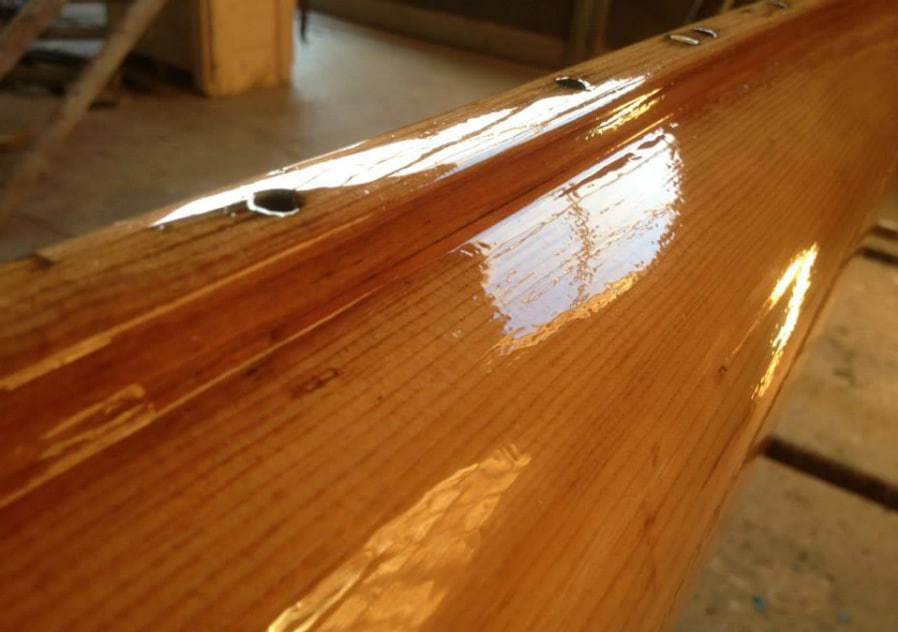
Once the stage is set, measure and mix your selected epoxy resin following the manufacturer’s ratios and instructions for best flow characteristics. Pour the resin slowly and evenly to allow it to self-level and release trapped air. For tables up to 2cm thick, a product like “Trasparente” epoxy resin provides a glossy, self-levelling finish. For deeper pours, consider a deep pour resin such as “Epoxytable 10-Ten”.
Work in thin layers for extra control, letting each layer partially cure as needed. Cover your project while curing to prevent dust or debris from settling.
When Perfect Levelling Matters Most
Level surfaces are crucial for dining and coffee tables, where visible unevenness can impact both appearance and use. Take extra care for large-format projects, as resin flow exaggerates minor slopes over wide areas. Using a dedicated kit, like the “River-Table” set for beginners, can simplify the process with included sealants and instructions.

Related products
Related guides
Taking the time to level your workspace and select the right resin ensures a flawless, professional finish on your table. For more support on working with resin and wood, explore our full guide here.