 Free shipping on orders over £29,85
  Shipping Tracking!


 Google
 Facebook
How to use clear resin and wood?
Step-by-step guide for flawless resin and wood creations.
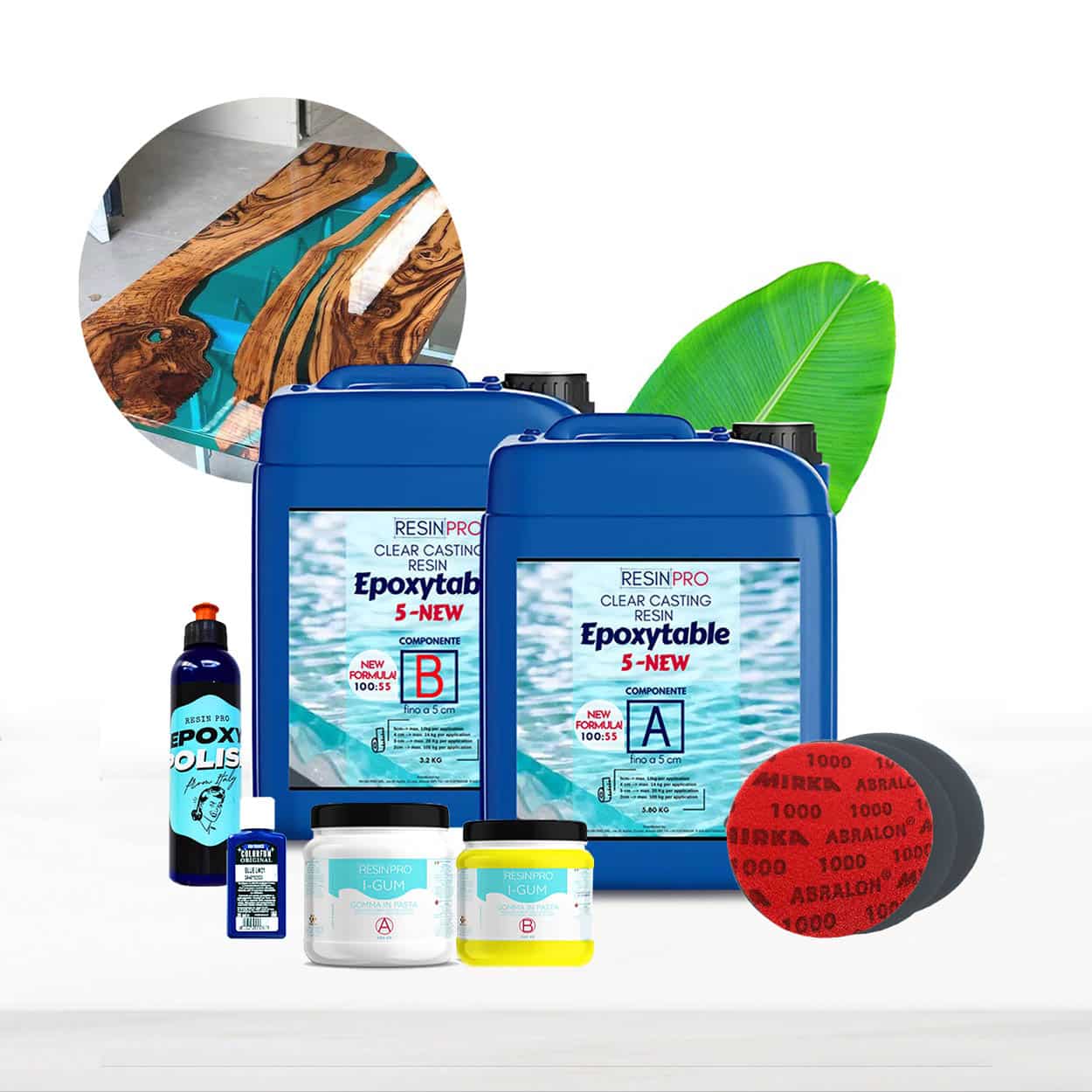
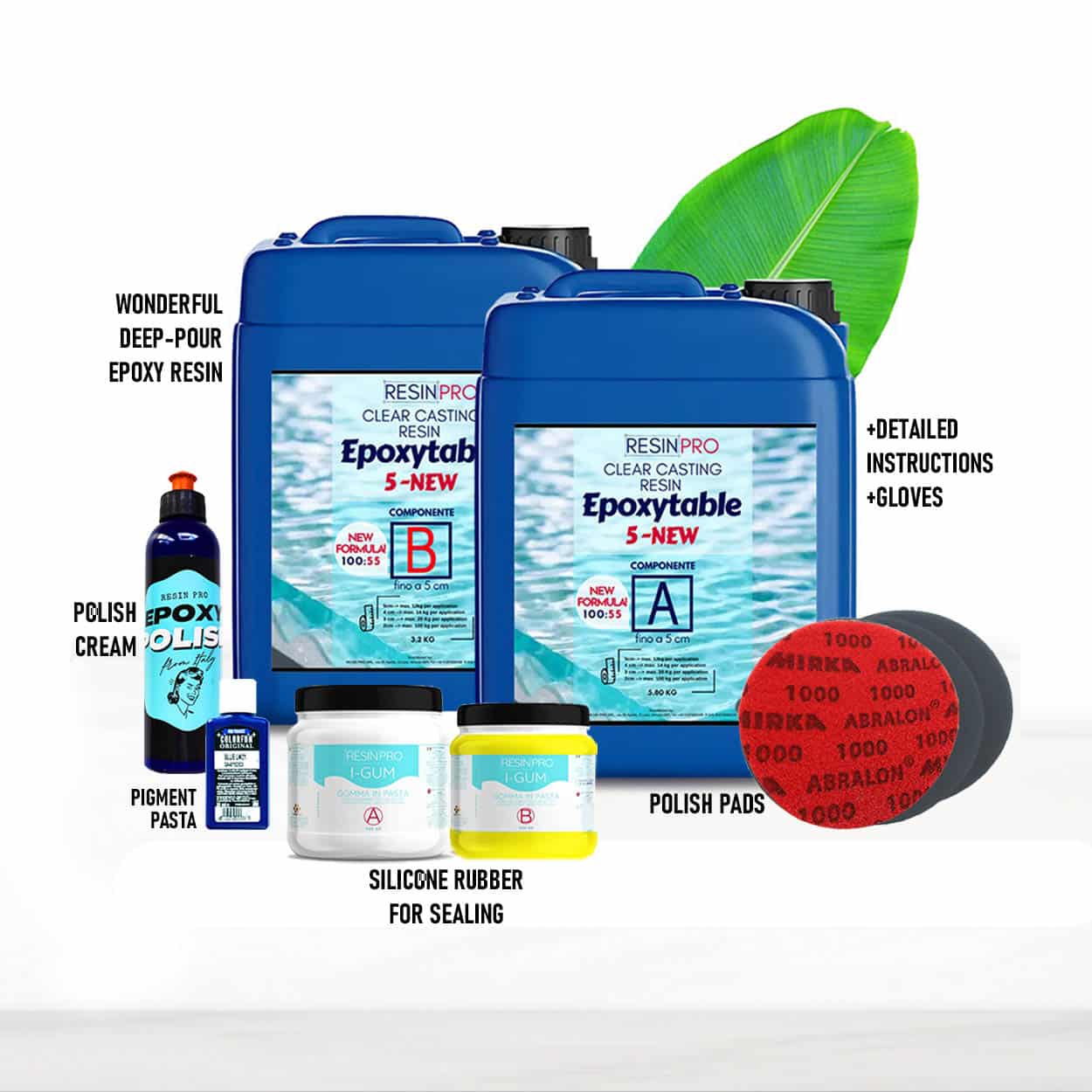
Combining clear resin with wood opens up a world of creative and practical possibilities, from statement river tables to intricate art pieces. This guide walks you through the complete process of working with clear resin and wood, ensuring a professional, durable result that makes both materials shine.
Deeply clean and dry the wood first

What You’ll Need
- “EpoxyWood” – Wood Restoration Epoxy Resin for Deep Penetration and Waterproofing – for sealing and reinforcing wood prior to resin work
- “River-Table” – Complete Kit for Creating Your First Epoxy Resin Table – comprehensive option for full resin and wood table projects
- “Trasparente” – Multipurpose Clear Epoxy Resin for Casting – Up to 2cm – for typical castings, art, or encapsulating wood pieces up to 2cm
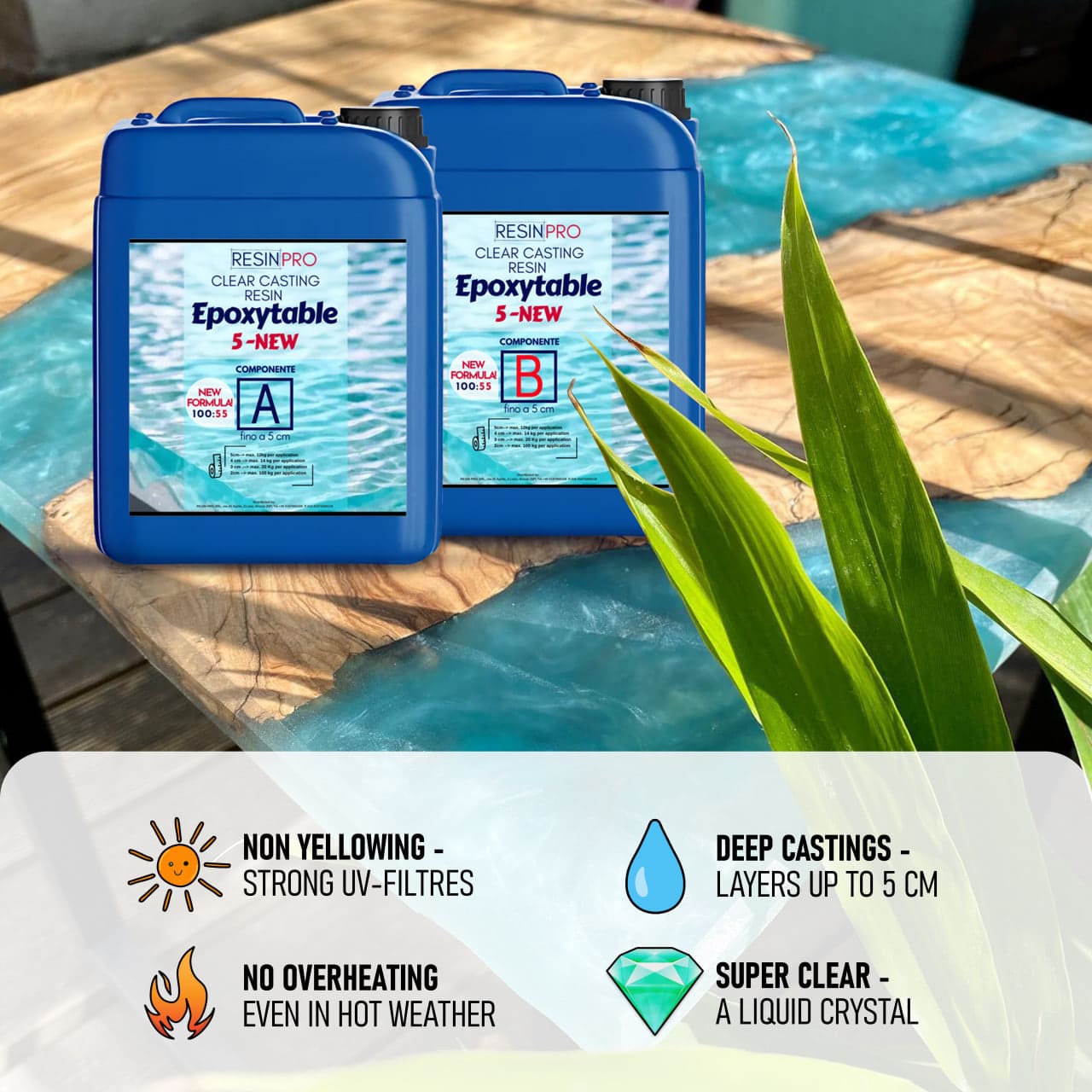
- “Epoxytable 10-Ten” – Deep Pour Epoxy Resin for Tables, Up to 10cm Casting – ideal for deep pour river tables or large block projects
- Mixing cups, stir sticks, gloves, protective mask
- Level work surface, formwork or moulds, release agent
- Sanding paper (various grits), polish (optional)
See Resin and Wood Projects in Progress
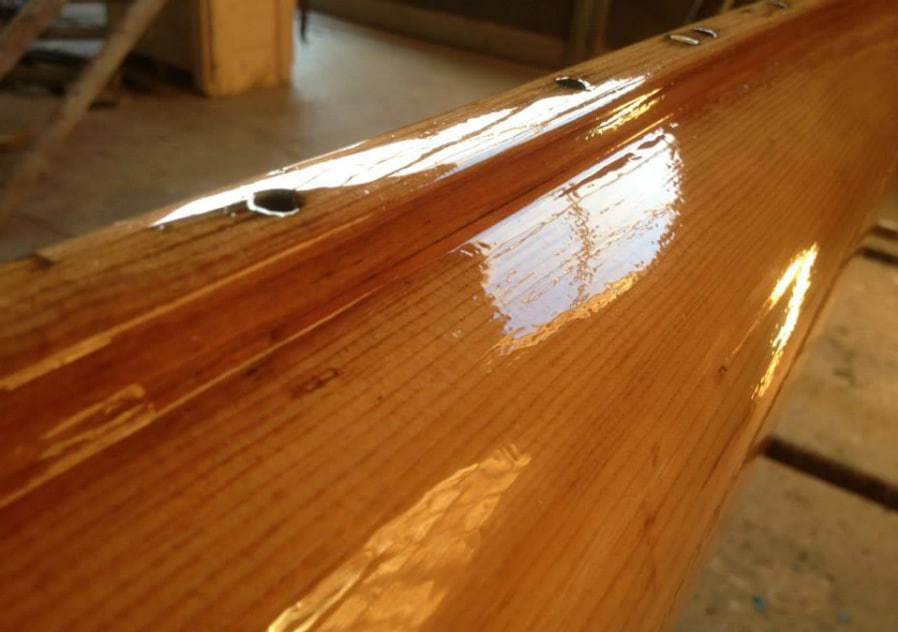
Explore inspiring in-progress photos and techniques used to combine clear resin with wood. Witness how surface preparation, pouring, and finishing methods make a difference in clarity and craftsmanship.
Step 1: Prepare the Wood
Start by thoroughly cleaning the wood to remove dust, dirt, grease and any old finishes. The surface must be completely dry before proceeding; moisture trapped in the wood can cause bubbles or poor adhesion. Sand down the wood to the desired finish, paying special attention to any uneven textures that may affect resin flow. Remove sanding dust using a brush or vacuum.
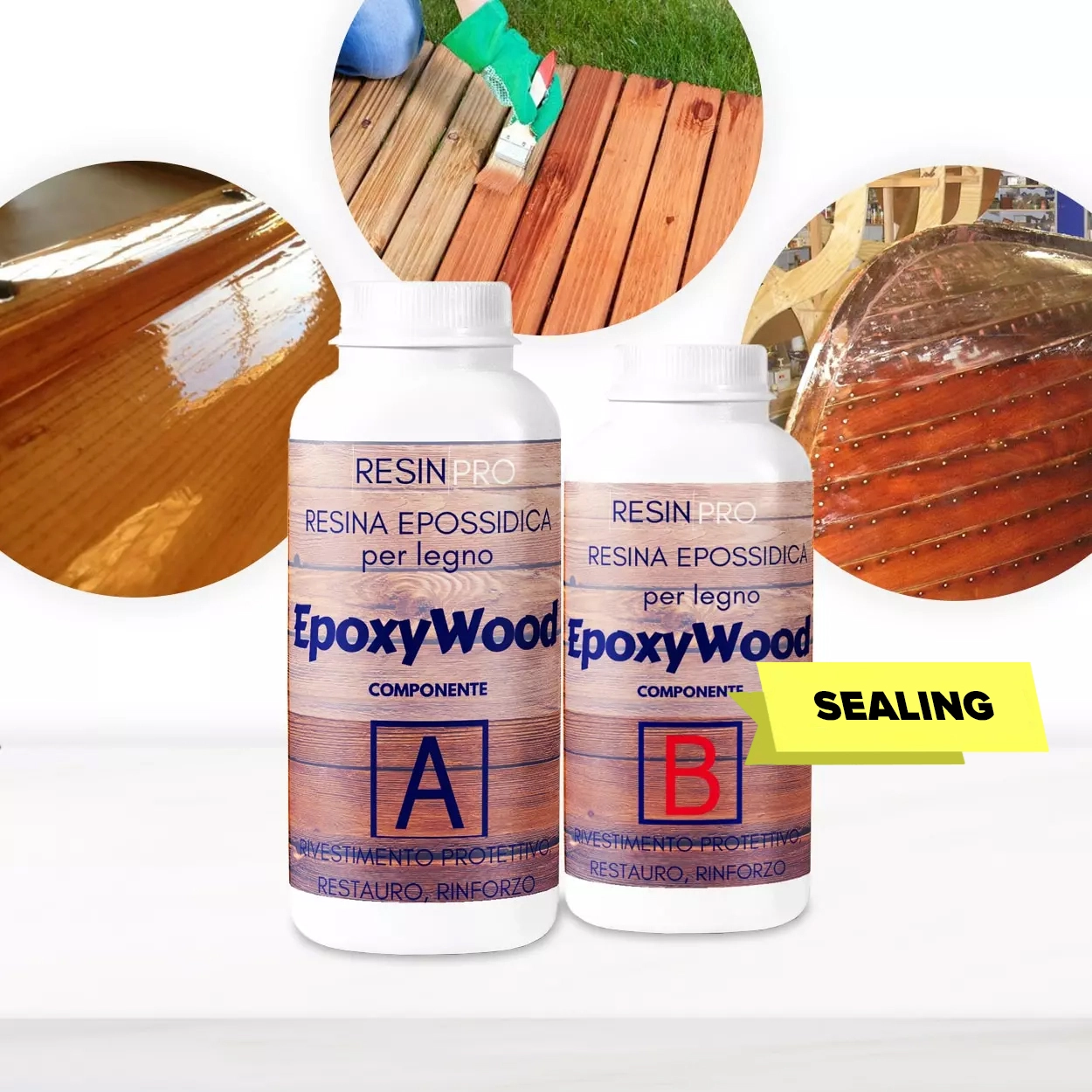
For best results and maximum durability, seal any cracks or porous sections with a deep-penetrating resin sealer. “EpoxyWood” – Wood Restoration Epoxy Resin for Deep Penetration and Waterproofing is specially designed for this task, offering strong internal sealing and moisture resistance. Apply a thin coat, allow it to cure fully, and sand off any raised grain before the main pour.

Step 2: Build the Formwork and Level Your Workspace
Construct a leak-proof formwork or use a suitable mould for your wood and resin project. Your mould must fit the desired shape tightly and be treated with a release agent to ensure easy demoulding later. Check that your work surface is absolutely level—uneven surfaces lead to lopsided pours and resin pooling where you don’t want it.
Seal the edges of the form with high-quality silicone for extra protection against leaks.
Step 3: Measure and Mix Your Resin
Carefully calculate the volume of resin required, based on the voids around your wood and the thickness you wish to achieve. Refer to the curing limits of your chosen resin; for pours up to 2cm, consider “Trasparente” – Multipurpose Clear Epoxy Resin for Casting – Up to 2cm. For projects requiring deeper fills, such as thick tabletops, “Epoxytable 10-Ten” – Deep Pour Epoxy Resin for Tables, Up to 10cm Casting offers safe, bubble-free casting in single layers up to 10cm.
Follow all safety protocols—wear gloves and a mask, and work in a ventilated area. Mix according to instructions using slow, steady motions to minimise bubble formation. Measure and mix your resin carefully for the most consistent results.


Step 4: Pour Resin in Controlled Layers
Pour the resin slowly, ideally in thin layers. This helps avoid overheating and reduces trapped bubbles. Use a heat gun or torch sparingly to pop bubbles that rise to the surface, but take care not to scorch the resin or wood below. For thick castings, follow the manufacturer’s guidelines for maximum safe pouring depth per application—never exceed the recommended limits.
Pour resin in controlled layers for perfect clarity and strength. If your design includes pigments or effects, mix them thoroughly before pouring, or use a kit such as the “River-Table” – Complete Kit for Creating Your First Epoxy Resin Table which contains additives and step-by-step guidance.
Step 5: Allow Full Curing and Finish
After pouring, protect your project from dust and let the resin cure undisturbed. Curing time varies with resin type and environmental conditions—check the manufacturer’s guidelines. Once fully set, release the piece from its mould and inspect the surface. Sand away any sharp edges or imperfections, working up through the grits for a glassy finish.
Polish with a dedicated resin polish for a mirror shine if desired. Allow full curing before demoulding to avoid warping or smudges.


Tips and Troubleshooting for Resin and Wood Projects
Always check your workspace for dust, hairs, and moisture risks. Avoid moisture and dust contamination—both can cloud the resin or disrupt adhesion. Pouring thick layers too quickly may cause exothermic overheating and trapped bubbles, so adhere to recommended limits. If you notice clouding, excessive bubbles, or incomplete curing, double-check your mixing ratios and environmental temperature for possible causes. Practice on a small piece first if you are unsure.
Finishing Touches and Creative Variations
Delve into final finishing techniques, creative effects with pigment or metallic additives, and how to achieve your perfect balance between resin clarity and wood character. Showcase your results or experiment with layering and texturing methods for unique effects.
- "EpoxyWood" – Wood Restoration Epoxy Resin for Deep Penetration and WaterproofingPrice range: £27.95 through £41.95Wood restoration resin with ultra-low viscosity for deep wood penetration and waterproofing, suited to clear resin and wood use.
- "River-Table" – Complete Kit for Creating Your First Epoxy Resin TablePrice range: £198.45 through £467.45A complete kit including resin, hardener, sealant, pigments and polish for creating a wood and resin table following detailed instructions.
- "Trasparente" – Multipurpose Clear Epoxy Resin for Casting – Up to 2cmPrice range: £8.95 through £397.95This ultra-clear epoxy resin is suitable for detailed casting and table projects with up to 2cm layers, delivering a glossy finish.
 “Epoxytable 10-Ten” – Deep Pour Epoxy Resin for Tables, Up to 10cm CastingPrice range: £35.95 through £351.95“Epoxytable 10-Ten” is designed for deep pouring up to 10cm, suitable for creating clear resin tables and artistic wood projects.
Frequently Asked Questions
Do I need to seal wood before using clear resin?
Sealing prevents bubbles and improves adhesion. Using a dedicated wood sealer or a thin layer of resin is recommended before the main pour.
What resin should I use for deep pour tables?
Choose a deep pour epoxy formulated for thick layers, such as those allowing up to 10cm in a single application.
How do I avoid bubbles when pouring resin on wood?
Seal the wood surface and pour slowly. Use a heat gun or torch to remove surface bubbles as they appear.
How long does resin take to cure on wood?
Cure times depend on resin type and thickness. Most projects require 24–72 hours for full curing under normal temperatures.
What safety precautions should I take with resin?
Always use gloves, protective eyewear, and work in a ventilated area. Avoid skin contact and inhaling fumes.
How do I get a level resin surface on a table?
Ensure your workspace and formwork are completely level before pouring. Adjust with spirit levels as needed before each step.
What are common mistakes with resin and wood?
Pouring too thick, not sealing the wood, or working in a humid area are frequent pitfalls to avoid for best results.