 Free shipping on orders over £29,85
  Shipping Tracking!


 Google
 Facebook
← Back to How to use clear resin and wood?
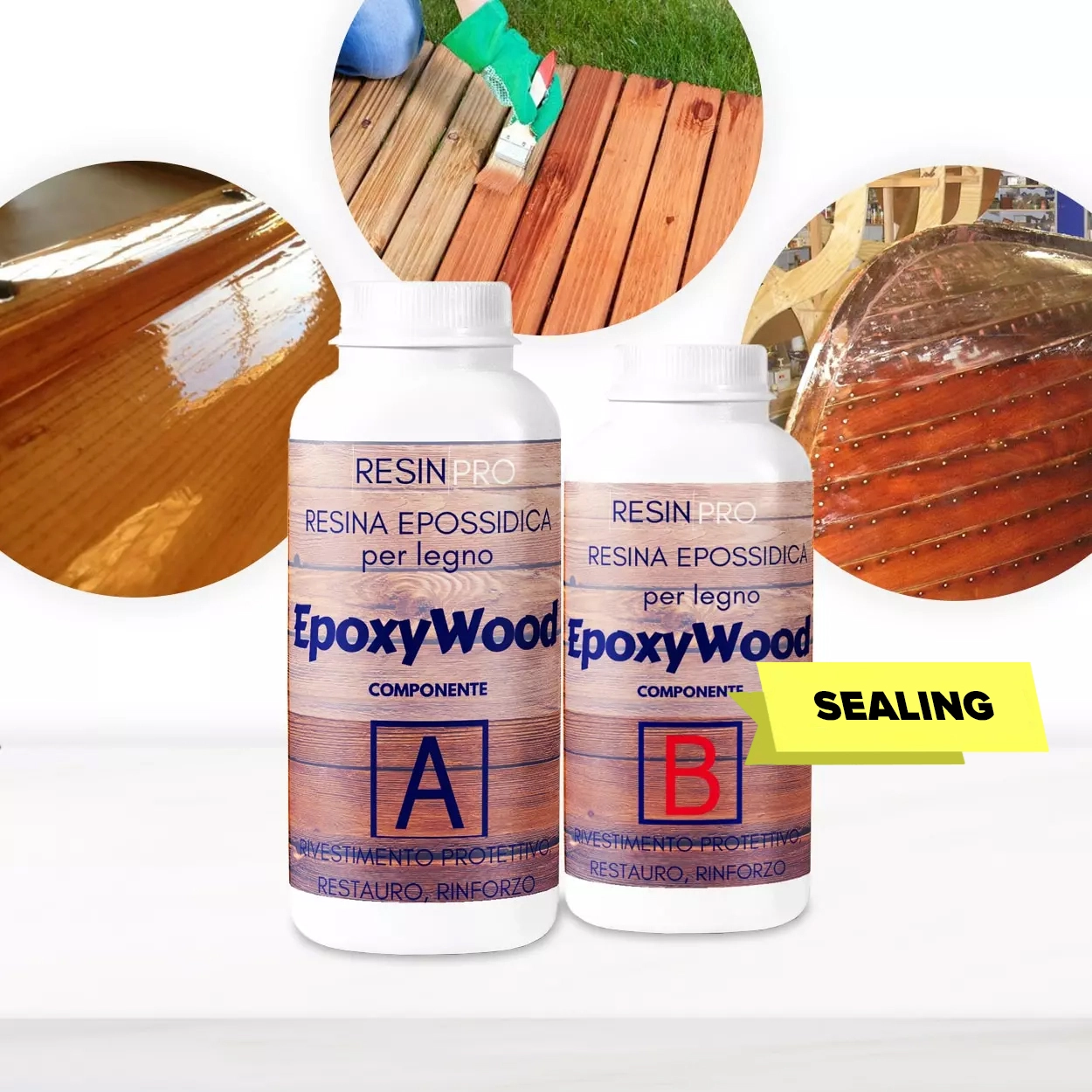
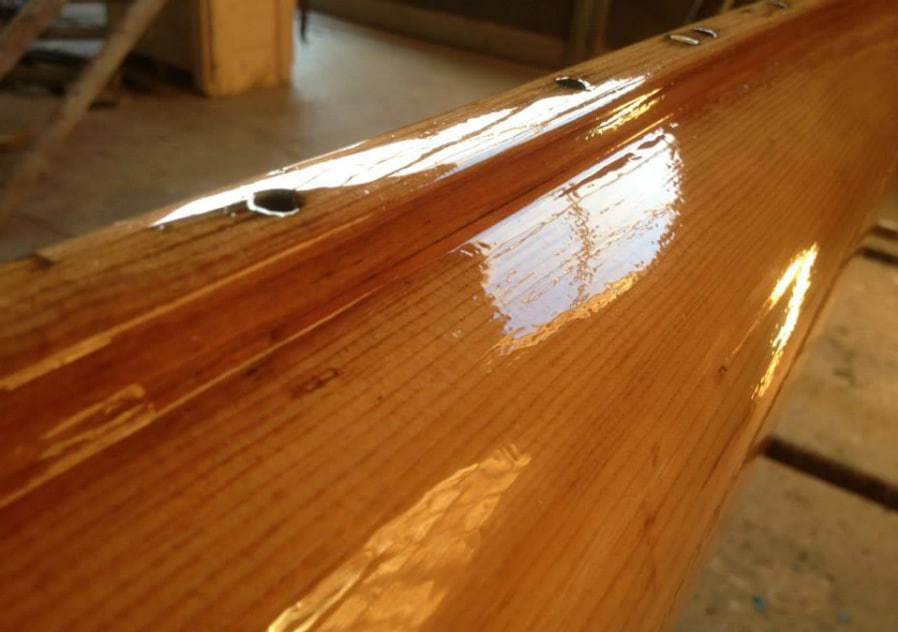
Properly sealing cracks and porous parts of wood is crucial for achieving a flawless, durable finish when working with clear resin. Taking this step prevents leaks, minimises the risk of bubbles, and reinforces the wood’s structure.
Why Sealing Matters for Wood and Resin Projects
Wood often features tiny cracks or natural pores that can absorb resin unevenly or allow it to seep out during casting. If these areas aren’t sealed, you may face resin loss, visible air bubbles, or weakened finished projects. Sealing smooths out the surface, making it more predictable and much easier to work with.
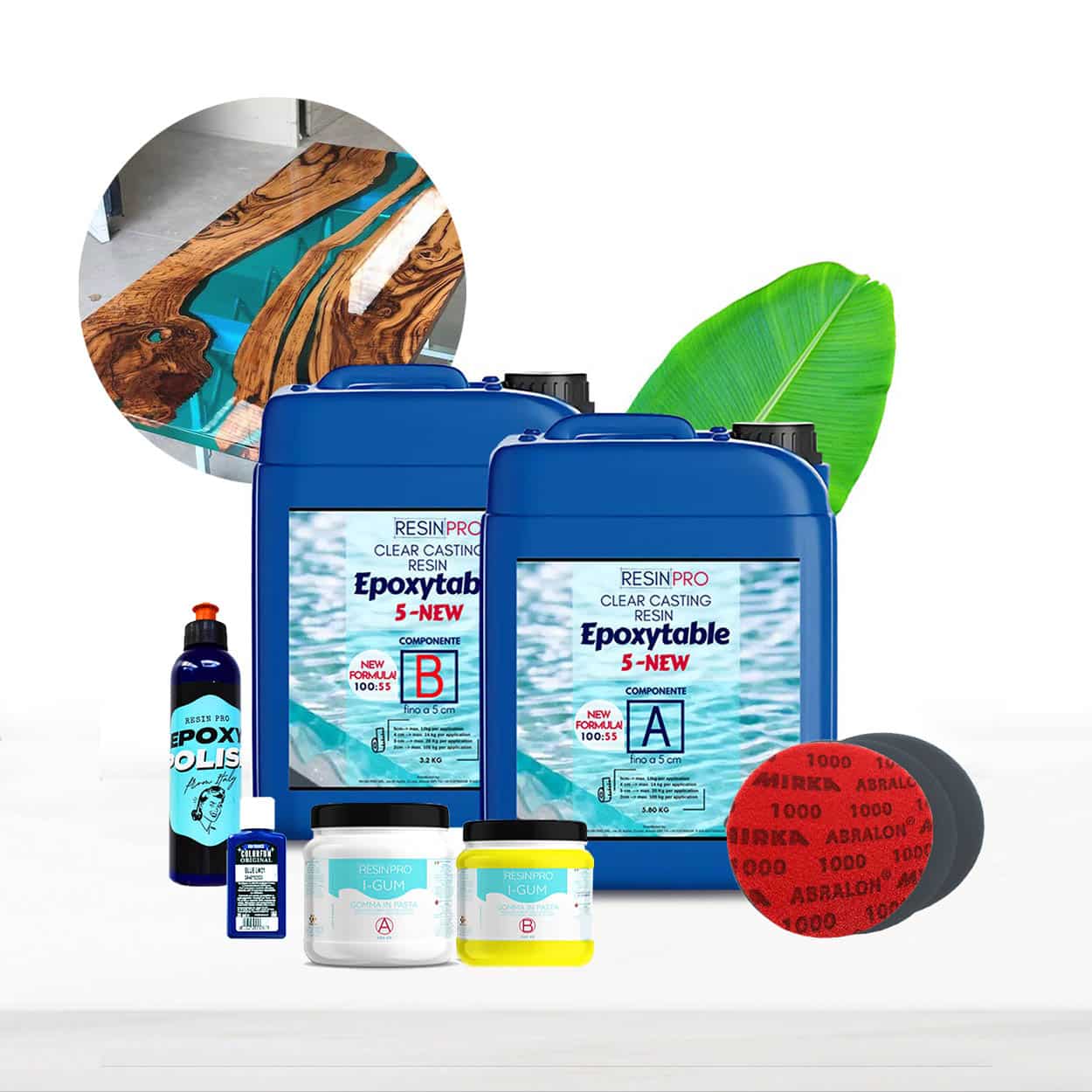
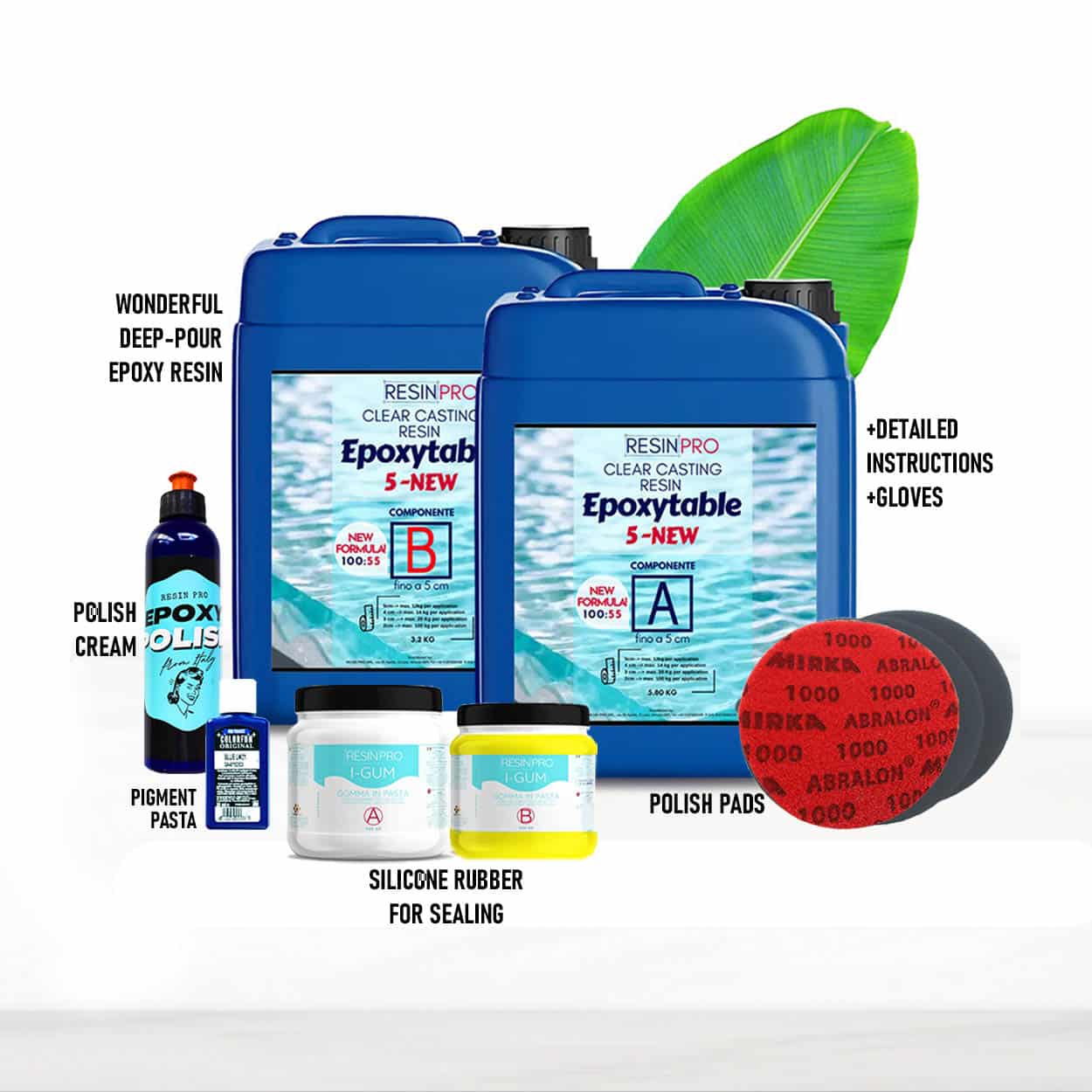
Choosing the Right Sealer for Wood Cracks and Porosity
For the best results, use a resin formulated for deep penetration and wood sealing, such as EpoxyWood. Its ultra-low viscosity allows it to fill small crevices and pores, reinforcing and waterproofing the wood without altering the natural grain. Before you begin, make sure the wood is dry and lightly sanded to promote strong adhesion and deeper absorption of the sealer.
How to Apply the Sealer Effectively
- Preparation: Ensure the wood’s surface is dust-free, dry and sanded.
- Application: Use a brush or sponge to apply a thin coat of your chosen wood sealer, allowing it to flow into cracks and pores. Work the product in to aid penetration.
- Drying: Allow the sealer to cure fully before proceeding with further resin casting. This creates a reliable barrier and reduces bubble formation in your main pour.

When This Matters Most
Always seal if your project uses reclaimed wood, hard woods with open or knotty grain, or if you notice visible cracks. Sealing is also wise for any piece intended for outdoor use or exposure to varying levels of moisture.
Related products
Related guides
Getting a strong, clean resin finish starts with careful prep—so sealing cracks is a fundamental step. Once sealed, your wood will bond far better with clear resin and truly shine in any project. For more tips on using clear resin and wood, see our main guide.