 Free shipping on orders over £29,85
  Shipping Tracking!


 Google
 Facebook
How do you use resin on plastered walls?
Achieve a durable decorative finish with resin coating methods.
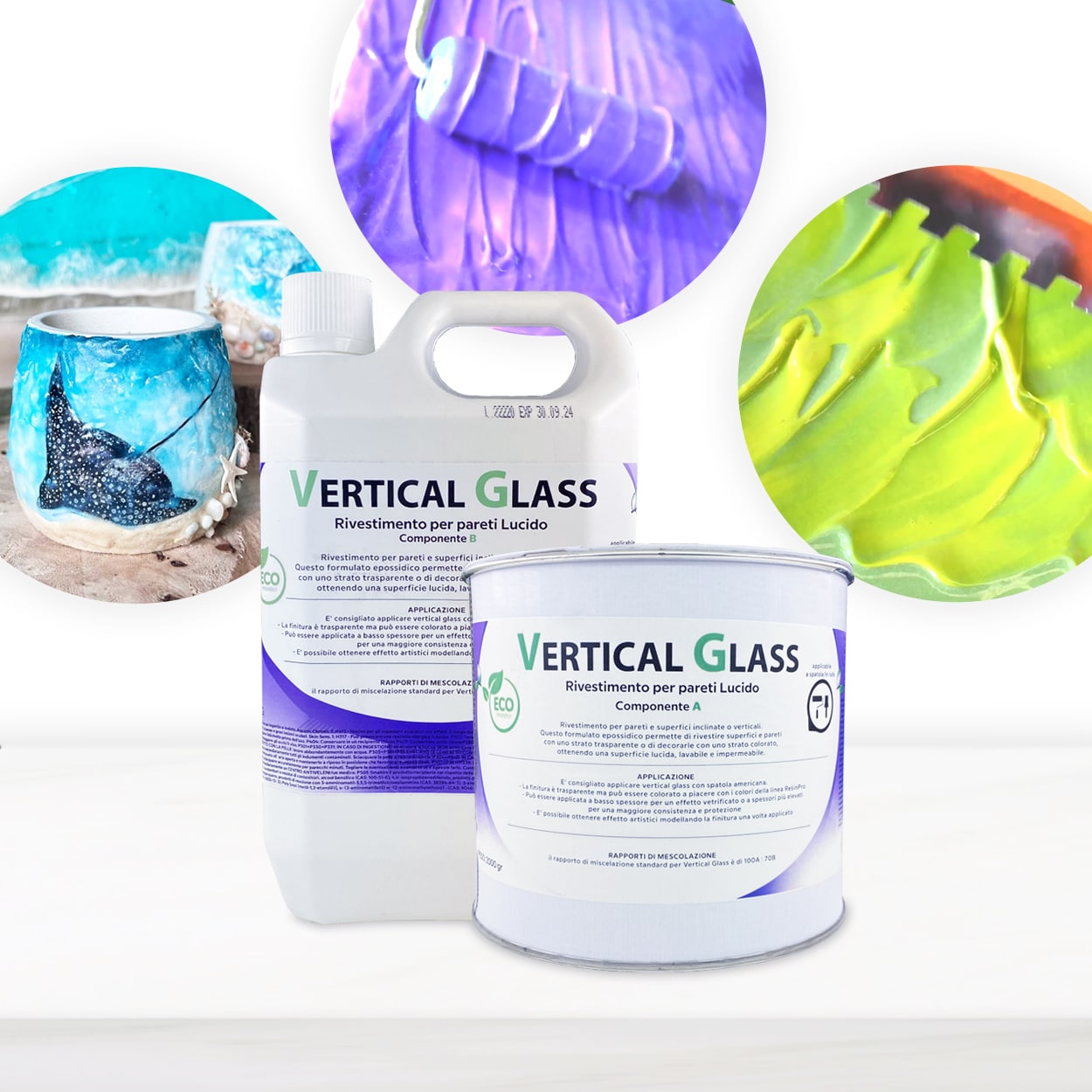

If you are looking to transform your plastered walls with a decorative yet highly durable finish, resin application can create a stunning result in residential or commercial interiors. This guide walks you through the essential steps to ensure strong adhesion, an even coat, and a flawless appearance on vertical surfaces.
What You’ll Need
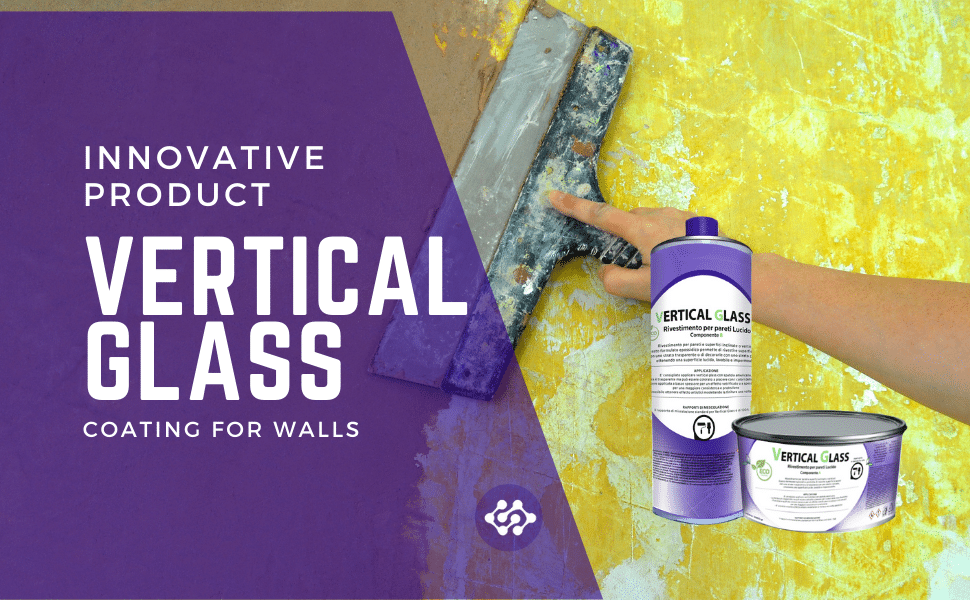
- “Vertical Glass” – Thick Resin Decorative Wall Coating: An epoxy resin coating designed for decorative, waterproof protection on plastered walls.
- Resin & Paint Application Rollers – Short-Pile, Large, and Sponge Types: Tools for precision and ease during resin application.
- Protective clothing and gloves
- Mixing containers and spatulas
- Masking tape and dust sheets
- Primer (depending on wall porosity)
- Sanding block or fine sandpaper
Visual Inspiration for Resin Wall Coatings
Explore creative wall transformations made possible by resin. The right product and careful technique can turn any plastered wall into a decorative statement—whether you prefer a glossy, contemporary finish or a subtle, artistic effect.
Step 1: Thoroughly clean and prepare the plastered wall
Before any resin work, the surface must be dry, clean, and free from dust, grease, or loose particles. Use a damp cloth to wipe down the wall and allow it to fully dry. If the wall has any cracks or imperfections, fill these with a suitable filler and sand smooth. It’s crucial to cover nearby skirting, sockets, and floors with masking tape and dust sheets for protection.
Pay particular attention to areas near sinks or cookers, where additional cleaning may be needed to remove lingering oils or residues. The quality of your wall preparation determines how well the resin adheres and the final visual result.


Step 2: Prime the surface for better adhesion
Priming is recommended if the plastered wall is particularly absorbent or chalky, as this promotes even resin absorption and prevents air bubbles. Choose a suitable primer for resin application and apply it thinly with a short-pile roller or brush; let it cure according to the manufacturer’s instructions before proceeding.
For newly plastered walls, always confirm the wall is fully cured—applying resin on a damp surface can cause adhesion issues or cloudiness in the final finish.
Step 3: Mix the resin slowly and precisely
Measure the resin and hardener in the correct ratios following your product’s instructions. Mix gently but thoroughly to avoid introducing excessive air bubbles. For larger surfaces, prepare manageable quantities to maintain your working window and prevent premature curing in the container.
For decorative wall coatings, “Vertical Glass” – Thick Resin Decorative Wall Coating is formulated for easy, spatula-based application without self-levelling—the ideal consistency for vertical or sloped surfaces.


Step 4: Choose the right application tool for your wall
Using the correct applicator is essential for a uniform finish. For most plastered wall projects, a spatula is recommended for trowelling resin, allowing for creative finishes and variable thickness. For smooth, even coats—especially on larger areas—a short-pile roller provides control and helps avoid excessive build-up.
Resin & Paint Application Rollers – Short-Pile, Large, and Sponge Types offer different lengths for trimming, detailed areas, or broad coverage, ensuring you have the proper tool for every section of the wall.
Step 5: Apply resin methodically in even layers
Start from the top of the wall, working downwards in sections. Spread the resin with firm, even strokes to create a seamless layer, paying extra attention to corners and edges. Avoid overloading tools with resin, as this can lead to drips or sagging.
If a thicker, more protective layer is desired, consider a second coat after the first has cured, gently sanding between applications for best adhesion. Allow the resin to cure according to product guidelines, avoiding disturbances or exposure to dust during this time.

Tips, common mistakes, and troubleshooting
Maintain a dust-free environment during curing: Tiny particles settling on wet resin can mar the final finish—consider temporary covers or restricting access.
Always read resin-specific curing times and never exceed recommended layer thickness to avoid uneven setting. If you notice air bubbles, lightly pass a heat gun or torch across the surface straight after application to pop them, being careful not to scorch the resin or wall.
Patience during each stage ensures a flawless, long-lasting, decorative result that enhances both residential and commercial walls.
See Real Results and Curing Stages
Real-world examples show flawless resin finishes achieved on vertical plastered walls, highlighting the importance of methodical preparation, careful application, and patient curing for stunning, long-lasting outcomes.
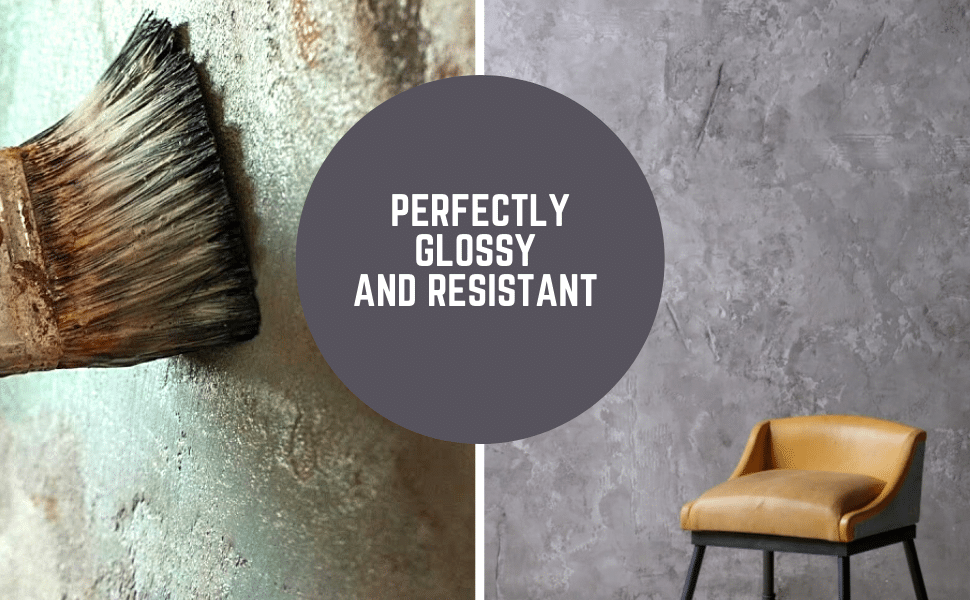
- "Vertical Glass" – Thick Resin Decorative Wall CoatingPrice range: £78.95 through £188.95Vertical Glass offers a customisable, washable epoxy resin coating for vertical and sloping surfaces, suitable for decorative protection on walls.
- Resin & Paint Application Rollers – Short-Pile, Large, and Sponge TypesPrice range: £3.62 through £5.09Rollers designed for precise and uniform application of epoxy resin, suitable for detailed and larger resin surfaces.
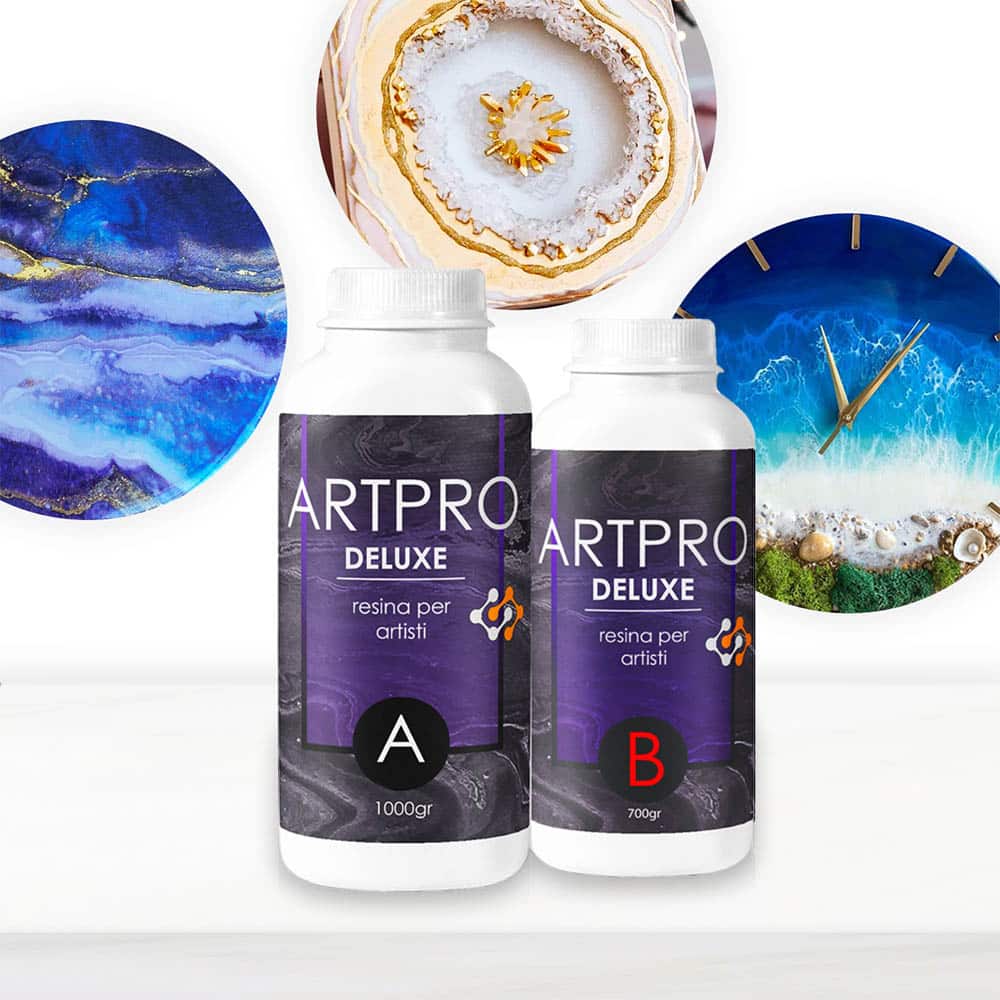
- "Art Pro Deluxe" – Ultra-High Viscosity Epoxy Resin for ArtistsPrice range: £35.95 through £302.45Art Pro Deluxe offers ultra-high viscosity and a crystal-clear finish, suitable for precise resin art and glossy layers.
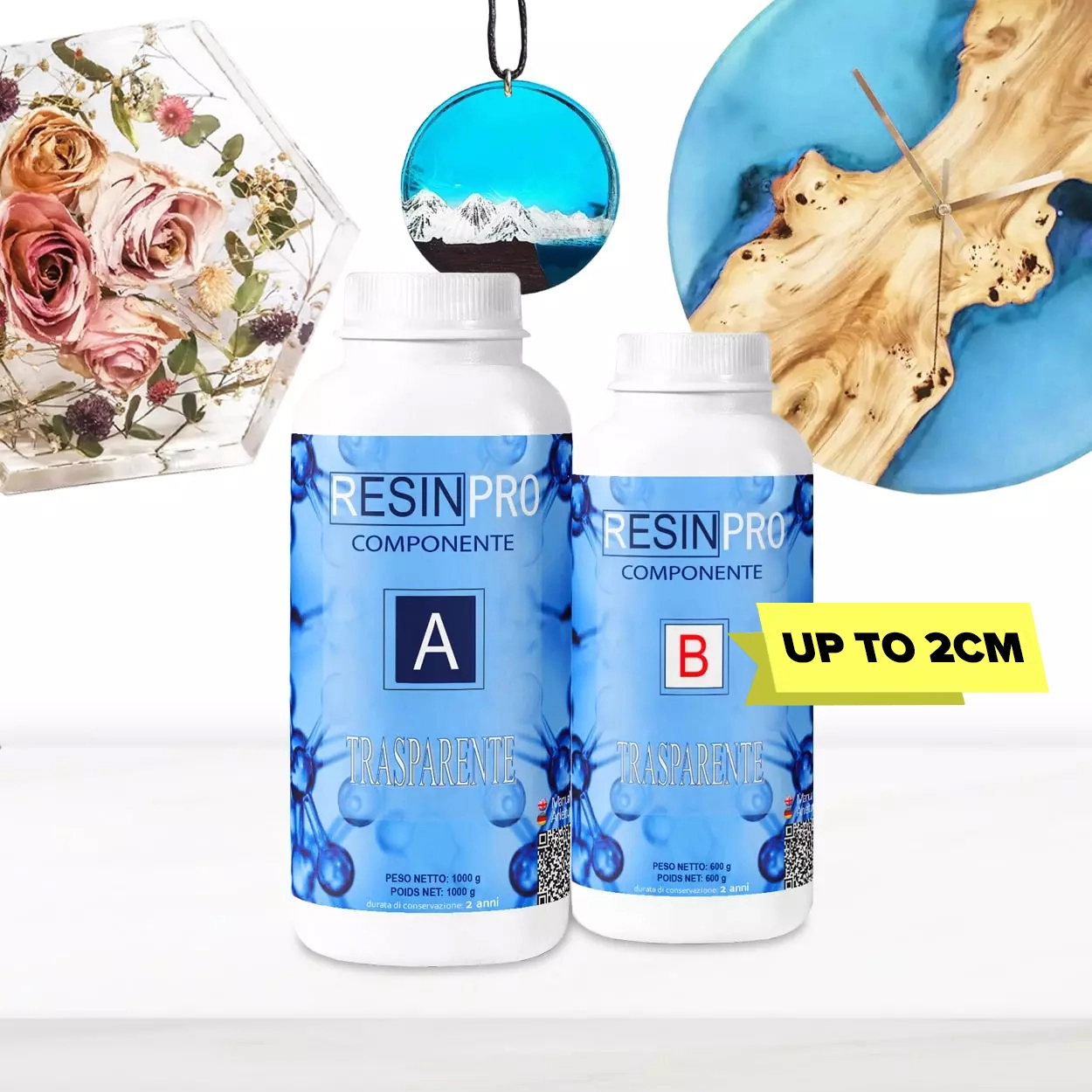 "Trasparente" – Multipurpose Clear Epoxy Resin for Casting – Up to 2cmPrice range: £8.95 through £397.95"Trasparente" clear epoxy resin is suitable for layered casting up to 2cm depth, providing a glossy, self-levelling finish for various DIY and…
Frequently Asked Questions
Can I apply resin to newly plastered walls?
Only after the plaster is fully dry and cured. Any moisture can cause adhesion issues and clouding.
Do I need to prime plastered walls for resin?
Priming is recommended for absorbent or powdery surfaces to improve adhesion and prevent resin loss.
How do I prevent drips or sags when applying resin vertically?
Apply thin, controlled layers and avoid overloading your roller or spatula. Use the correct product viscosity.
Can I use normal epoxy resin on walls?
Specialised wall coatings are best because standard resin may run or not adhere properly to vertical surfaces.
Is the finished resin coating waterproof and washable?
Yes, specialist wall resins provide a waterproof, durable, and easily cleanable surface.
Can I apply resin over textured or painted walls?
The surface should be stable, clean, and lightly sanded. Test a small area first for compatibility and adhesion.