 Free shipping on orders over £29,85
  Shipping Tracking!


 Google
 Facebook
← Back to What does a naval resin applicator do?
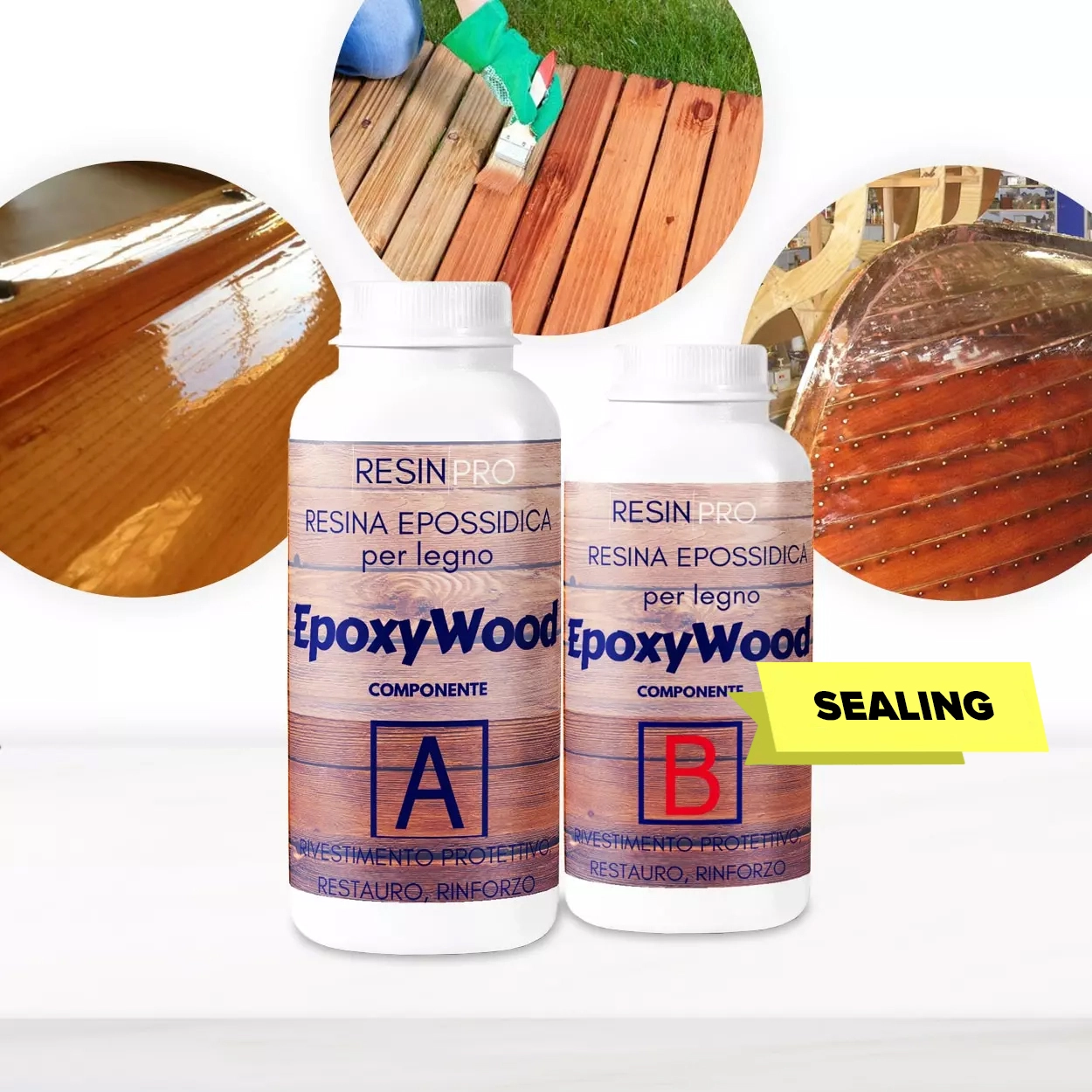
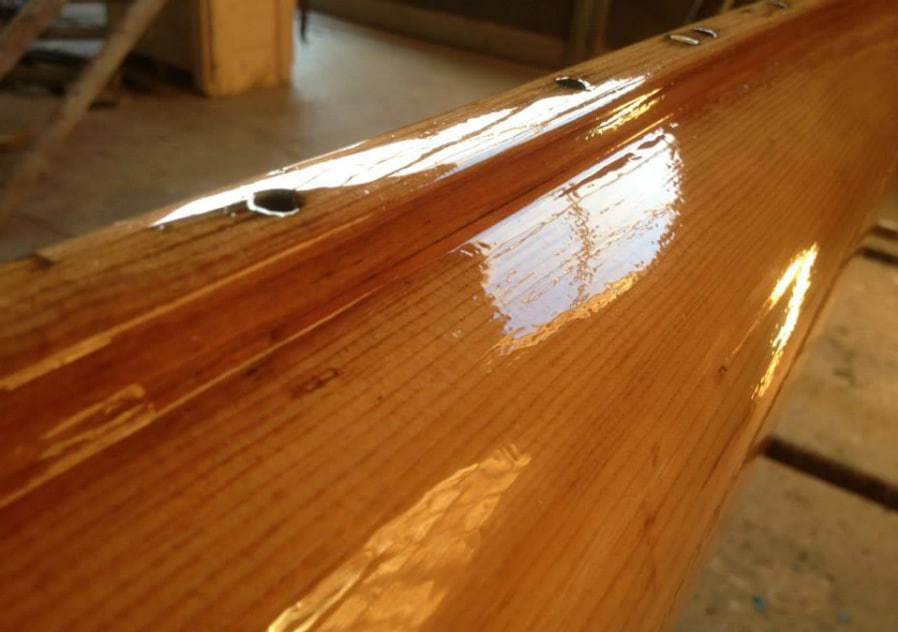
Repairing marine woodwork and structures demands a reliable epoxy resin that stands up to moisture, weather and the demanding marine environment. Knowing what to look for helps ensure your repairs are both strong and long-lasting.
Key Characteristics for Marine-Grade Resin
For effective marine repair, epoxy resin needs to deeply penetrate wood fibres and offer robust waterproofing. Products such as EpoxyWood are developed for external use, forming a resilient barrier against water and reinforcing weakened areas. Always select a resin that is solvent-free and compatible with the specific surface you are treating for safer and more durable results.


Application Tips for Lasting Repairs
Proper preparation is essential—ensure surfaces are dry and sanded before applying epoxy resin. Using dedicated tools, like short-pile rollers or reusable silicone brushes, allows for precise application and effective coating, reducing the chance of gaps or trapped bubbles. Multiple thin coats are often more effective than a single thick layer, especially on wood or when sealing boat hulls.
When This Matters Most
- Restoring timber in hulls, decks, or exterior joinery frequently exposed to water
- Protecting wooden surfaces from rot, moisture ingress and degradation
- Enhancing strength and longevity for long-term use in marine conditions

Related products
Related guides
Choosing the right marine epoxy resin ensures your restoration work will withstand the harsh demands of boating and water exposure. For more on the applications and tools involved, visit our guide on naval resin application.