 Free shipping on orders over £29,85
  Shipping Tracking!


 Google
 Facebook
← Back to What does a naval resin applicator do?

Achieving a flawless epoxy marine coating is all about preparation and careful technique. Unwanted bubbles can impact not only the appearance but also the durability of the finish, especially on wood or fibreglass surfaces used in boats and marine settings.
Preparing Your Surface Effectively
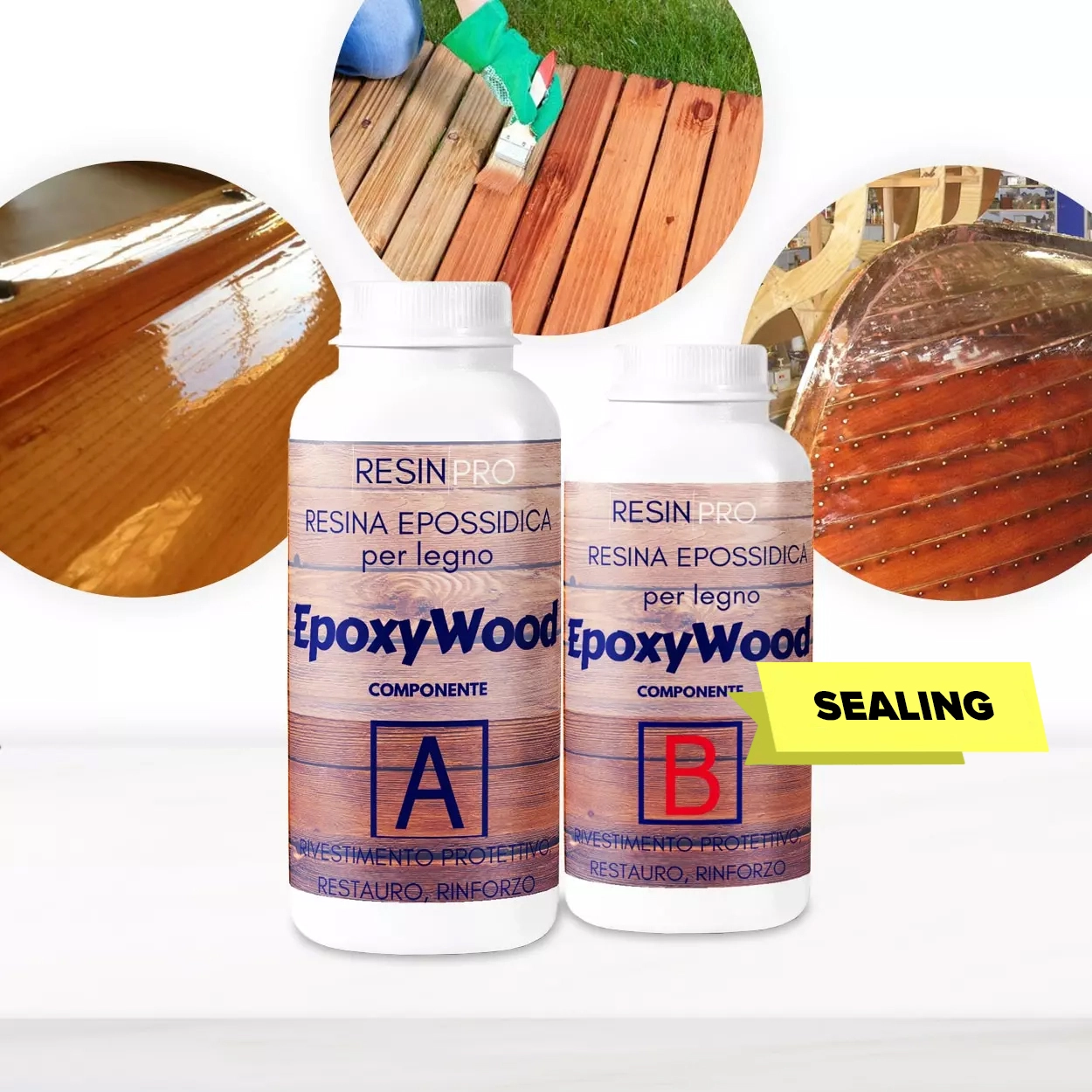
Before applying any epoxy, make sure the entire surface is completely dry, clean, and free of dust. Trapped moisture or debris often lead to bubbles forming as the resin sets. Carefully sand and wipe down the area, paying extra attention to grooves and edges where dust may linger. For external wood, sealer products like EpoxyWood can help reinforce and waterproof before your main resin application.

Best Tools & Application Practices
Slow, steady application helps the resin level itself and release trapped air. Use a notched spatula, such as the Tooth Shaped Spatula, to spread the epoxy evenly and thinly, which reduces the chance of air pockets. For larger areas or finishing coats, sponge rollers and short-pile resin rollers provide controlled, uniform coverage and can help press out minor bubbles as you go.
- Pour resin in thin layers.
- Avoid overworking the surface.
- If bubbles appear, gently torch or heat gun on low to help them rise and dissipate safely.
When This Matters Most
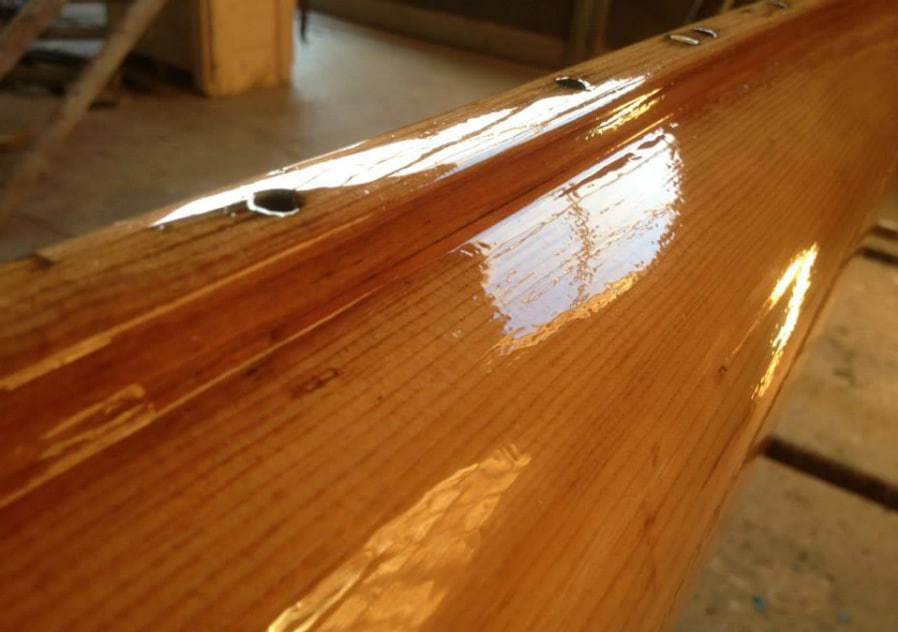
Preventing bubbles is particularly important for marine projects, where water exposure and abrasion demand a completely sealed, sturdy surface. A bubble-free finish not only looks better but also ensures reliable waterproofing and longer-lasting protection for boat hulls and exterior woodwork.

Related products
Related guides
Taking the time to properly prepare and apply your epoxy marine coating will pay off with a resilient, professional finish. For more on achieving high-quality results, see our full guide on the role of a naval resin applicator.