 Free shipping on orders over £29,85
  Shipping Tracking!


 Google
 Facebook
← Back to How to use special clear thickened suspended resin?
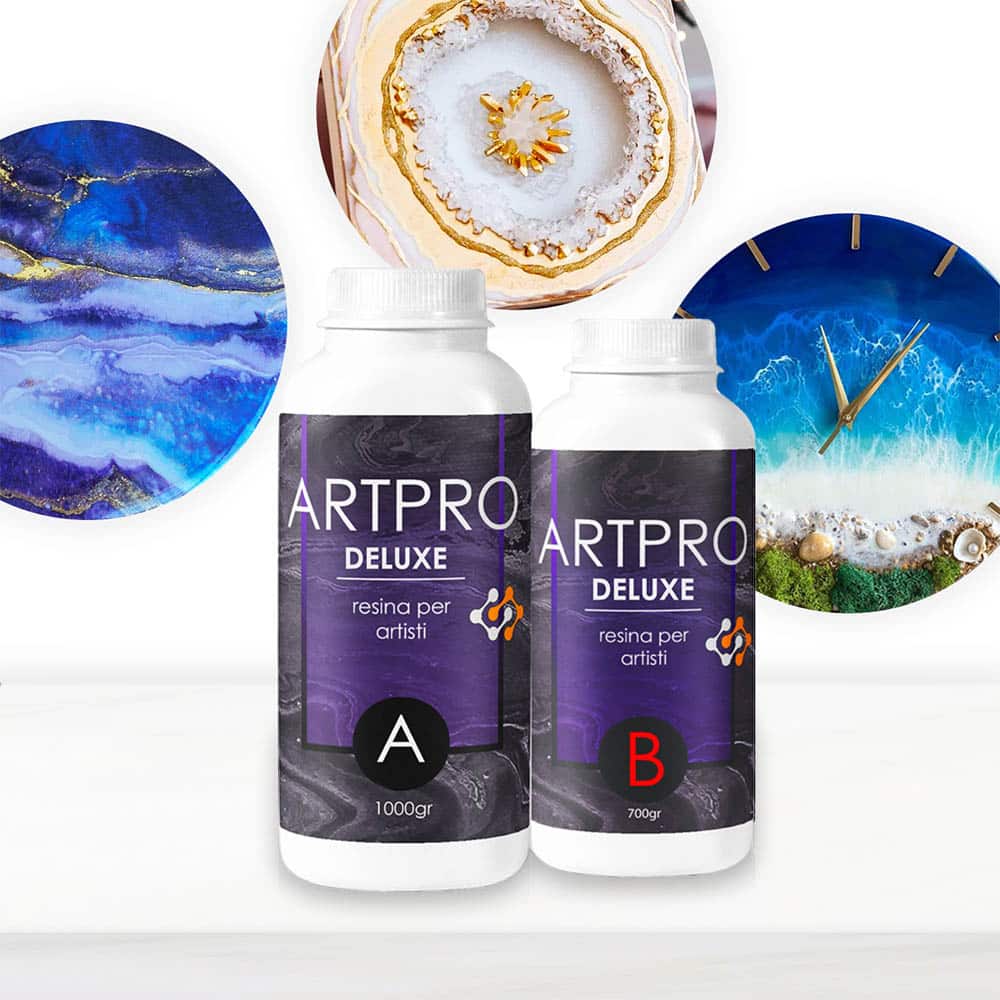

Working with suspended resin opens up creative possibilities, but getting the best results depends on careful surface preparation. Choosing the right support and avoiding unsuitable surfaces are key to ensuring a flawless, long-lasting finish.
Surfaces to Avoid with Suspended Resin
Moist, oily, or contaminated surfaces can lead to problems with resin adhesion, curing, or clarity. These issues may result in incomplete setting, a cloudy finish, or surface imperfections. Always avoid applying suspended resin to damp materials, freshly cleaned surfaces that have not fully dried, greasy work areas, or anything prone to sweating or releasing moisture.
- Moist surfaces: Water interferes with resin chemistry and can cause bubbles, poor bond, or trapping.
- Oily surfaces: Grease and oils repel resin and prevent proper curing, which may leave sticky or soft patches.
- Water-based dyes or paints: These can mix with resin and impact its clarity or cause unpredictable reactions.


Recommended Surface Preparation
Before pouring or spreading your resin, ensure the work surface is clean, completely dry, and free from grease. If necessary, lightly sand the surface and wipe away dust. For porous surfaces like wood, consider sealing with a compatible primer or undercoat to prevent moisture ingress.
If you’re working on detailed artwork or finish layers—such as coasters or trays—a reliable resin such as Art Pro Deluxe can offer excellent clarity when used on carefully prepared substrates.
When Surface Choice Really Matters
Your choice of surface is especially crucial when strong adhesion, flawless transparency, or intricate details are needed. For example, ocean art and layered pieces depend on a stable, sealed base to keep suspended effects crisp and free of cloudy patches.

Related products
Related guides
By steering clear of moist, oily, or water-based surfaces, you help your special clear thickened suspended resin perform at its best. For more advice on techniques and troubleshooting, explore our main guide on how to use special clear thickened suspended resin.